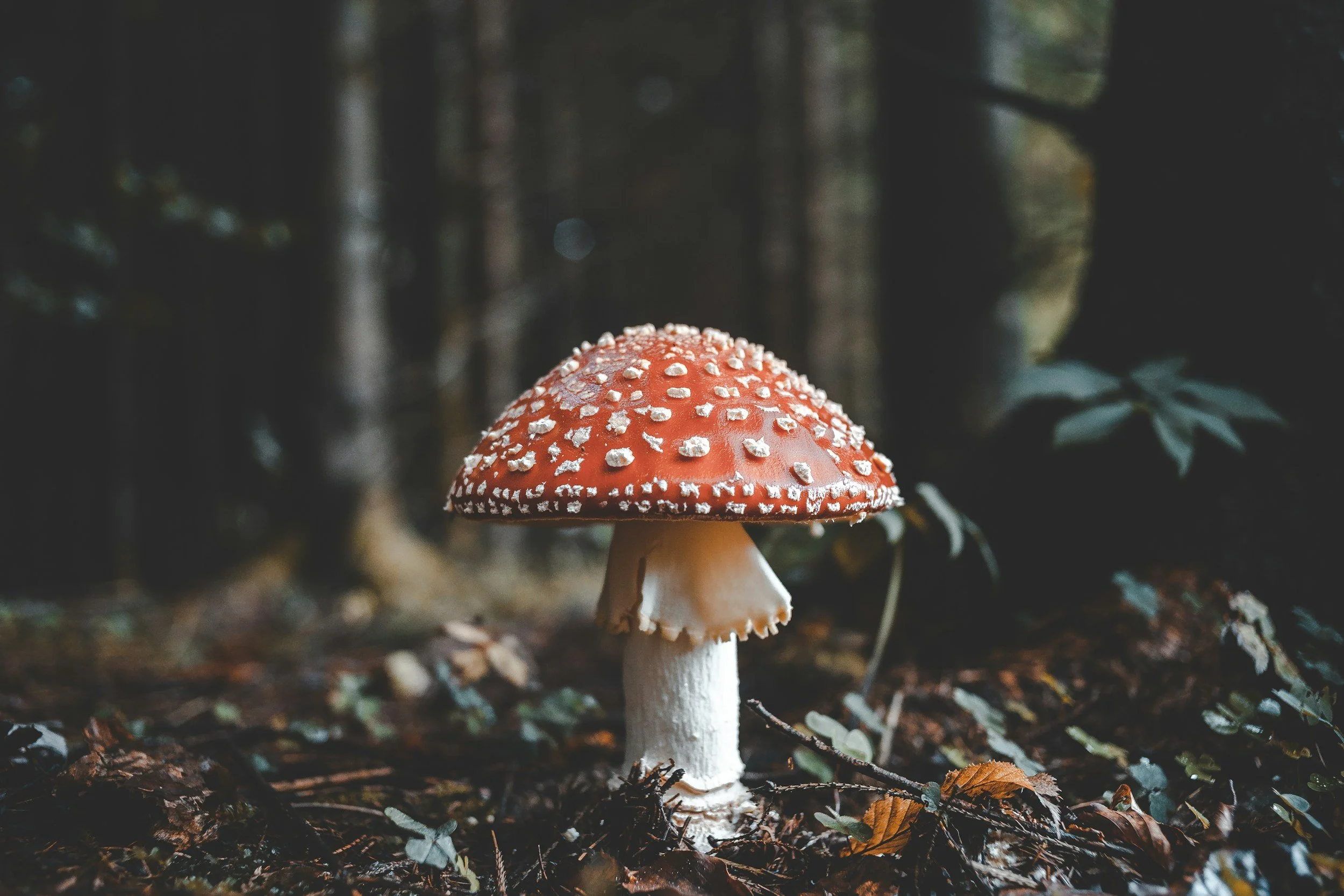
TOXIC BOTANICALS
Toxic plants have been studied, cultivated, and deliberately kept for centuries — by physicians, poisoners, midwives, cunning folk, and anyone who understood that the line between medicine and poison was a matter of dose rather than intent. Many of the most dangerous plants in this archive are also the most pharmacologically significant, their alkaloids still present in modern medicine under different names. Their history belongs not only to the dangerous but to everyone who learned to work carefully with difficult things.
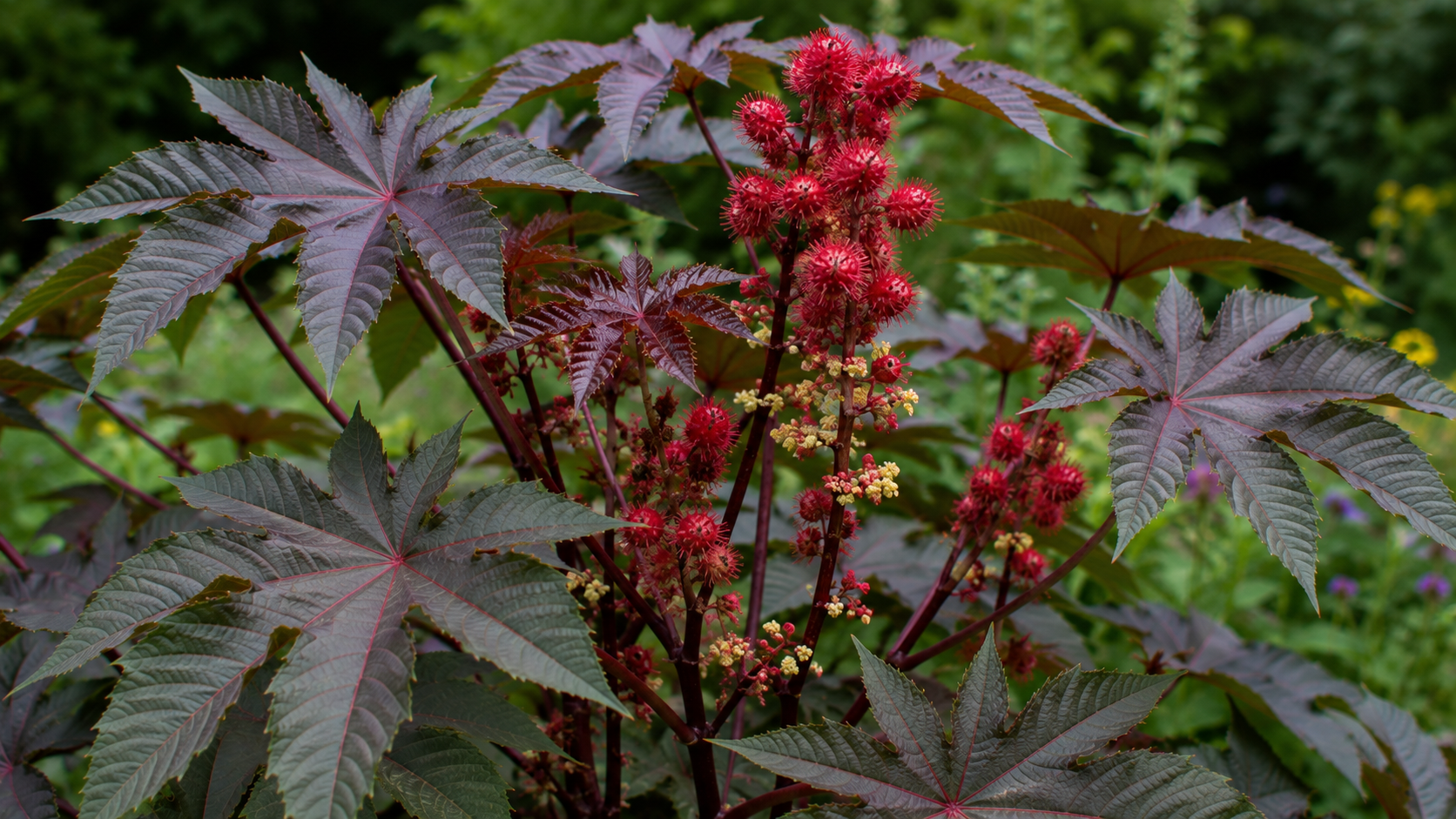
Castor Bean: The Hand of Christ That Hides the Deadliest Toxin in This Archive
Tutankhamun was buried with it. Jefferson planted it at Monticello. A Cold War assassin hid it inside an umbrella. And right now, it's probably sitting in your bathroom, bottled and gentle enough for a baby's skin — separated from one of the deadliest toxins on earth by a single manufacturing step.
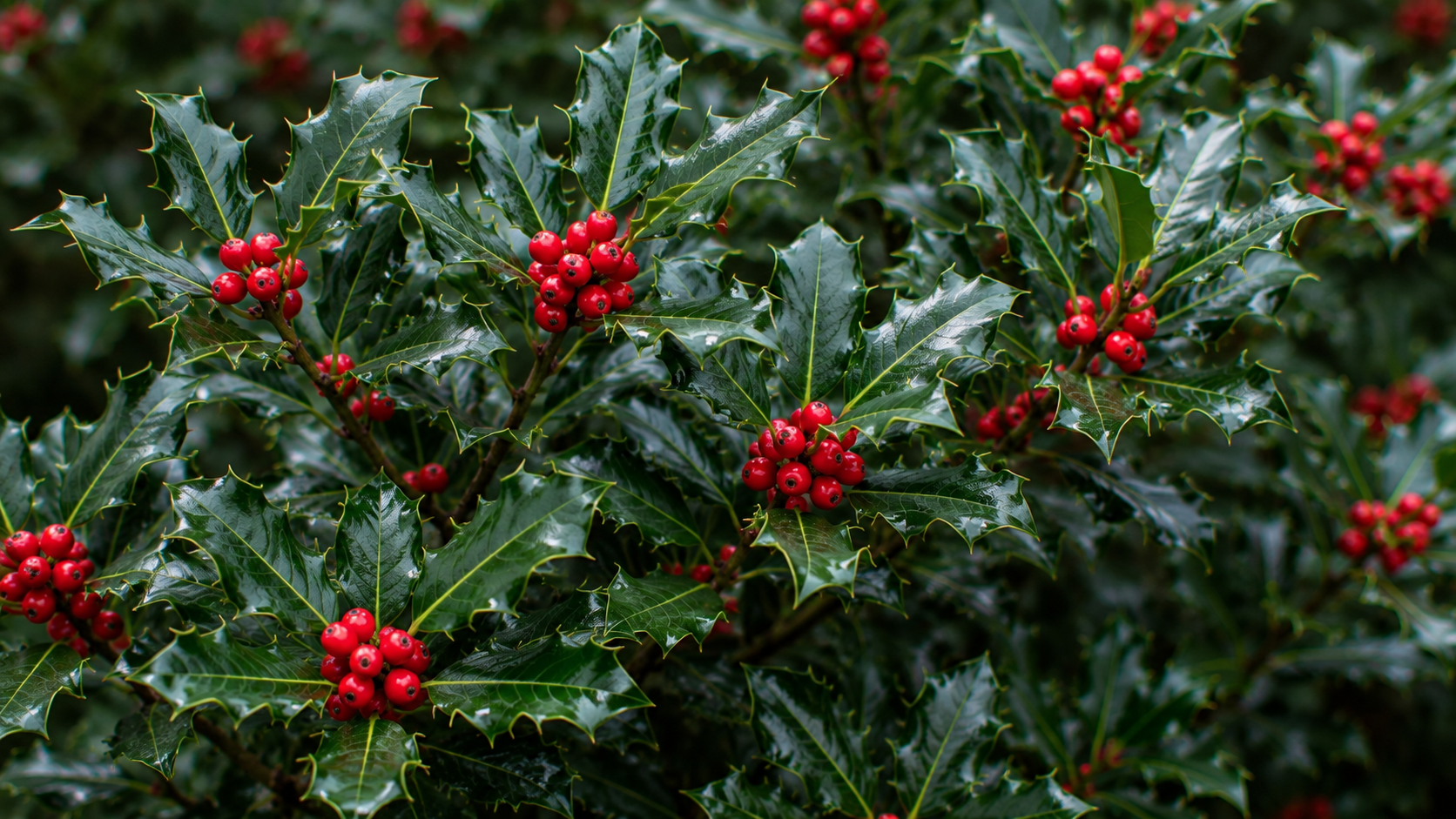
Holly: The Plant That Outlived Every Religion That Claimed It
Druids wore it for protection. Romans dedicated it to a god. Christians turned its thorns into a crucifixion symbol. Modern scientists finally figured out why the leaves are spiky in some places and smooth in others — and the Druids, it turns out, weren't entirely wrong.
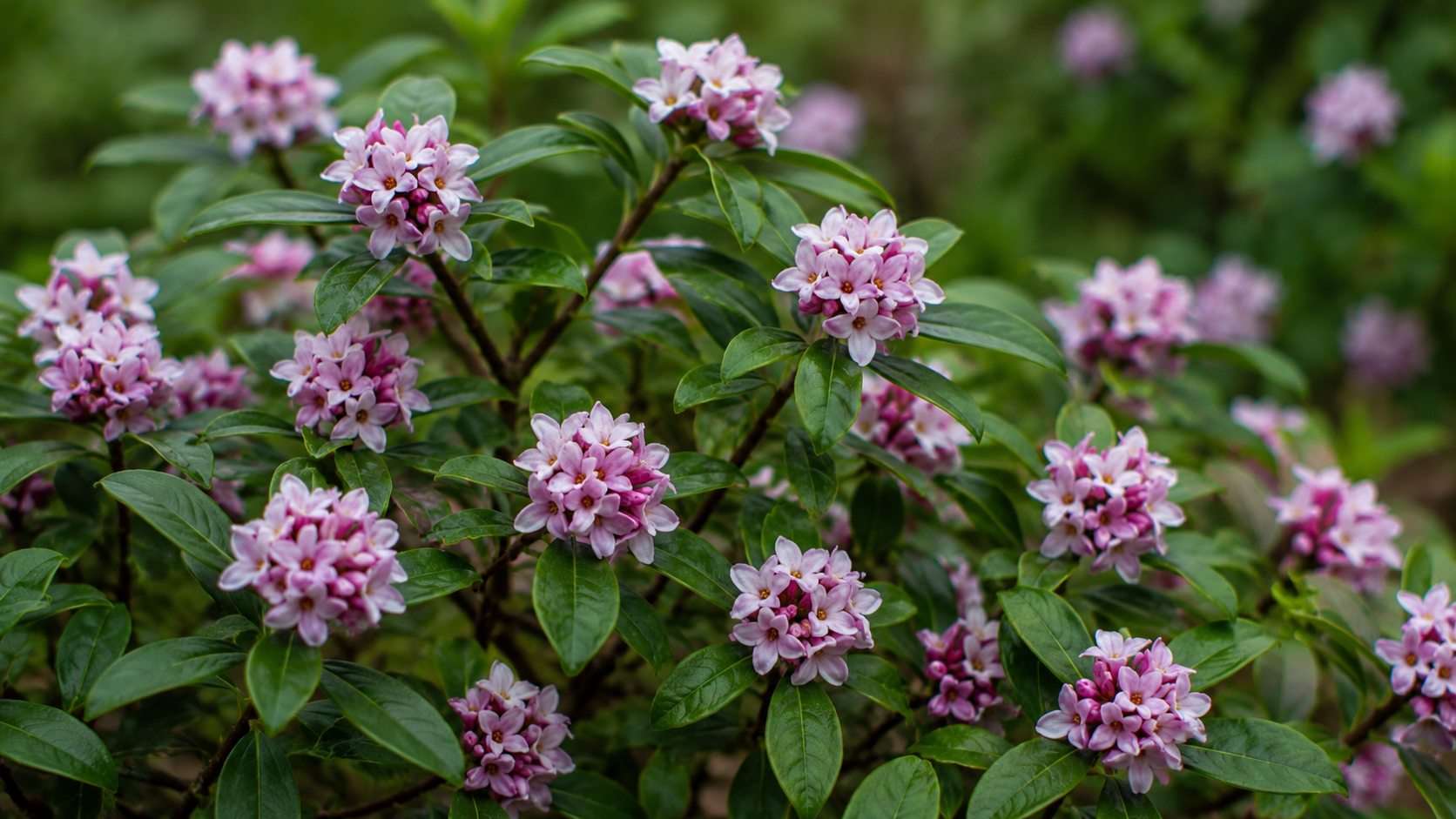
Daphne: The Borrowed Name of a Nymph Who Was Never Actually This Plant
A goddess turned herself into a tree to escape a god, and centuries later, a botanist gave her name to a completely different plant that simply looked the part. The real Daphne genus has nothing to do with that myth — except the borrowed name, and a danger entirely its own.
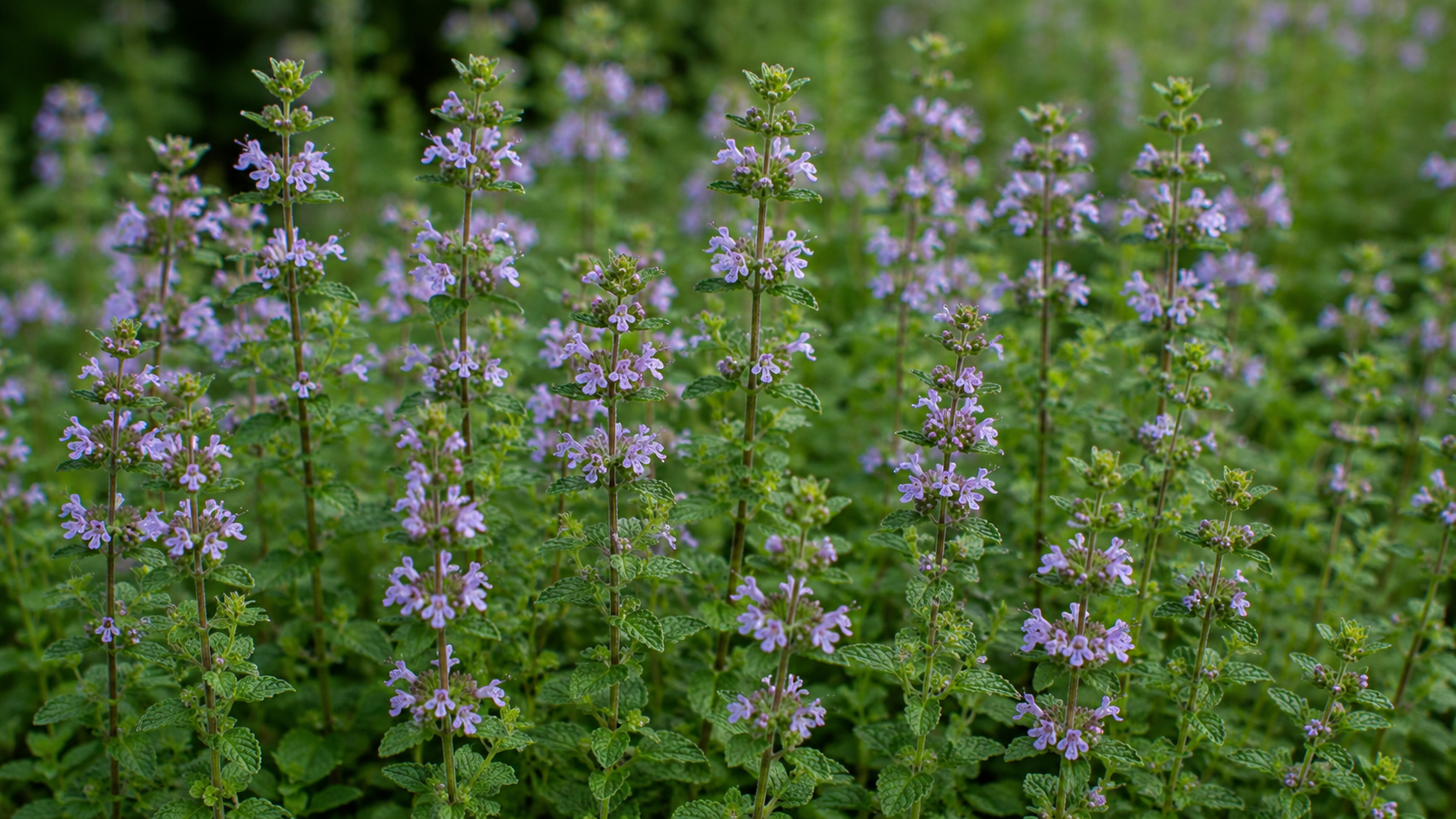
Pennyroyal: The Midwife's Herb That Modern Medicine Had to Warn Against
For two thousand years it was a humble kitchen herb that also carried one very specific, very dangerous reputation — one modern medicine has had to address directly, because people have genuinely died finding out the hard way how real it was.
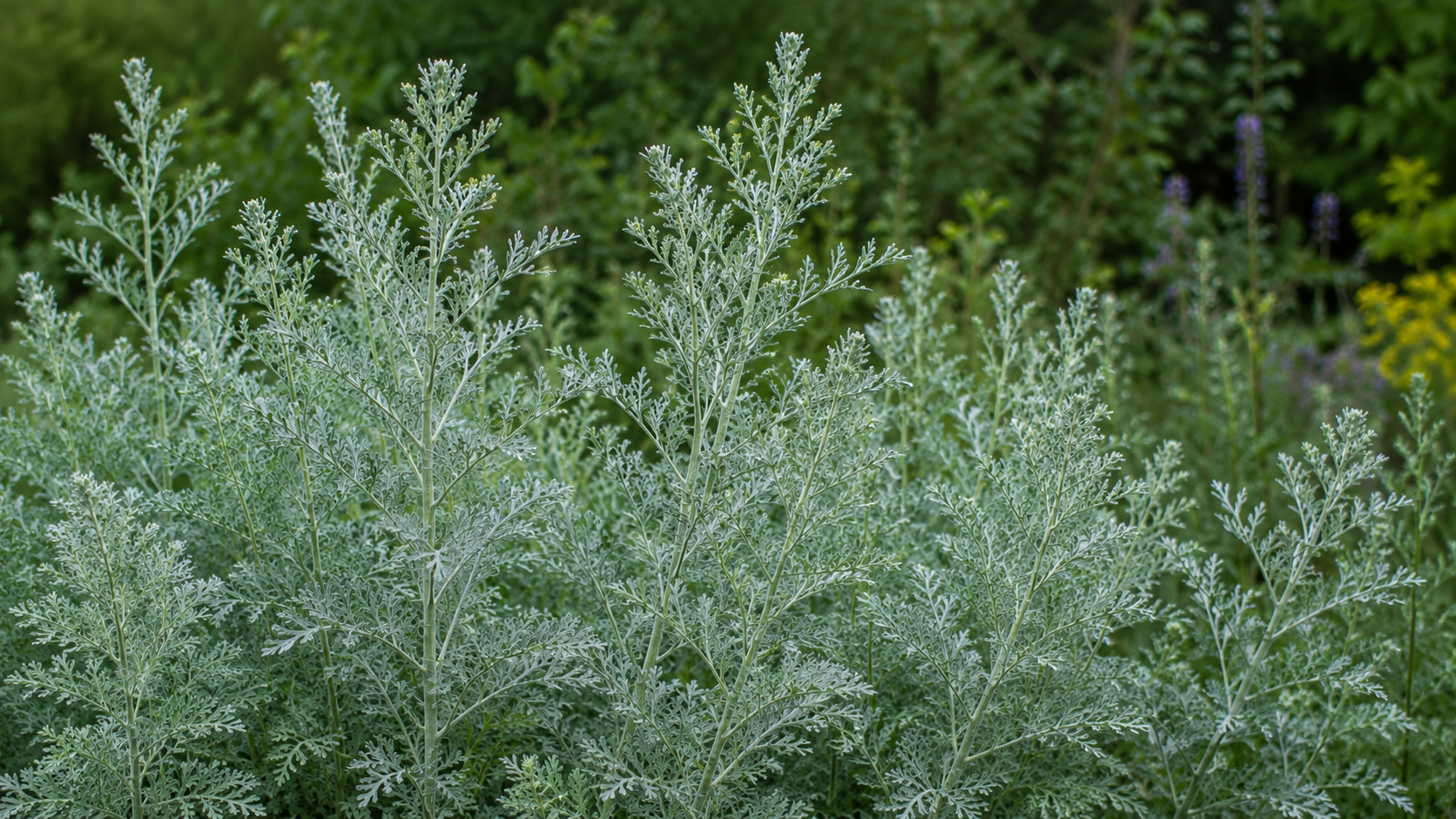
Wormwood: The Bitter Herb Behind the Green Fairy
It was blamed for driving a generation of Parisian artists mad. It was mistranslated into a nuclear apocalypse prophecy. And its closest relative quietly went on to help cure malaria and win a Nobel Prize. Few plants have swung this hard between villain and hero.
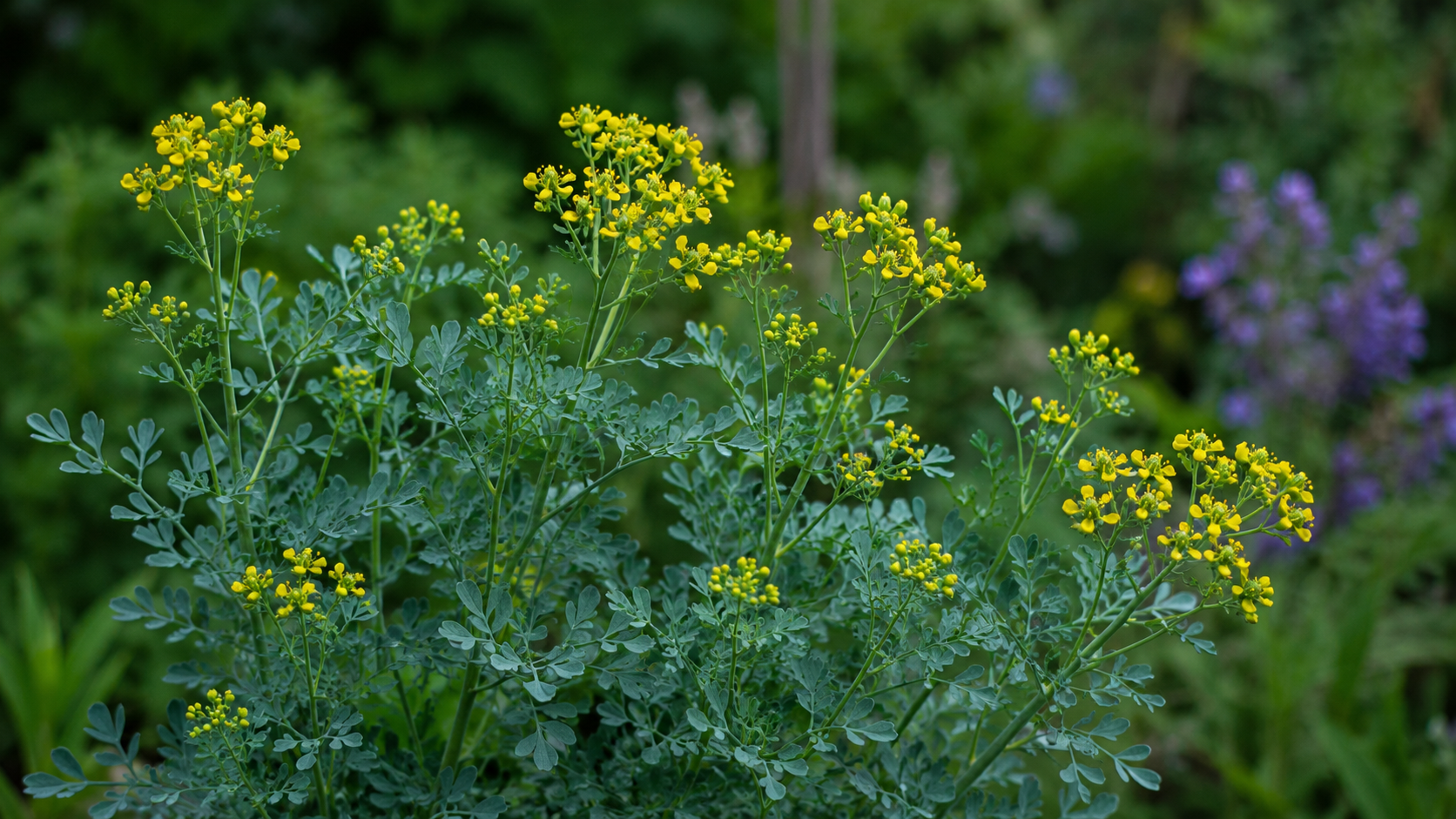
Rue: The Herb That Blessed Holy Water and Warded Off Witches
Priests blessed holy water with it. A poison-obsessed king built his antidote around it. Witches hung it over their own doors for protection. Somehow, the exact same plant satisfied everyone — right up until you touch it and step into the sun.
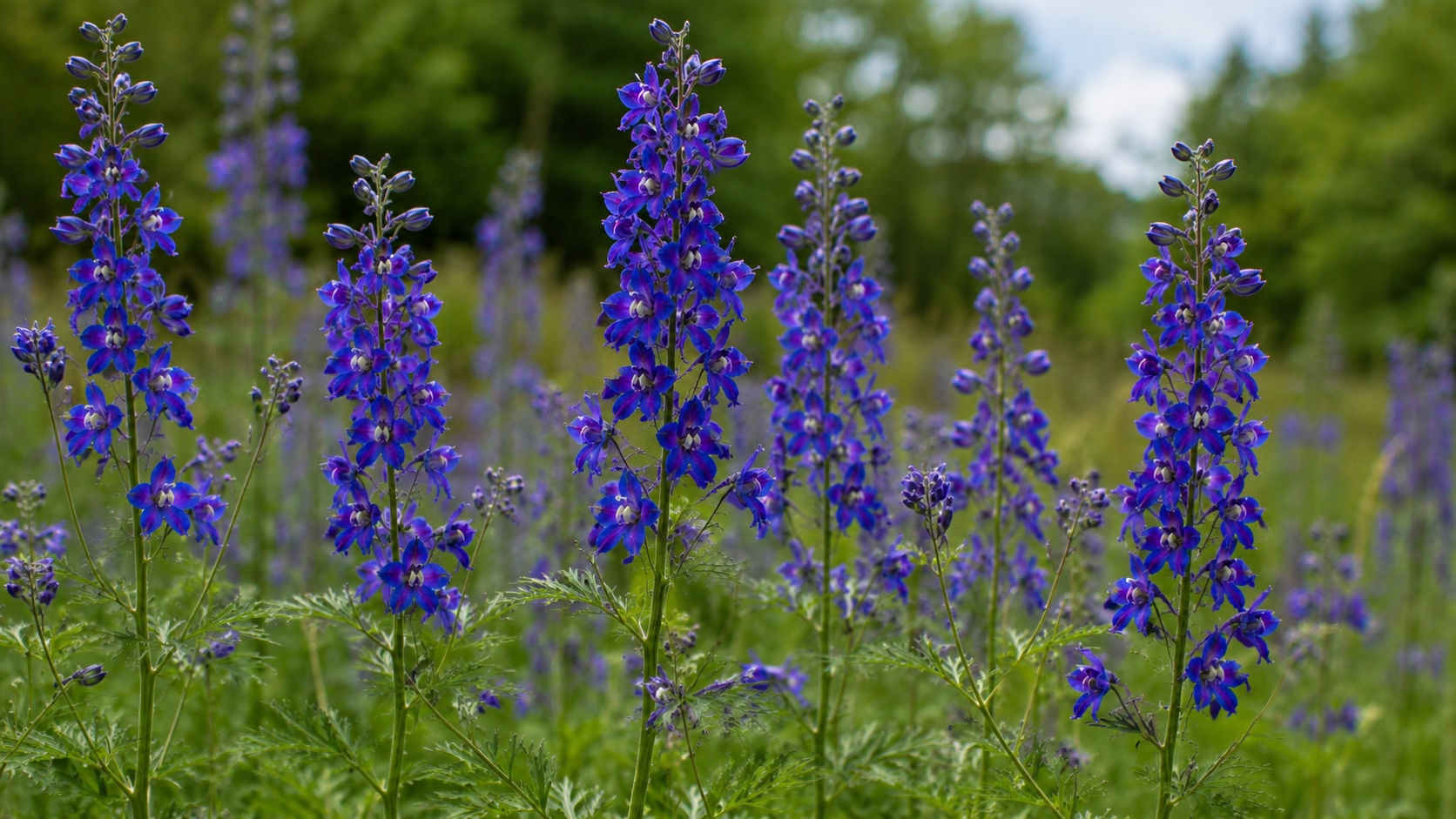
Larkspur: The Flower Inscribed With a Dying Man's Grief
A hero's grief, a rabbit's faith, a sky spirit's gift, a shield against witches — four unrelated cultures looked at the same blue spire of flowers and told four completely different stories. The toxin underneath all of them never changed.
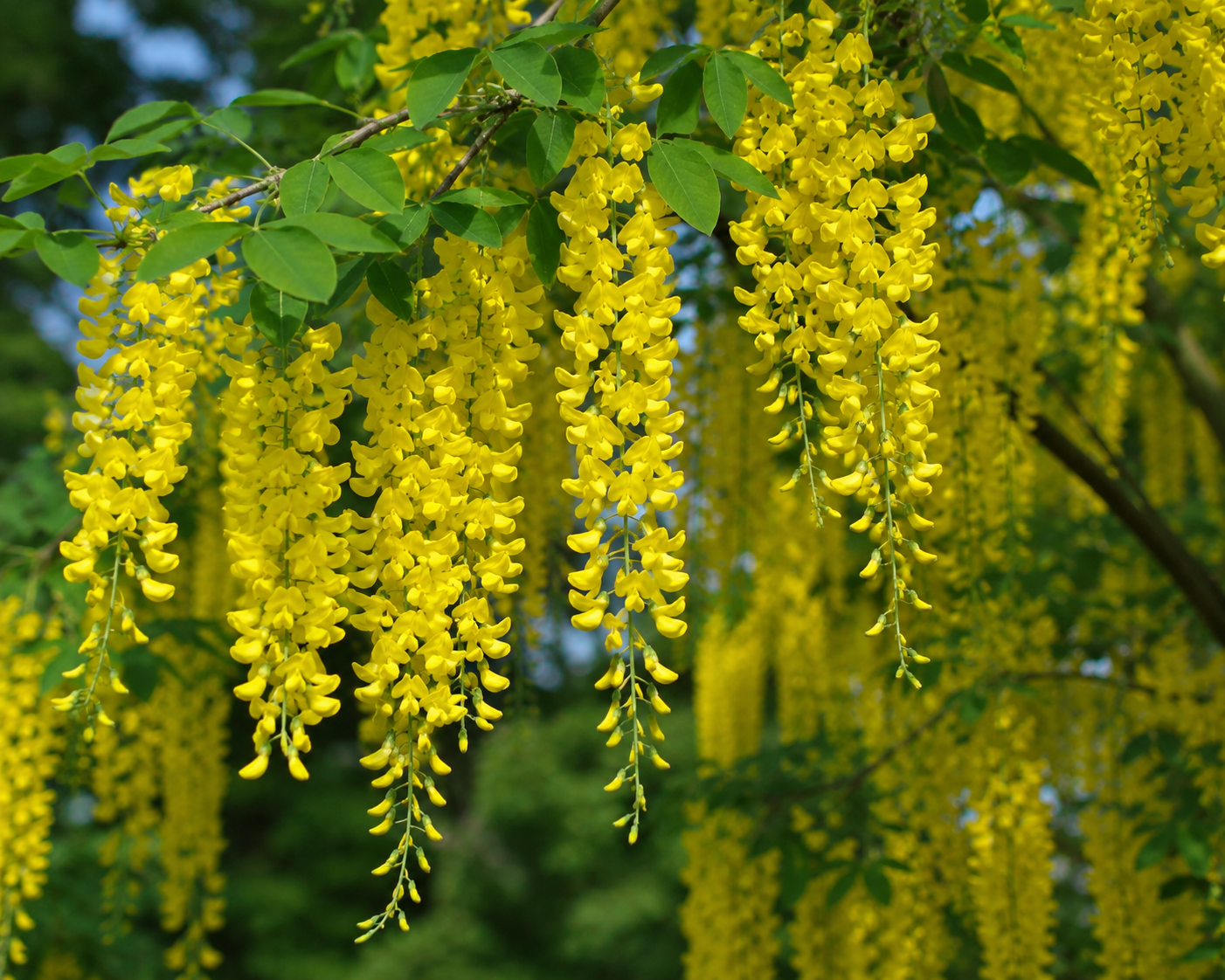
Laburnum: The Golden Chain Tree That Terrified a Generation of British Parents
Parents across an entire country once looked at their own gardens with real fear because of this tree — a panic real enough to send three thousand children to British hospitals a year, over a pod that looks almost exactly like dinner.
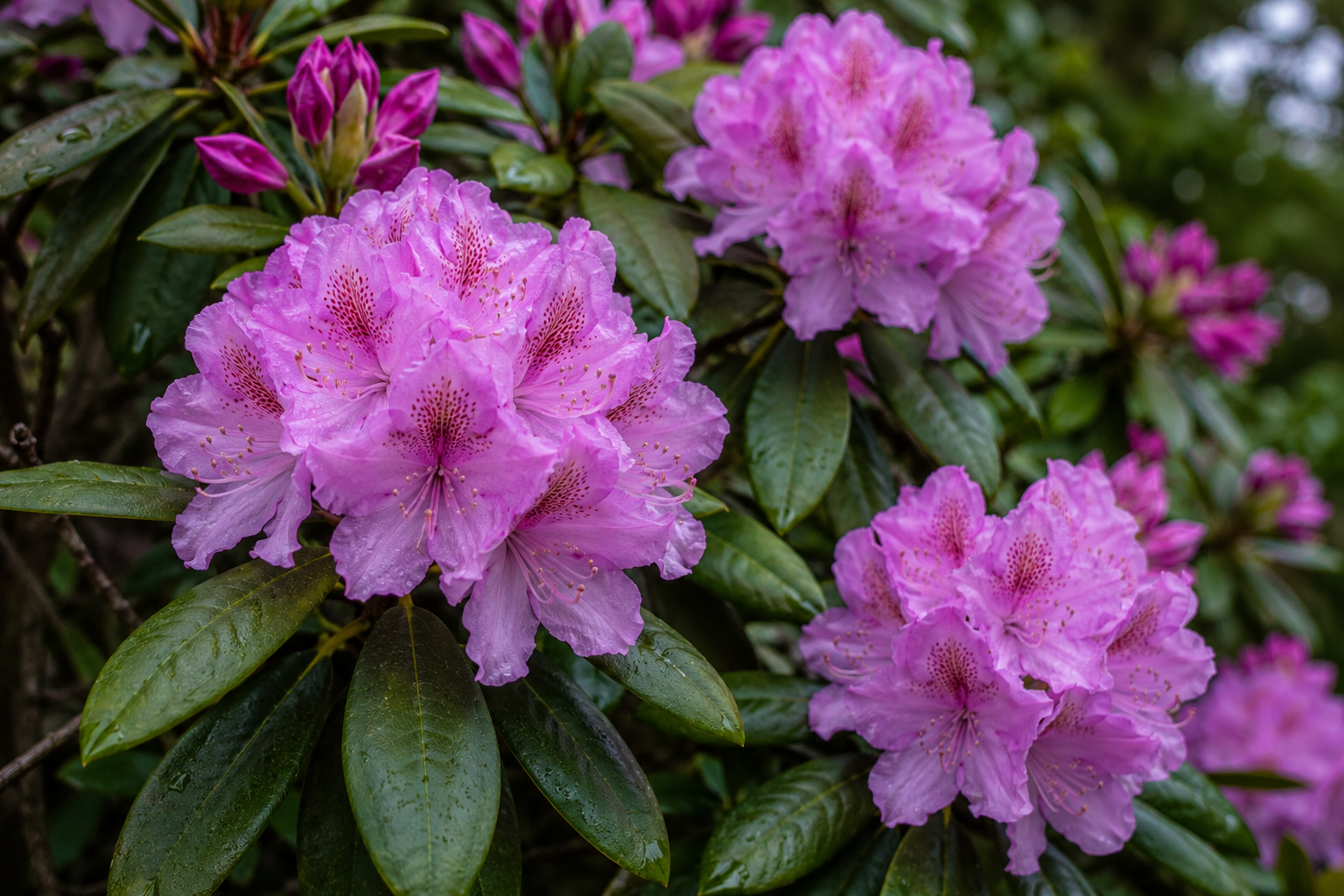
Rhododendron: The Flower That Won a War With Honey
A king who collected poisons for sport once won a battle without drawing a sword — just honeycombs, left where an army would find them, and a flower most people plant for the color.
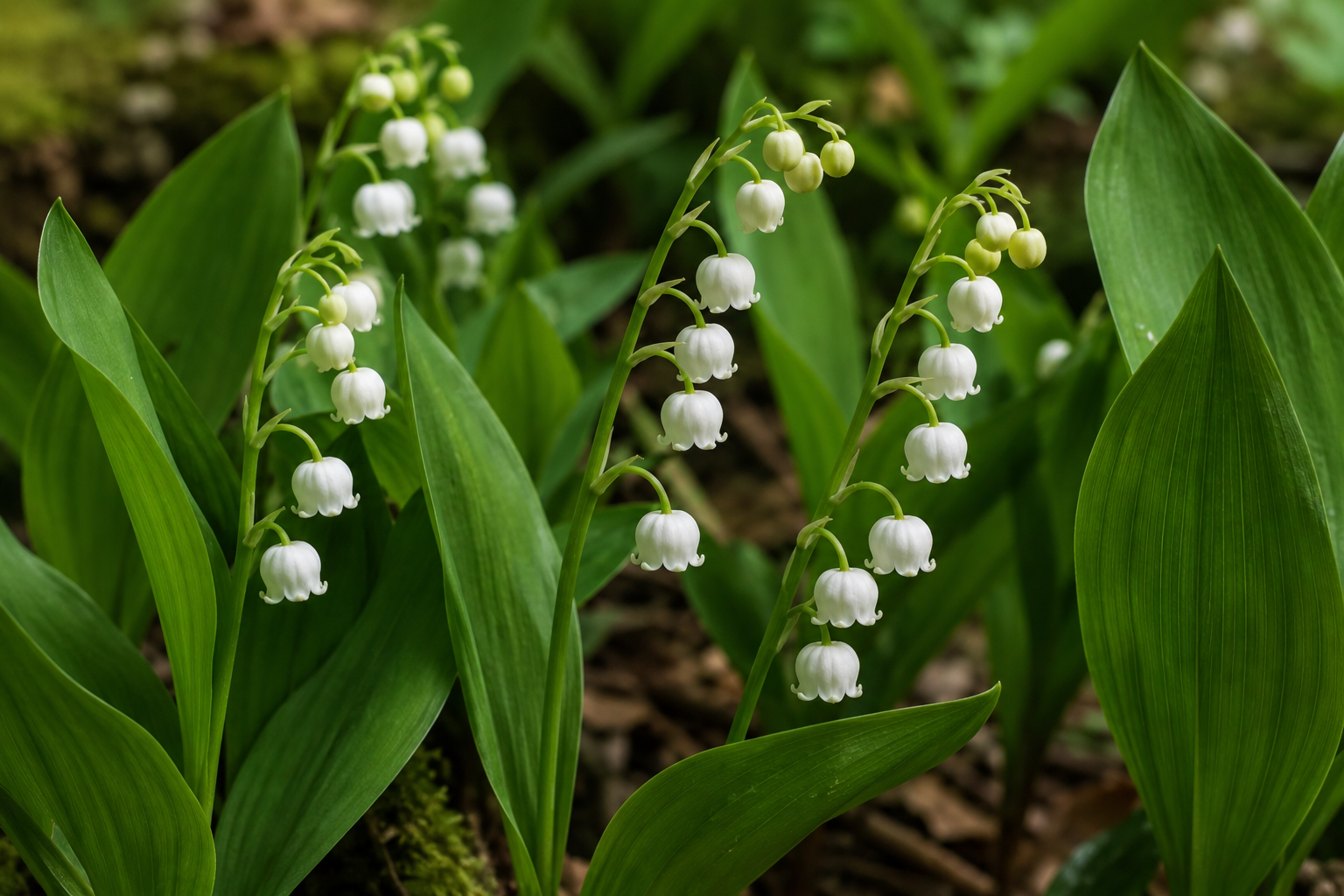
Lily of the Valley: Mary's Tears, and a Poison Beneath the Bells
Brides carry it. France throws a holiday for it. Finland made it the national flower. And every single part of it — stem, leaf, water in the vase — is genuinely dangerous to a human heart. Few flowers wear their contradiction this quietly.
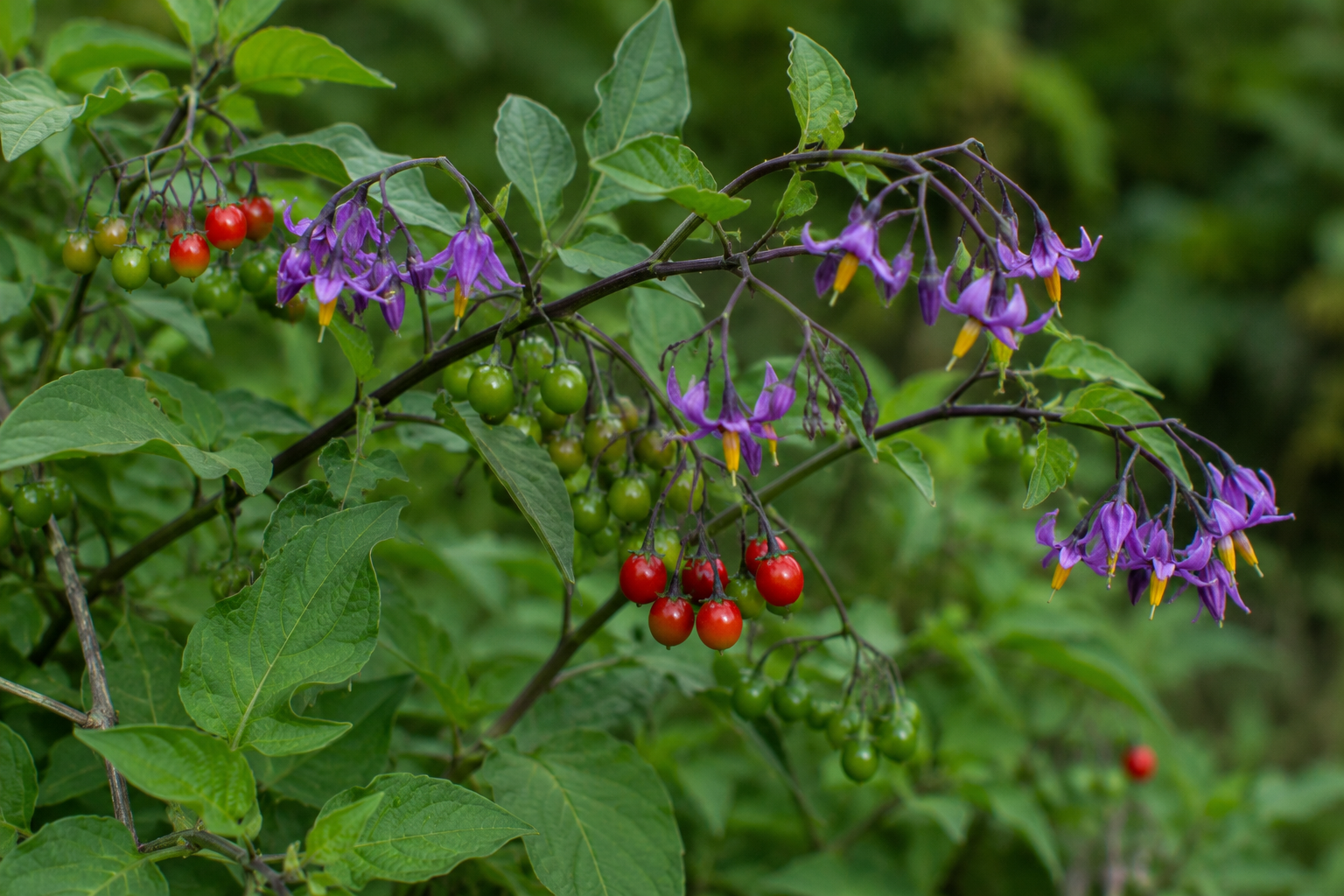
Bittersweet Nightshade: The Vine That Took Its Name From a Taste
One name calls it Judas's herb. Another calls it a symbol of marital fidelity. Both describe the same climbing vine, whose berries taste sweet enough to fool a curious child and dangerous enough to occasionally kill one.
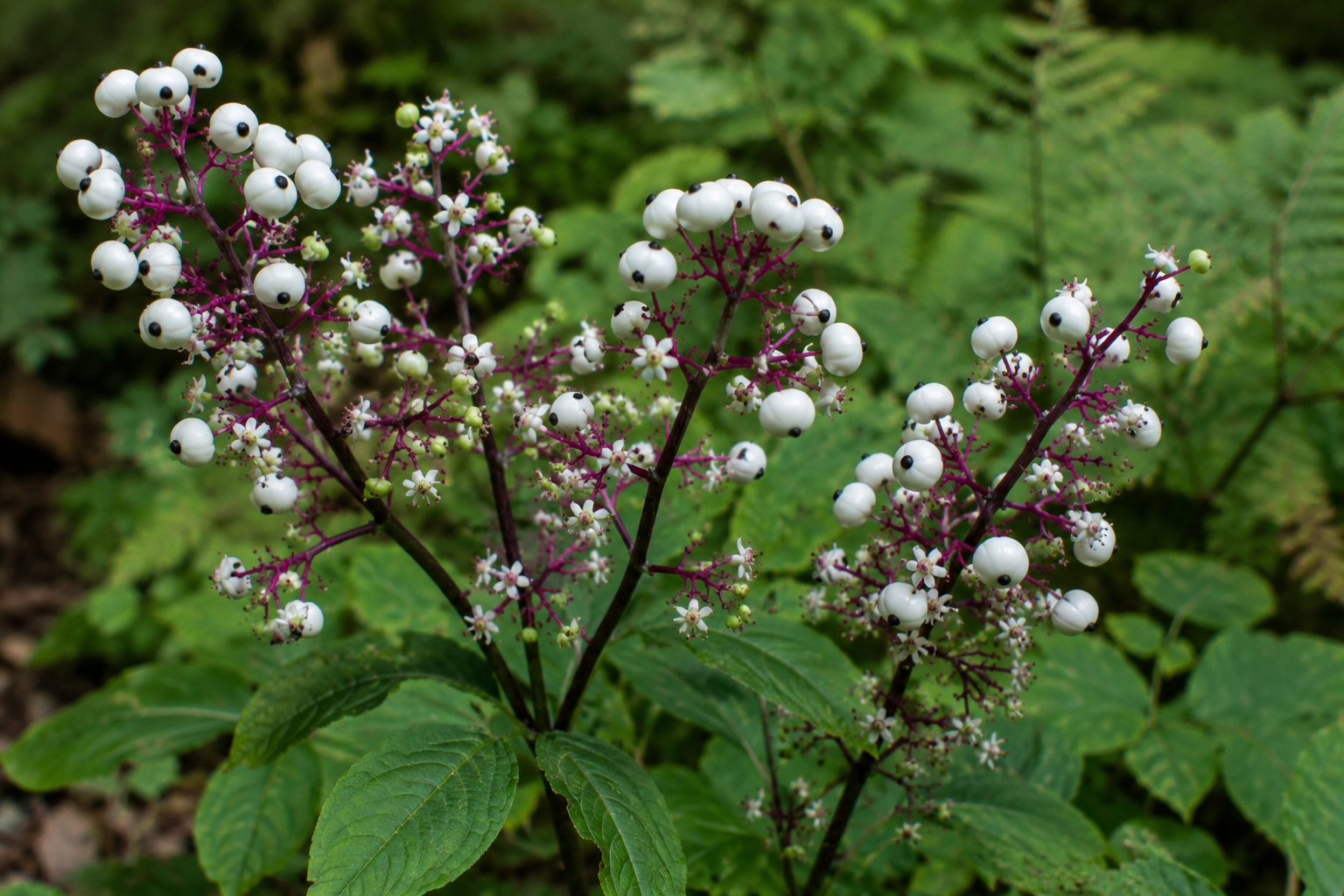
Baneberry: The Plant That Grows Its Own Eyes
Find it in a shaded forest in late summer and it looks like something is staring back — porcelain-white berries, each one marked with a single dark eye, clustered on stems the color of a bruise. The name doesn't soften the warning at all.
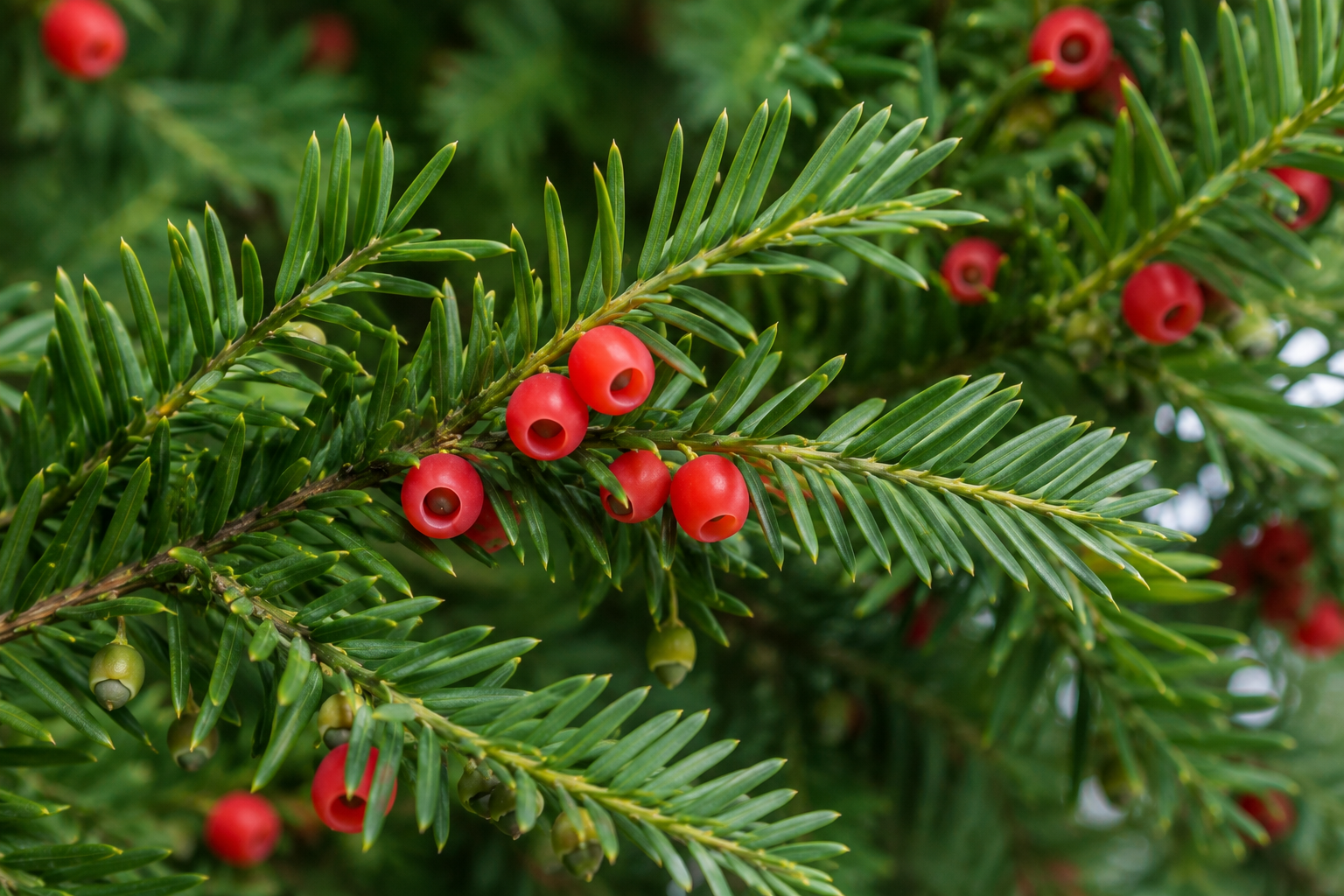
Pacific Yew: The Overlooked Tree That Became a Cancer Cure
It spent centuries as forest debris, burned as waste during logging. Then a botanist logged it as specimen number 1,645 on an ordinary collecting trip, and it became one of the most important cancer drugs in modern medicine — almost killing the species in the process.
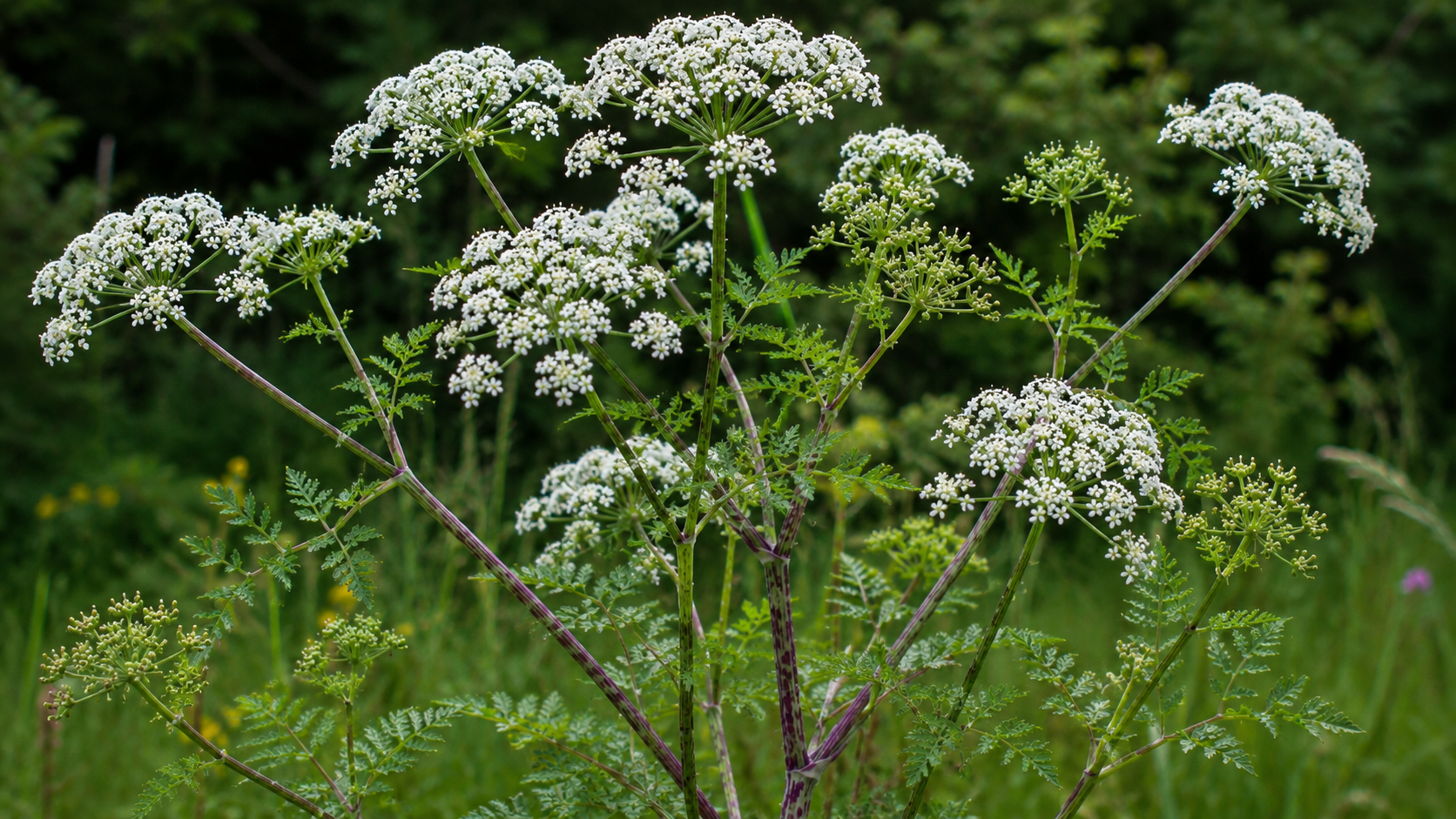
Poison Hemlock: The Cup That Killed Socrates
A philosopher drank it, stayed lucid, and kept talking philosophy as the paralysis climbed his own body one limb at a time. Two thousand years later, this is still the plant history can't stop quoting.
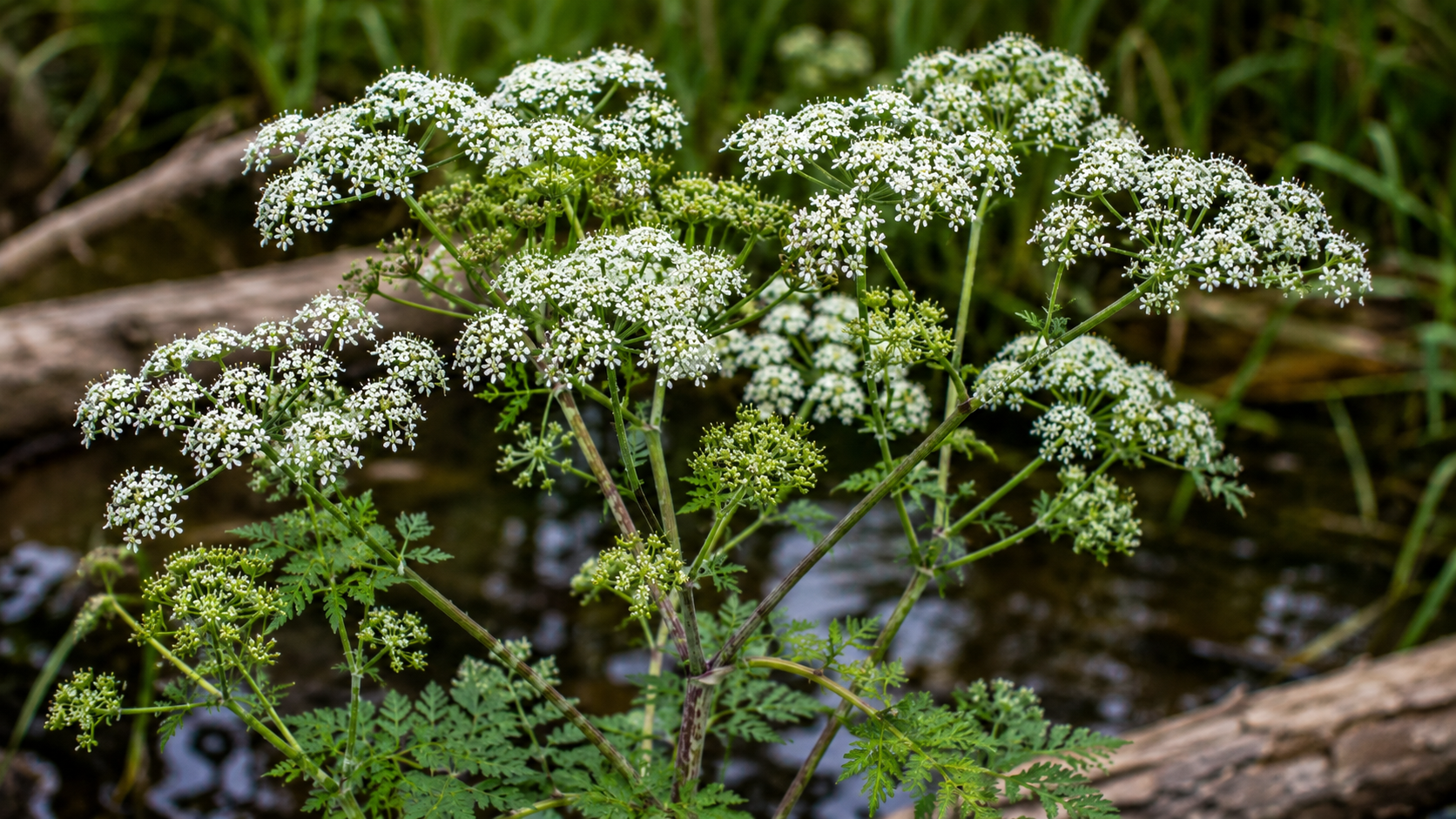
Western Water Hemlock: The Most Violent Poison in North America
No mythology, no flying ointment, no underworld goddess — just the most violently toxic plant in North America, hiding in plain sight among the very plants that fill a spice rack. It doesn't need a legend. The science alone is frightening enough.
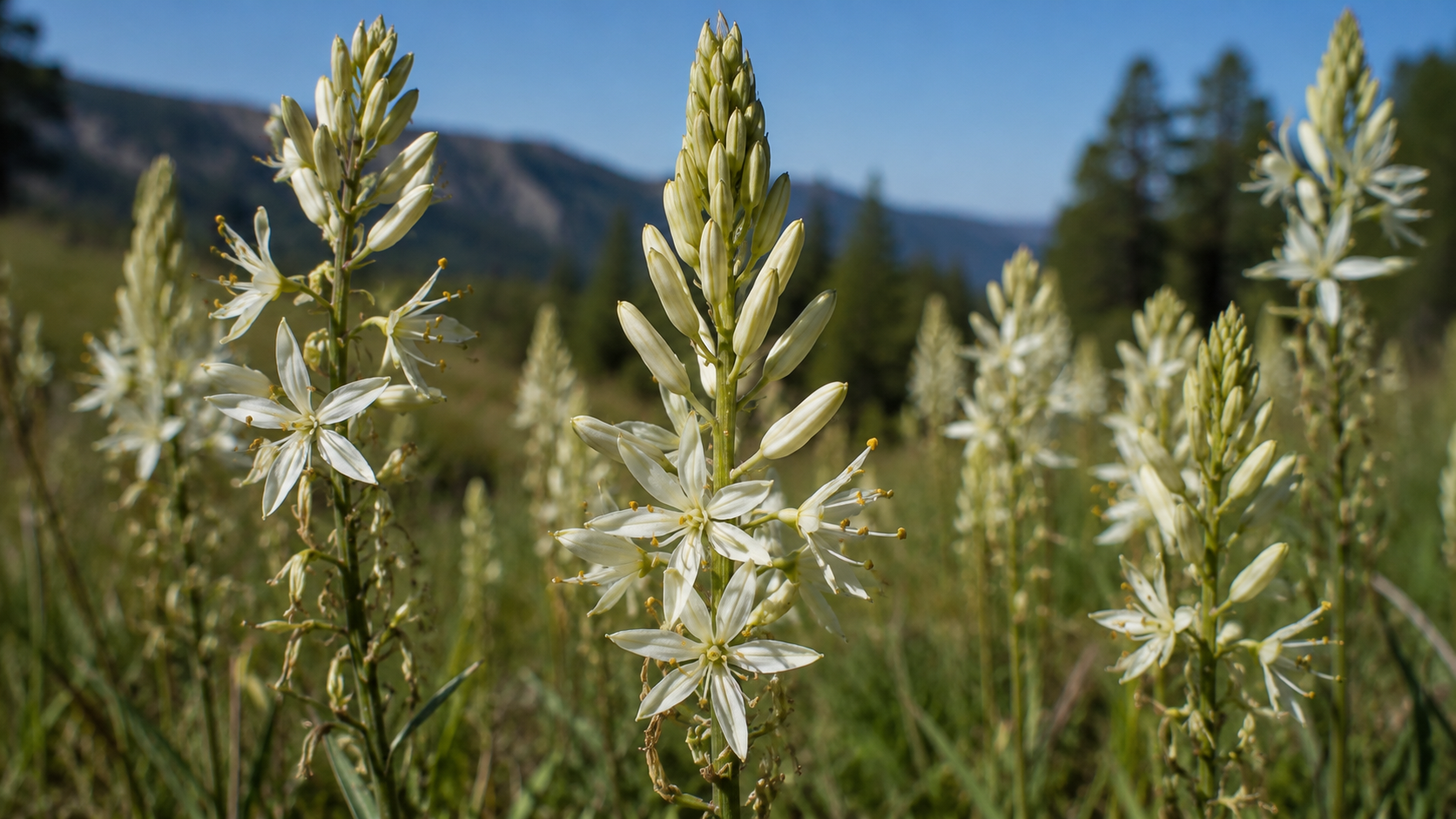
Death Camas: The Poison That Hides in Plain Sight
No flying ointment, no witch trial, no underworld goddess — just a bulb that looks enough like dinner to have killed travelers, settlers, and sheep by the thousands. Sometimes the scariest poison is the one that doesn't bother announcing itself.
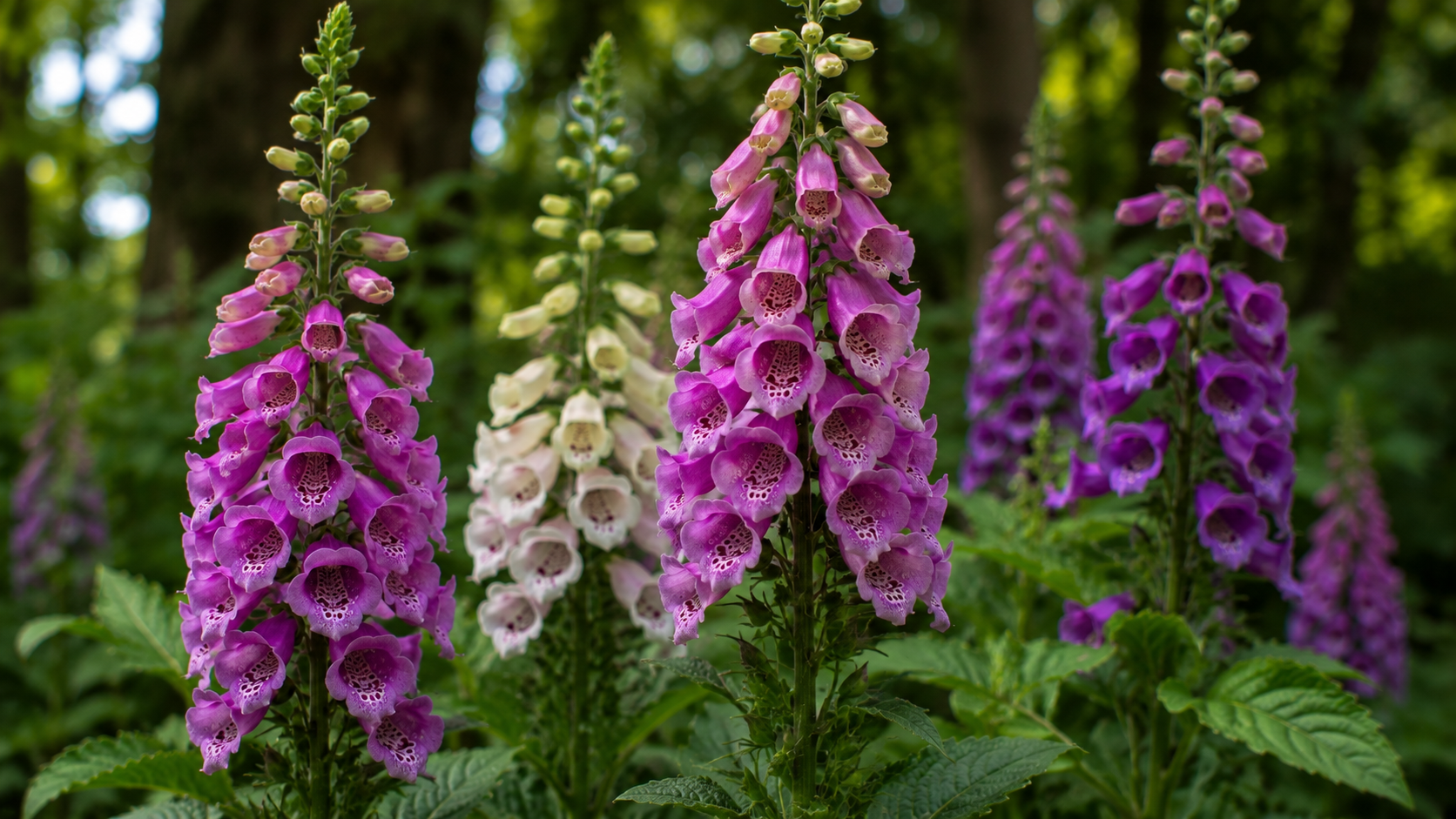
Foxglove: The Fairy's Glove That Stops a Heart
It killed quietly through every part of itself, and saved hearts just as effectively once a Scottish doctor convinced a folk healer to give up her secret. Foxglove never decided whether it belonged to fairies, witches, or the Virgin Mary — so it let the story change depending on who was asking.
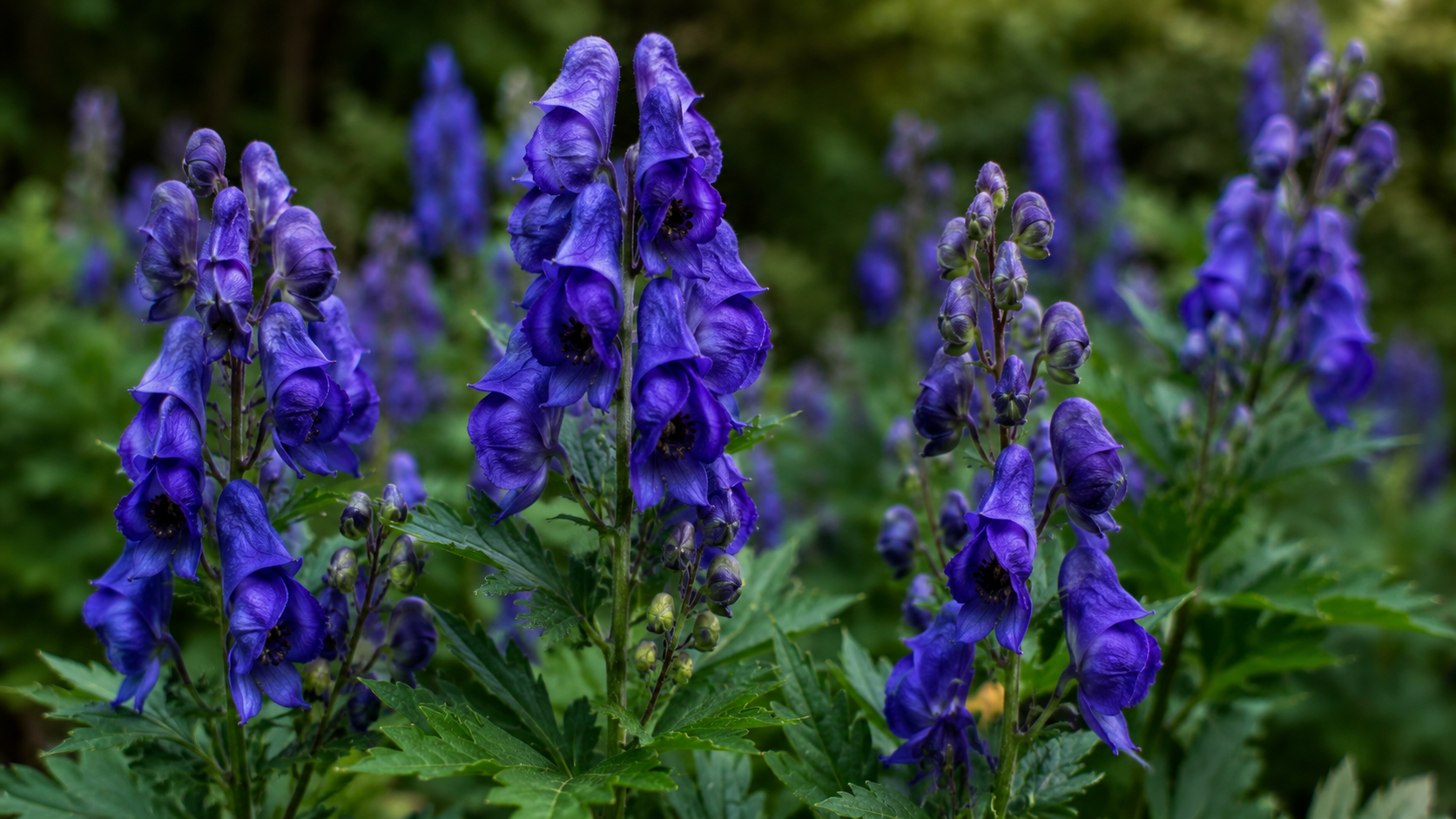
Monkshood: The Plant That Was Born From a Hellhound's Saliva
Hunters on three separate continents, with no contact between them, all reached for the same plant to bring down animals too dangerous to face unarmed. Legend says it grew from the drool of the hound that guards Hell.
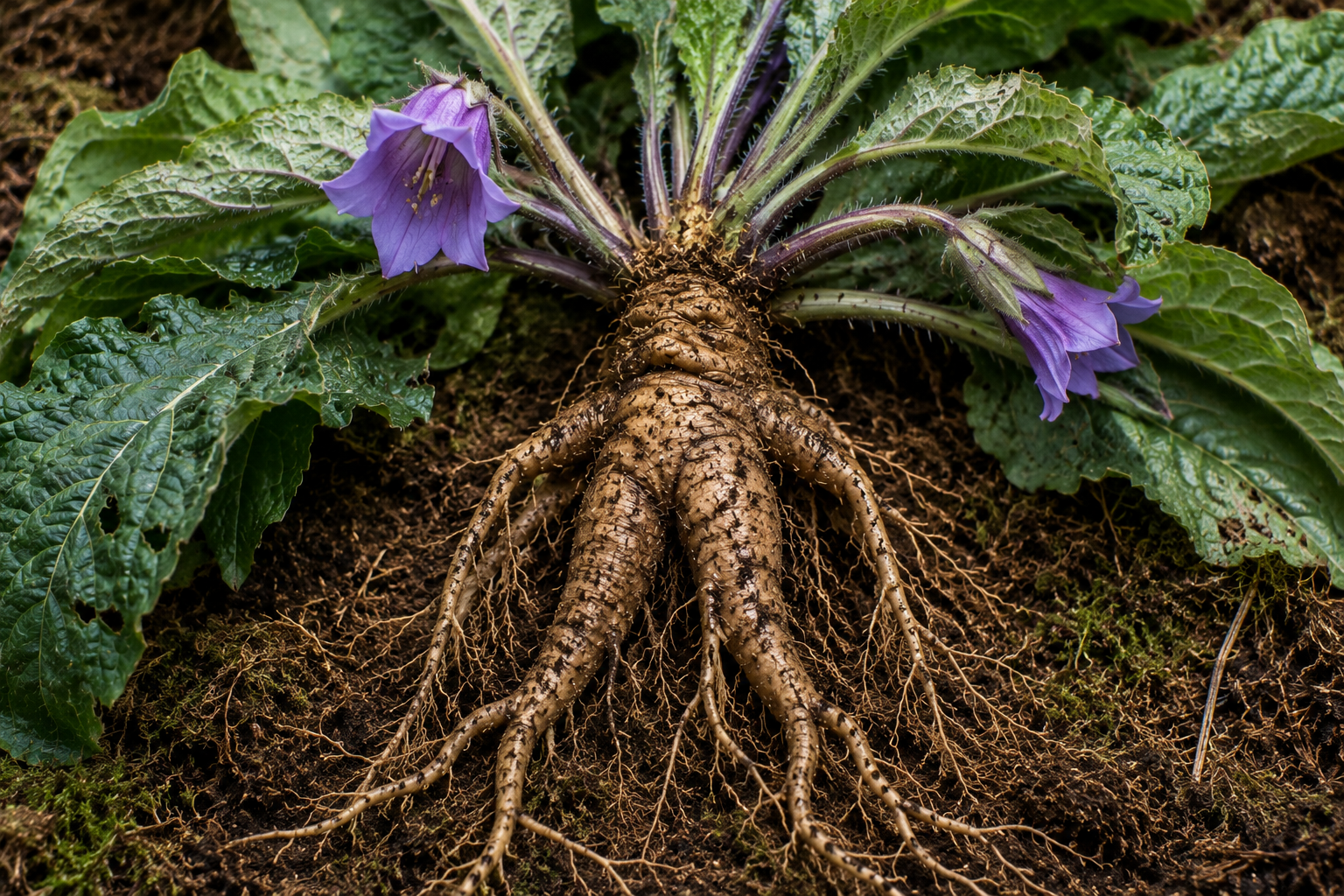
Mandrake: The Root That Screams
For centuries, no one in Europe would touch this root with their bare hands — legend said it screamed loud enough to kill. They tied it to a dog instead. The dog rarely got a say in the matter.
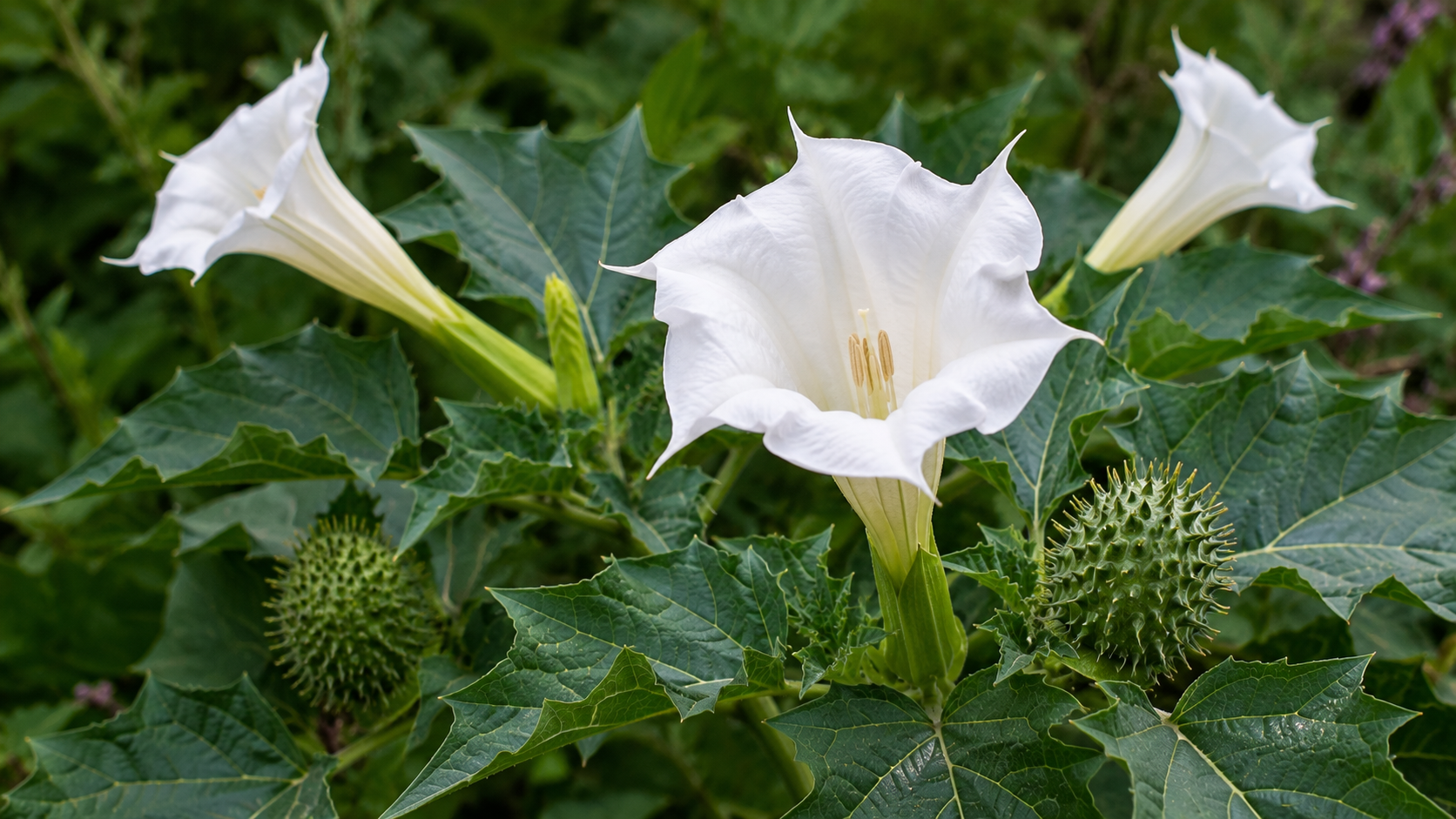
Datura: The Devil's Trumpet That Drives You Mad Before It Kills You
Legend says it grew from a god's throat after he swallowed a poison that could have ended the world. It's also the plant that sent colonial soldiers into days of delirium and convinced Inquisition courts they'd caught witches dancing with the devil.