THE KNOWLEDGE LIBRARY
The old stories did not disappear. They adapted.
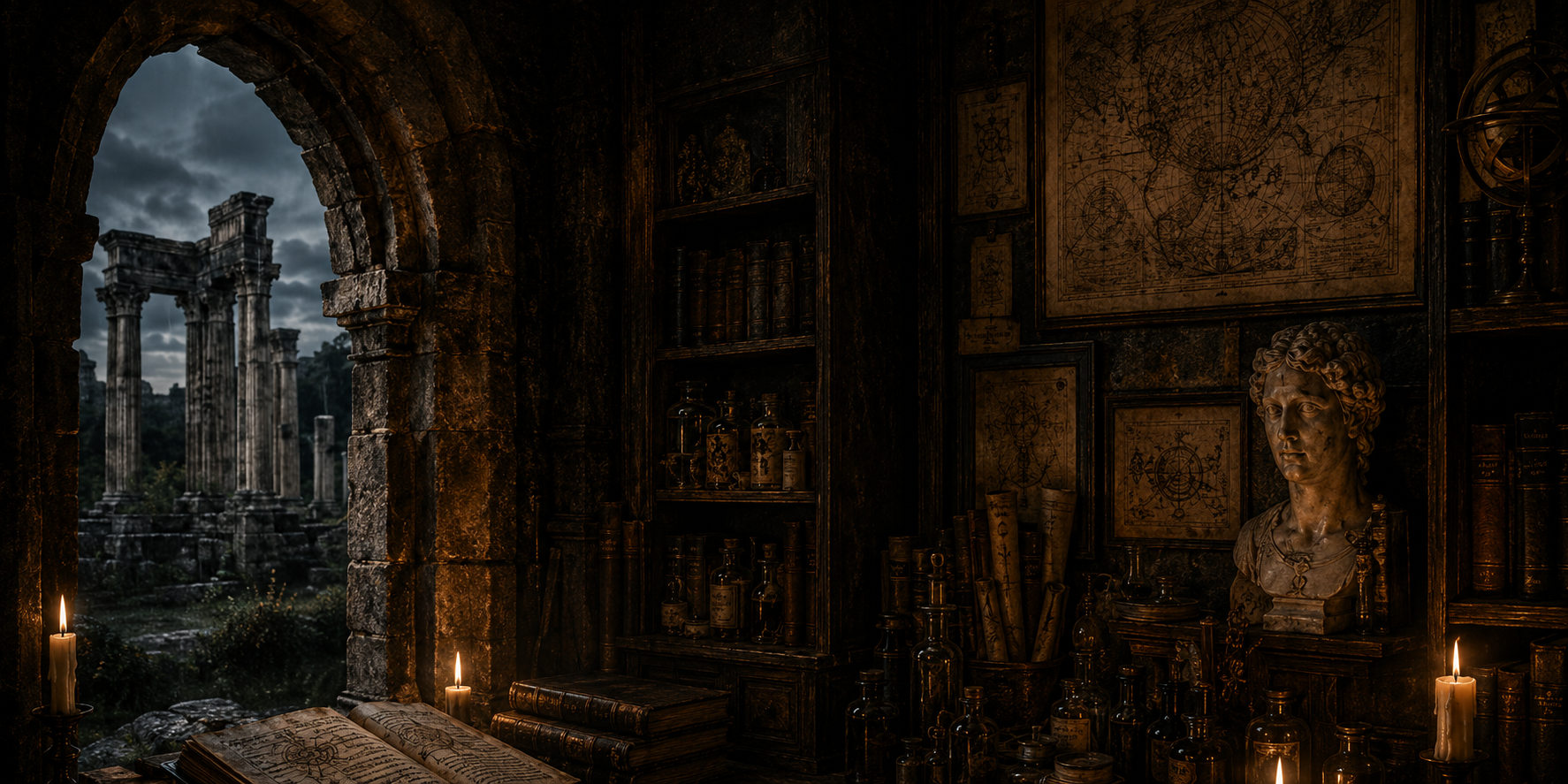
“Beyond these shelves are the myths, symbols, traditions, and fears humanity carried across centuries of war, migration, religion, and reinvention.”
So… what are you looking for?
Currently Whispered About
Stories the world can’t stop talking about.
Researching a deity is not the same as scrolling a correspondence list. Every god emerges from a landscape — shaped by language, politics, ritual, and survival. This study explores how to separate historical record, folklore, and modern reinterpretation, so devotion begins with context instead of assumption.
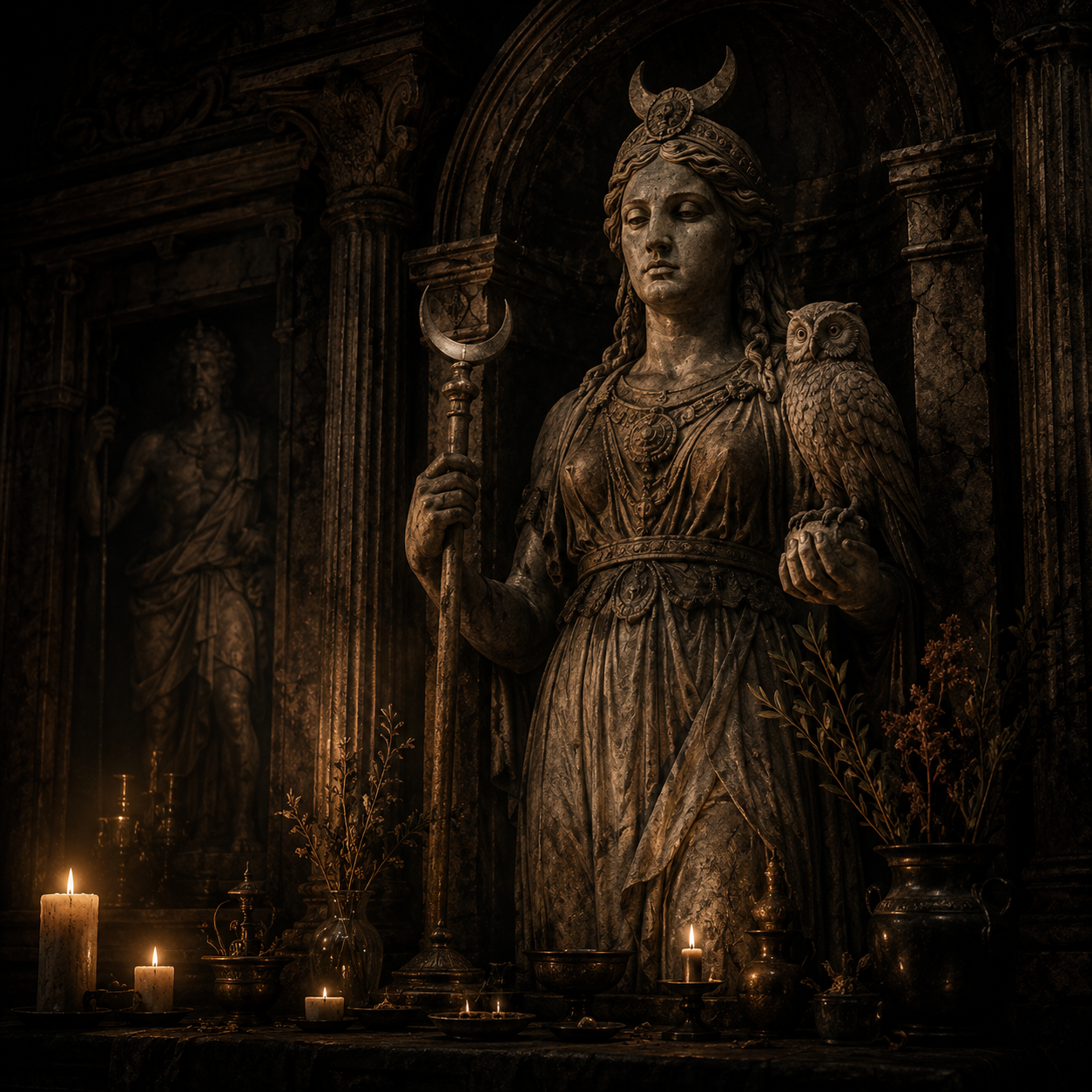
Hecate stands at the threshold of Greek religion — named in early poetry, established in civic cult, and later invoked in rites of liminality and protection. From Hesiod’s dignified praise to the crossroads offerings of the Deipnon, her presence moves between text, stone, and ritual continuity. This article traces her survival through literature, sanctuary, magic, and modern reconstruction without collapsing those layers into a single myth.
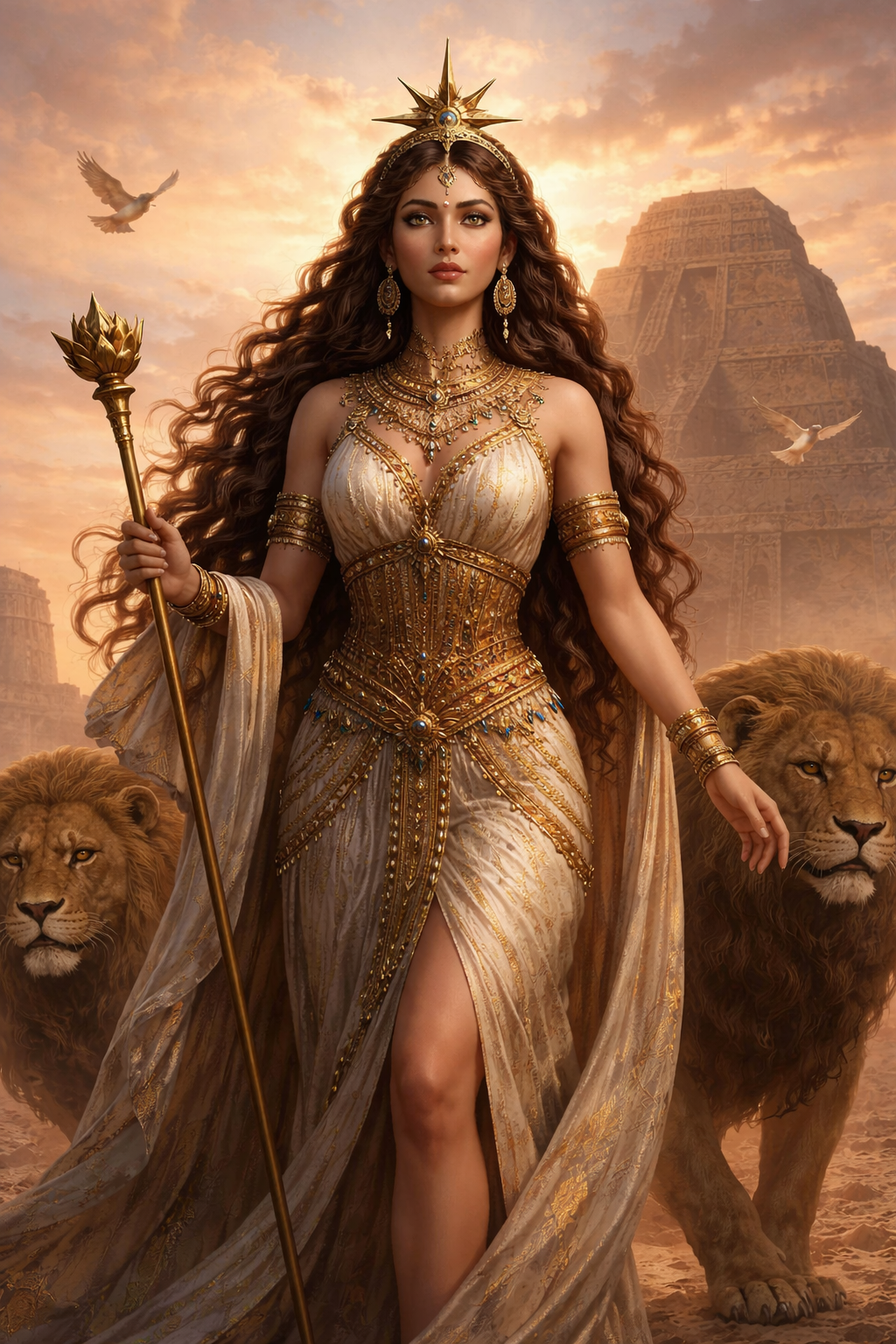
Inanna stands among the most extensively documented deities of ancient Mesopotamia. Preserved in temple hymns, royal inscriptions, and administrative tablets, her record reveals a goddess embedded in the political and cosmological architecture of early urban civilization. This study traces her layered survival across language, empire, and excavation.
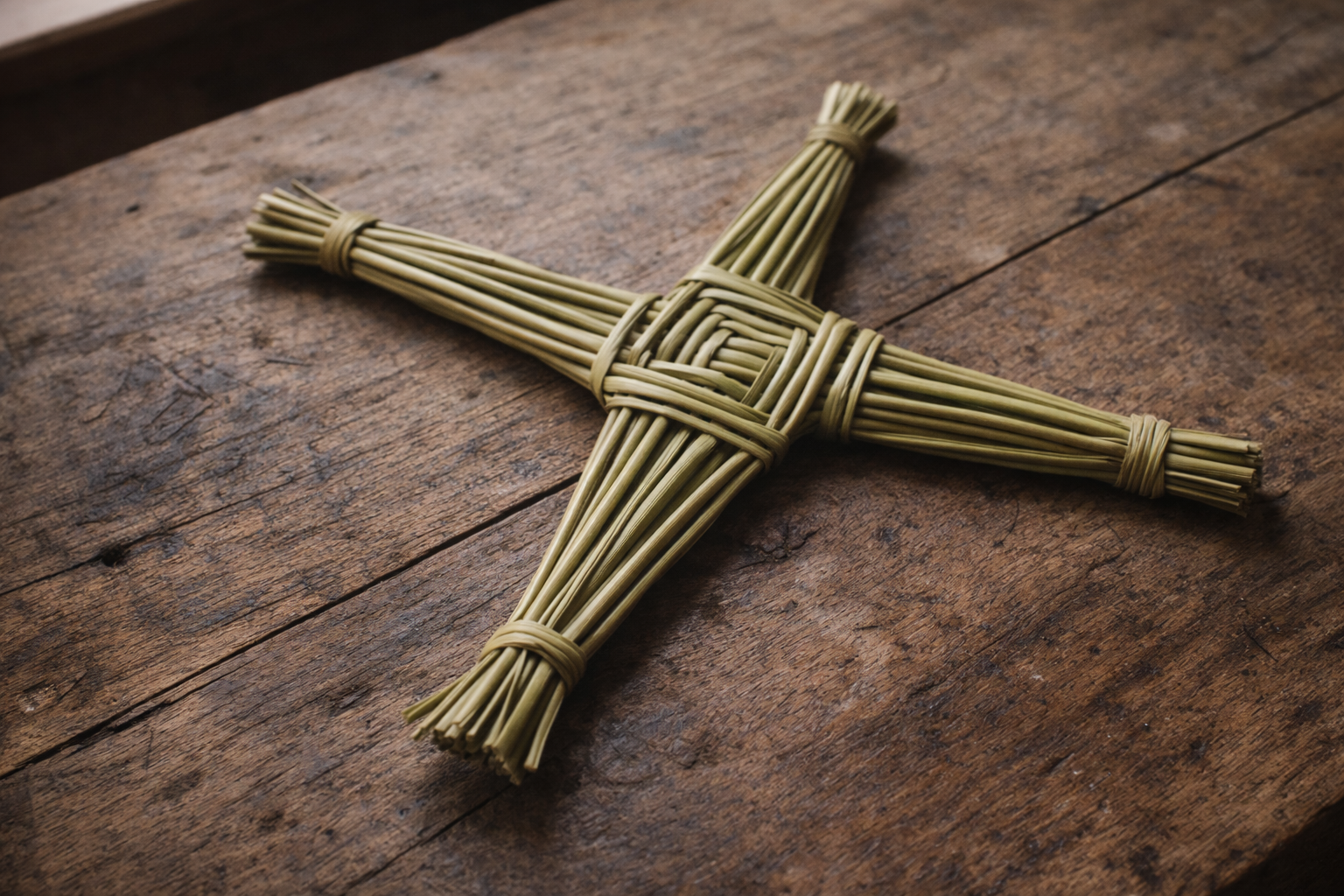
Brigid survives not through epic dominance but through adaptation. Fragmented in early Irish texts, sanctified in medieval Christianity, and carried forward in seasonal rites, her continuity is braided across myth, monastery, and household tradition.
Odin survives not as a single, unified deity but as a layered figure preserved through poetry, medieval prose, archaeology, and modern reconstruction. This study separates primary texts from later interpretation, tracing how the one-eyed god moved from oral tradition to manuscript — and into contemporary imagination.
Druidry is a modern revival of the ancient Celtic priesthood, rooted in reverence for nature, poetry, and ancestral wisdom. With seasonal rituals, creative devotion, and ecological spirituality, it honors the cycles of the earth and the memory of the Druids. Explore how this path blends folklore, myth, and modern imagination into a living tradition of sacred groves and firelit rites.
Celtic Reconstructionism is the revival of ancient Celtic pagan traditions, rooted in myth, ritual, and seasonal cycles. Honoring gods like Lugh, Brigid, and Cernunnos, it weaves folklore, archaeology, and living custom into a modern faith. Explore how the old gods survived in fragments and rise again through ritual, devotion, and the turning of the sacred year.
Heathenry, also called Ásatrú, Forn Sed, and Theodism, revives the Norse and Germanic pagan traditions of Odin, Freyja, and the ancestors. Rooted in sagas, rituals, and values of kinship and honor, it honors gods, spirits, and fate. Discover how this faith survived centuries of suppression to rise again as a living tradition of oath, offering, and community.
Romuva is the modern revival of Baltic paganism in Lithuania, honoring the sun goddess Saule, the thunder god Perkūnas, and the earth mother Žemyna. Rooted in folk song and seasonal ritual, it celebrates cycles of fire, land, and ancestors. Explore how this faith survived centuries of suppression to reawaken as a living tradition of harmony with nature.
“What seems new is often something very old wearing a modern face.”
— Ancient Proverb
Submit to the Archive
If you would like to suggest a topic or share a lead worth investigating, submit it to us for review. Click Here
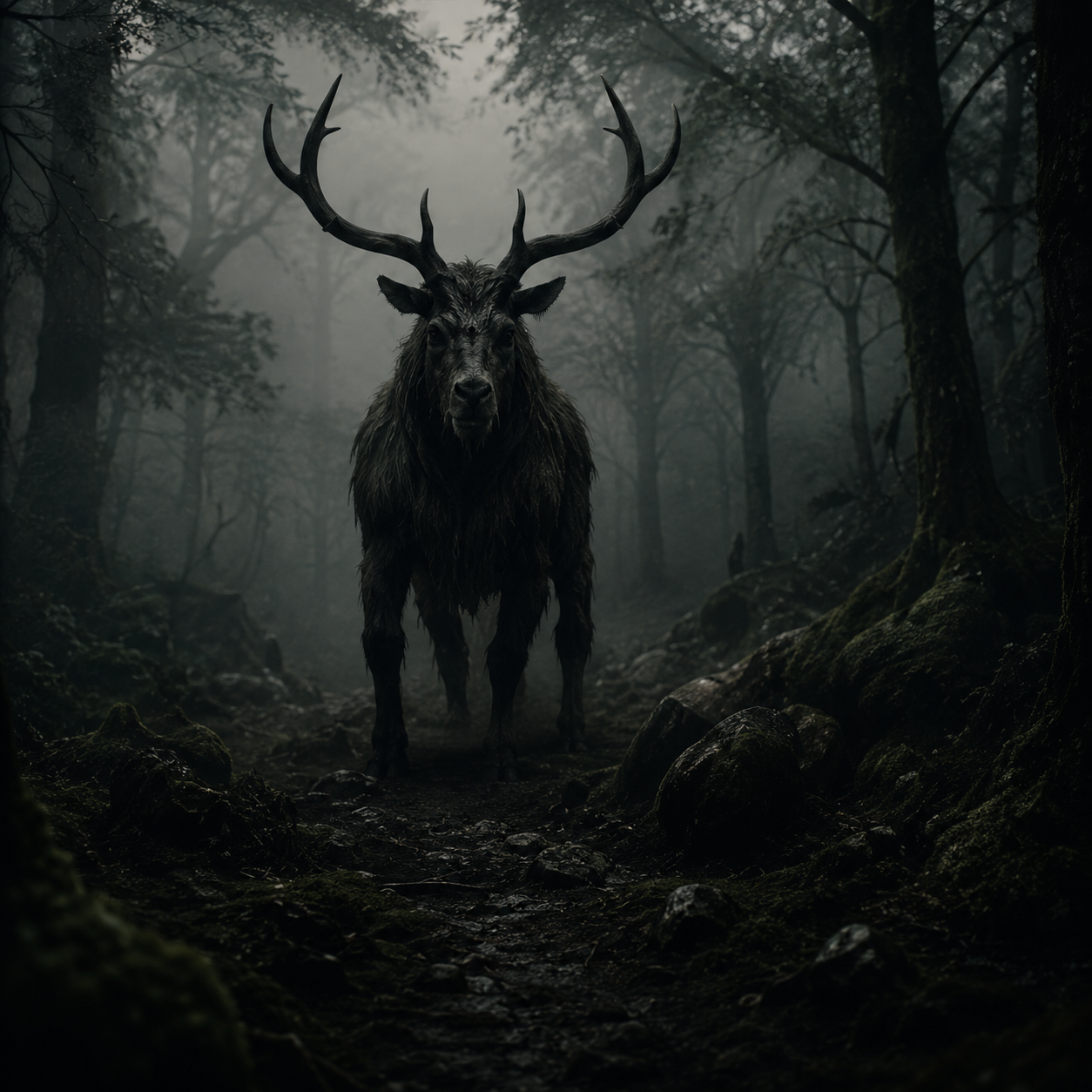
Deep within Romania’s infamous Hoia Baciu Forest lies a barren clearing where vegetation refuses to grow and visitors report whispers, missing time, sudden illness, and the overwhelming sensation of being watched. Long feared in local folklore and later tied to UFO sightings and paranormal investigations, the forest has earned a reputation as one of the most unsettling locations on Earth — a place where people enter curious and sometimes leave changed.