TOXIC BOTANICALS
Some plants learned early that beauty was the better weapon. A vivid berry, a trumpet-shaped bloom, a root that smells faintly of something familiar — nature has always known how to make poison look like an invitation.
This chamber of the archive is dedicated to the plants that kill, hallucinate, paralyze, and corrupt — and to the long human history of knowing exactly what they were and using them anyway. Poisoners kept them. Healers depended on them. Witches were accused of brewing them. Physicians extracted their alkaloids and called it medicine. The line between remedy and ruin has always been the same line: dosage.
🜂 A
Aconite
See: Monkshood. Aconitum napellus is the most acutely toxic plant in the European flora — a distinction it has held without serious competition for the entirety of recorded history. The alkaloid aconitine disrupts sodium channels in nerve and heart tissue, producing burning, numbness, paralysis, and cardiac arrest in a progression that ancient physicians documented with disturbing precision because they needed to know what they were dealing with. Greek mythology grew it from the saliva of Cerberus, dragged unwillingly to the surface world by Heracles — a plant literally born of the underworld's guardian, belonging to no world above. Hecate tended gardens of it. Medieval witchcraft tradition placed it in flying ointments alongside henbane and belladonna, the combination of alkaloids producing transdermal absorption with genuinely dissociative effects at subtoxic doses. Homeopathic aconite — diluted to therapeutic safety — remains in clinical use. The plant in the garden is not diluted. It is the most dangerous flowering plant a person in the Northern Hemisphere is likely to encounter, which is part of why it is so frequently planted in cottage gardens by people who do not know what it is. It does not announce itself.
Akee (Blighia sapida)
The national fruit of Jamaica — legally exported, celebrated in cuisine, served at state dinners — is deadly if eaten at the wrong moment. Unripe akee contains hypoglycin A and B, which cause Jamaican vomiting sickness: hypoglycemia severe enough to be fatal, particularly in children and malnourished adults. The fruit must be fully ripe, naturally opened, and properly prepared before consumption; the seeds and the inner membrane are toxic regardless of ripeness. Named for Captain Bligh, who transported it to the Caribbean from West Africa in 1793, akee is a plant that requires knowledge to be safe — the same fruit that nourishes when correctly prepared and kills when hurried through the preparation is a compressed lesson in the relationship between knowledge and danger that this entire section exists to explore.
full entry coming soon
Amanita (Death Cap, Destroying Angel, Fly Agaric)
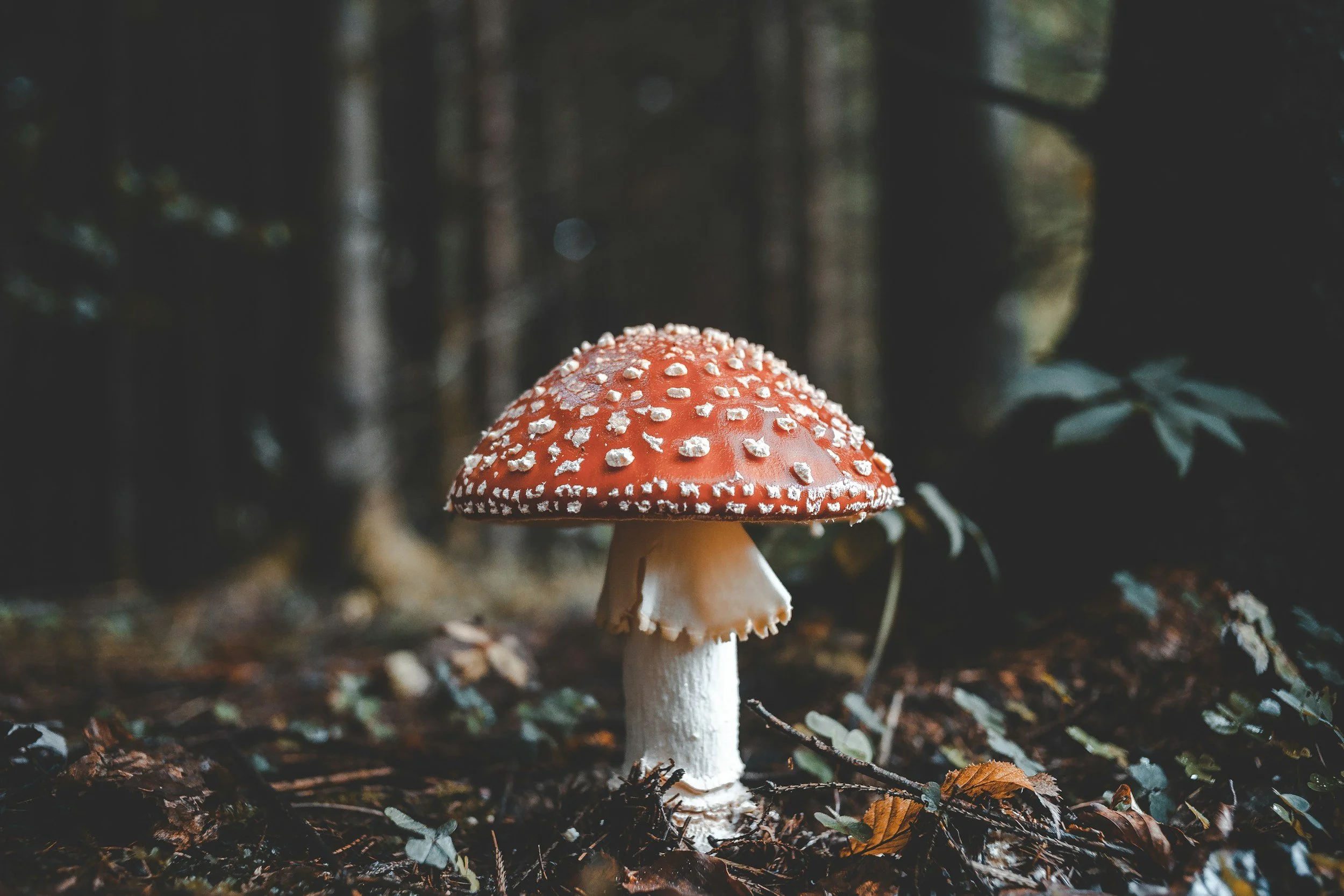
The Amanita genus is responsible for approximately 90% of fatal mushroom poisonings worldwide, and it produces three distinct toxicological stories worth telling separately. The Death Cap (Amanita phalloides) contains amatoxins that inhibit RNA polymerase II, shutting down protein synthesis in the liver and kidneys over a deceptively delayed timeline: symptoms may not appear for 6–24 hours after ingestion, by which time the toxin has already done its work. By the time the patient is visibly ill, the damage is typically irreparable. There is no reliable antidote. The Destroying Angel (Amanita bisporigera, virosa, ocreata) contains the same amatoxins at comparable concentrations and is pure white — clean, featureless, offering no visual warning whatsoever. Both can be and have been mistaken for edible species: the Death Cap for the paddy straw mushroom (Volvariella volvacea), the Destroying Angel for button mushrooms. The misidentification is consistent enough that it accounts for the majority of fatal European and North American poisonings. Fly Agaric (Amanita muscaria) — the red-capped, white-spotted mushroom of every fairy tale illustration — is a different story: ibotenic acid and muscimol cause intoxication, disorientation, and in the Siberian shamanic tradition, a documented visionary experience used in ceremony by practitioners who understood the dose. The urine of someone who has consumed fly agaric retains the psychoactive compounds and was reportedly consumed for this reason in traditions where the mushroom itself was scarce. The Amanita genus is the archive's clearest argument for why the knowledge matters: the deadly and the visionary grow in the same genus, often in the same forest, and the difference between them requires more than casual familiarity to navigate safely.
Angel's Trumpet (Brugmansia)
The large, pendant, trumpet-shaped flowers of Brugmansia — white, yellow, pink, or orange, intensely fragrant at night — are among the most beautiful things a garden can produce and among the most dangerous plants available at an ordinary nursery. All parts contain tropane alkaloids (scopolamine, atropine, hyoscyamine) in concentrations higher than most of the classic witchcraft plants, enough to cause severe anticholinergic toxidrome: dry mouth, dilated pupils, hyperthermia, confusion, hallucination, and death. In Andean shamanic tradition Brugmansia was used in healing and divination ceremonies under controlled conditions by trained practitioners who understood both the plant's power and its margin. The plant sold as a decorative patio specimen in most Western garden centers is the same plant. The instructions on the label do not mention this.
full entry coming soon
Arum (Lords and Ladies / Cuckoo Pint)
Arum maculatum — lords and ladies, cuckoo pint, jack-in-the-pulpit in its American relative, naked boys, and at least a dozen other folk names that reflect both its spring arrival and its distinctly phallic spadix — is a plant of remarkable biological ingenuity and considerable toxicity. The spathe and spadix that emerge in spring produce heat through thermogenesis, warming the flower to attract the small insects that pollinate it; the insects are temporarily trapped inside the spathe by downward-pointing hairs, dusted with pollen, and released when the hairs wilt. The bright red berries that follow in autumn are attractive to children, containing calcium oxalate crystals and aroin — causing intense burning of the mouth and throat, blistering, and potentially airway swelling if sufficient quantity is consumed. The starchy corm was processed into Portland arrowroot in medieval England, the repeated washing required to remove the toxins making it labor-intensive enough that it was eventually abandoned for other starches. The plant that traps insects, heats itself from within, and was processed by people who understood exactly what they were dealing with — the arum is the archive's best argument that nothing in the natural world is simply dangerous. Everything dangerous is also doing something else.
Autumn Crocus (Colchicum autumnale)
It blooms without leaves in autumn — bare purple flowers emerging from bare ground — then produces leaves in spring before the seeds ripen in summer, its life cycle inverted enough from most flowering plants to read as inherently suspicious. The confusion with edible wild garlic and ramsons has killed people. Colchicine, the primary alkaloid, disrupts cell division by binding to tubulin, which is why it has been used in gout treatment for over two thousand years (it inhibits the inflammatory response of white blood cells) and why it requires extremely careful dosing — the therapeutic and toxic doses are uncomfortably close together. It appears in Greek accounts of the sorceress Medea, who used it in preparations. Modern oncology uses colchicine derivatives in cancer research. The plant Medea knew and the plant in the contemporary pharmacopoeia are the same plant, treating the same cellular machinery through the same mechanism, for entirely different stated purposes.
🜃 B
A woodland perennial easy to overlook until its berries ripen — porcelain-white, each one marked with a single black dot, clustered on stems so vividly pink they look almost artificial. The "doll's eyes" nickname undersells how genuinely unsettling the effect is in person. Contains a cardiogenic toxin that has never been fully identified, capable of triggering cardiac arrest within thirty minutes of ingestion in a serious dose, alongside vomiting, dizziness, and delirium. The berries' intense bitterness makes accidental overconsumption rare, and no confirmed U.S. deaths exist, though a related European species has killed children. Birds eat the fruit freely and spread the seed; nearly every other animal that tries is in for a much worse outcome. A plant that announces its danger visually before anyone reads a warning label.
Belladonna (Deadly Nightshade)
Atropa belladonna takes its genus name from Atropos — the Fate who cuts the thread — and its species name from the Renaissance Italian practice of using diluted eye drops to dilate pupils to a size considered fashionably alluring, which is either vanity taken to its logical extreme or a beauty practice with the most honest possible name. The berries are sweet-tasting and glossy black, which is why children die eating them with some regularity throughout history; the root is more toxic still, and the toxicity is inconsistent between individuals and preparations. The alkaloids — atropine, scopolamine, hyoscyamine — are still in clinical use: atropine for bradycardia, scopolamine for motion sickness and surgical sedation, both for pupil dilation in ophthalmology. The same compounds the medieval poisoner reached for are the ones administered intravenously in modern emergency medicine, at doses determined by pharmacology rather than folklore. Hecate's plant. Circe's plant. The witch's garden plant most likely to appear in a Victorian novel as the murder method. It earned every association it carries.
Uvularia grandiflora — large-flowered bellwort, wild oats — is a gentle woodland plant of the eastern North American forest floor, its pale yellow drooping flowers emerging with the spring ephemerals and its leaves sometimes confused with those of Solomon's seal (Polygonatum) and, more dangerously, with false hellebore (Veratrum viride) before the plants have fully developed their distinguishing characteristics. Uvularia itself is not significantly toxic — some sources suggest mild gastrointestinal upset from large quantities, but it does not carry the alkaloid burden of the plants it most resembles at vulnerable stages of growth. It earns its place in the toxic botanical archive not for what it contains but for what it is confused with: a plant whose early-spring identification requires distinguishing it from one of the most dangerous misidentification risks in North American foraging. Knowing what something is not is sometimes as important as knowing what it is.
Bittersweet Nightshade (Solanum dulcamara)
The smaller, less deadly relative of belladonna — found scrambling through hedgerows across Europe and North America, producing berries that ripen from green to yellow to red to black in clusters on the same stem simultaneously — is toxic but rarely fatal to adults in ordinary exposure, which has given it a somewhat relaxed folkloric reputation compared to its larger cousin. The name "bittersweet" refers to the taste of the berry: initially bitter, then sweet, which is either a warning or an accurate description of how the plant operates in folk symbolism — associated with the complexity of love, with things that are both pleasant and harmful, with the difficulty of leaving what is familiar even when it is not good. In folk medicine it was used for skin complaints. In folk magic it was carried to ward witchcraft and break spells. It was, somewhat awkwardly, also believed to be a witch's plant. The nightshade family contains multitudes.
Black Henbane (Hyoscyamus niger)
The sticky, foul-smelling annual with its pale yellow flowers veined in purple — growing on disturbed ground, roadsides, and the edges of settlements — was the witchcraft plant of choice in early modern European trial testimony, appearing in confessions about ointments, potions, and the means by which accused women claimed to have traveled to sabbath. The alkaloids (hyoscyamine, scopolamine) are genuinely absorbed through skin in oil preparations; the resulting dissociation and vivid hallucination was experienced and described by the pharmacologist Gustav Schenk, who applied a henbane preparation and documented the sensation of flying — legs too light, a rushing forward through darkness — before losing coherent memory of the subsequent hours. The confessions were not entirely fabricated. What was experienced as flight and sabbath was pharmacologically real as experience. Whether it was real as event is the question the trials never actually asked. See also: Dried Herbs, Botanical Oils.
Black Locust (Robinia pseudoacacia)
The North American tree — widely planted in Europe since the 17th century for its fragrant white flowers, its rot-resistant timber, and its rapid growth — produces bark, leaves, and seeds containing robin, a phytotoxin that inhibits protein synthesis and causes nausea, weakness, and in serious cases heart failure. The flowers are edible and made into fritters in European folk cuisine; the honey produced from them is among the finest available. The same plant whose flowers are eaten and whose honey is prized carries toxins in its bark that have caused significant poisoning in horses, cattle, and humans who consumed prepared bark preparations. A tree whose flowers are safe and whose bark is dangerous is a tree that requires the specific kind of knowledge that tells you which part you are working with — the knowledge that this archive exists to preserve.
full entry coming soon
🜄 C
Castor Bean (Ricinus communis)
The ornamental plant sold in garden centers for its dramatic tropical foliage — large, lobed, bronze or green leaves on tall stems — produces the seeds from which castor oil is pressed and from which ricin can be extracted. Ricin is among the most toxic naturally occurring substances known: a single milligram is lethal to a human adult, and there is no antidote. The 1978 assassination of Bulgarian dissident Georgi Markov, killed by a ricin-loaded pellet fired from an umbrella on Waterloo Bridge in London, demonstrated the protein synthesis inhibitor's capacity for covert lethality in a way that lodged in the cultural memory. The castor oil pressed from the same seeds — after the ricin-containing mash is separated — is safe and extensively used in medicine and cosmetics. A plant this dangerous and this useful, growing in parks and gardens worldwide primarily for its appearance, is the toxic botanical archive's clearest example of the gap between what something looks like and what it is.
Celandine, Greater (Chelidonium majus)
The bright orange-yellow sap of greater celandine — which bleeds from any broken stem with an intensity that made the plant obvious to any observer — was used in folk medicine for warts, eye complaints, and jaundice (the yellow sap and the doctrine of signatures doing their usual work). The sap is genuinely caustic enough to burn warts; the folk use was pharmacologically justified. The plant also contains isoquinoline alkaloids that cause liver toxicity in quantity, which is why the enthusiasm with which it was incorporated into 20th century herbal hepatitis treatments was eventually moderated by clinical evidence. It was sacred to swallows in Greek tradition — chelidon means swallow — believed to bloom when they arrived and wither when they left, and to be used by parent swallows to restore the sight of their blind chicks. The plant with corrosive orange sap used for eye complaints is, again, the doctrine of signatures at work in a direction that required either great faith or very careful dosing.
full entry coming soon
Clematis
The beloved flowering vine of cottage gardens — producing white, purple, or pink blooms across fences and pergolas throughout the temperate world — contains ranunculin, which converts to protoanemonin when the plant is crushed or damaged, causing skin irritation, blistering, and mucous membrane damage if ingested. Beggars in medieval Europe reportedly used clematis sap deliberately on their skin to produce dramatic ulcers and sores that elicited more charitable response — an application that gave the plant one of its folk names: beggar's herb, traveller's joy, or in the German tradition, Bettlerblume. The same plant covering the garden fence with cheerful blooms and being deliberately applied to skin to simulate disease is working at both ends of the human capacity for creativity with available resources.
full entry coming soon
Conium maculatum — poison hemlock, the plant that killed Socrates — produces coniine and related alkaloids that block neuromuscular junctions, causing an ascending paralysis that begins in the extremities and works upward to the respiratory muscles. Death is by suffocation while the mind remains clear — Plato's account of Socrates' death describes the philosopher discussing the immortality of the soul as the numbness climbed his legs, which is either a remarkable demonstration of philosophical commitment or evidence that coniine's action on the brain allows clarity until near the end. The plant grows in disturbed ground and damp places throughout Europe and North America, regularly mistaken for wild parsley, wild carrot, or elderflower by foragers without sufficient botanical training. The mistakes are consistently fatal. The plant has no antidote. Hemlock was the Athenian state's official method of judicial execution, which may tell you something about the Athenians.
Convallaria (Lily of the Valley)
The delicate, bell-shaped white flowers that smell of spring and appear in bridal bouquets, in Christian legends of the Virgin's tears, in Victorian floriography as the return of happiness — all parts are toxic, containing cardiac glycosides (convallotoxin among them) that disrupt the heart's electrical system in a manner similar to digitalis. The red berries are particularly attractive to children. The water in a vase of lily of the valley becomes toxic. Medieval legend that it sprang from Eve's tears leaving Eden, or from the blood of Saint Leonard shed fighting a dragon, gave it a sanctified status that obscured its danger in folk tradition. The gap between its appearance — small, white, innocent, fragrant — and its pharmacological reality is as wide as any plant in this archive. See also: Floral Allies.
Coyotillo (Karwinskia humboldtiana)
The shrub native to the Chihuahuan Desert and used in folk medicine by indigenous peoples of northern Mexico and the American Southwest produces berries whose toxins — anthracenone compounds — cause a delayed-onset ascending paralysis over days to weeks after ingestion, mimicking Guillain-Barré syndrome closely enough that misdiagnosis was common before the plant's action was understood. Livestock deaths have been documented consistently across the range; human poisonings occur regularly enough in border communities that the plant has a well-documented clinical literature. Its folk name, coyotillo, suggests the same ambivalent relationship with the trickster that other border-crossing plants carry — the small thing in the scrub that is more dangerous than it appears, operating on a delayed schedule that makes attribution difficult.
full entry coming soon
🜁 D
Daphne
The small, intensely fragrant ornamental shrub — beloved in winter gardens for its flowers that smell disproportionately lovely for something so small and blooming in February — is toxic in all parts, the berries particularly so. The alkaloids cause burning in the mouth, severe gastrointestinal distress, and in serious cases, kidney failure. The mythological Daphne was transformed into a laurel to escape Apollo's pursuit — the plant named for her is not laurel but carries its own version of the myth's logic: beautiful, fragrant, and ultimately unreachable in the sense that proximity has consequences. Folk medicine used the bark as a vesicant — a blister-raising agent for the treatment of specific conditions — which is an application that correctly identifies the plant's capacity for damage and redirects it therapeutically, which is most of what folk medicine did with toxic plants when it wasn't avoiding them entirely.
full entry coming soon
Datura (Jimsonweed / Devil's Trumpet)
Datura stramonium — jimsonweed, thornapple, devil's snare — is the Old World and American weed version of the genus whose ornamental relatives (Brugmansia) are sold in garden centers, containing the same tropane alkaloids at concentrations that vary unpredictably between individual plants, seasons, and growing conditions. This variability is what makes datura specifically dangerous: the margin between a visionary experience and a fatal one cannot be reliably calculated from the plant's appearance. Indigenous traditions of the American Southwest and California used Datura wrightii in coming-of-age ceremonies under careful supervision by experienced practitioners who understood both the plant and the individuals being guided through it. The supervision was not ceremonial decoration; it was the difference between initiation and death. Contemporary recreational use without this framework accounts for a consistent stream of emergency room admissions and occasional fatalities. The plant has not changed. The framework has been lost. See also: Floral Allies, Dried Herbs.
Deadly Nightshade
See: Belladonna. The common name and the Latin name for the same plant are both entries in the archive because the folklore attached to each name is slightly different — Atropa belladonna carries the physician's history, the cosmetic history, and the mythological history; deadly nightshade carries the poisoner's history, the hedgerow warning, and the folk caution that the plant was not to be approached without knowledge of what you were doing. Both names describe the same berries on the same plant, which tastes sweet enough that animals and children eat it before anyone can stop them, and which kills efficiently enough that it appeared in Agatha Christie mysteries with the confidence of something readers would accept as plausible without requiring further explanation.
A modest, unassuming spring wildflower of meadows and grasslands across the American West — pale, star-shaped cream blossoms on a slender stalk, easy to walk past without a second glance. Contains zygacine, a steroidal alkaloid concentrated in an onion-shaped bulb that closely resembles edible wild onion and true camas, with one critical difference: no onion smell, and a bitter taste rather than a savory one. Ingestion causes severe nausea, a dangerously slowed heart rate, and falling blood pressure, progressing to coma in serious cases. Sheep account for the largest documented losses, though human poisonings recur reliably across frontier and modern records alike, almost always traced back to the same mistake — someone assumed the bulb was something else. The plant offers no scent warning, no bitter aftertaste until it's too late, no flower dramatic enough to earn caution. It simply waits to be misidentified.
The tall, elegant garden flower — blue, purple, white, pink spires in the herbaceous border — contains diterpenoid alkaloids (primarily methyllycaconitine) that block acetylcholine receptors in a manner similar to aconite, causing neuromuscular paralysis and cardiac effects. Delphinium poisoning of cattle and sheep is documented as an economically significant problem across the American West, where wild larkspur grows in mountain meadows at elevations where grazing animals have fewer other options. The seeds are the most toxic part; the plant is most dangerous in spring when young and actively growing. As a garden ornamental it accounts for regular poisonings in children who encounter the seeds. The flowers are photographed constantly. The toxicity is mentioned almost never.
The houseplant found in offices, waiting rooms, and homes worldwide — valued for its tolerance of low light and its attractive variegated leaves — contains calcium oxalate crystals that cause immediate, intense burning and swelling of the mouth, throat, and tongue if chewed. Severe cases cause sufficient swelling to impair speech, which gave the plant its folk name: dumb cane was reportedly used in the Caribbean to silence enslaved people as a punishment, a documented use that belongs in this archive alongside the plant's pharmacology. The temporary speechlessness it caused was weaponized. The plant now sits in hospital lobbies and pediatric waiting rooms. This information is rarely included on the care label, which typically focuses on watering frequency.
🜂 E
Ergot (Claviceps purpurea)
Not a plant but a fungus — the sclerotia of Claviceps purpurea replacing individual rye grains with dark, elongated bodies containing alkaloids including ergotamine and lysergic acid (the precursor from which Albert Hofmann synthesized LSD in 1938). Ergotism — the collective poisoning that resulted from eating ergot-contaminated bread — produced two distinct clinical syndromes: convulsive ergotism, with seizures, hallucinations, and psychosis; and gangrenous ergotism (Saint Anthony's Fire), with burning pain, dry gangrene, and the loss of limbs as blood supply was cut off. Medieval outbreaks swept through communities eating contaminated grain, producing episodes of mass hallucination, dancing, convulsions, and death that were interpreted as demonic possession, divine punishment, and plague. The Salem witch trials of 1692 have been theorized — controversially, and with some supporting evidence — to have begun in convulsive ergotism among the accusers. The same fungus on the same rye grain that poisoned villages and may have sparked witch trials was the substrate from which LSD was first synthesized.
full entry coming soon
Euphorbia (Spurge family)
The enormous Euphorbia genus — over two thousand species including the garden spurges, the Christmas poinsettia, and the African succulent euphorbias that look convincingly like cacti — is united by its white latex sap, which is toxic and caustic across virtually every species. Eye contact with euphorbia latex causes severe inflammation and potentially permanent vision damage; skin contact causes irritation and blistering. The poinsettia, specifically, has a reputation for high toxicity that is largely undeserved — it causes mild oral irritation but is not the killer it is frequently described as. Other euphorbias are considerably more serious. The genus as a whole is a lesson in the inadequacy of family resemblance as a guide to safety: two plants that look nearly identical can carry wildly different toxicological profiles, and the shared white sap is the only consistent warning the plant provides.
full entry coming soon
🜃 F
False Morel (Gyromitra esculenta)
The mushroom that looks enough like the edible true morel to be confused with it regularly, and that has been eaten as a traditional spring delicacy in parts of Finland and Eastern Europe after specific preparation that reduces but does not eliminate the gyromitrin content — a toxin that converts to monomethylhydrazine (rocket fuel) in the body, causing liver and kidney failure. Some populations appear to have developed partial tolerance through regular low-level exposure; others have died from the same preparation methods applied to the same mushroom from the same forest. The false morel is served in restaurants in some European countries; it is banned from sale in others. The same mushroom, the same preparation, with outcomes that depend on variables not visible in the mushroom itself — Gyromitra esculenta is the toxic botanical that most honestly represents the complexity of the archive's subject matter.
full entry coming soon
Flying Ointments (historical)
The preparations described in witch trial testimony and demonological literature — rubbed onto the body before the sabbath journey — contained a consistent set of botanicals whose pharmacological profile, when examined together, explains what practitioners would have experienced: belladonna, henbane, datura, and aconite, all containing alkaloids absorbed transdermally, all producing at subtoxic doses the specific constellation of hallucination, the sensation of flight, dissociation from the body, and vivid communal experience that accounts describe. The pharmacologist Gustav Schenk documented his own experience with henbane in 1960; his account of flying through dark air matches trial testimony separated by four centuries. The ointments were real. The flight was real as experience. The line between "real" and "happened" is precisely what this section of the archive exists to examine rather than resolve. See also: Tools of Practice, Botanical Oils.
full entry coming soon
The tall, purple-spotted tubular flowers of Digitalis purpurea are beautiful enough to be a garden staple and toxic enough to kill a child who eats three leaves. The cardiac glycosides — digitoxin, digoxin — slow and strengthen the heart's contractions, which at therapeutic doses treats heart failure and atrial fibrillation, and at toxic doses causes the same symptoms to progress past any recoverable point. William Withering documented the medicinal use of foxglove for dropsy (heart failure with edema) in 1785, after learning about it from a folk healer whose preparation had succeeded where physician treatment had not. The plant was already in the folk medicine tradition before the physician found it; what Withering contributed was the isolation of the active principle and the beginning of dosage calculation. Digoxin derived from Digitalis is still prescribed. The plant in the garden is still the plant in the pharmacy, at concentrations that require the pharmaceutical laboratory to make safe. See also: Floral Allies.
🜄 G
The fragrant yellow flowering vine of the American South — state flower of South Carolina, blooming in early spring along roadsides and woodland edges — contains gelsemine and related alkaloids that cause respiratory paralysis at sufficient dose. It has been used in multiple documented poisoning cases, including the 2013 death of a Chinese businessman and several others in cases that drew attention to its availability and lethality. In folk medicine it was used as a sedative and for nerve pain at doses carefully below the toxic threshold. The gap between the medicinal dose and the fatal dose is, as with most plants in this archive, the entire story. Yellow jessamine is beautiful, sweetly fragrant, and climbs fences through the American South with cheerful indifference to what it contains.
Giant Hogweed (Heracleum mantegazzianum)
The invasive Eurasian plant that can reach five meters in height, producing large white flower umbels that look superficially like those of elder or cow parsley — except that contact with its sap in the presence of sunlight causes phototoxic burns: severe blistering, scarring, and in cases of eye contact, blindness. The burns appear hours after contact and can require hospitalization. Giant hogweed spreads along riverbanks and roadsides and has established itself across much of Europe and North America since its introduction as an ornamental curiosity. Its toxicity is not in ingestion but in touch, which changes the risk calculus entirely: this is a plant that injures through proximity and light rather than through being eaten, which makes the usual folk medicine framework of "know what you're using" applicable to an entirely different kind of encounter.
full entry coming soon
🜁 H
Helleborus niger blooms in snow — the Christmas rose, the Lenten rose — pushing through frozen ground in January and February in a display that made it seem miraculous to those who found it, and that gave it an aura of supernatural resilience that its toxicity only reinforced. All parts are poisonous: the cardiac glycosides and saponins cause violent purging, bradycardia, and potentially cardiac arrest. Greek physicians used it as a drastic purgative for madness and melancholy — the treatment was worse than most conditions, but the logic was that whatever resided in the patient needed to be forcibly expelled. The plant was associated with Hecate, planted in gardens of the underworld in classical tradition, and used in ancient Greek ritual cleansing of buildings believed to be haunted. The flower that blooms in winter when nothing else survives, that purges madness, and that clears haunted spaces is a plant whose symbolism and pharmacology arrived at the same conclusions from different directions. See also: Floral Allies.
Hemlock Water Dropwort (Oenanthe crocata)
The most acutely toxic plant in the British flora — more dangerous than the hemlock that killed Socrates, more dangerous than belladonna — is a plant that grows in wet ditches and riverbanks, produces carrot-like leaves and white umbelliferous flowers, smells faintly pleasant, and has tuberous roots that have been mistaken for parsnips, water chestnuts, and celery with fatal results throughout recorded history. Oenanthotoxin causes rapid convulsive seizures followed by respiratory failure; death can occur within three hours of ingestion. It has killed people who disturbed it while clearing ditches and then touched their mouths. It is called "dead man's fingers" in some regions for the appearance of its tubers. The plant offers no warning that is obvious to someone who does not already know what it is. This is what the archive means when it says that knowledge is the only protection available.
Henbane
See: Black Henbane. Hyoscyamus niger — the plant whose name means "pig bean" because pigs appear to eat it without the same catastrophic effect it has on most other animals — appears twice in this archive because its dual identity as witchcraft plant and historical anesthetic requires full treatment in both contexts. As a toxic botanical specifically: henbane was used by the Assyrians in fumigation rituals, by Greek physicians as a surgical sedative, and by Juliet's father in Shakespeare as the likely poison administered to Hamlet's father through the ear — the clinical progression described matching henbane poisoning well enough that pharmaceutical historians have noted the correspondence. The plants growing in the disturbed ground of medieval settlements were available to anyone who knew what they were. The knowledge of what they were was widespread enough to appear in trial testimony across three centuries of witch prosecution. Both the knowledge and the plant were common. The danger was always in the combination.
🜂 I
[no entries]
🜃 J
Jequirity Bean (Abrus precatorius)
The small, brilliant red and black seeds of Abrus precatorius — also called rosary pea, crab's eye, or prayer bead — are among the most visually arresting seeds in the natural world and among the most toxic. Abrin, the protein toxin they contain, is structurally similar to ricin and operates by the same mechanism: inhibiting protein synthesis, causing multiple organ failure. The seeds are used in jewelry, in rosaries, and as decorative beads worldwide because their hard seed coat renders them safe to handle when intact — the danger comes from cracking, drilling, or otherwise breaking the coat. Craftspeople who work with them regularly have died from needle-stick injuries that transferred seed material into the bloodstream. The beautiful red and black seeds in the craft store bead section are the same seeds. The label rarely specifies what that means for anyone working with them carelessly.
full entry coming soon
Jimsonweed
See: Datura. The American folk name for Datura stramonium derives from Jamestown, Virginia — where British soldiers sent to suppress Bacon's Rebellion in 1676 were reportedly poisoned by eating the plant in a salad, producing eleven days of delirium that the account describes in detail: one soldier sat naked in a corner blowing feathers in the air; another attempted to kiss every person he encountered; a fourth attempted to throw himself into a fire and had to be restrained. All recovered. The account, from Robert Beverley's History and Present State of Virginia (1705), is the most specifically documented group datura experience in American colonial history and reads with the unnerving clarity of a report written by someone who understood exactly what he was describing and wanted the record to be complete.
🜄 K
Kalmia (Mountain Laurel / Sheep Laurel)
The flowering shrubs of the Kalmia genus — mountain laurel (Kalmia latifolia) and sheep laurel (Kalmia angustifolia), native to eastern North America and grown as ornamentals worldwide for their clusters of distinctive pink and white flowers — contain the same grayanotoxins as rhododendron and azalea, with similarly documented consequences for livestock and humans who consume leaves, flowers, or the honey made from their nectar. The common name "sheep laurel" for Kalmia angustifolia is also "lambkill" — an old farming term documenting exactly what the plant did to animals that grazed on it when other forage was scarce. Xenophon's account of Greek soldiers incapacitated by mad honey applies here as much as to rhododendron; the honey of the Black Sea region, historically exported as both medicine and weapon, came from hives working the Ericaceae family — the heaths, rhododendrons, and kalmias — indiscriminately. A plant called lambkill in the farming tradition and used as a foundation planting outside suburban homes in the ornamental tradition is the toxic botanical archive's most concise example of what is lost when folk names are replaced by pretty ones.
🜁 L
Laburnum
The ornamental tree planted throughout British and European gardens for its spectacular hanging clusters of yellow flowers — called "golden rain" — produces seeds, bark, and leaves containing cytisine, an alkaloid that binds to nicotinic acetylcholine receptors and causes vomiting, convulsions, and respiratory failure. The seeds are particularly attractive to children; laburnum poisoning was a consistent cause of child fatality in Britain through the mid-20th century before awareness campaigns reduced planting and parental supervision increased. The tree is still widely planted. The seeds are still attractive. The knowledge that laburnum is poisonous is now more widely held than it was, which represents the kind of practical outcome that an archive like this one exists to support: the information was always available, and being more available is better than being less available.
full entry coming soon
Larkspur
See: Delphinium. The annual larkspur (Consolida species) is distinct from the perennial delphinium but carries the same toxic alkaloid profile and the same gap between its garden beauty and its pharmacological reality. The seeds are the most concentrated source of toxins, and the plant is most dangerous in spring when growing rapidly. Western ranchers consider wild larkspur one of the most significant causes of cattle mortality in mountain grazing ranges — a consistent, documented, economically meaningful toxicity that exists alongside the plant's presence in cottage garden seed packets sold at garden centers with no particular warning. The gap between what is known in one context and communicated in another is as consistent as the alkaloid profile.
🜂 M
Mandrake (Mandragora officinarum)
The most mythologized toxic plant in the Western tradition — the root that screams when pulled, glows in the dark, grows under gallows, and serves as a familiar spirit for the witch who owns it — contains the same tropane alkaloids as belladonna and henbane at concentrations that made it the primary surgical anesthetic of the ancient and medieval Mediterranean world. Before ether, before chloroform, before modern anesthesia, surgeons used "dwale" — a preparation of mandrake, henbane, and other soporifics — to render patients insensible for operations. The same root that the folk tradition surrounded with lethal warnings to protect the knowledge was the root that made surgery survivable for roughly two thousand years. The mythology protected the medicine by ensuring that only those who knew enough to approach it carefully ever did. See also: Dried Herbs, Botanical Oils.
Manchineel (Hippomane mancinella)
Called the "little apple of death" by the Spanish and recognized as the most dangerous tree in the world by the Guinness Book of Records — every part of Hippomane mancinella is toxic: the fruit causes blistering of the mouth and severe gastrointestinal distress; the sap causes skin burns; smoke from burning the wood causes temporary blindness; standing under it in rain produces chemical burns from the sap washed by water from the leaves. Indigenous Caribbean peoples reportedly used the sap on arrow tips and used the tree's shade as a method of slow execution. It grows on beaches in Florida, the Caribbean, and Central and South America, bearing small green apple-like fruits attractive enough to be fatal to anyone unfamiliar with the tree. The beaches where it grows often have warning signs. The signs are not always present. The tree is always the tree.
full entry coming soon
The sacred plant of the Druids — cut with a golden sickle, received in a white cloth so it never touched earth, believed to cure all ills — is toxic in its berries and, in quantity, in its leaves. The white berries of European mistletoe (Viscum album) contain viscotoxins and lectins that cause gastrointestinal distress, bradycardia, and in cases of significant ingestion, more serious cardiovascular effects. American mistletoe (Phoradendron leucarpum) is more toxic than its European counterpart; its berries have caused deaths in children. The extract of European mistletoe (Iscador) has been used in anthroposophical medicine as a cancer treatment for over a century, with research suggesting genuine immunomodulatory and cytotoxic effects — the sacred healing plant of the Druids whose berries cause cardiac effects being investigated for oncological application is a trajectory the Druids would have found entirely unsurprising. A plant they trusted to cure all ills contains compounds that both harm and heal, as this archive keeps finding is the case. See also: Dried Herbs.
The common name for Aconitum napellus deserves its own entry because the folk name is doing something the Latin name is not: it describes the flower's shape — the distinctive hooded sepal that looks like a monk's cowl — and in doing so gives the plant a quality of disguise. The monk is robed and hooded; you cannot see the face. The flower is beautiful and familiar in shape; you cannot see the alkaloid. Folk names for toxic plants were often either warnings (deadly nightshade, death camas, kill-weed) or precisely this kind of descriptive misdirection — a name that tells you what it looks like rather than what it does. Knowing both names, and understanding why both exist, is part of what the archive means by knowing a plant.
Artemisia vulgaris sits at the edge of this archive rather than firmly within it — its thujone content (the compound also found in wormwood) causes toxicity at sustained high doses, and its traditional use as an emmenagogue and abortifacient reflects a genuinely pharmacologically active plant capable of stimulating uterine contractions. Pregnancy is the primary contraindication: mugwort should not be used internally during pregnancy in any quantity, and the folk tradition that used it for "bringing on delayed courses" was drawing on this same activity. The moxibustion tradition that burns it near the skin for therapeutic effect involves no ingestion and carries minimal risk. The dream and divination uses involving smoke or pillow sachets are not pharmacologically significant at those doses. Mugwort belongs in this archive as a caution note rather than a full baneful entry: a plant widely available, widely used, and carrying risks that are specific enough to name without warranting the alarm appropriate to belladonna or hemlock. Know the contraindication. That is the entire entry. See also: Dried Herbs, Incense and Resins.
🜃 N
Nightshade family (Solanaceae overview)
The Solanaceae — the plant family that includes tomato, potato, eggplant, pepper, tobacco, petunia, and the witchcraft plants (belladonna, henbane, datura, mandrake) — is the most pharmacologically consequential plant family in human history by a significant margin. The alkaloids produced by the toxic members of the family (tropane alkaloids: atropine, scopolamine, hyoscyamine) are used in anesthesiology, ophthalmology, cardiology, and neurological treatment. The foods produced by the edible members feed billions of people daily. The tobacco species have killed more people than any other plant through their commercialization. The ornamental species (petunias, flowering tobacco) are grown in window boxes worldwide. A single family containing the plant that feeds the world, the plant that killed the most people in history, the plant that makes surgery possible, and the plant that witches brewed — the Solanaceae is the toxic botanical archive in miniature.
full entry coming soon
🜄 O
The most widely planted toxic ornamental shrub in temperate and Mediterranean climates — oleander flowers in pink, white, red, and yellow along roadsides, in parking lot medians, in public gardens, and in domestic planting throughout California, the Mediterranean, and the American South. Every part is toxic: the sap, the flowers, the leaves, the stems, the seeds, the smoke from burning it, the water in a vase. The cardiac glycosides (oleandrin, neriine) cause heart arrhythmia and cardiac arrest; poisoning has occurred from children chewing leaves and from adults using oleander sticks to roast food over a fire. Napoleon's soldiers reportedly died in Spain from using oleander branches as skewers. The plant's universal presence in public landscaping and its near-universal toxicity is the most dramatic example in the archive of the gap between what is widely planted and what is widely known about what is widely planted.
🜁 P
The churchyard yew, the oldest tree in Britain, the tree under which English longbow wood was cured, the tree of immortality and death simultaneously — contains taxine alkaloids in its leaves, bark, and seeds (not the red fleshy aril) that cause cardiac arrest with little warning. Yew poisoning is rapid: the alkaloids directly disrupt cardiac electrical conduction, causing ventricular fibrillation. Horses and cattle die in fields where yew clippings have been thrown over the fence. In the Second World War, when food was grown in every available space including churchyards, cattle grazing near yew trees died. The taxol derived from yew bark and needles (now synthesized) is one of the most important cancer chemotherapy agents in clinical use — the death tree providing life-extending medicine, the immortal tree whose needles kill livestock and whose compounds treat cancer. The yew holds both without contradiction because the yew is very old and long past finding these contradictions interesting. See also: Dried Herbs.
Mentha pulegium's emmenagogue and abortifacient properties — its capacity to stimulate uterine contractions and induce menstruation — have been documented since ancient Greece, where Dioscorides described it, through the early modern period, and into recent history. The mechanism is pulegone, a compound metabolized in the liver to a reactive intermediate that is directly hepatotoxic at high doses. The doses required to produce abortifacient effects are close to the doses that cause liver failure, which is why pennyroyal tea used as an abortifacient has caused documented deaths — including the 1994 death of a young woman in Colorado whose case was reported in the medical literature and became the clearest modern documentation of the risk. The plant used in folk medicine for centuries for a purpose that was understood and needed carries a toxicity that the tradition managing it carefully avoided and the tradition used carelessly encountered. Pennyroyal oil is more concentrated and more dangerous than the herb; its use as an abortifacient is particularly dangerous and has caused fatalities at doses lower than the herb requires. See also: Dried Herbs.
Poison Hemlock
See: Conium. The most historically significant plant in this archive — the executioner's plant of ancient Athens, the plant that ended the life of the most documented philosopher in Western history — deserves its common name entry as well as its Latin one. Poison hemlock is not water hemlock (Cicuta, which is faster and more violent) and not hemlock the tree (Tsuga, which is not toxic). It is the hollow-stemmed, purple-blotched, white-flowered weed of roadsides and waste ground that smells of mice when crushed and grows throughout the temperate world. The smell is a reliable identification marker. The purple blotching on the stem is distinctive. Both features are worth knowing because the plant closely resembles wild carrot, wild parsley, sweet cicely, and cow parsley — all edible — in the way that the most dangerous things in nature tend to resemble the most familiar safe ones with just enough difference to reward attention and punish inattention equally.
Poison Ivy / Oak / Sumac (Toxicodendron)
The North American contact dermatitis plants — technically toxic only in the sense that urushiol, the oily resin coating all their surfaces, triggers an allergic immune response rather than a direct toxic effect — cause more reported poisoning incidents in North America than any other plant group, affecting approximately 85% of the population who encounter the resin in sufficient quantity. The severity of reaction increases with repeated exposure as sensitization develops; first-contact victims often experience mild reactions, while subsequent contacts can cause severe, widespread blistering. Burning any of the Toxicodendron species aerosolizes the urushiol, causing pulmonary edema and systemic reaction in those who inhale the smoke. The plants are native to North America and were used medicinally by indigenous peoples with specific knowledge of how to handle them safely. The knowledge transferred imperfectly. The plants transferred everywhere.
full entry coming soon
Pokeweed (Phytolacca americana)
The large, dramatic North American native — magenta stems, deep purple berries in grape-like clusters, leaves that grow to a meter in length — produces berries whose dark juice was used as ink by Civil War soldiers for letters home, as a folk cancer treatment, and as a dyestuff, alongside its use as a food in the American South where young spring shoots are boiled through multiple water changes to reduce toxicity (poke salat, or poke sallet — made famous by the Tony Joe White song). All parts of the mature plant are toxic: the root most severely, the berries moderately, the leaves dangerously if not prepared correctly. Children who eat the berries experience vomiting, severe diarrhea, and in serious cases, respiratory depression. The dark purple juice that looks like grape juice and stains like ink has been confused with both.
🜂 Q
[no entries]
🜃 R
The flowering shrubs that define suburban spring gardens across the temperate world — producing masses of pink, purple, white, and red blooms — contain grayanotoxins in all parts, including the nectar. Honey produced from rhododendron flowers is toxic: "mad honey" from the Black Sea region of Turkey has been documented as a poisoning agent from antiquity (Xenophon described Greek soldiers incapacitated by it in 401 BCE) and continues to be produced and sold deliberately for its hallucinogenic and sedative properties at doses below the toxic threshold. Rhododendron poisoning through consuming leaves or plant parts causes the characteristic grayanotoxin syndrome: salivation, vomiting, low blood pressure, bradycardia, and paralysis. The flowering shrubs in the front garden that no one considers dangerous are the same species producing the honey that has been weaponized, medicalized, and sought for its effects for two and a half thousand years.
The stalks of Rheum rhabarbarum are a familiar and beloved food — tart, red, the backbone of spring pies and compotes throughout the temperate world. The leaves of the same plant contain oxalic acid and anthraquinone glycosides in concentrations that cause severe gastrointestinal distress, kidney damage, and in cases of large consumption, hypocalcemia and cardiac arrhythmia. The leaves are large, dramatic, and attached to the same plant producing the edible stalks, which has made them a consistent source of accidental poisoning — particularly in Britain during World War Two, when the government briefly recommended rhubarb leaves as a vegetable substitute during food shortages before the recommendation was retracted following deaths. The toxic botanical archive's most domestic entry: the poisonous part of the pie plant, removed and discarded by anyone who knows the recipe, fatally consumed by anyone who doesn't.
🜄 S
Salem Witch Trials and toxic botany
The hypothesis that the 1692 Salem witch trials were triggered or exacerbated by ergot poisoning — specifically convulsive ergotism from contaminated rye — was proposed by Linnda Caporael in 1976 and has been debated in the scholarship since. The affected communities in Salem Village grew rye in conditions favorable to ergot (cold, wet spring preceding the outbreak year); the symptoms described in trial records (convulsions, visions, skin sensations of being pricked, the sensation of being bitten) are consistent with convulsive ergotism; the geography of accusation clusters on one side of a brook, with wetland conditions on the affected side and different land use on the unaffected side. The hypothesis is contested, and social, theological, and political factors in the trials are independently sufficient to explain most of what occurred. Both things can be true: the trials were driven by social dynamics and fear, and something may also have been in the bread.
full entry coming soon
Sanguinaria (Bloodroot)
The North American woodland wildflower — small, white, early-blooming, named for the brilliant orange-red sap that bleeds from any broken root — contains sanguinarine, an alkaloid with antimicrobial properties that made it an attractive ingredient in commercial toothpaste and mouthwash in the 1990s. The resulting epidemic of oral leukoplakia — precancerous lesions caused by sustained sanguinarine exposure — led to the withdrawal of these products and a revision of folk medicine enthusiasm for bloodroot as a topical cancer treatment. Used internally, the root causes severe toxicity. Used externally in escharotic preparations (black salves), it destroys tissue indiscriminately, producing scars and disfigurement rather than the targeted tumor destruction that was claimed. The plant has genuine antimicrobial properties and a genuine toxicity that interacted badly with the specific ways 20th century alternative medicine chose to use it.
full entry coming soon
Strychnine (Strychnos nux-vomica)
The seeds of the Southeast Asian tree Strychnos nux-vomica produce strychnine and brucine — alkaloids that block glycine receptors in the spinal cord, removing the inhibitory signals that prevent muscles from contracting maximally. The result is sustained, violent, painful muscular convulsions triggered by any sensory stimulus: sound, light, touch. Death is by exhaustion and respiratory failure. Strychnine has the distinction of being both a genuine medicine (used in minute doses as a bitter tonic in 19th and early 20th century medicine, appearing in countless patent medicines and tonics) and one of the most notorious poisons in detective fiction and actual criminal history. At therapeutic doses it was prescribed for fatigue, indigestion, and general debility. At toxic doses it is one of the more agonizing ways to die that nature has produced. The dose is the entire story, and the distance between the two doses is uncomfortably small.
full entry coming soon
🜁 T
The strongly aromatic, yellow-buttoned flowering herb that once grew in every monastery garden and cottage plot — used as a strewing herb, a moth repellent, a flavoring for tansy cakes eaten at Easter, a medicine for intestinal worms, and an abortifacient — contains thujone and other compounds that cause convulsions, liver damage, and death at sufficient doses. Tansy essential oil is acutely toxic; tansy tea prepared from fresh or dried herb has caused poisonings. The Easter tansy cake tradition — tansy biscuits flavored with the herb, eaten to commemorate the bitter herbs of the Passover — diluted the plant sufficiently in small quantities to be tolerable, but the tradition of tansy consumption sat alongside a clear folk understanding that in quantity the plant was dangerous. The same herb scattered on floors to deter insects, eaten in small cakes at Easter, and used by women who needed to end a pregnancy was doing three different things at three different doses, and the tradition that used it understood all three simultaneously.
Tobacco (toxic history)
Nicotiana tabacum contains nicotine at concentrations sufficient to be acutely toxic if ingested: a cigarette contains enough nicotine to kill a small child if consumed, and green tobacco sickness — nicotine poisoning from skin absorption during harvest — affects thousands of agricultural workers annually. The chronic toxicity of smoking tobacco is the most thoroughly documented cause of preventable death in human history. None of this is hidden; all of it is labeled. The gap between the knowledge being available and the behavior changing is not a botanical problem. It is a human one. The archive notes it here because tobacco's toxicity is inseparable from its history, and any entry that covered the plant's sacred ceremonial use without acknowledging what its commercialization produced would be an incomplete record. See also: Dried Herbs, Incense and Resins.
full entry coming soon
🜂 U
[no entries]
🜃 V
Veratrum (False Hellebore / White Hellebore)
Veratrum album and Veratrum viride — the white and green false hellebores, not related to the true hellebore (Helleborus) despite the shared name — grow in mountain meadows and are regularly confused with wild garlic, wild leek, and the edible ramps (Allium tricoccum) by foragers. The confusion is consistently fatal. Veratrum contains steroidal alkaloids (cyclopamine, jervine) that cause a dramatic hypotensive crisis and severe vomiting; cyclopamine was discovered to inhibit the hedgehog signaling pathway, leading to its investigation in cancer research. The plants also cause fetal deformities in sheep that graze on them early in pregnancy, producing cyclopia — a single central eye — in lambs. The investigation of this fetal effect led directly to the discovery of cyclopamine's mechanism and its potential in oncology. A plant that causes cyclopia in lambs is now being studied for cancer treatment. The toxic botanical archive contains nothing more characteristic of its subject than this.
full entry coming soon
🜄 W
Western Water Hemlock (Cicuta)
If poison hemlock is the philosopher's poison — slow, ascending, allowing clarity of mind until near the end — water hemlock is its opposite: rapid, convulsive, violent. Cicutoxin, the primary compound in Cicuta species, is considered the most violently toxic plant substance in North American flora. It causes rapid onset of grand mal seizures within fifteen to sixty minutes of ingestion, followed by status epilepticus, respiratory failure, and death. The roots, which contain the highest concentrations, smell faintly of parsnip or carrot and have been mistaken for edible roots with fatal results throughout American and European history. Physicians in the 18th and 19th centuries documented multiple outbreaks of water hemlock poisoning in detail, attempting to establish it as a treatment for specific conditions; the attempt was consistently abandoned when the dose required for therapeutic effect and the dose required for death proved inseparable. Water hemlock does not offer a therapeutic window. It offers only the choice not to use it.
White Snakeroot (Ageratina altissima)
The North American woodland perennial whose toxin — tremetol — caused milk sickness: the illness contracted by drinking milk or eating butter from cattle that had grazed on the plant. Milk sickness killed thousands of European settlers in the American Midwest and South in the 18th and 19th centuries, including, most famously, Nancy Hanks Lincoln — Abraham Lincoln's mother, who died of it in 1818 when Lincoln was nine years old. The cause was identified by a Shawnee medicine woman who recognized the plant, told a settler physician, and was not credited in his subsequent publication of the finding. The illness continued killing people for decades after the plant was identified because the connection between cattle grazing and contaminated dairy was not widely communicated or believed. White snakeroot's history contains the toxic botanical archive's clearest examples of knowledge that existed, was not transmitted, and people died for the gap.
full entry coming soon
Witch's Garden (historical overview)
The poison garden — whether the Renaissance hortus conclusus of baneful plants maintained by apothecaries, the witchcraft plants listed in trial testimony, or the contemporary Poison Garden at Alnwick Castle (which charges admission and keeps the most dangerous plants behind locked gates) — represents a tradition of deliberate cultivation of the toxic for purposes of medicine, magic, and knowledge. The plants found consistently in historical accounts of witches' gardens — belladonna, henbane, datura, mandrake, aconite, hemlock — are the same plants found in apothecaries' gardens and in physicians' prepared medicines, because the same plants serve all purposes. What distinguished the witch's garden from the physician's garden was not the plants but the framework of use, the social position of the practitioner, and in the early modern period, the willingness of judicial and ecclesiastical authority to locate malevolence in the same knowledge that it located competence when applied by someone it trusted.
full entry coming soon
Artemisia absinthium earns its borderline status honestly: thujone, its primary active compound, is a GABA receptor antagonist that causes convulsions at high doses, and the 19th century campaign against absinthe was built on the claim that thujone was responsible for the specific madness attributed to the drink. Modern analysis has found that vintage absinthes contained far less thujone than the anti-absinthe literature claimed, suggesting that the campaign was as much about alcohol prohibition politics as genuine thujone toxicity. At the doses found in properly prepared absinthe, thujone is not the primary pharmacological concern; alcohol is. At doses achieved through consuming wormwood tea or tincture in the concentrations used in traditional medicine, thujone toxicity is a real risk with documented cases of seizure and renal failure. The plant that was demonized for making artists mad contains a compound that can cause convulsions — just not at the dose that made Van Gogh drink it. The distinction matters. See also: Dried Herbs, Incense and Resins.
🜁 X
[no entries]
🜂 Y
[no entries]
🜃 Z
Zombie Cucumber (Scopolia carniolica)
The central European woodland plant — small, unassuming, producing pendulous brownish-purple flowers in early spring — contains the same tropane alkaloids as belladonna and henbane and was used in European folk medicine and witchcraft tradition as a soporific and hallucinogen. Its folk name in some regions reflects the stupefied, dissociated state it produced rather than any actual connection to Haitian zombie tradition, though the pharmacological overlap is genuine: scopolamine, present in Scopolia, has been used in criminal contexts as a "date rape drug" and as "devil's breath" (the street name for scopolamine in Colombia, where Brugmansia is the source). The plant closes the toxic botanical archive not because it is the most dangerous or the most dramatic — it is neither — but because it is the least known: a plant with the same alkaloid profile as the archive's most famous entries, growing quietly in central European woodland, doing what the others do with less recognition and no mythology. The archive remembers those too.
full entry coming soonhttps://www.undinegrimoires.com/poisons/henbane-the-witchs-herb-that-fed-oracles-murderers-and-pigs
Submit to the Archive
If you would like to suggest a topic or share a lead worth investigating, submit it to us for review. Click Here