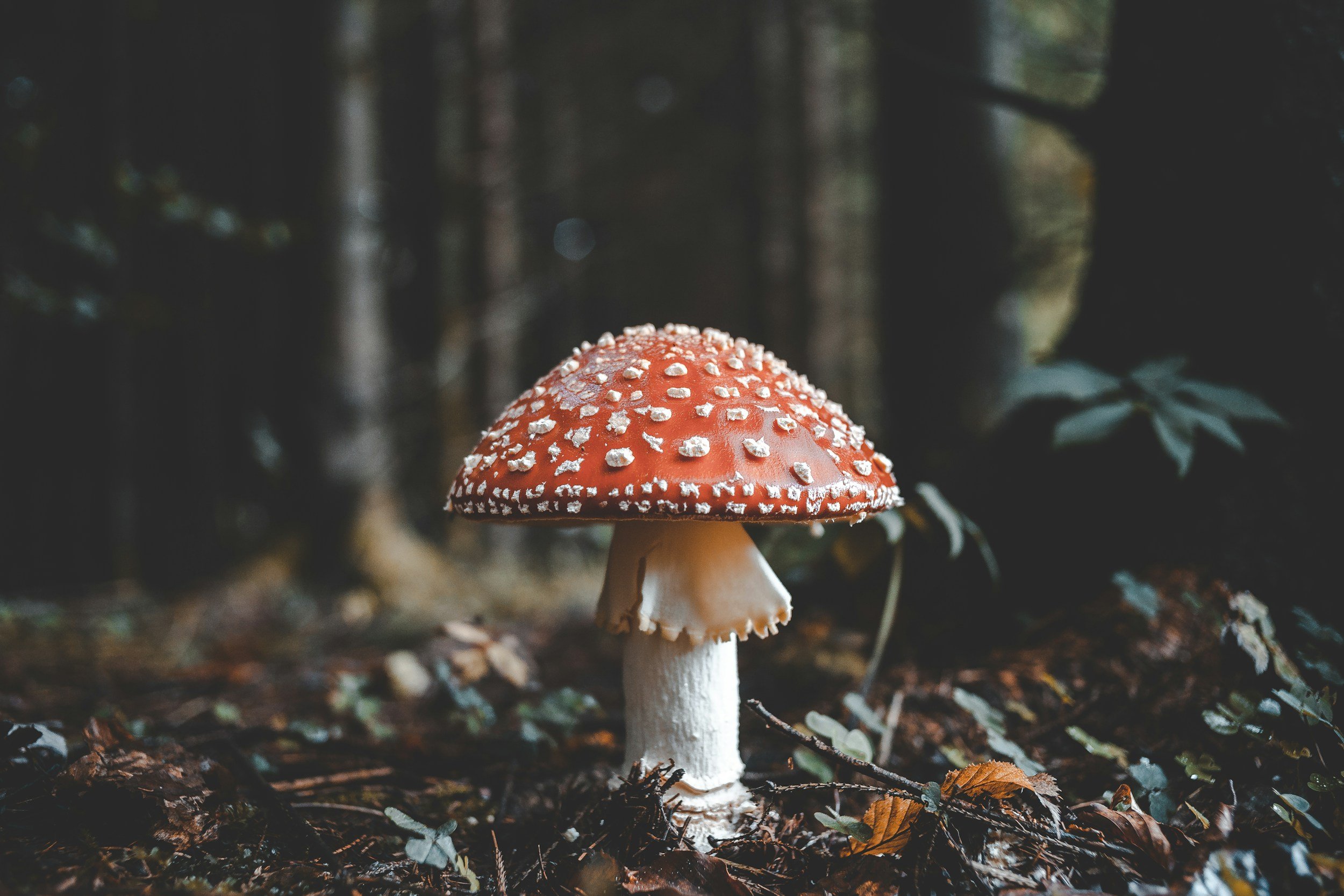
BANEFUL HERBS, POISON GARDENS, WITCHCRAFT PLANTS, AND THE LONG HUMAN HISTORY OF KNOWING EXACTLY WHAT SOMETHING WAS AND USING IT ANYWAY.
TOXIC BOTANICALS
Toxic plants have been studied, cultivated, and deliberately kept for centuries — by physicians, poisoners, midwives, cunning folk, and anyone who understood that the line between medicine and poison was a matter of dose rather than intent. Many of the most dangerous plants in this archive are also the most pharmacologically significant, their alkaloids still present in modern medicine under different names. Their history belongs not only to the dangerous but to everyone who learned to work carefully with difficult things.
⚠️
This archive explores the folklore, symbolism, and historical uses of toxic and baneful plants.
It is a record of what people knew and how they used that knowledge — not a guide to replication.
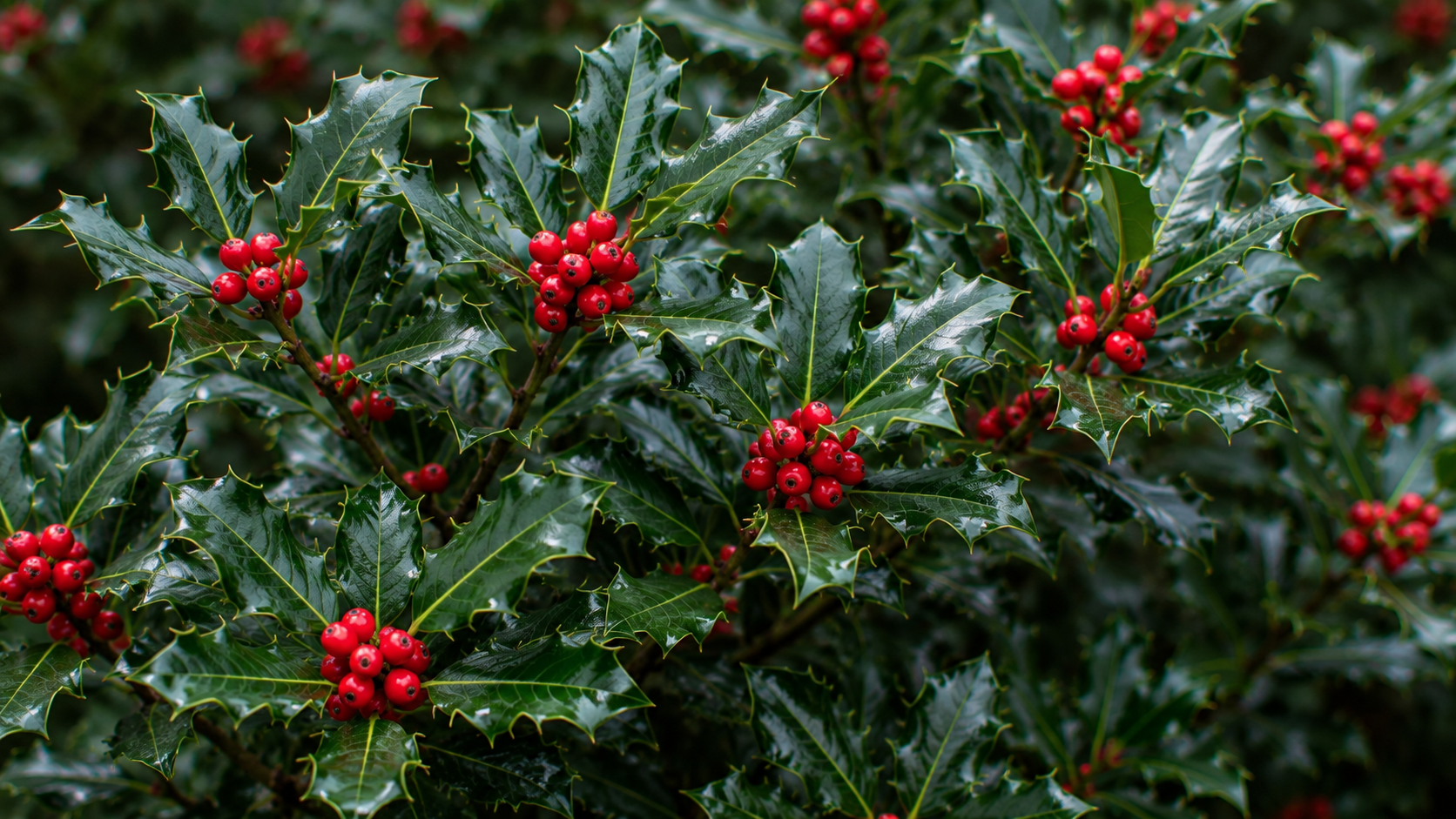
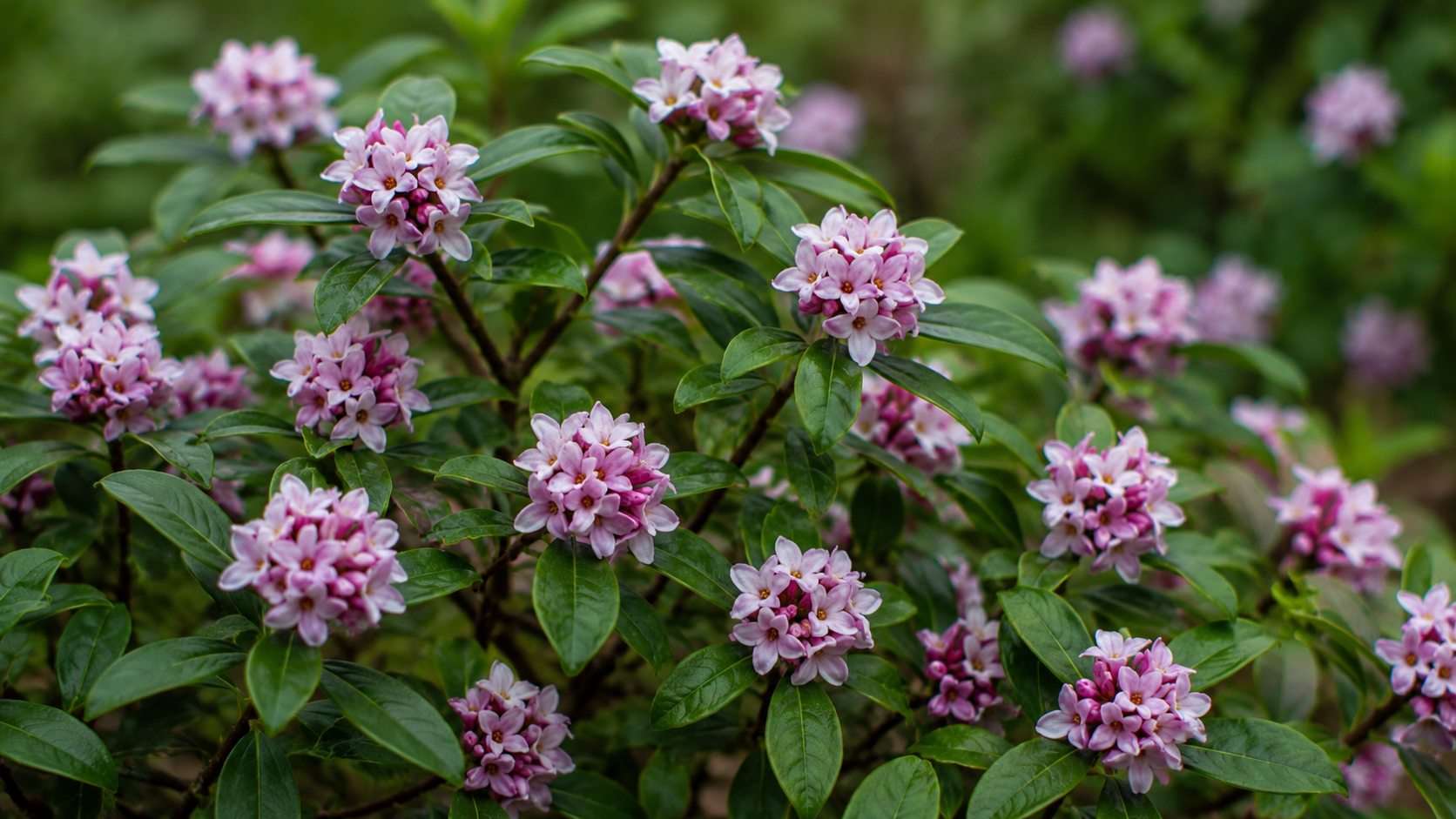
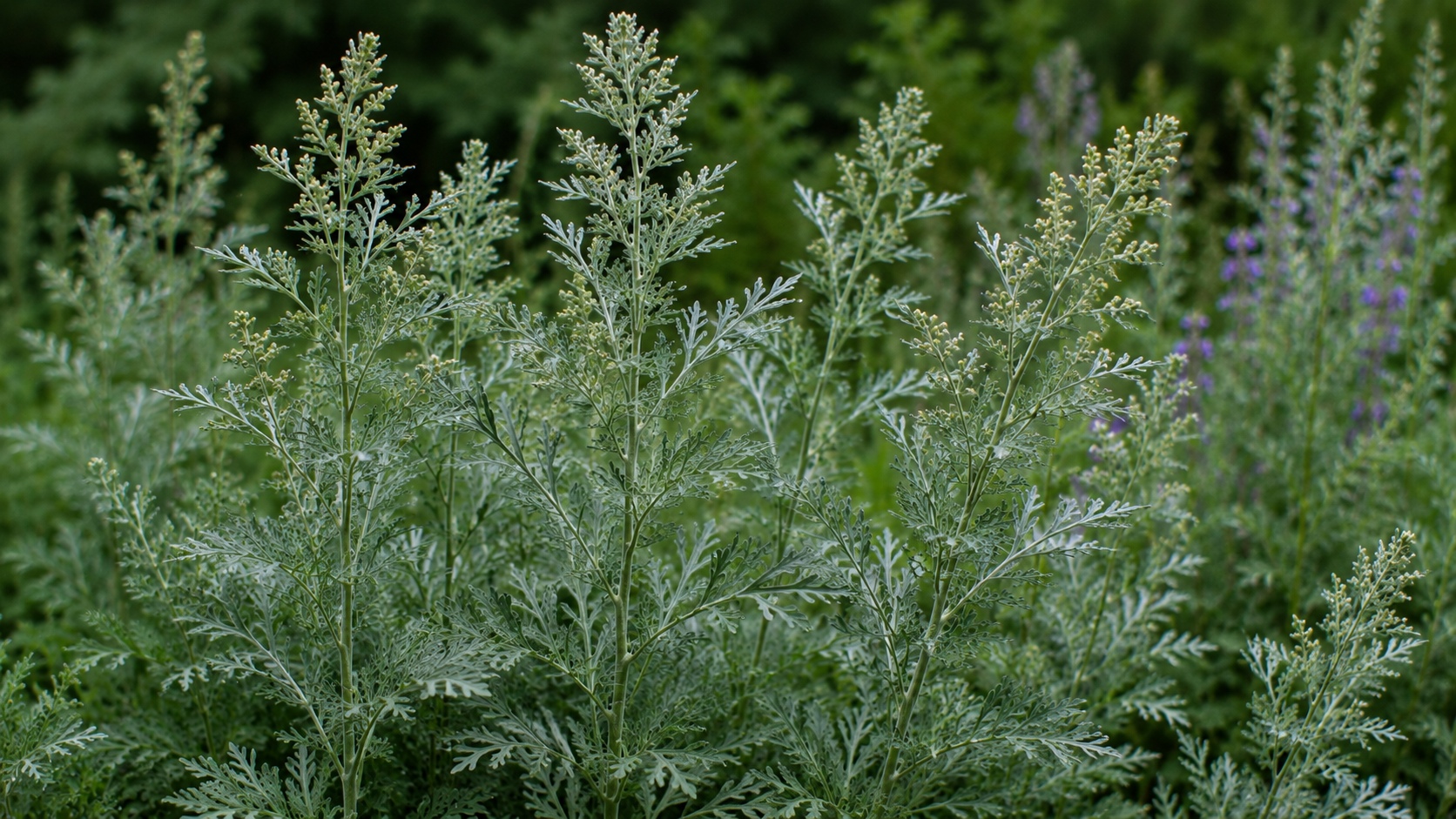
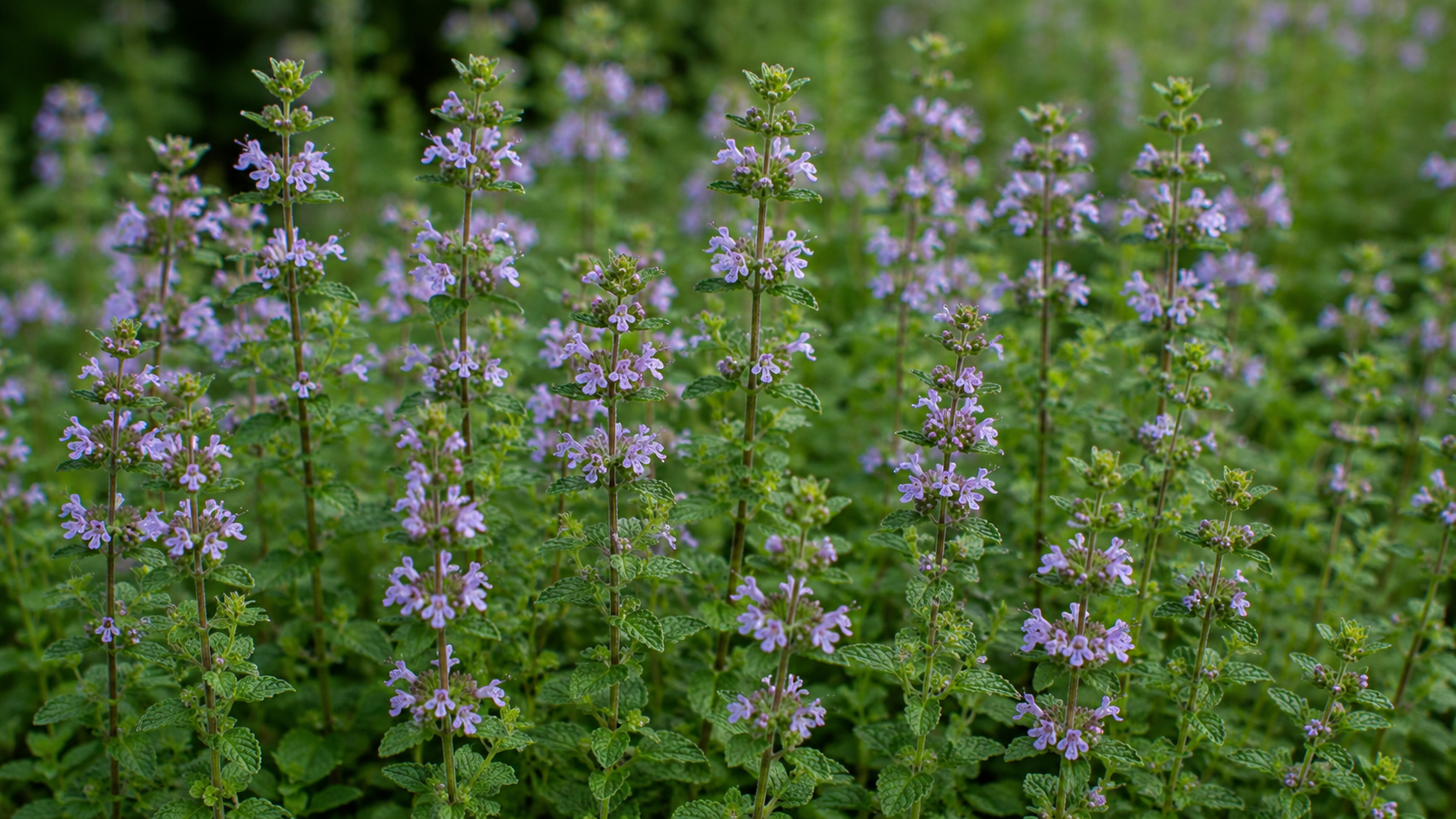
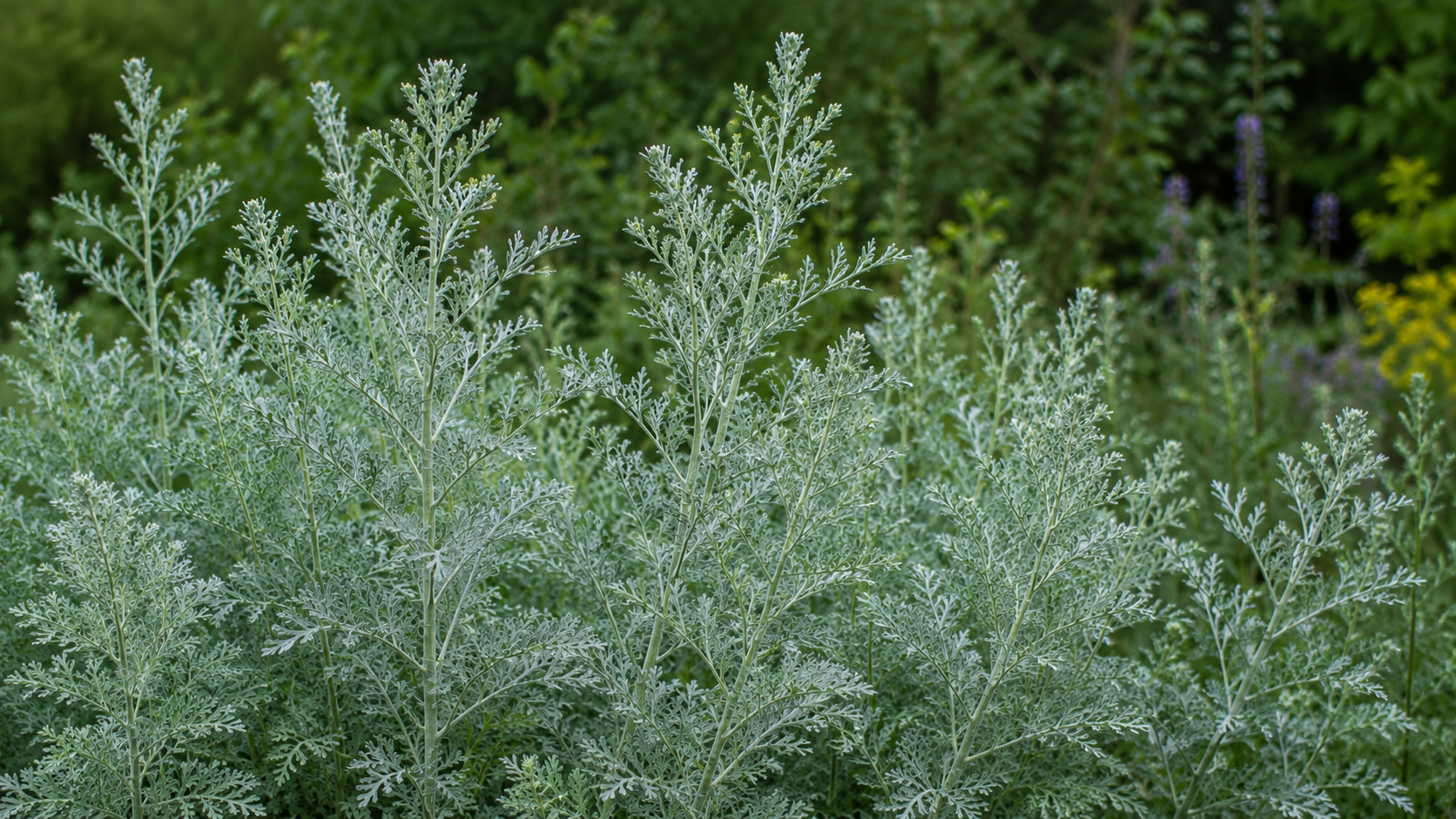
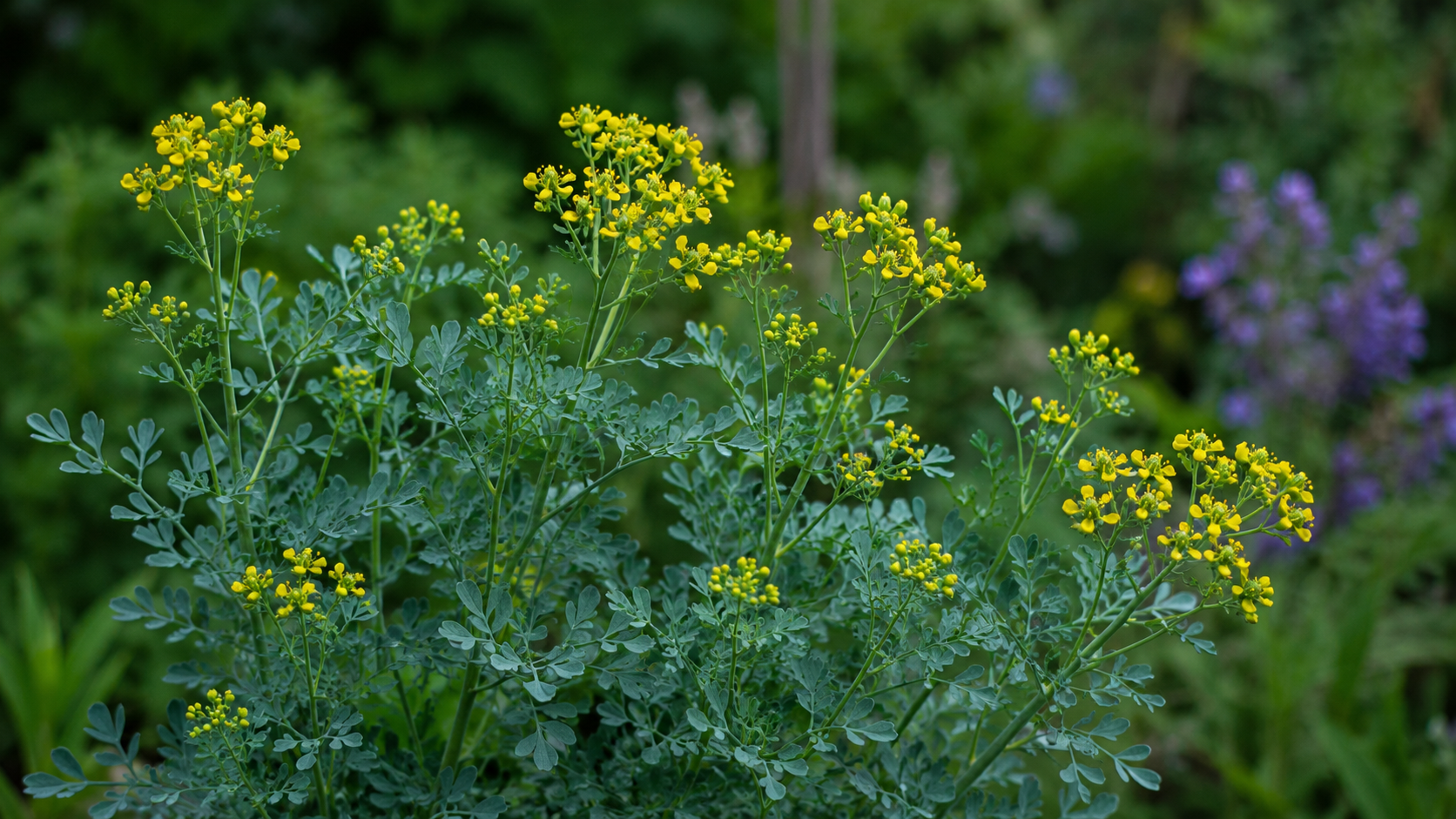
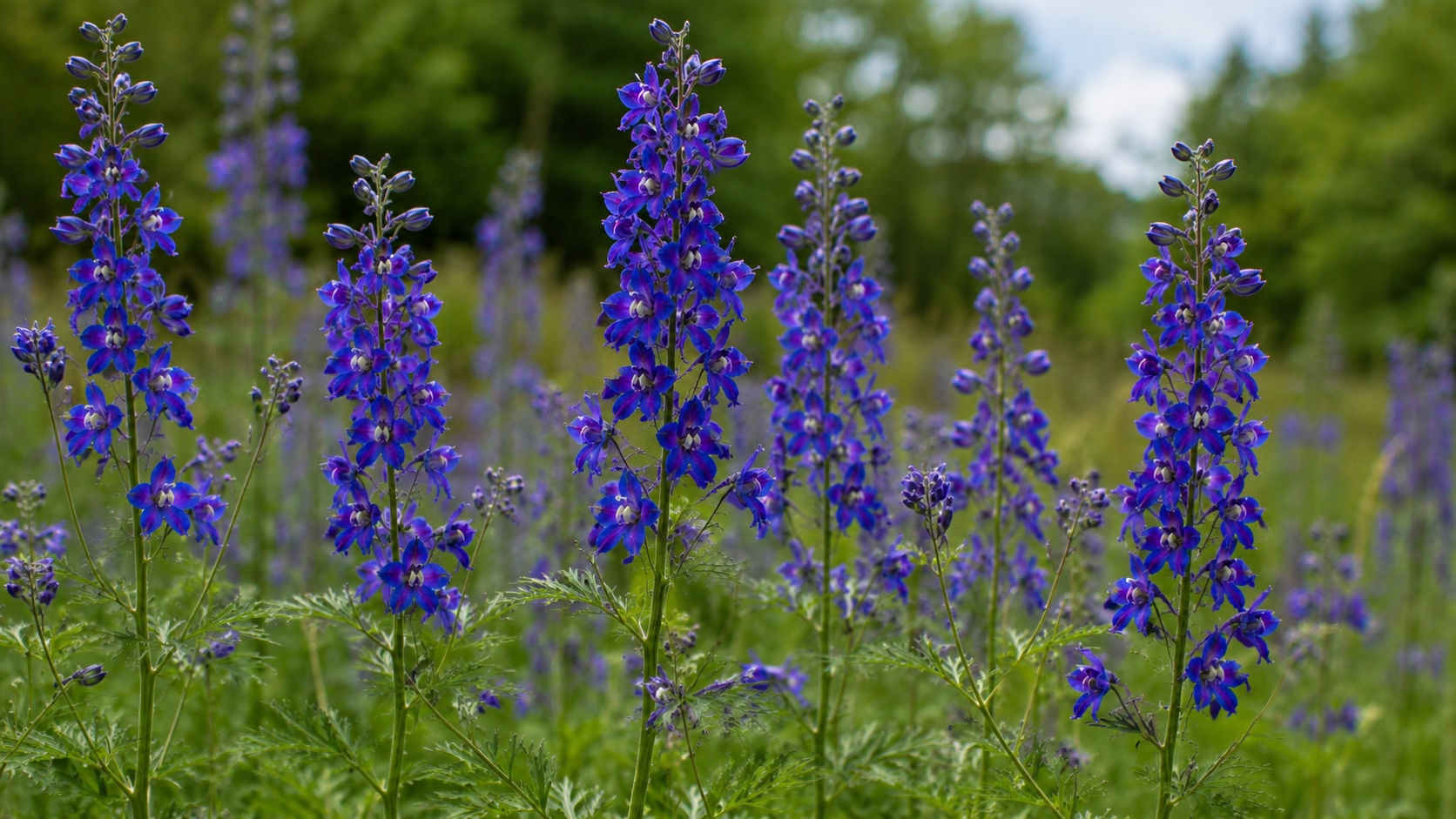
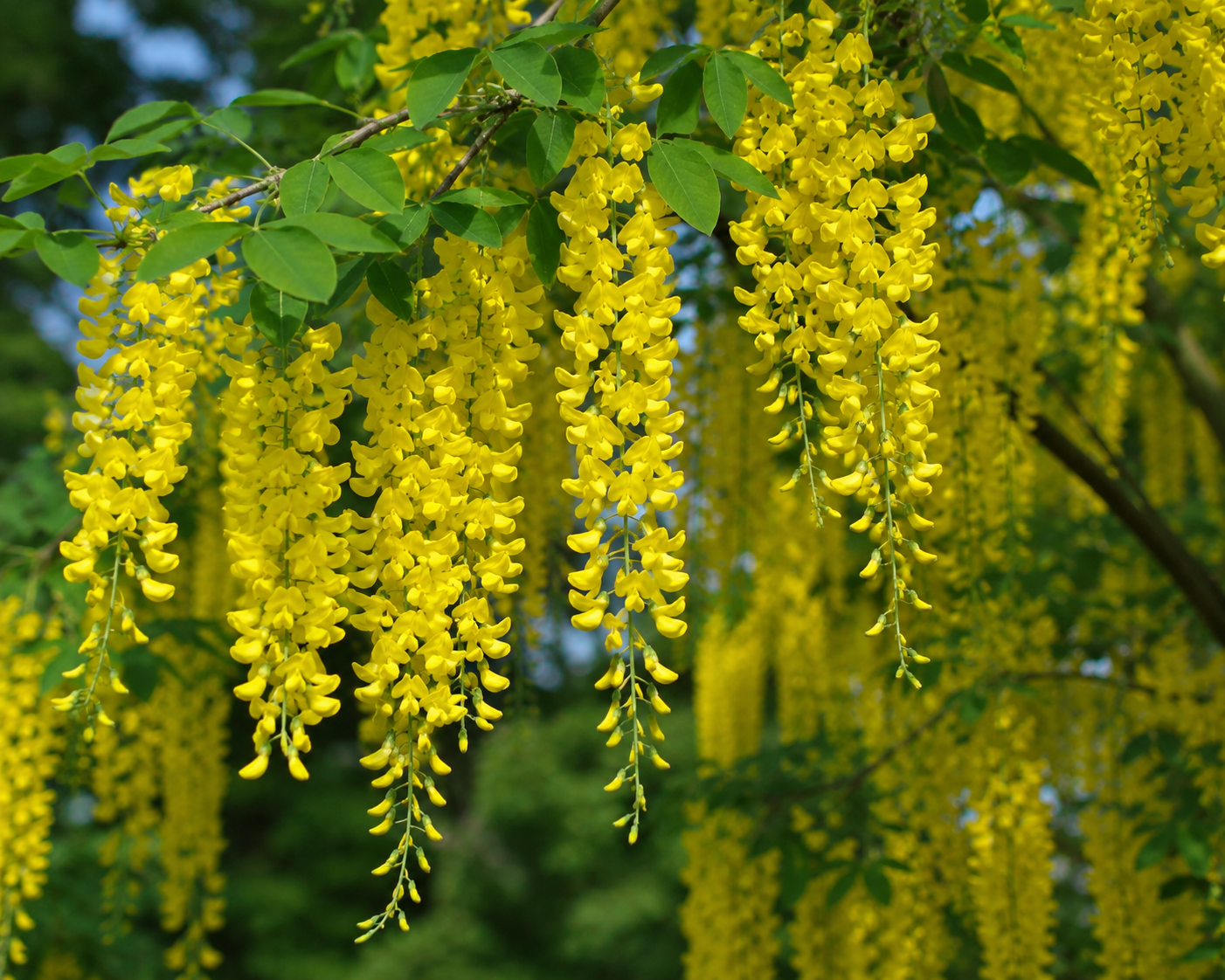
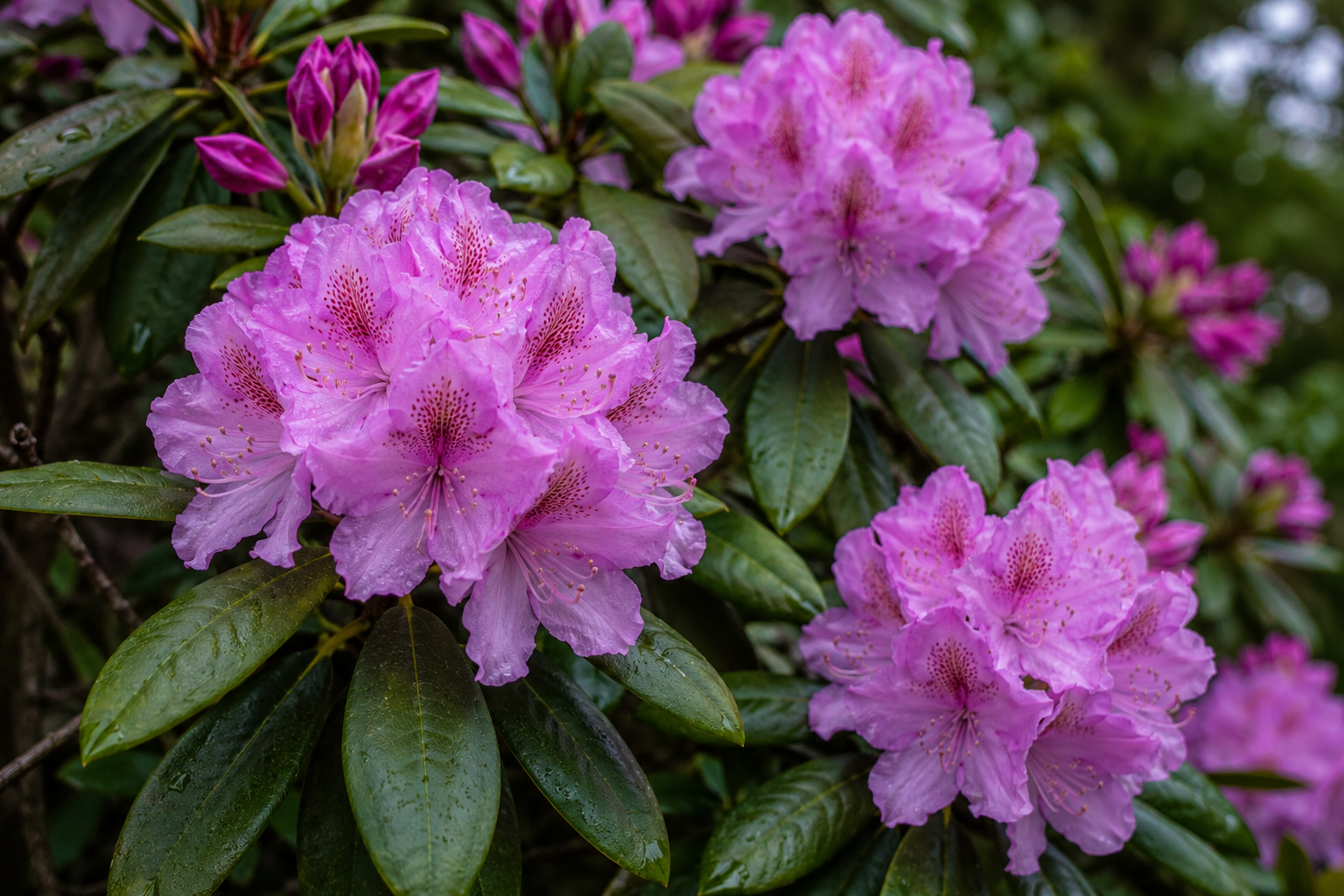
RECENTLY PLANTED~
“The dose makes the poison. The knowledge makes the difference.”
— After Paracelsus
CURRENTLY RESEARCHING:
belladonna in Renaissance cosmetic and poisoning history
flying ointments and transdermal alkaloid absorption
the witch's garden and the physician's garden
ergot and the Salem witch trials
mandrake mythology and surgical anesthesia
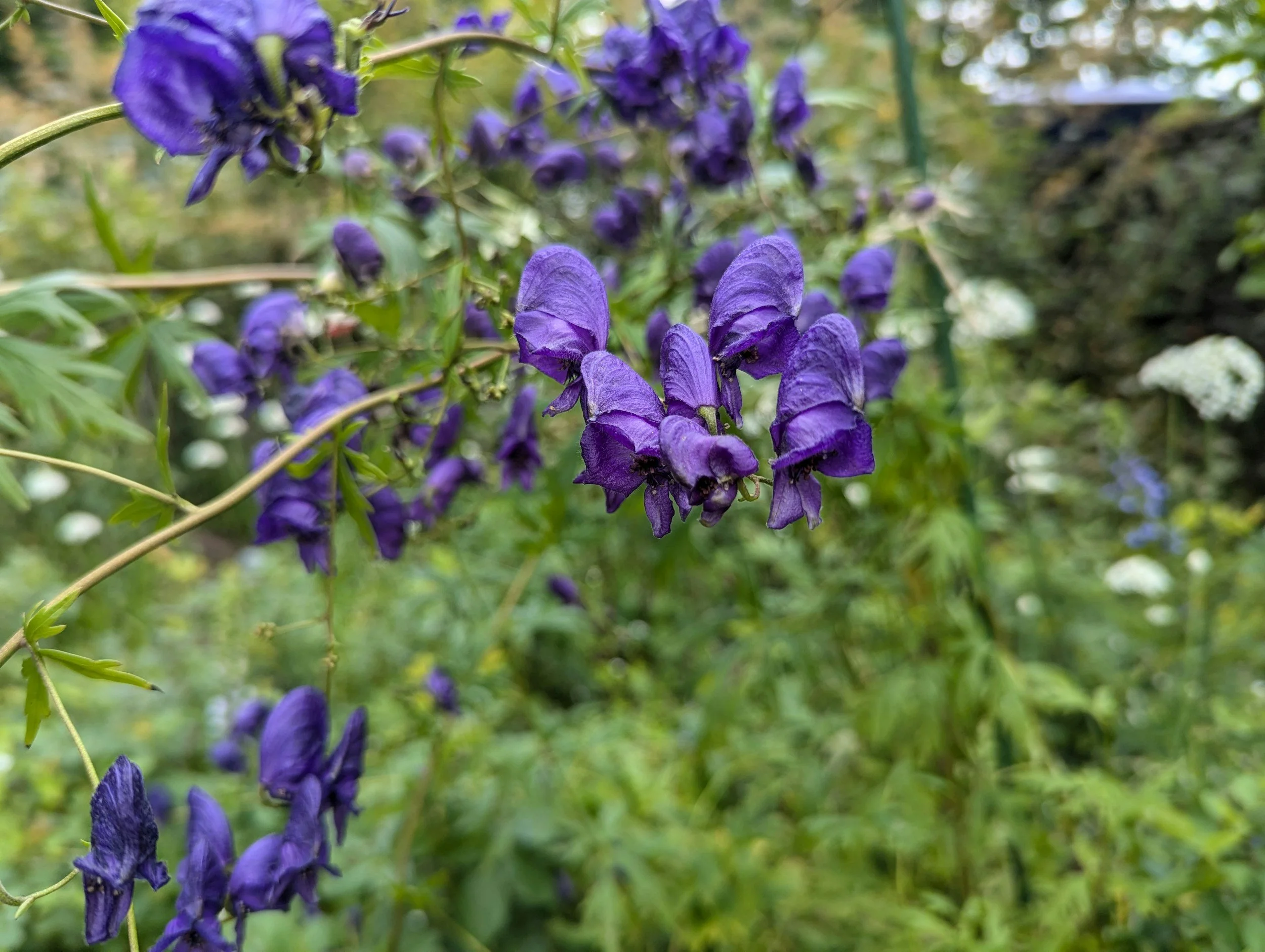
aconite in ancient warfare and assassination
datura in indigenous initiatory ceremony
foxglove and the discovery of digitalis
hemlock as judicial execution in ancient Athens
the nightshade family and its edible relatives
mad honey and the weaponization of rhododendron
poison gardens of the Renaissance and today
tansy, pennyroyal, and the herbal abortifacient tradition
amanita muscaria in shamanic and fairy tale culture
the doctrine of signatures applied to poisonous plants
ADVENTURE AWAITS ELSEWHERE



Submit to the Archive
If you would like to suggest a topic or share a lead worth investigating, submit it to us for review. Click Here
Tutankhamun was buried with it. Jefferson planted it at Monticello. A Cold War assassin hid it inside an umbrella. And right now, it's probably sitting in your bathroom, bottled and gentle enough for a baby's skin — separated from one of the deadliest toxins on earth by a single manufacturing step.