
THE GRIMOIRE’S BLOG
Some knowledge won’t be contained to tidy categories or neat correspondences. It slips through the cracks between “elemental” and “esoteric,” wanders off from its ritual circle, or appears in a dream with no known origin.
That’s what this space is for—the stray sparks, the experiments, the midnight notes in the margins.
Here, you’ll find everything from field notes and folklore digressions to rants, reviews, and revelations that didn’t quite fit elsewhere in the Archives. Some posts may evolve into full entries; others may simply linger here like whispers that never asked for a title.
So wander freely, seeker. The shelves end here—but the story does not.

Horror & Dark Media
Step into Horror & Dark Media—where paranormal chills, modern fears, and psychological thrillers unfold across film, literature, and sound. Explore how horror reflects real anxieties, challenges boundaries, and lingers long after the story ends.
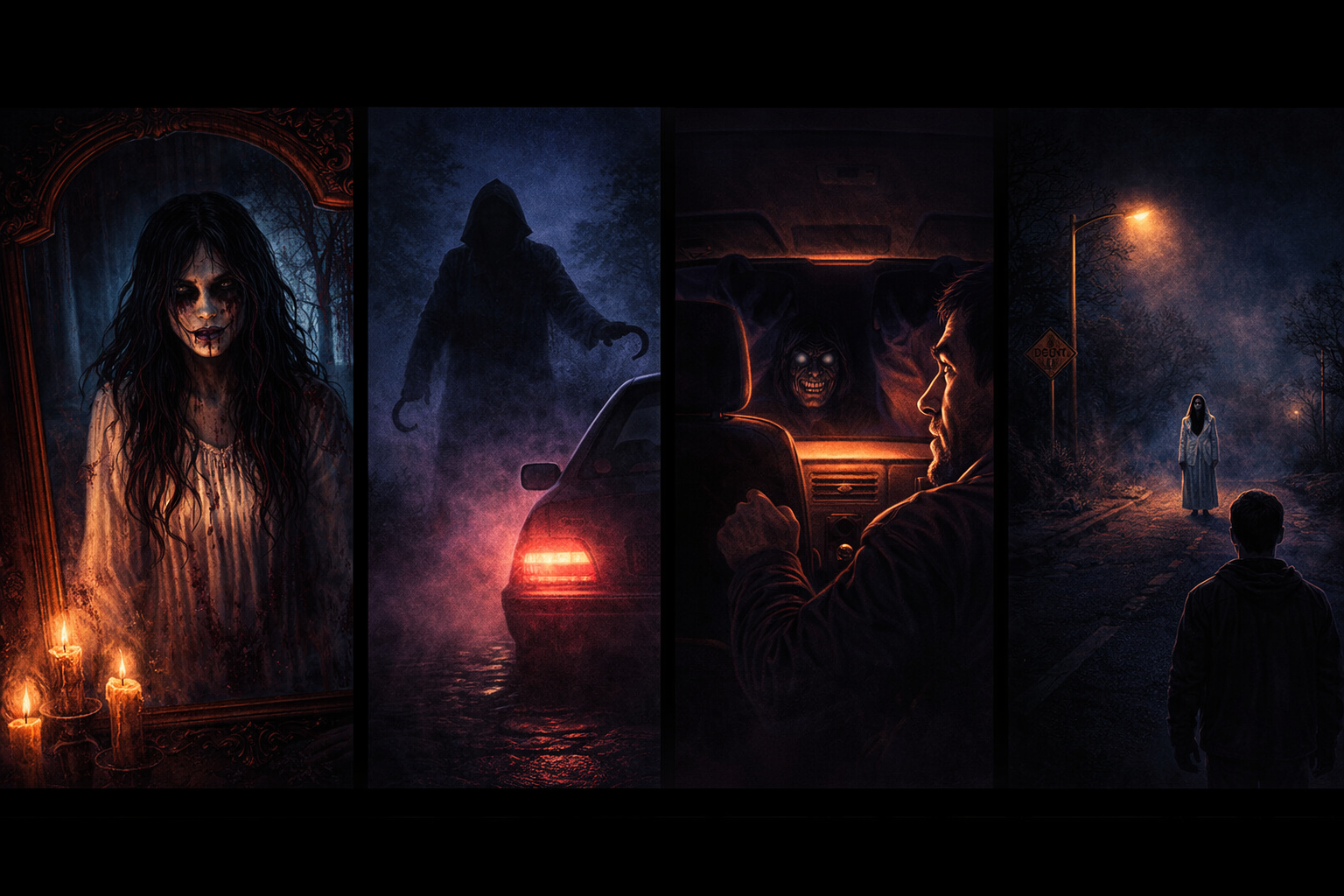
Urban Legends & Modern Myths
Dive into Urban Legends & Modern Myths—where classic tales, campus stories, and viral internet legends reveal how fear evolves in the modern world. From regional folklore to social media–driven myths, explore the stories that spread faster than truth.
Ghosts, Monsters & Strange Beings
Explore Ghosts, Monsters & Strange Beings—where haunted places, cryptids, shadow figures, and unsettling encounters blur the line between folklore and lived experience. From eerie locations to unexplained disappearances, step into the stories that refuse to stay quiet.
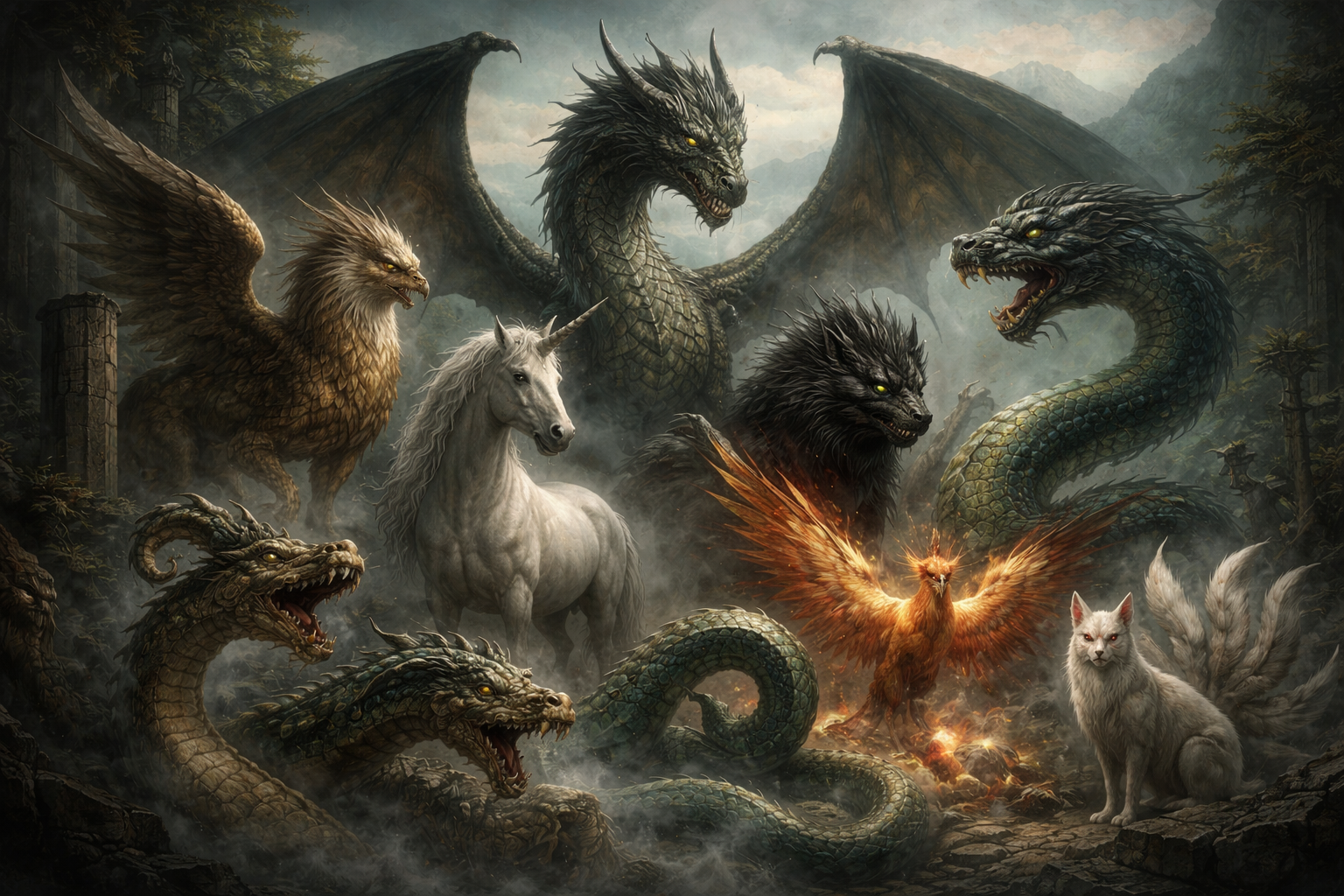
Folklore & Cultural Traditions
Step into Folklore & Cultural Traditions—where everyday beliefs, whispered warnings, and regional stories reveal how people across the world understood spirits, omens, and the unseen. From uncanny doubles to protective rituals, explore the living traditions that shaped human behavior and belief.
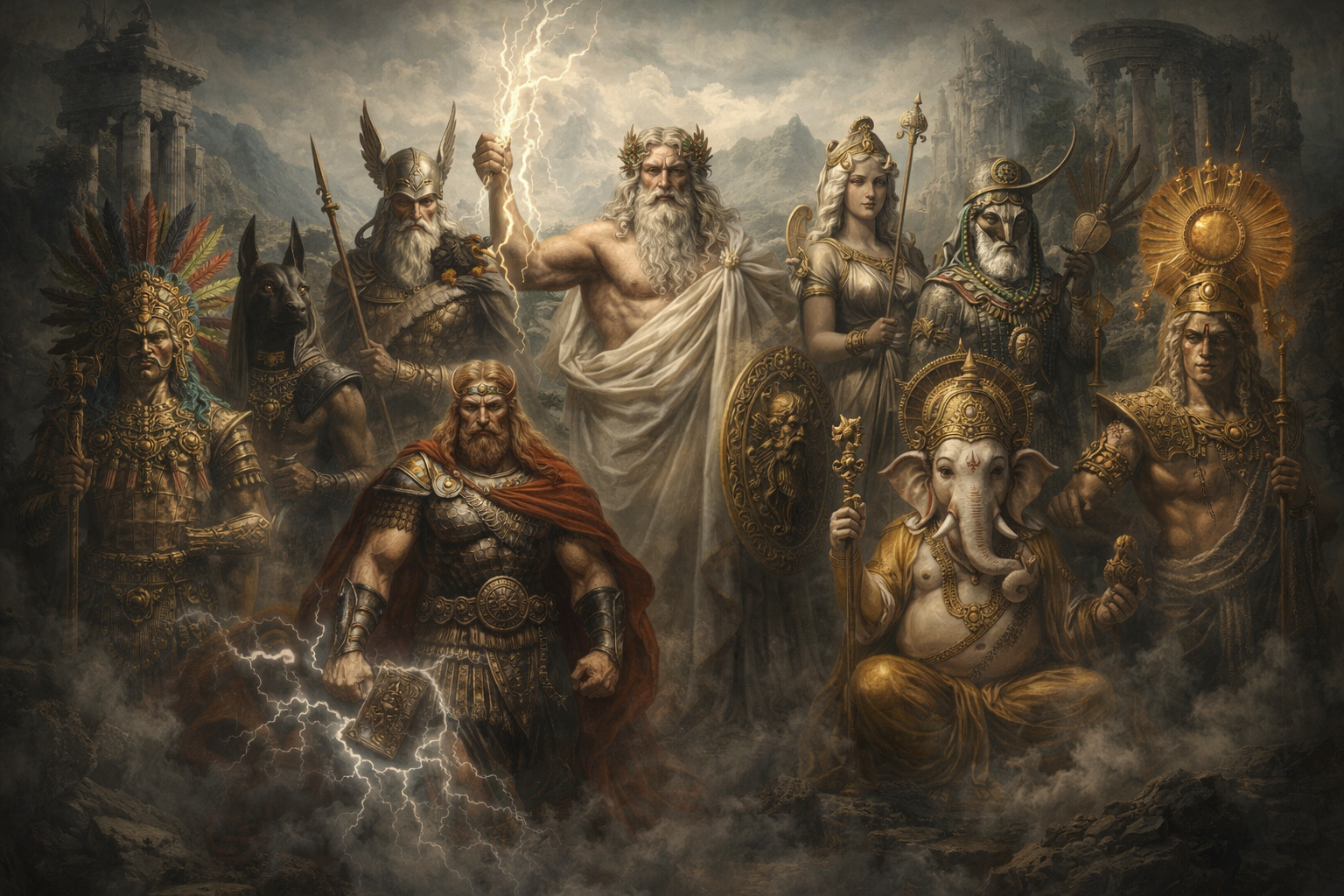
Myth & Ancient Legends
Enter the world of Myth & Ancient Legends—where gods rule uneasy realms, creatures embody fear and wonder, and ancient civilizations blur the line between history and story. Explore global mythologies, pantheons, legendary beasts, and the shared patterns that echo across cultures.
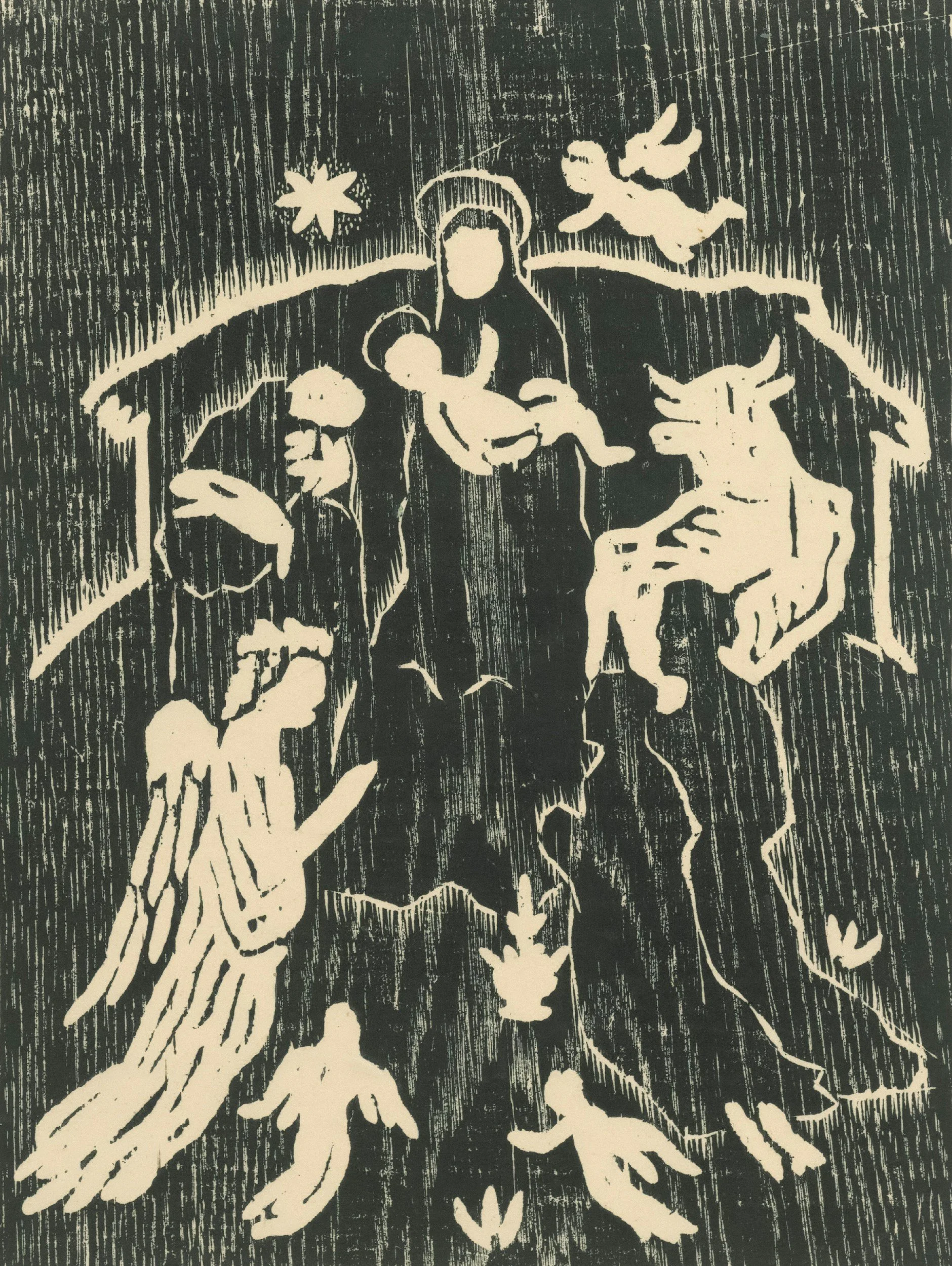
Wheel of the Year
Step into the Wheel of the Year—a living cycle of seasonal festivals, solar events, and lunar phases. From Yule’s longest night to Samhain’s thinning veil, explore how ancient rhythms of light, harvest, and moon phases continue to shape folklore, ritual, and the human experience.
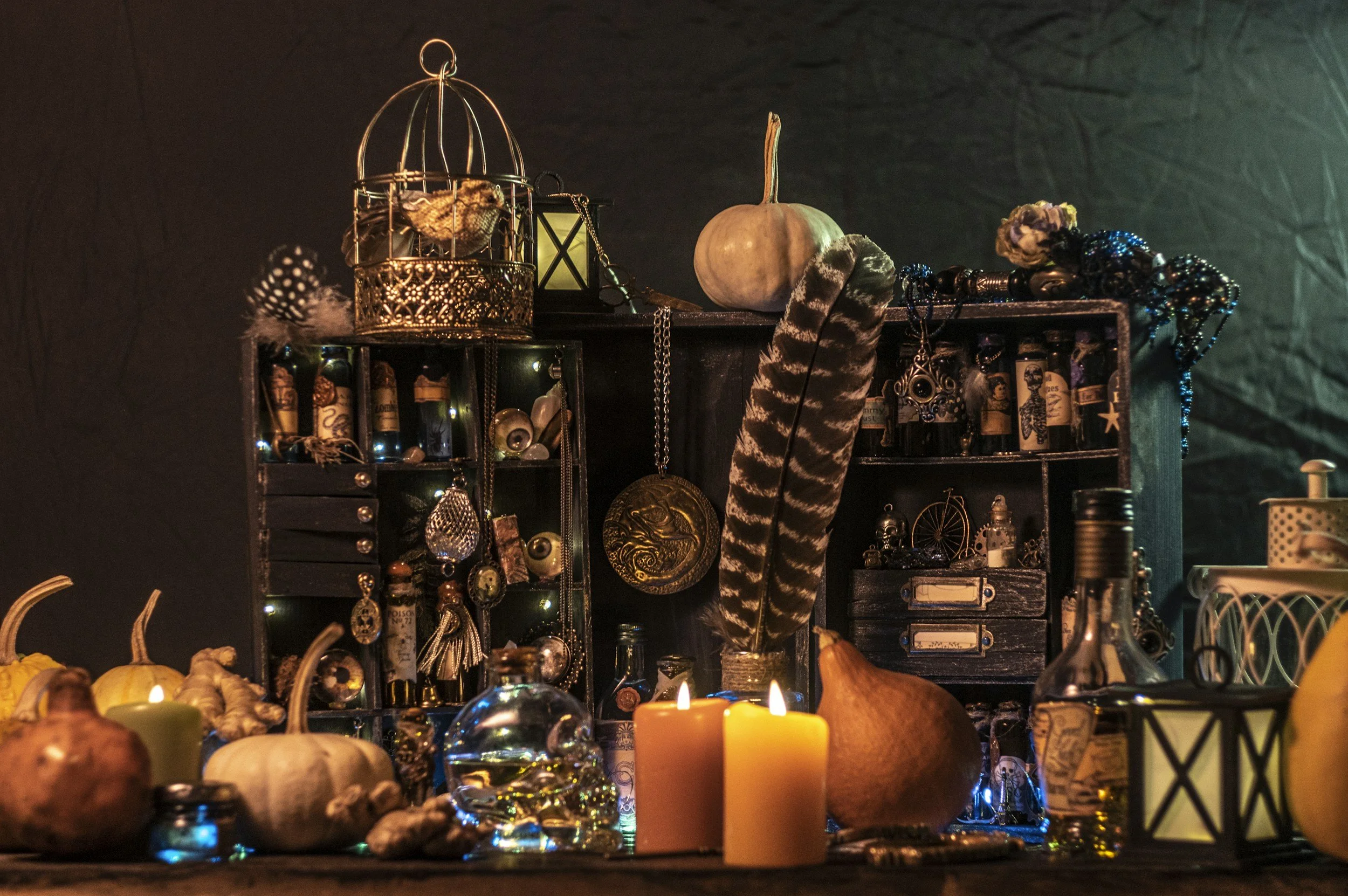
Witch’s Curio Cabinet
A journey into the Witch’s Curio Cabinet—where stones remember pressure, plants whisper old knowledge, and every object carries a story shaped by ritual, survival, and belief. Explore crystals, botanicals, resins, and divination tools through folklore, history, and quiet magic.
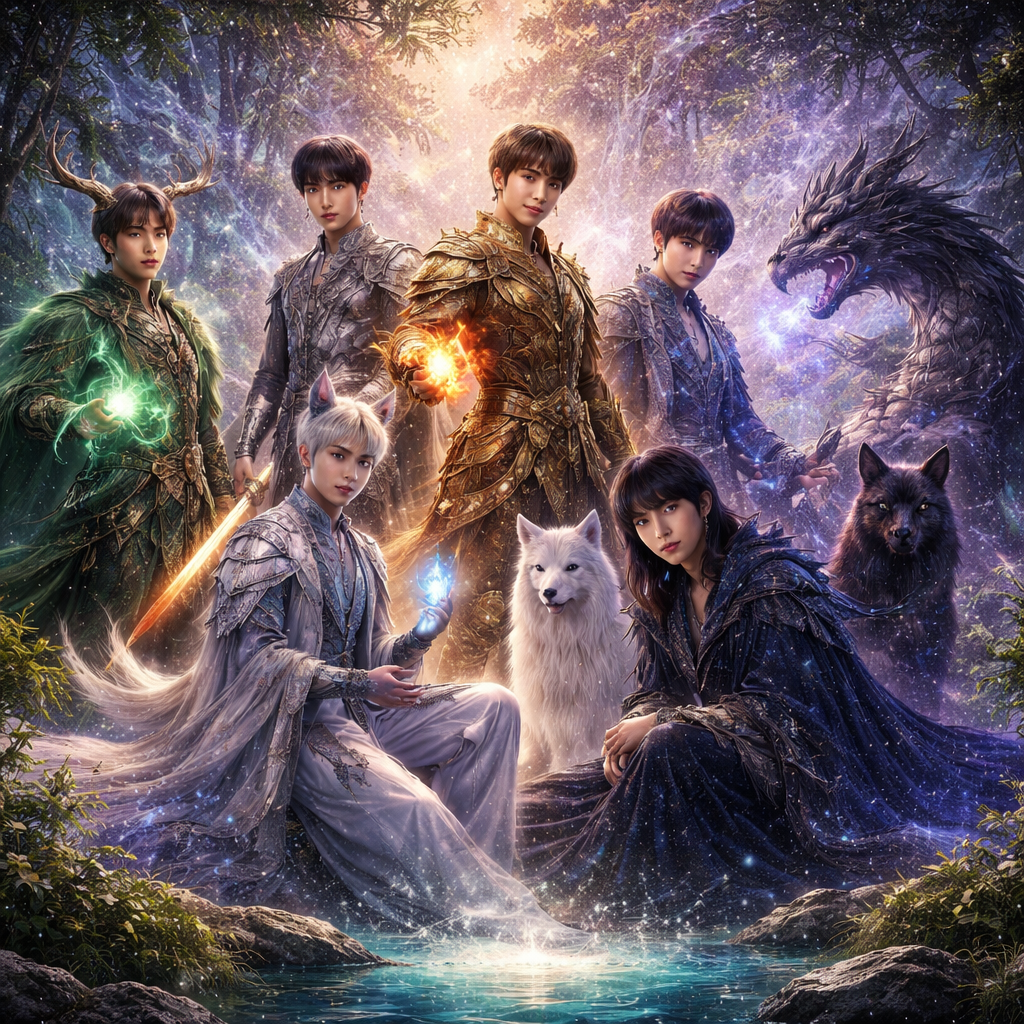
If BTS Were Mythic Creatures
Seven figures, seven forms—each drawn from the oldest stories we still whisper. In this playful reimagining, BTS becomes something mythic yet familiar: a forest warden, a radiant fey, a shadow fox, a sun spirit, a swan-shifter, a dream-walker, and a stormborn dragonling. Not gods, not legends—just glimpses of what they might be if you met them somewhere just beyond the edge of the ordinary world.
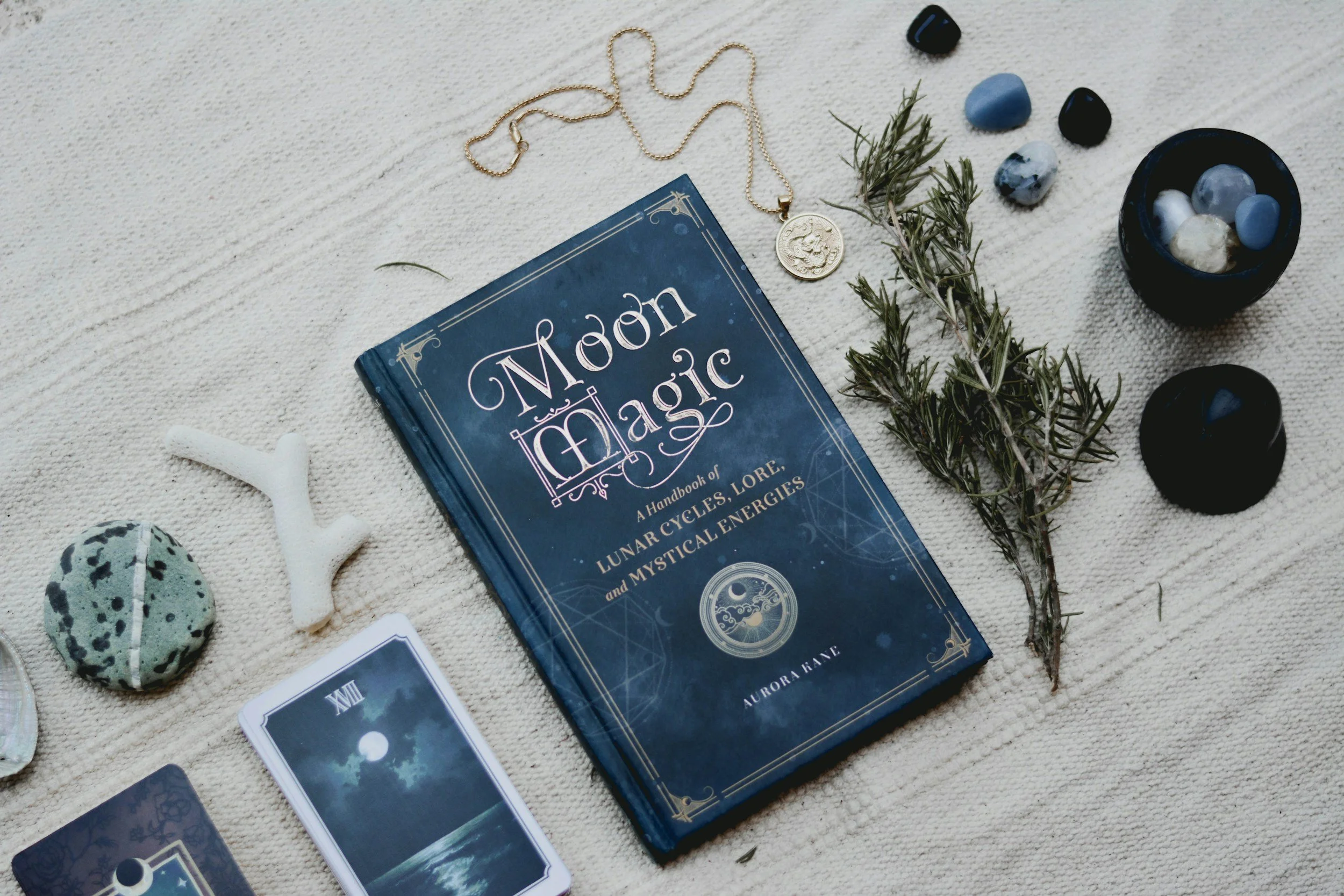
The Undine Grimoires Archive: Mythology, Folklore, Paranormal Legends, and Haunted History
The Undine Grimoires Archive explores mythology, folklore, paranormal legends, haunted places, cryptids, ritual traditions, and lost civilizations. Wander through ancient pantheons, supernatural encounters, ghost stories, and the strange corners of cultural memory where history, horror, and belief collide.
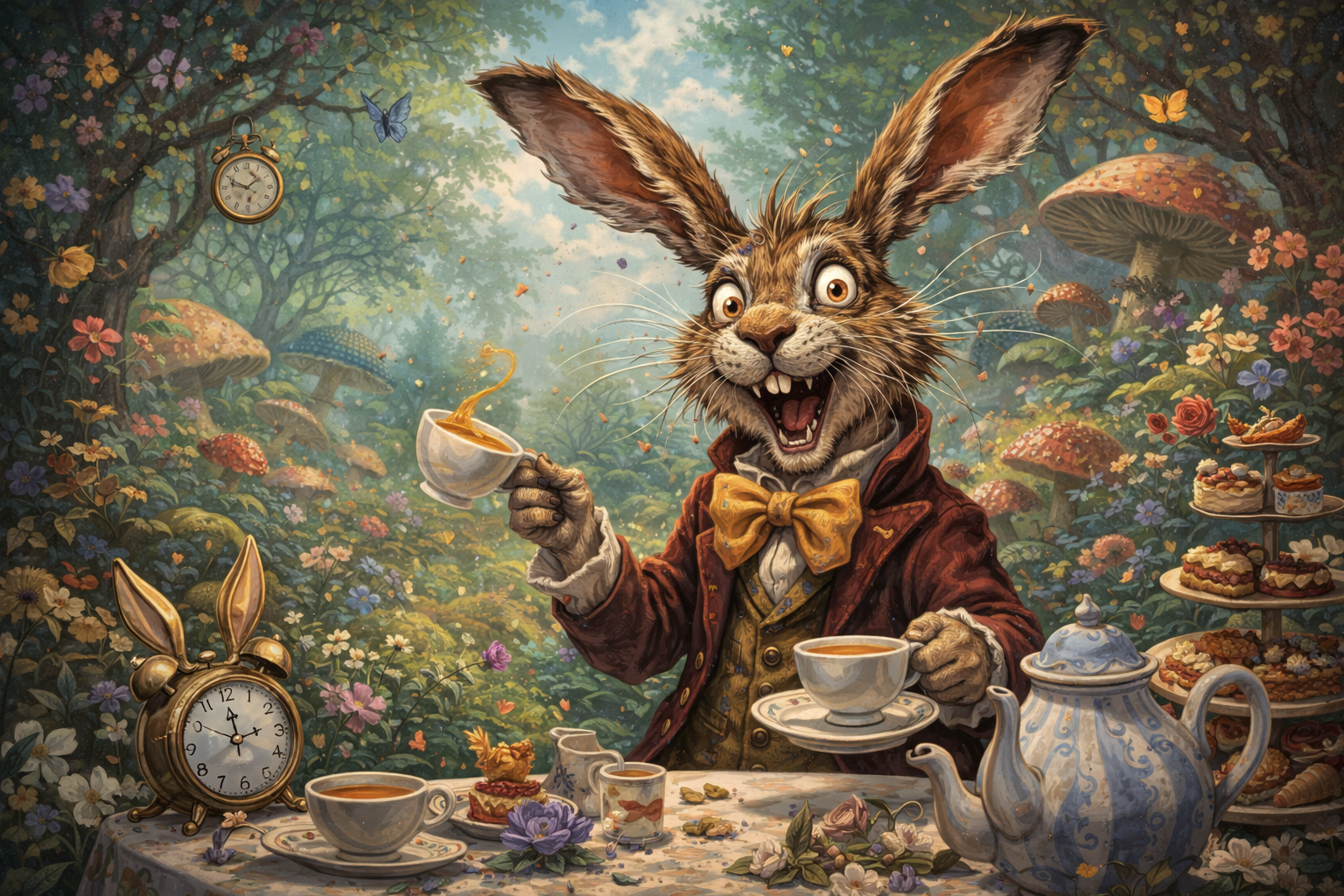
The March Hare: Madness, Moon Magic, and Spring Folklore
The phrase “mad as a March hare” comes from the strange springtime behavior of hares during their breeding season. But behind the saying lies a deeper folklore connecting the animal to moon magic, fertility, and ancient seasonal traditions.
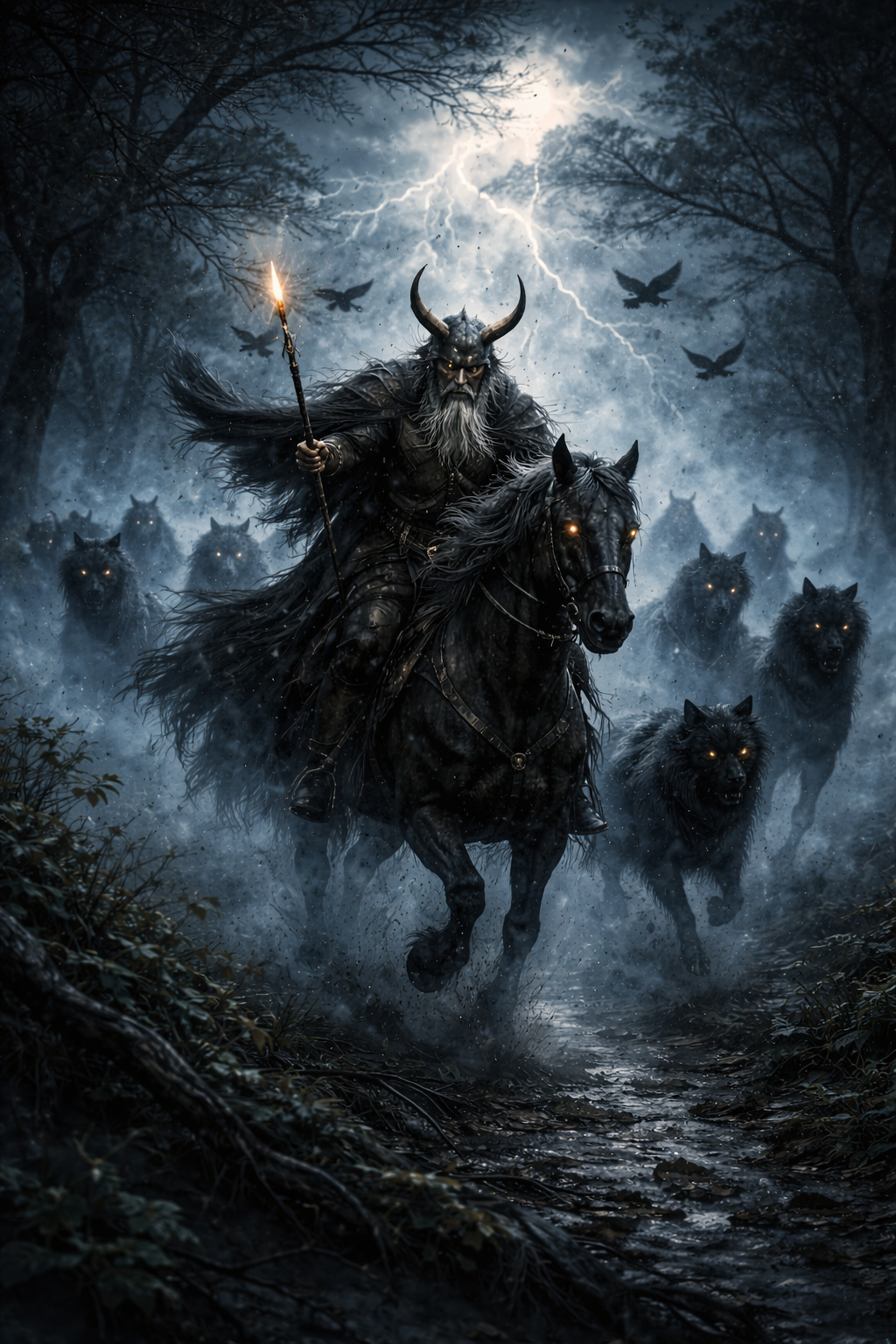
Dark Creatures of Ostara: Spirits and Folklore of the Spring Equinox
Spring folklore is not always gentle. Across cultures, the spring equinox was seen as a dangerous threshold where spirits, fae, and restless forces stirred alongside the returning life of the earth.
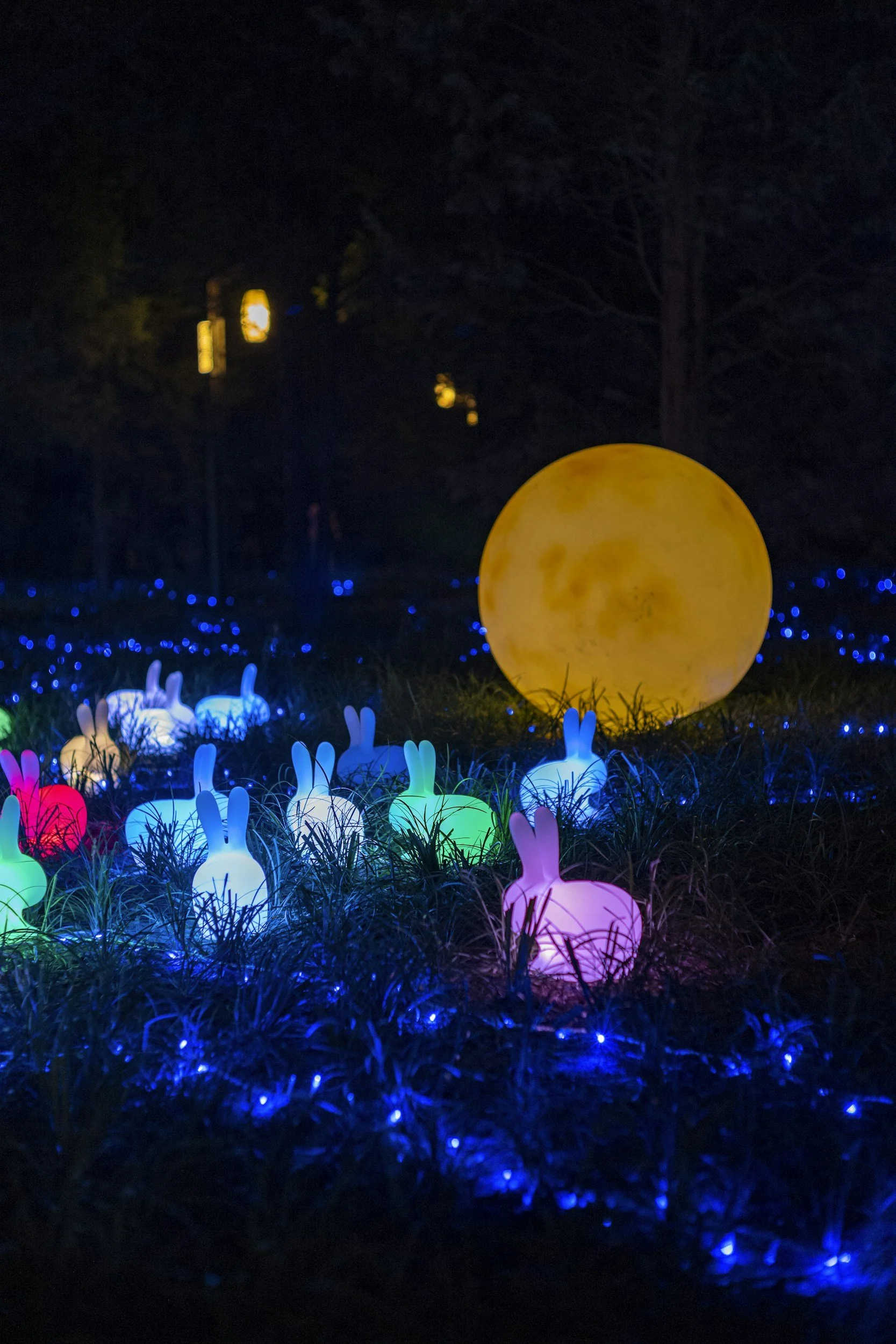
Sacred Hares and Spring Spirits: The Folklore of the Ostara Rabbit
The rabbit associated with Ostara and Easter has deep roots in folklore. Across Europe and beyond, hares were linked to fertility, moon magic, and even witchcraft, making them powerful symbols of the returning life of spring.
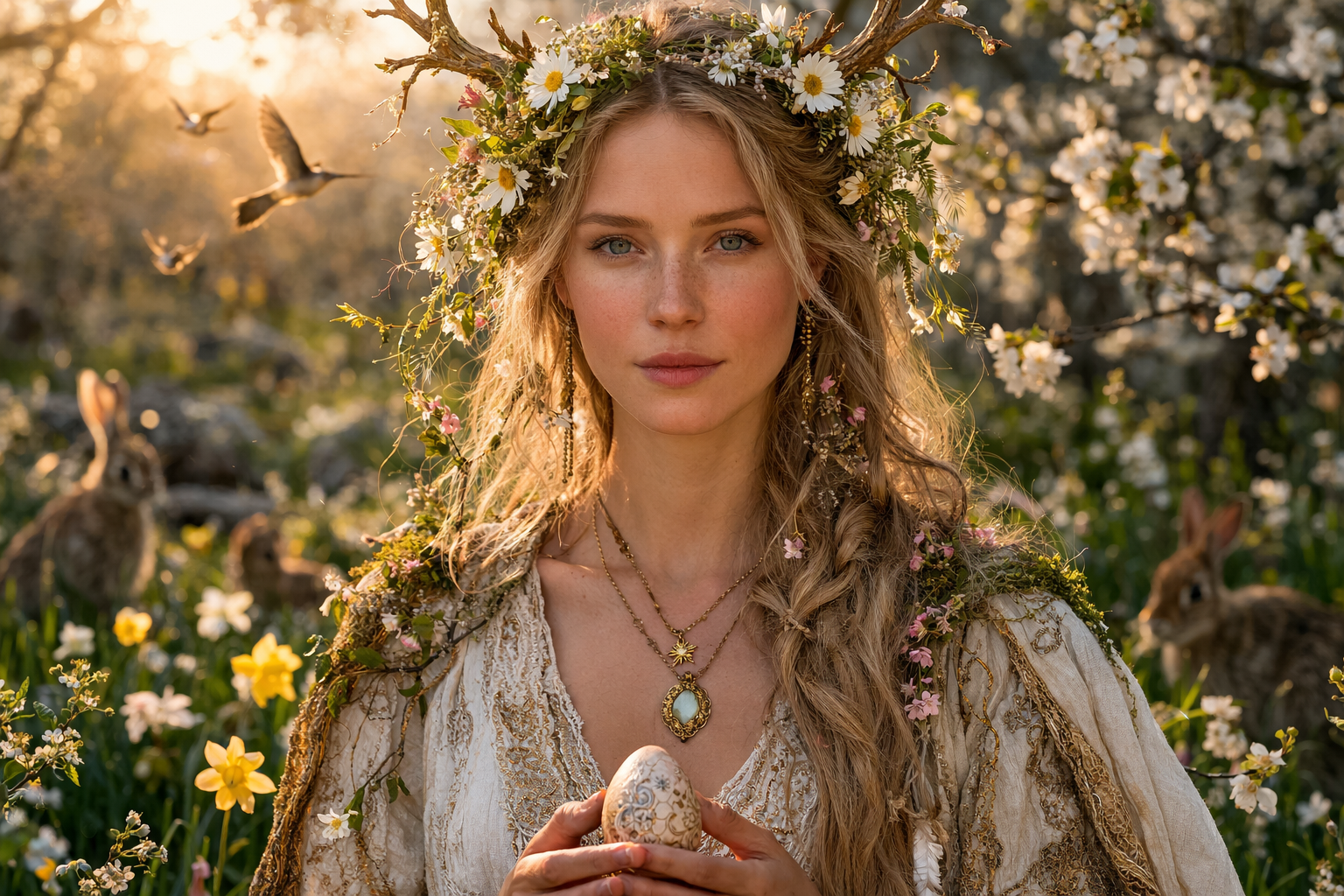
The Goddess Eostre: Myth, Mystery, and Historical Debate
The goddess Eostre is often linked to the origins of Easter and the pagan celebration of the spring equinox. Yet the historical evidence for her existence rests on a single mention in an 8th-century text—making her one of mythology’s most intriguing mysteries.
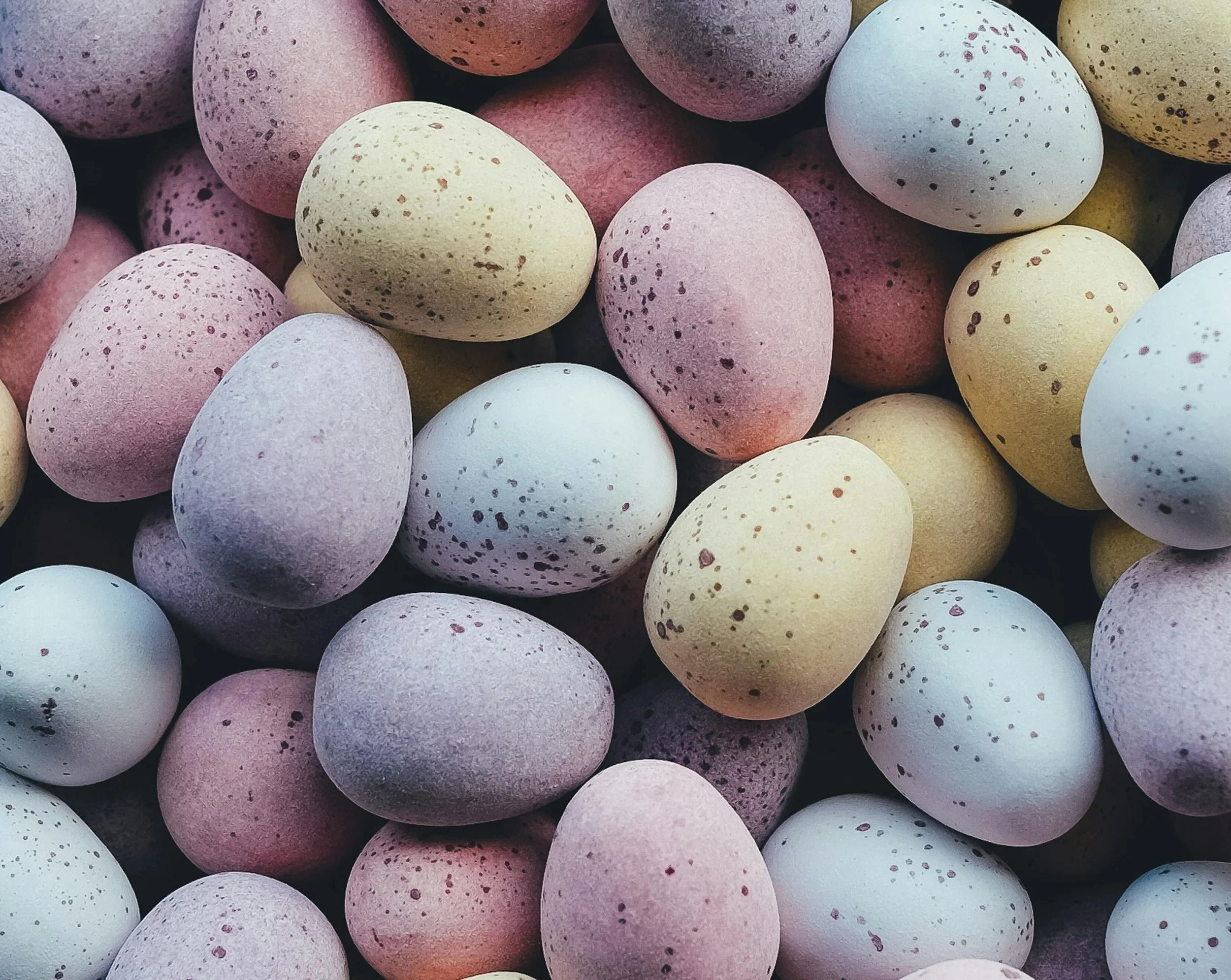
The Magical Symbolism of Eggs: Seeds of Life in Myth and Ritual
Across cultures and mythologies, the egg has symbolized life, creation, and cosmic beginnings. From ancient creation myths to spring festivals like Ostara, eggs represent the hidden potential of new life waiting to emerge.

Ostara: The Spring Equinox and the Return of Balance
The spring equinox marks the moment when day and night stand in perfect balance. In modern pagan traditions, this turning point is celebrated as Ostara—a festival of renewal, fertility, and the quiet return of life after winter.
How to Research a Deity Responsibly
Researching a deity is not the same as scrolling a correspondence list. Every god emerges from a landscape — shaped by language, politics, ritual, and survival. This study explores how to separate historical record, folklore, and modern reinterpretation, so devotion begins with context instead of assumption.

Hecate: Threshold, Torchlight, and the Problem of Survival
Hecate stands at the threshold of Greek religion — named in early poetry, established in civic cult, and later invoked in rites of liminality and protection. From Hesiod’s dignified praise to the crossroads offerings of the Deipnon, her presence moves between text, stone, and ritual continuity. This article traces her survival through literature, sanctuary, magic, and modern reconstruction without collapsing those layers into a single myth.
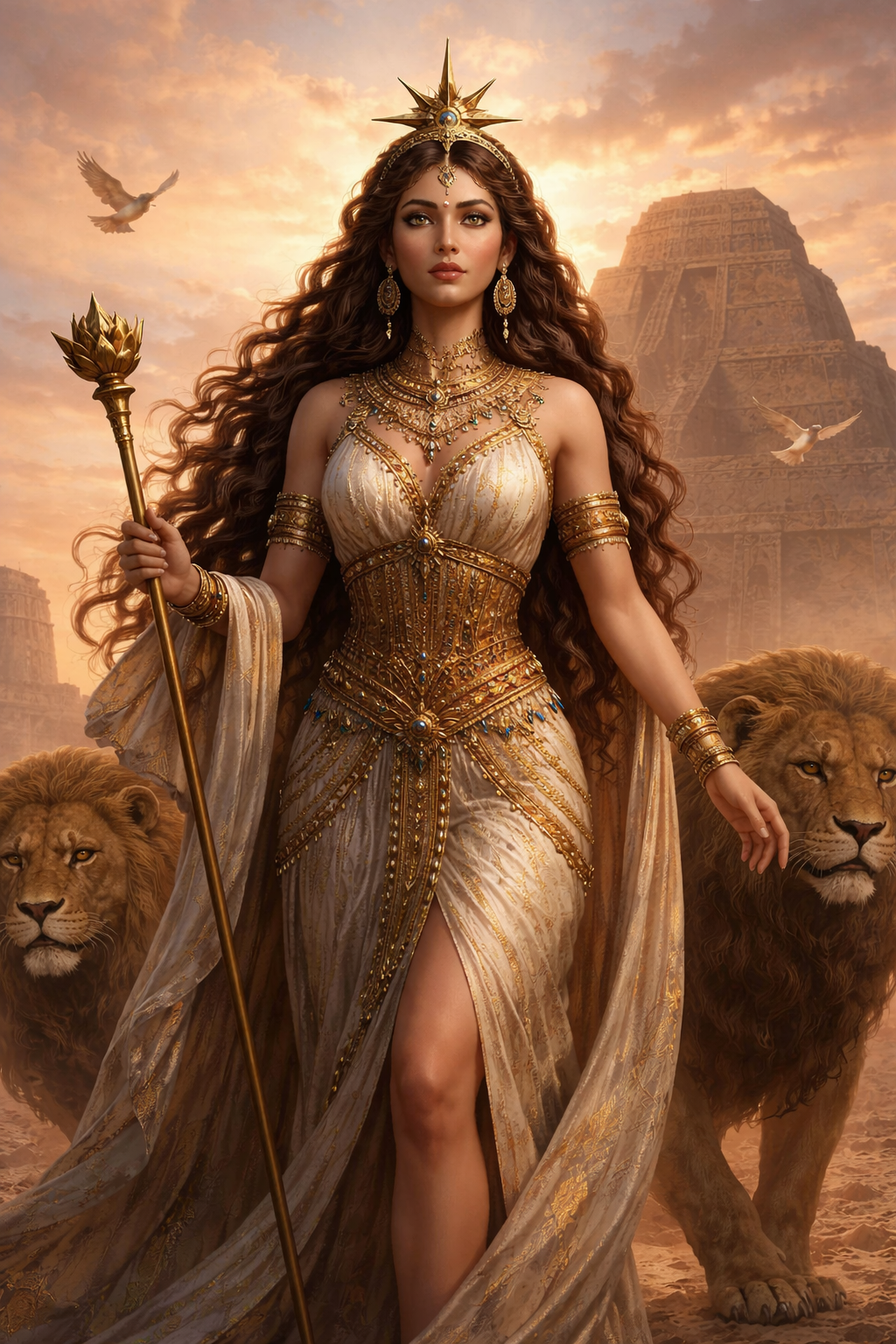
Inanna: Sovereignty, Descent, and the Architecture of Divine Power in Early Mesopotamia
Inanna stands among the most extensively documented deities of ancient Mesopotamia. Preserved in temple hymns, royal inscriptions, and administrative tablets, her record reveals a goddess embedded in the political and cosmological architecture of early urban civilization. This study traces her layered survival across language, empire, and excavation.
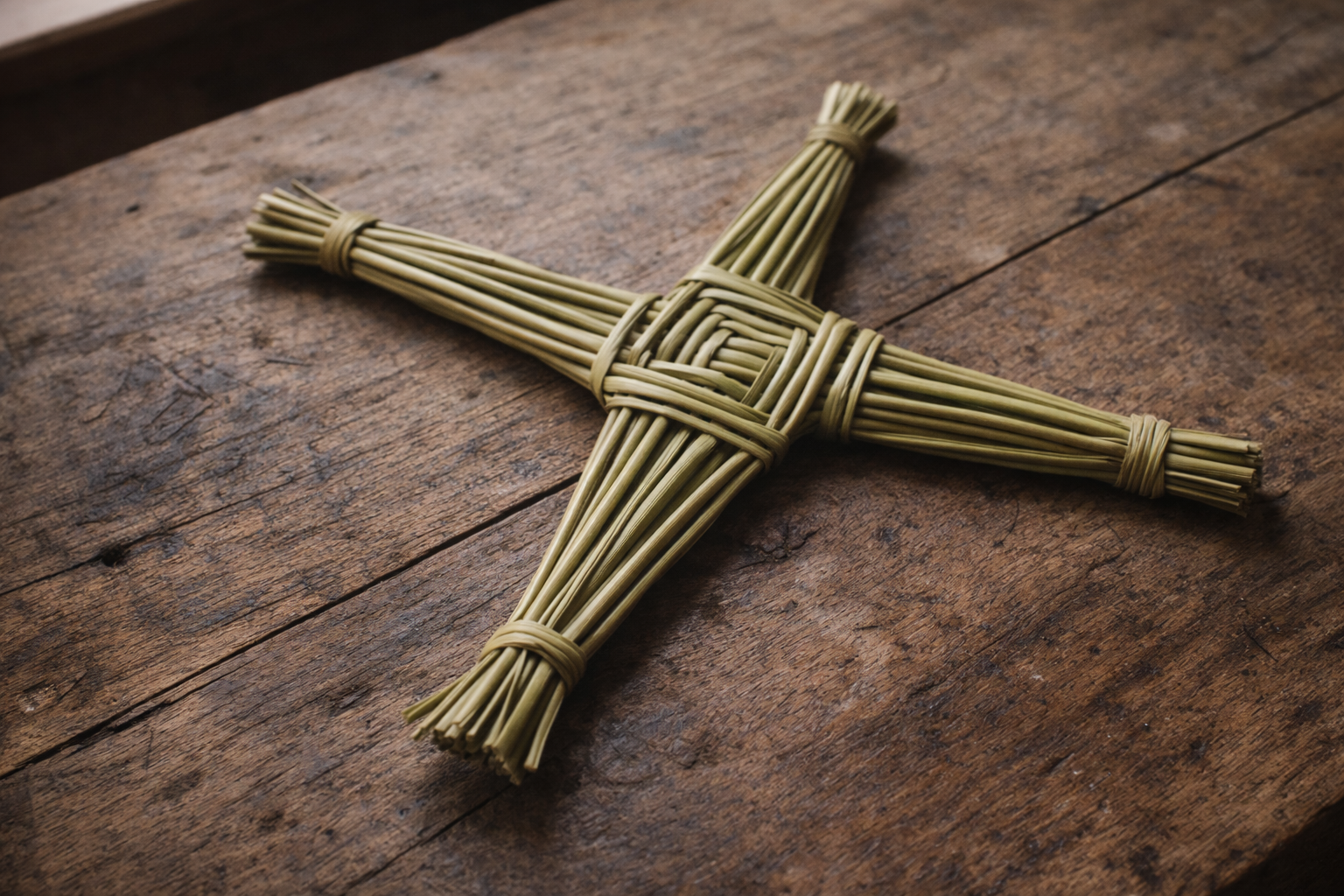
Brigid: Textual Fragment, Sacred Continuity, and Syncretic Survival
Brigid survives not through epic dominance but through adaptation. Fragmented in early Irish texts, sanctified in medieval Christianity, and carried forward in seasonal rites, her continuity is braided across myth, monastery, and household tradition.
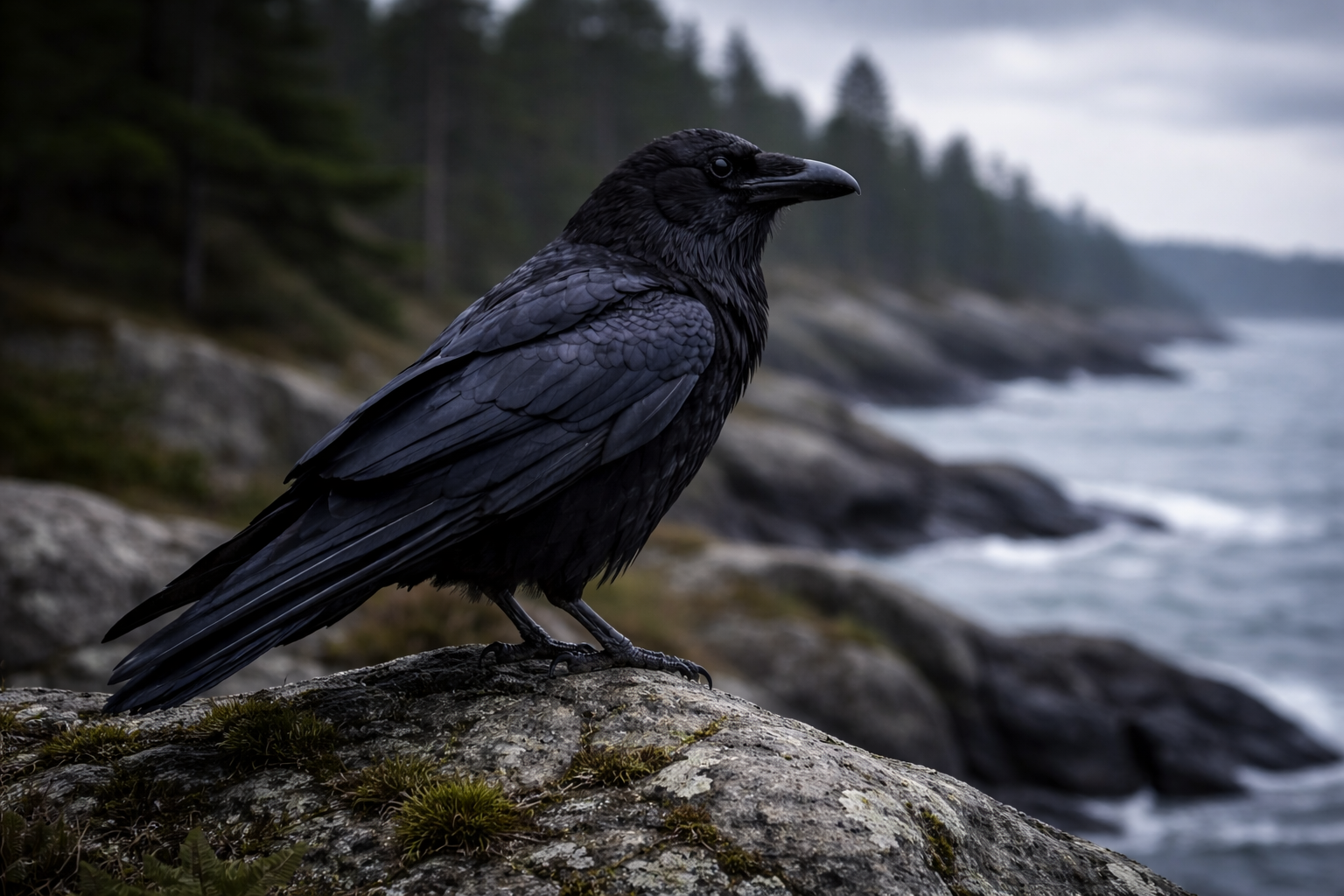
Odin: Textual Record, Cultic Context, and Later Reconstruction
Odin survives not as a single, unified deity but as a layered figure preserved through poetry, medieval prose, archaeology, and modern reconstruction. This study separates primary texts from later interpretation, tracing how the one-eyed god moved from oral tradition to manuscript — and into contemporary imagination.