Inanna: Sovereignty, Descent, and the Architecture of Divine Power in Early Mesopotamia
Inanna [ee-NAH-nah] stands among the most extensively attested deities of ancient Mesopotamia. Unlike figures preserved primarily through scattered genealogies or late redaction, her presence appears in temple hymns, royal inscriptions, mythic compositions, lexical lists, and administrative tablets spanning more than a millennium. Her name surfaces early in the urban history of southern Mesopotamia, particularly in connection with the city of Uruk [OO-rook], and continues across linguistic and political transitions into Akkadian, Babylonian, and Assyrian contexts.
This breadth of documentation, however, should not be mistaken for simplicity. The surviving record is layered. Sumerian literary texts from the late 3rd and early 2nd millennia BCE present one configuration of the goddess; later Akkadian materials shape another. Royal inscriptions frame her as patron and guarantor of kingship. Hymnic literature amplifies her authority in poetic form. Administrative tablets record offerings in her temples without theological explanation. Each genre reflects a distinct purpose.
The manuscripts themselves are also products of time. Many extant copies of Sumerian compositions date to the Old Babylonian period, preserving earlier traditions through scribal transmission. The archaeological record—temple foundations, votive objects, and inscribed dedications—anchors her cult in specific urban spaces, yet rarely clarifies ritual in full. What survives is substantial, but it is not uniform.
This article approaches Inanna as a historically stratified figure whose identity develops in tandem with Mesopotamian urbanization, political centralization, and cosmological systematization. It distinguishes between early Sumerian cult expression, Akkadian adaptation under the name Ishtar [ISH-tar], and later theological and political reinterpretations. It does not collapse these into a single timeless archetype.
What emerges is not a singular goddess frozen in myth, but a divine presence woven into the architecture of early civilization—embedded in city-building, kingship, warfare, sexuality, and celestial observation. To understand Inanna responsibly requires moving through text, stone, and context, allowing each layer to speak in its own historical voice before drawing broader conclusions.
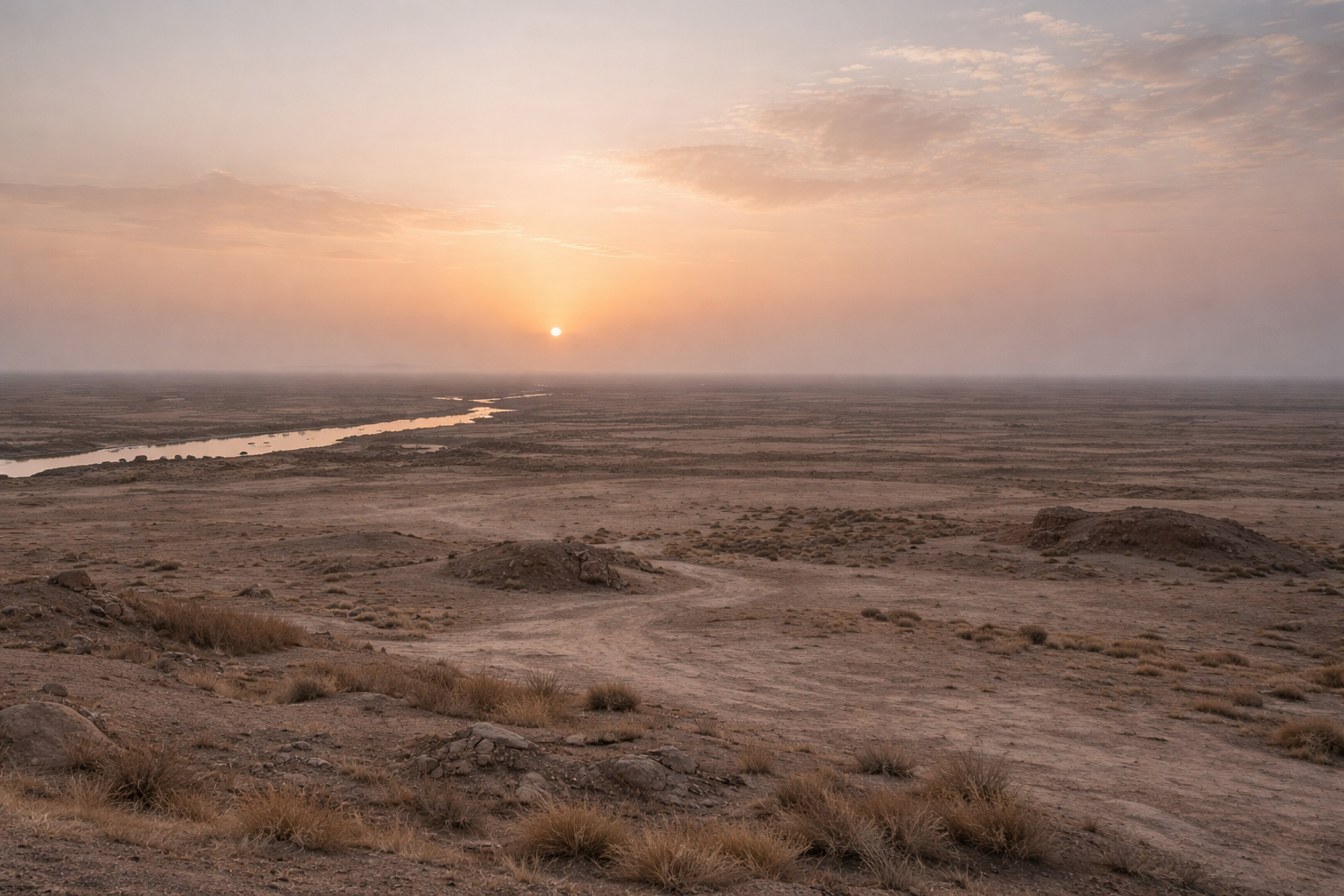
Mesopotamian plains at dawn
NAME, ETYMOLOGY, AND LINGUISTIC CONTEXT
The name Inanna appears in Sumerian sources in several orthographic forms, including Inana and Inanna. It is commonly analyzed as deriving from the Sumerian elements nin (“lady”) and an (“sky” or “heaven”), producing the conventional rendering “Lady of Heaven.” While this translation is widely accepted, Sumerian is a language isolate, and its internal etymologies are not always as transparent as later Indo-European constructions. The interpretation is structurally plausible, but it must be treated as a scholarly reconstruction rather than a native theological gloss.
The cuneiform sign most frequently used for her name incorporates the star determinative (𒀭), a marker placed before divine names. This association reinforces her celestial dimension in the textual record. By the early 2nd millennium BCE, the Akkadian form Ishtar emerges as the dominant rendering in Semitic-speaking regions of Mesopotamia. The shift from Inanna to Ishtar reflects linguistic adaptation rather than erasure. Sumerian and Akkadian traditions coexist for centuries, and texts often preserve parallel naming conventions depending on genre and region.
Importantly, Inanna and Ishtar are not merely phonetic equivalents. The Akkadian form carries theological development shaped by new political environments. While continuity between the Sumerian and Akkadian goddess is substantial, the linguistic transition signals cultural integration rather than simple translation.
Linguistic Spread and Regional Continuity / Cultural Implication
Inanna’s earliest attested cult center is Uruk in southern Mesopotamia. As Akkadian rose to prominence, the name Ishtar spread across a broader geographic field—Babylonia, Assyria, and into peripheral regions influenced by Mesopotamian culture. Local epithets and regional variants appear in inscriptions, suggesting that while the goddess retained core attributes, her emphasis could shift depending on political and urban context.
The linguistic spread mirrors imperial and trade networks. As cities expanded influence, so did their patron deities. The adoption of Ishtar in Akkadian-speaking regions indicates theological portability—her identity could be integrated into new linguistic systems without dissolving entirely into local cults.
This spread implies flexibility.
It does not imply uniformity.
Regional devotion does not guarantee identical theology across centuries or cities. A name preserved across languages signals continuity of recognition; it does not freeze meaning.
A Caution Against Overreach
Etymology offers structural insight. It does not supply narrative content.
The translation “Lady of Heaven” foregrounds celestial association, but the textual corpus shows that Inanna’s domains extend beyond sky symbolism into sexuality, warfare, kingship, and civilizational order. The name alone cannot account for this range.
Similarly, the transition from Inanna to Ishtar should not be framed as total reinvention or seamless sameness. Linguistic continuity suggests theological relationship, but each corpus must be examined in its own historical setting. Later imperial theology often amplifies certain attributes—particularly martial authority—in ways that reflect shifting political landscapes.
In short:
The name establishes elevation and celestial alignment.
The texts establish function.
The context establishes emphasis.
Responsible study keeps those categories distinct.
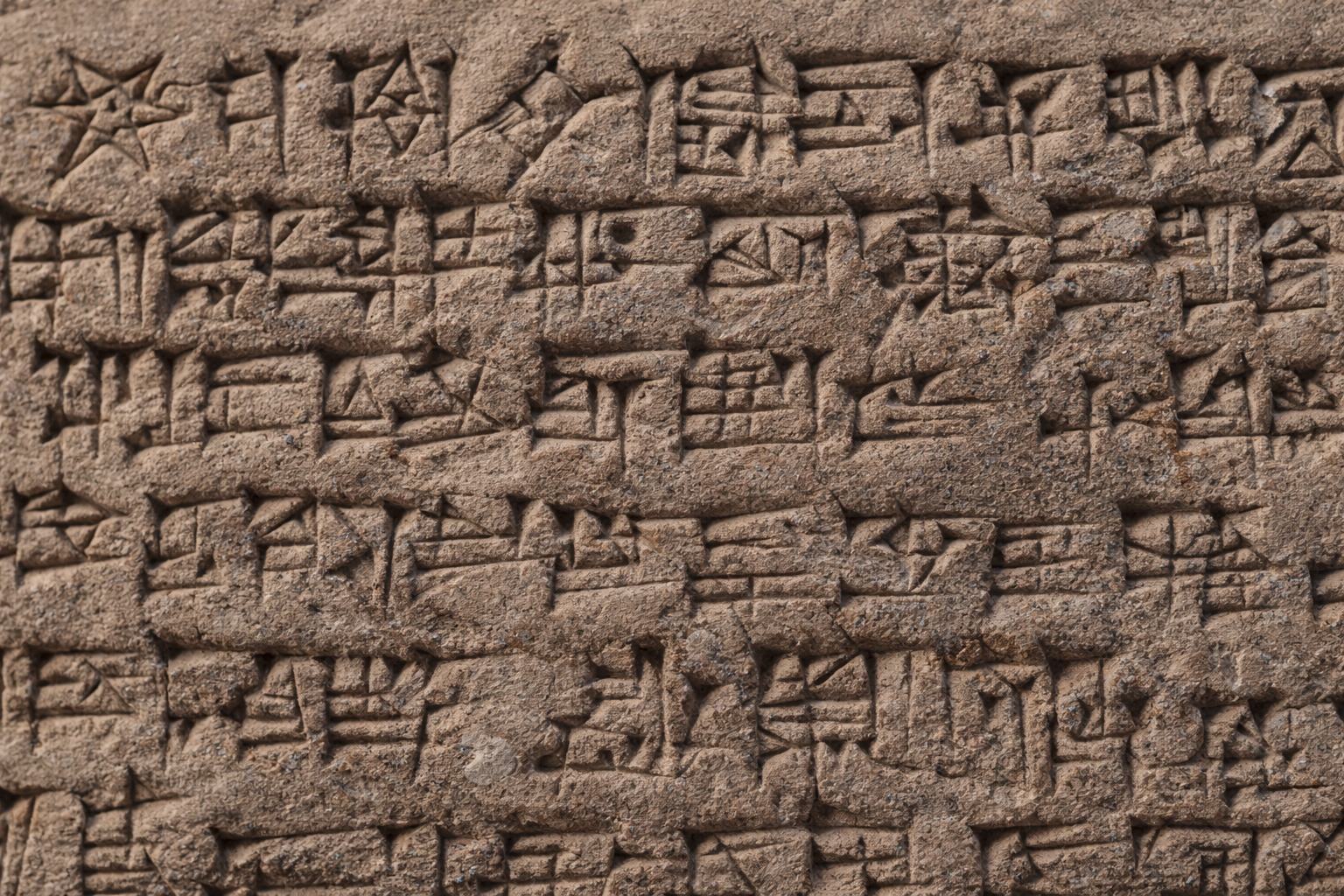
Ancient Sumerian tablet close-up
PRIMARY TEXTUAL RECORD
Inanna’s textual presence is unusually robust for a deity of the ancient world. Unlike figures known primarily through scattered inscriptional references, she appears in sustained literary compositions, temple hymns, royal inscriptions, and administrative records spanning centuries.
The majority of surviving tablets date to the Old Babylonian period (c. 2000–1600 BCE), though many preserve earlier Sumerian traditions. These tablets were copied in scribal schools, meaning the versions we possess are academically translated of earlier material rather than pristine originals. This does not invalidate them. It situates them.
The corpus includes:
• Sumerian mythic compositions
• Temple hymns centered on Uruk’s Eanna precinct
• Royal inscriptions invoking her authority
• Akkadian literary adaptations under the name Ishtar
Three compositions are particularly central.
The Descent of Inanna presents the goddess entering the underworld, passing through seven gates where she is stripped of regalia and authority before being judged and executed. The structure is procedural. Gates, removal of insignia, pronouncement of judgment. The narrative reads less as allegory and more as cosmic legal drama. Her return is negotiated through substitution. The text emphasizes order, exchange, and consequence.
Inanna and Enki (Inanna and the Me) situates the goddess within the infrastructure of civilization. The me—divine decrees governing kingship, priesthood, craft, sexuality, music, and social institutions—are transferred to her city, Uruk. The narrative is not pastoral. It is urban. It links the goddess directly to administrative and ceremonial order.
The Exaltation of Inanna, attributed to Enheduanna [en-heh-doo-AHN-nah], offers one of the earliest named authors in world literature. Here, Inanna is invoked as overwhelming, destabilizing, and politically decisive. The language is intense. Authority is not gentle. Power is not abstract. The hymn functions both devotionally and politically, reinforcing the goddess’s centrality in state theology.
In Akkadian texts, particularly in Assyrian royal inscriptions, Ishtar’s martial dimension sharpens. She is invoked as patron of victory, destroyer of enemies, and guarantor of imperial expansion. The erotic and celestial aspects remain, but warfare becomes rhetorically dominant in certain contexts.
It is essential to distinguish between genres.
Mythic narrative is not temple manual.
Royal inscription is not neutral theology.
Hymnic exaltation is not administrative record.
Together, however, they reveal scale.
Inanna is not marginal in the early record.
She appears at the level of city foundation, kingship legitimacy, celestial observation, and cosmic boundary.
The literary record does not present a minor fertility figure later inflated by modern imagination.
It presents a structurally central goddess embedded in the political and cosmological architecture of early Mesopotamia.
And unlike Odin — whose preservation is filtered through medieval Christianity — Inanna’s problem is not religious suppression.
It is accumulation.
We do not lack material.
We must stratify it.
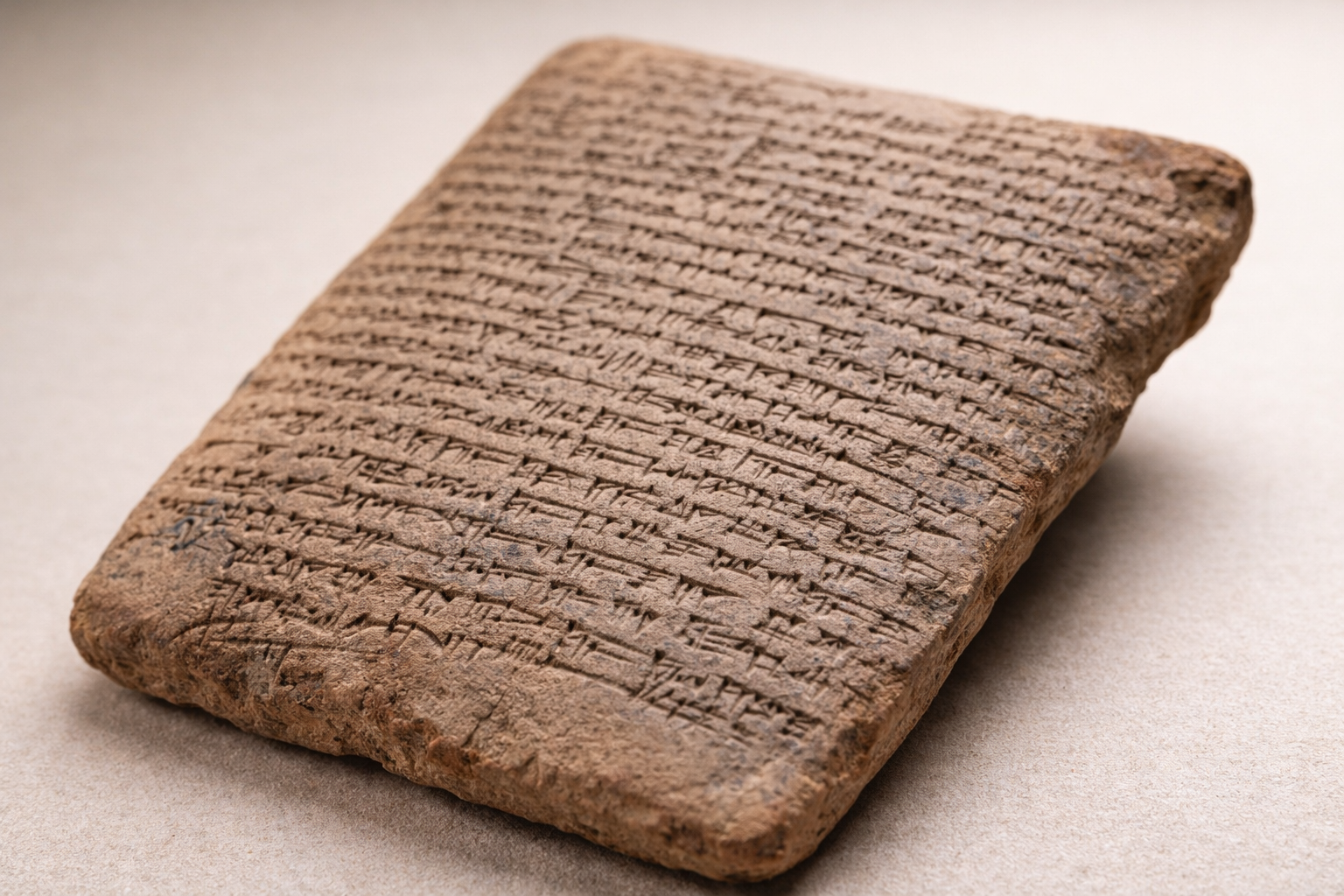
Ancient Mesopotamian cuneiform tablet close-up
DOMAINS IN CONTEXT
Inanna’s domains are frequently summarized as love, war, and the planet Venus. While not incorrect, this compression risks flattening a figure whose textual record demonstrates structural involvement in the mechanisms of early urban civilization.
To understand her responsibly, domains must be grounded in attested material rather than modern shorthand.
1) Sexuality, Desire, and Generative Force
Inanna’s association with erotic power is unmistakable in Sumerian hymn and myth. The so-called “Sacred Marriage” hymns depict union between Inanna and a kingly figure (often identified with Dumuzi [doo-moo-zee]), framed in explicitly sensual language. These compositions are not private devotional poetry. They are ceremonial texts embedded in royal ideology.
Sexuality in this context is not romance.
It is agricultural fertility, dynastic legitimacy, and divine sanction of rule.
The language is bodily. The implications are political.
In Akkadian material, Ishtar retains strong erotic identity. She is depicted as lover, seductress, and destabilizing force in several narratives. Yet these portrayals are not uniform praise. Some texts emphasize volatility and danger. Desire is creative. It is also disruptive.
Inanna’s erotic dimension operates at the level of fertility, kingship, and social order—not private sentiment.
2) Warfare and Political Authority
By the Old Babylonian and especially Assyrian periods, Ishtar’s martial aspect becomes pronounced in royal inscriptions. Kings invoke her before campaigns. She is described as granting victory, marching with armies, and shattering enemies.
This does not represent an abrupt invention. Even early Sumerian hymns contain language of battle and overwhelming force. What shifts over time is emphasis. As Mesopotamian states expand and militarize, the goddess’s war function becomes rhetorically central.
Importantly, warfare in the Mesopotamian context is inseparable from sovereignty. Military success validates rule. Divine favor legitimizes conquest.
Inanna’s martial role aligns with state formation and imperial expansion. She is invoked as guarantor of victory and stability through force.
3) Kingship and the Architecture of Civilization
In Inanna and the Me, the goddess acquires the divine decrees that structure civilization: offices, crafts, ritual roles, social norms, and institutions. This narrative situates her not merely as participant in cosmic drama but as custodian of urban order.
Kings consistently invoke her in foundation inscriptions and dedicatory texts. She is not a peripheral city goddess. In Uruk especially, she is foundational.
Inanna’s authority is civic. She stands within the administrative and ceremonial core of early Mesopotamian cities.
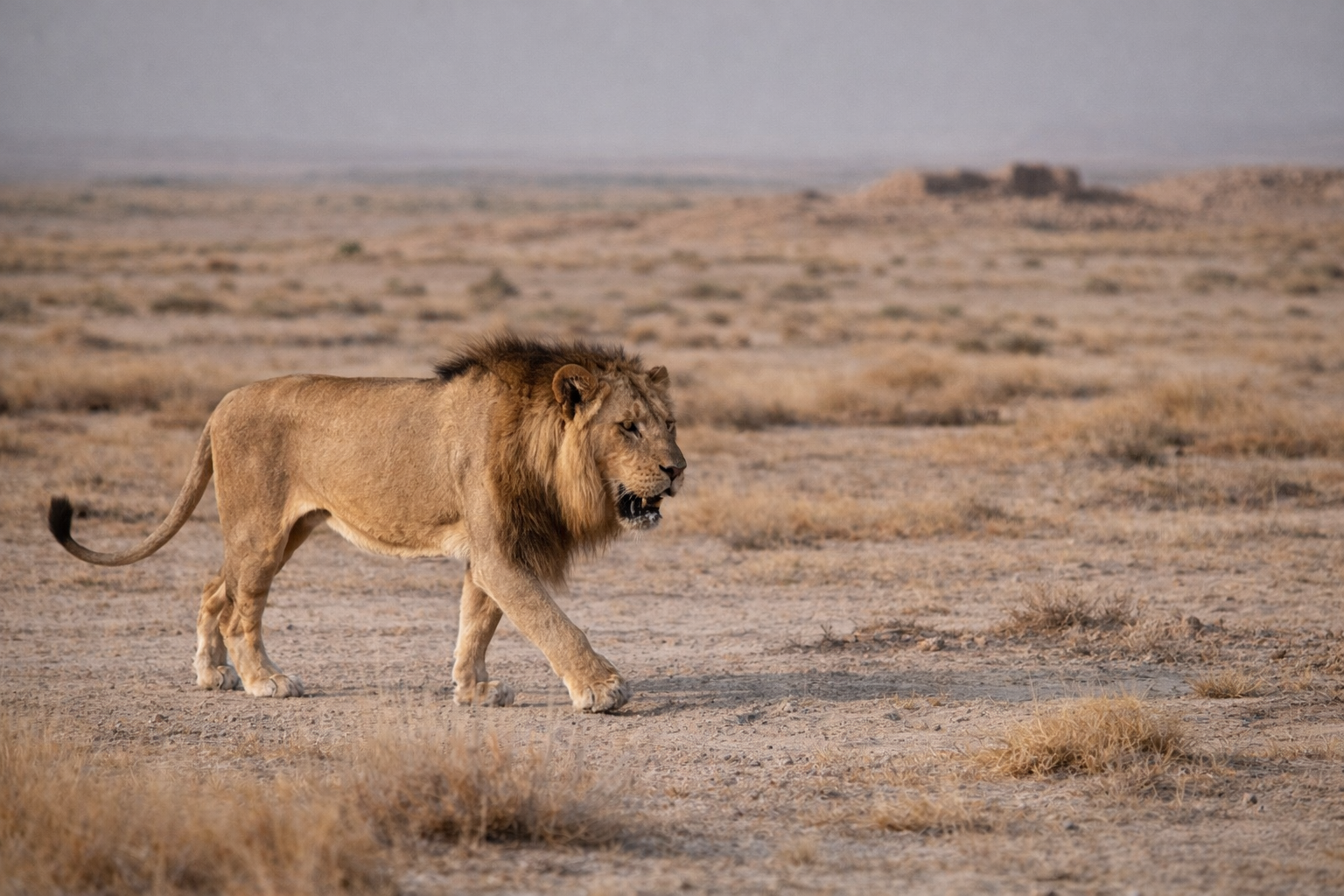
Lion in an arid landscape
4) Celestial Identity and the Planet Venus
The association between Inanna/Ishtar and the planet Venus is well attested in Mesopotamian astronomical tradition. Venus’s dual appearance as morning and evening star carries symbolic resonance—visibility at liminal times, alternation between presence and disappearance.
While modern retellings often romanticize this association, ancient texts integrate celestial observation into omen literature and calendrical systems. The celestial dimension reinforces her prominence rather than defining it in isolation.
The Venus association situates Inanna within Mesopotamian astronomical and omen traditions, reinforcing her status as a deity operating across terrestrial and celestial domains.
5) Descent, Boundary, and Legal Structure
The Descent of Inanna situates the goddess at the threshold between life and death. The narrative emphasizes procedural removal of power—crown, necklace, breastplate, garments—before judgment.
This is not symbolic therapy.
It is cosmic jurisprudence.
The underworld operates by rule. Inanna submits to process. Her return requires exchange.
Inanna’s descent underscores her entanglement with cosmic boundary and institutional order, not merely emotional transformation.
The Thread That Connects These Domains
Erotic power. Warfare. Kingship. Celestial movement. Civilizational decree. Descent through gates.
These are not unrelated spheres.
They converge around sovereignty.
Inanna governs transition points:
Union and separation.
City and wilderness.
Victory and defeat.
Visibility and disappearance.
Life and underworld.
Her domains are not gentle abstractions. They mirror the pressures of early urban life—agriculture, expansion, law, cosmic order.
Modern correspondences often isolate “love goddess” or “war goddess” as separate archetypes.
The textual record does not.
It presents a deity embedded in the machinery of civilization itself.
And that is the scale at which she must be understood.
ARCHAEOLOGICAL AND CULTIC EVIDENCE
If the textual corpus establishes scale, archaeology asks a different question:
Where was Inanna worshipped?
And what can be demonstrated beyond literary preservation?
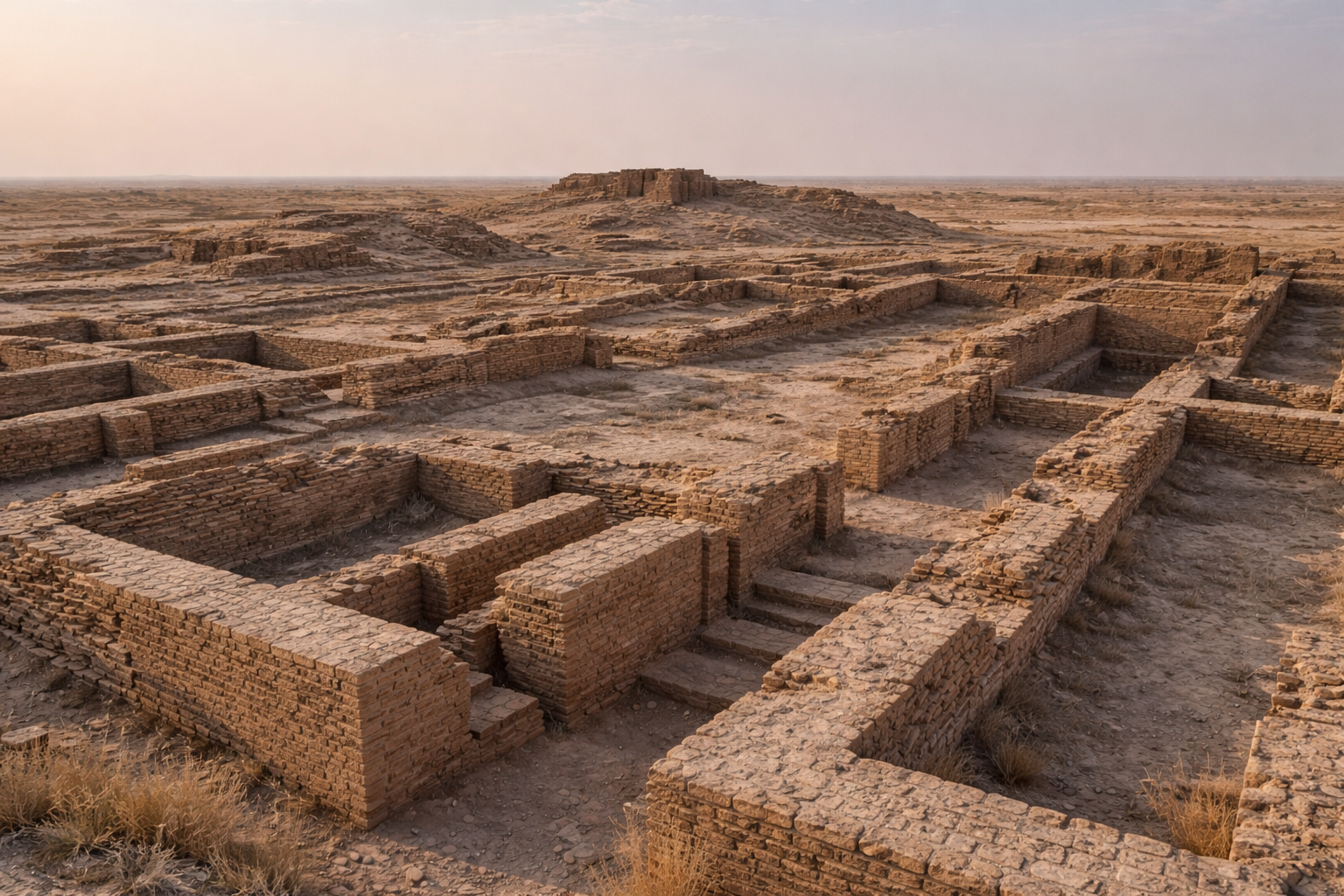
The material record is strongest in southern Mesopotamia, particularly at Uruk, where the Eanna precinct functioned as a major cult center from the late 4th millennium BCE onward. Excavations reveal monumental temple architecture associated with sustained religious activity across centuries. Administrative tablets recovered from these contexts record offerings, personnel, and temple economy—evidence of institutionalized cult practice rather than isolated devotion.
Unlike later Mediterranean traditions, Mesopotamian religion leaves no preserved liturgical manuals detailing ritual sequence in narrative form. Instead, we reconstruct practice through:
• Temple inventories
• Offering lists
• Foundation inscriptions
• Dedications on votive objects
These are administrative and commemorative documents, not theological explanations.
Temple Context and Urban Centrality
The Eanna complex in Uruk demonstrates that Inanna’s cult was architecturally central, not peripheral. Monumental building phases indicate long-term state investment. Temple institutions in Mesopotamia were economic engines, employing labor, managing land, and redistributing goods. To say Inanna had a temple is to say she had infrastructure.
Her cult was not private.
It was civic.
In later periods, Ishtar temples appear in multiple Mesopotamian cities, each with local emphasis. Regional variation is expected in a landscape of competing city-states. A shared divine name does not imply identical ritual across locations.
Ruins of ancient Eanna precinct
Iconography and Attribution
Cylinder seals from various periods depict a female figure standing upon or accompanied by lions, often armed, sometimes winged. These images are frequently identified as Inanna or Ishtar, particularly when accompanied by inscriptions naming her.
However, iconographic attribution requires caution.
Not every lion-associated female figure can be conclusively identified as Inanna. Context and inscription determine confidence. Some debated artifacts—most notably the so-called “Burney Relief”—have been alternately identified as Inanna, Ishtar, or other underworld-associated figures. Scholarly disagreement remains.
Stone offers evidence.
It does not always offer certainty.
Inscriptions and Royal Dedication
Royal inscriptions invoking Inanna/Ishtar provide clearer cultic grounding. Kings dedicate buildings to her, claim her favor, and attribute military success to her support. These inscriptions function both as piety and propaganda.
They confirm:
• Active temple patronage
• Integration into state ideology
• Public recognition of her authority
They do not describe private ritual in detail.
What Archaeology Does Not Provide
We do not possess:
• Fully preserved ritual scripts from Inanna’s temple
• Systematic priesthood manuals explaining theological doctrine
• Uniform iconography across all regions and periods
Mesopotamian religion was regionally dynamic and historically adaptive. Archaeology reveals institutional continuity and material investment. It does not supply a single, standardized theology.
The tension between text and material remains instructive.
Literary sources depict Inanna as cosmic, sovereign, overwhelming.
Archaeology shows temples, offerings, and administrative systems embedded in urban life.
One magnifies.
One grounds.
Together, they confirm not merely mythic presence, but cultic centrality.
Inanna was not a literary invention preserved by accident.
She was built into brick and clay.
FOLKLORE AND EARLY MODERN SURVIVAL / INTERPRETATION
Unlike figures preserved in medieval European folklore, Inanna does not pass into a continuous, village-based oral tradition following the decline of Mesopotamian city-states. The religious systems of Sumer, Akkad, Babylonia, and Assyria did not survive as living folk religion into the early modern period in the way some European traditions did.
This absence matters.
There is no documented chain of household customs, seasonal rites, or vernacular practices demonstrably preserving Inanna in post-antique Mesopotamia. By the late first millennium BCE, shifts in imperial power, linguistic change, and religious transformation gradually restructured the pantheon. Over time, cuneiform literacy declined, temple institutions dissolved, and the textual tradition itself fell out of use.
Inanna’s survival, therefore, is not folkloric.
It is archaeological.
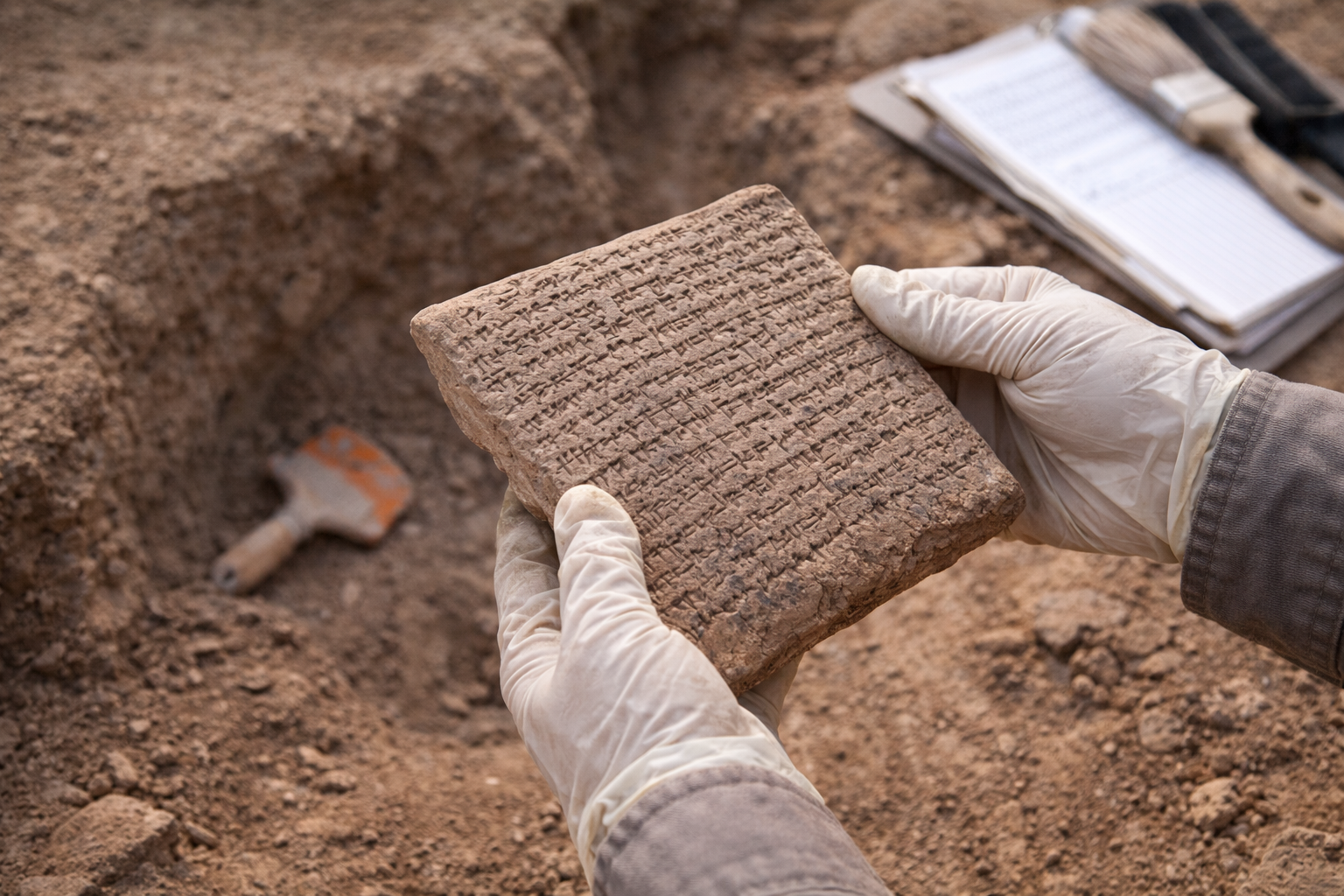
Her name endured buried in clay tablets, preserved through excavation rather than uninterrupted devotion. When modern scholarship recovered Sumerian and Akkadian texts in the 19th and early 20th centuries, Inanna re-entered historical consciousness not as inherited folk memory but as deciphered record.
This distinction shapes interpretation.
Early Assyriology often framed Mesopotamian deities through Biblical comparison, classical analogy, or evolutionary models of religion. Ishtar, in particular, was sometimes sensationalized in early scholarship—especially in discussions of temple sexuality—reflecting Victorian interpretive frameworks more than ancient documentation.
Thus, Inanna’s “early modern survival” occurs not through hearth practice but through academic reconstruction.
She becomes an object of study before she becomes a figure of revival.
The absence of continuous folk tradition does not diminish her importance.
It clarifies her mode of return.
Inanna survives through excavation reports, philological analysis, museum collections, and translation projects. Her re-emergence is mediated by scholarship rather than carried quietly through seasonal repetition.
And that difference will matter when we move to modern reconstruction.
MODERN RECONSTRUCTION AND REVIVAL MOVEMENTS
Inanna’s modern reappearance does not arise from uninterrupted ritual lineage. It emerges through translation, publication, and reinterpretation. Once Sumerian and Akkadian texts were deciphered, the goddess moved from buried archive into academic discourse—and from there into contemporary spiritual imagination.
Modern engagement with Inanna tends to develop along several overlapping paths.
1) Literary and Academic Recovery
Translations of Sumerian hymns and myths in the 20th century made compositions such as The Descent of Inanna widely accessible. Scholars foregrounded her antiquity, political centrality, and thematic complexity. In academic contexts, she became evidence of early urban religious development, gendered power structures, and the integration of cosmology with kingship.
This recovery was textual and analytical.
It did not attempt ritual reconstruction.
2) Feminist and Archetypal Interpretation
In the later 20th century, particularly during the 1970s and 1980s, Inanna (often under the Akkadian name Ishtar) was adopted within feminist spiritual movements as a symbol of female autonomy, erotic sovereignty, and descent-into-transformation narratives.
The Descent myth, in particular, became interpreted through psychological and initiatory frameworks. The underworld journey was read as metaphor for personal integration or empowerment.
Such readings are modern.
They are interpretive expansions built upon ancient text, not documented ancient theology.
The value of these interpretations lies in contemporary resonance, not in historical proof.
Archaeologist handles ancient cuneiform tablet
3) Mesopotamian Polytheist Reconstruction
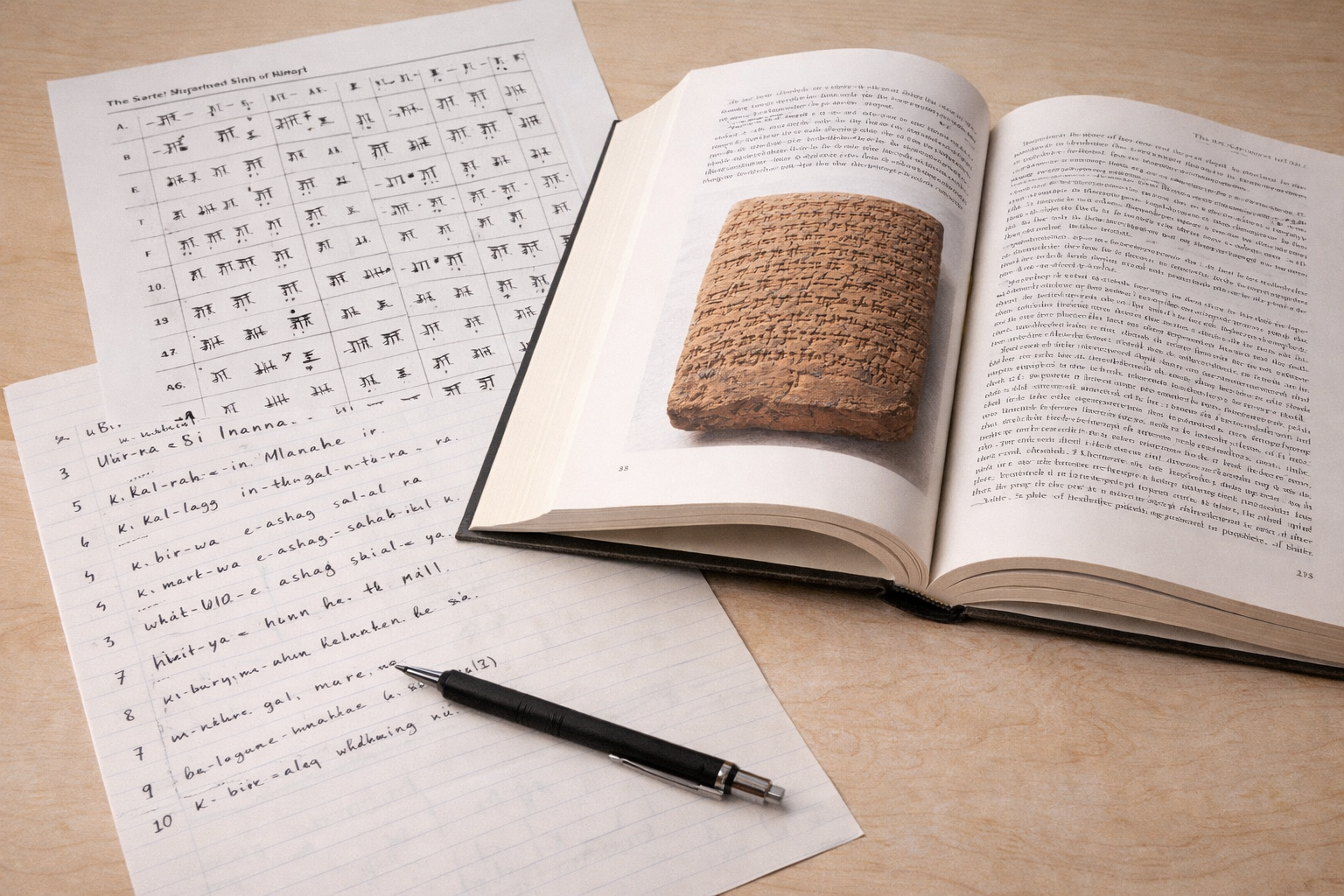
A smaller but growing number of practitioners attempt reconstruction of Mesopotamian religious practice based on cuneiform scholarship. These efforts rely on translated hymns, offering lists, and temple records to approximate historically grounded devotion.
Here, methodological clarity becomes crucial.
Reconstruction must distinguish between:
• What is directly attested
• What is inferred
• What is adapted for modern context
Ancient Mesopotamian temple religion was state-centered and economically integrated. Modern private practice inevitably differs in scale and structure.
4) Popular Culture and Symbolic Adaptation
Inanna and Ishtar also appear in literature, comparative mythology works, and modern esoteric writing. In some cases, she is blended with other ancient Near Eastern figures without strict historical differentiation. In others, she is invoked as archetype of sacred sexuality or divine femininity in generalized form.
These portrayals expand her symbolic reach.
They also risk flattening historical specificity.
The archive position is not to dismiss modern revival.
It is to label it clearly.
Modern Inanna is layered upon excavated Inanna.
Psychological descent is layered upon juridical descent.
Empowerment language is layered upon urban sovereignty.
Reconstruction and reinterpretation are forms of engagement.
They are not primary evidence.
Clarity preserves both scholarship and sincerity.
And without clarity, the layers blur.
SCHOLARLY DEBATES
Inanna studies are not defined by scarcity of evidence, but by interpretive tension. The textual and archaeological record is substantial. The disagreement lies in how that material should be read.
Several debates recur consistently in scholarship.
1) Inanna and Ishtar: Continuity or Transformation?
One of the central questions concerns the relationship between Sumerian Inanna and Akkadian Ishtar.
Are they:
• The same deity expressed through linguistic adaptation?
• Closely related but culturally distinct figures?
• A theological merger shaped by imperial consolidation?
The continuity of domains—sexuality, warfare, kingship, celestial identity—suggests strong structural inheritance. Yet Akkadian texts sometimes emphasize martial rhetoric more sharply, particularly in Assyrian royal contexts.
The archive position remains cautious:
Continuity is substantial.
Uniformity is not provable.
2) The Meaning of the Descent
Interpretations of The Descent of Inanna vary widely.
Some scholars treat the text primarily as:
• A ritual drama reflecting seasonal or agricultural cycles
• A political allegory
• A cosmological explanation of death’s permanence
• A literary exploration of institutional law
Modern psychological readings—initiation, shadow integration, empowerment—are largely contemporary developments.
The text itself emphasizes procedure, exchange, and consequence. Whether it reflects ritual enactment or remains purely literary composition remains debated.
3) Sacred Sexuality and Temple Practice
Few topics have generated as much controversy as the question of so-called “sacred prostitution.”
Early scholarship—especially in the 19th and early 20th centuries—asserted widespread ritualized sexual service within Ishtar temples. Later scholarship has challenged the evidentiary basis for this claim, arguing that many assumptions relied on misread classical sources or extrapolation beyond the Mesopotamian record.
Administrative texts attest to temple personnel and ritual structure. They do not provide clear procedural descriptions of institutionalized sacred sexuality in the form often imagined.
The debate continues, but consensus has shifted toward caution.
Cuneiform study desk setup
4) Political Theology vs. Popular Devotion
Was Inanna primarily a state goddess tied to urban elites and kingship, or did she function equally within household-level devotion?
Temple infrastructure and royal inscriptions suggest strong civic integration. Direct evidence of domestic cult practice is more limited. As with many ancient religions, the visibility of elite structures does not automatically erase popular devotion—but neither can it be assumed without documentation.
5) Iconographic Identification
Artifacts such as the Burney Relief remain contested. Identification hinges on iconographic comparison, inscriptional absence or presence, and interpretive tradition.
Some scholars identify the relief as Ishtar due to nudity, wings, and association with lions. Others argue for alternative underworld figures based on owl imagery and posture.
Stone does not label itself.
Interpretation fills gaps.
These debates do not weaken the study of Inanna.
They clarify its boundaries.
Disagreement marks active scholarship, not instability.
What emerges across disputes is consistent scale:
Inanna/Ishtar was central to Mesopotamian religious imagination.
She was politically significant.
She was not marginal or late invention.
Beyond that, nuance replaces certainty.
And nuance is where responsible study resides.
STRUCTURE AND SURVIVAL
Inanna does not survive as rumor.
She survives in clay.
Her name appears in temple inventories, royal inscriptions, hymnic exaltation, mythic composition, and astronomical association. She is embedded in the infrastructure of early urban life—visible in architecture, administration, kingship rhetoric, and cosmological literature. Few ancient deities are documented across so many genres and centuries.
What can be stated with confidence:
She was central to the religious life of Uruk and remained significant across linguistic and political transitions.
Her domains included sexuality, warfare, kingship, and celestial identity.
She was integrated into civic, ceremonial, and imperial frameworks.
What remains interpretively complex:
The precise structure of temple ritual.
The balance between literary myth and enacted liturgy.
The full theological implications of her transformation from Inanna to Ishtar.
Unlike figures whose survival depends on medieval redaction, Inanna’s record is ancient and continuous within the lifespan of Mesopotamian civilization. Yet that continuity is layered across empires, languages, and political agendas. Her identity shifts in emphasis as city-states rise and fall. The goddess invoked in Sumerian hymn is not rhetorically identical to the one invoked in Assyrian war inscriptions—though both bear the same name.
Her endurance is not folkloric.
It is institutional.
She is preserved because temple economies functioned.
Because scribes copied texts.
Because clay tablets endured burial.
When modern readers encounter Inanna, they do so through excavation, translation, and interpretation. That encounter is mediated—but it is grounded in substantial documentation.
She is neither minor fertility abstraction nor modern projection.
She is a deity woven into the architecture of early civilization—present at the gates of the underworld, at the foundation of cities, in the rhetoric of kings, and in the calculated movement of the morning and evening star.
To study her responsibly is not to romanticize her.
It is to follow the layers.
From text.
To brick.
To horizon.
If this examination shifted how you understand Inanna, continue exploring our archive — or share which layer of his history you find most compelling. I’m listening.

Twilight over the Mesopotamian plain
Works Consulted
Primary Sources
The Electronic Text Corpus of Sumerian Literature (ETCSL). University of Oxford.
Dalley, Stephanie. Myths from Mesopotamia. Oxford University Press.
Foster, Benjamin R. Before the Muses. CDL Press.
Hallo, William W., and Younger, K. Lawson. The Context of Scripture.
Archaeological Sources
Excavation reports from Uruk (Eanna precinct publications).
British Museum collections (Burney Relief).
Cylinder seal catalogues (various museum archives).
Modern Scholarship
Assante, Julia. Studies on Ishtar and sexuality debates.
Bottéro, Jean. Religion in Ancient Mesopotamia.
Black, Jeremy & Green, Anthony. Gods, Demons and Symbols of Ancient Mesopotamia.
Westenholz, Joan Goodnick. Studies on Inanna/Ishtar traditions.