Witch’s Curio Cabinet
An Archive of Earthly Magic, Quiet Tools, and the Things That Remember
There is a particular kind of knowledge that does not announce itself.
It waits.
In the grain of wood worn smooth by hands long gone. In the scent of crushed leaves that lingers long after the fire dies. In stones that have watched mountains rise and fall without ever speaking of it.
The Witch’s Curio Cabinet is not merely a collection—it is a conversation between the human and the ancient. A place where objects are not inert, but attentive. Where every item, no matter how small, carries a lineage of use, belief, fear, reverence, or survival.
This is where the practical and the mythic blur into something quieter, older, and far more enduring.
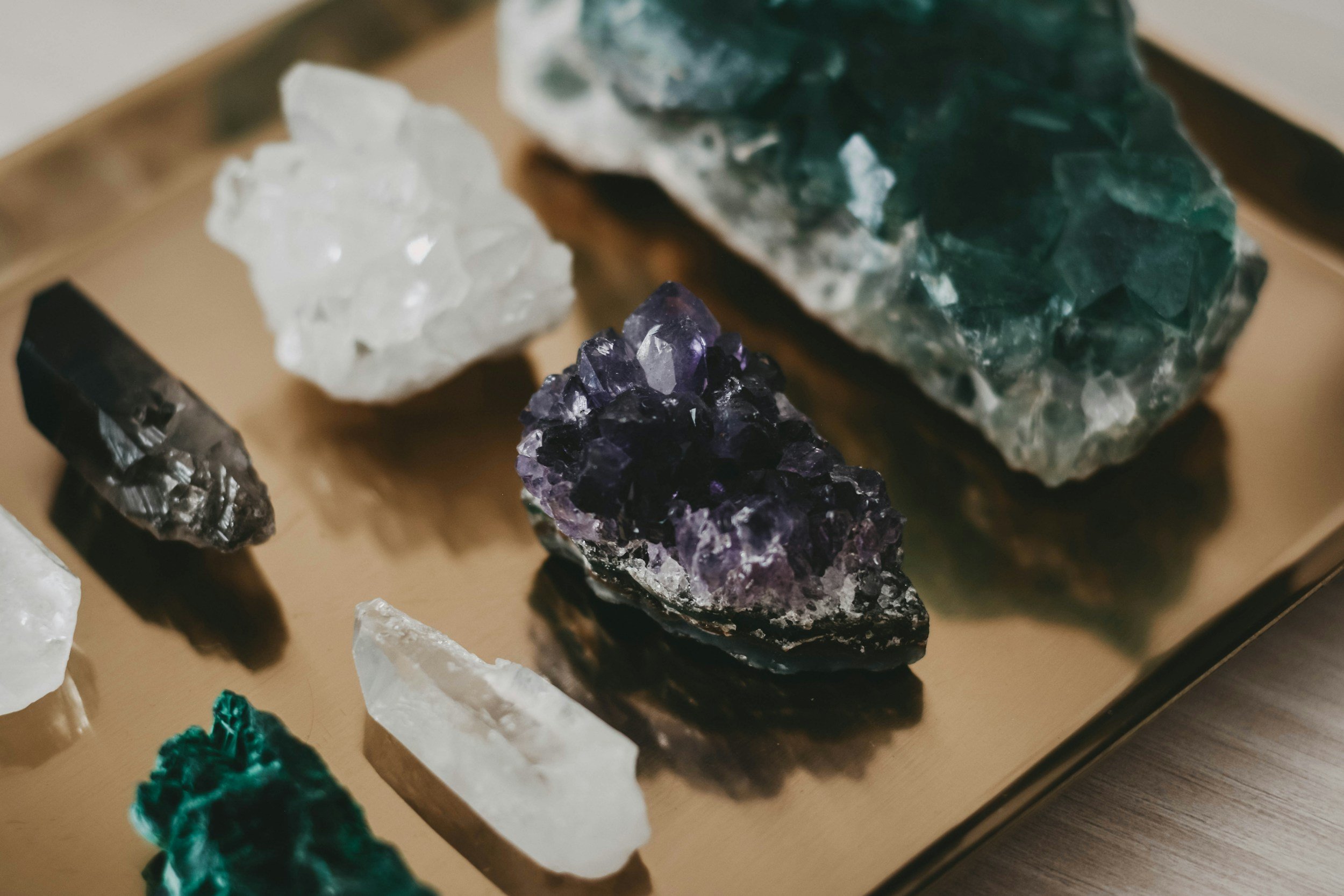
✧ Crystals, Stones & Gemstones
The Bones of the Earth, Remembering Pressure and Time
Long before they were sold in velvet-lined trays and labeled with neat little meanings, stones were something far less polite.
They were tools of protection. Markers of burial. Offerings. Weapons. Anchors.
Crystals and gemstones have been pulled from the earth across cultures not because they are pretty—but because they feel charged. Whether through mineral composition, light refraction, or sheer psychological projection, humans have long believed that stones hold and transmit energy.
Clear Quartz — often called an amplifier, used historically in ritual tools and lenses
Amethyst — associated with clarity, sobriety, and spiritual awareness
Black Tourmaline & Obsidian — protective stones, tied to boundaries and warding
Across traditions, stones appear in burial rites, divination tools, talismans, and architecture. From carved runes to crystal balls, they serve as both conduit and container.
Whether one believes in their metaphysical properties or not, stones remain what they have always been: fragments of deep time, held in the palm.
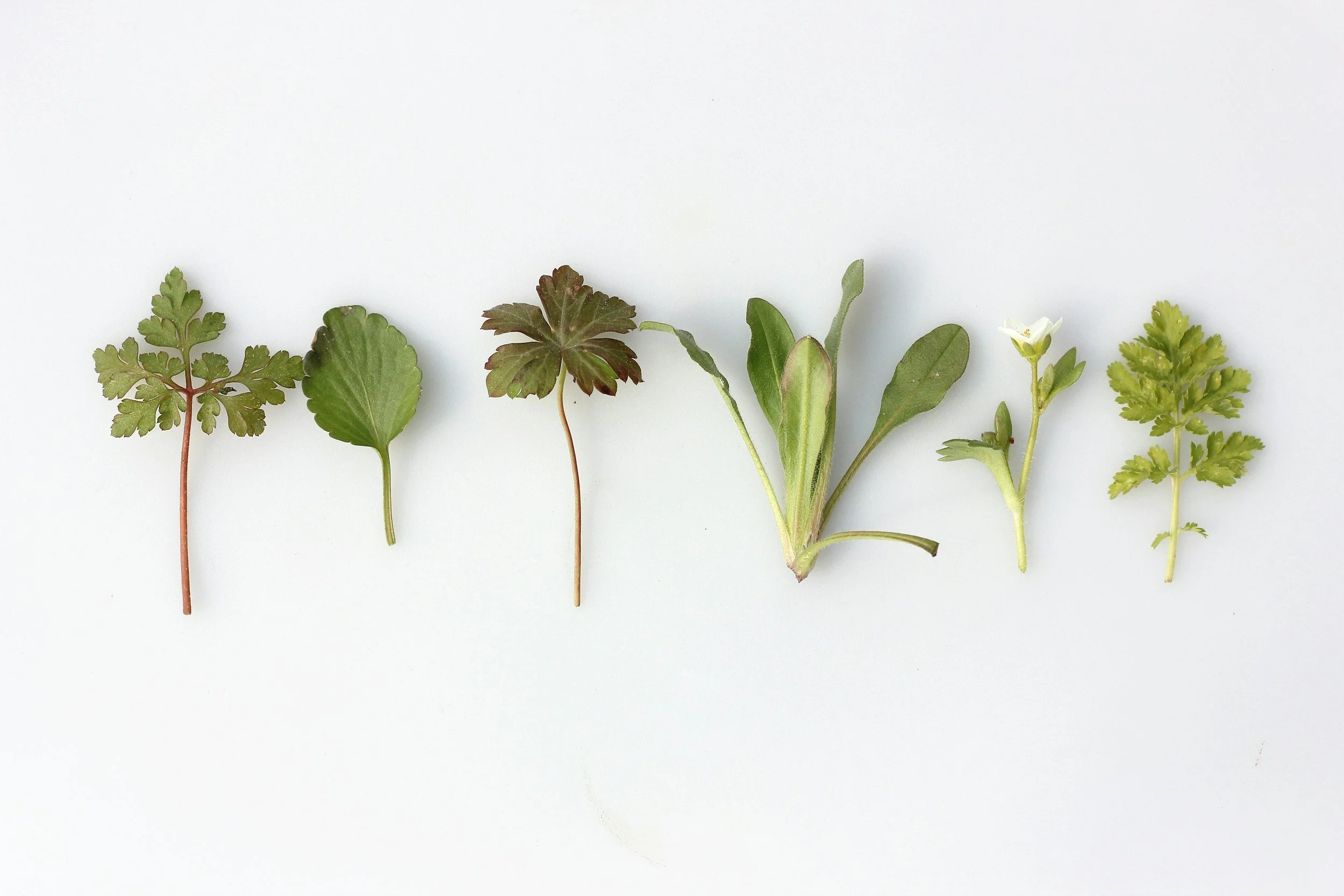
✧ Herbs & Flowers
The Green Language of Healing, Poison, and Memory
Plants do not care what we call them.
Medicinal. Magical. Poisonous. Sacred.
These are human categories placed upon living things that evolved for their own purposes—yet somehow, across centuries, we have learned to listen.
Herbs and flowers form one of the oldest relationships between humans and the natural world. Before written language, there was observation: which plants soothed, which harmed, which altered the mind, which brought dreams.
Lavender — calming, used in sleep and purification rites
Rose — tied to love, grief, and ritual offerings across cultures
Mugwort — associated with dreams, protection, and altered states
In folklore, plants are rarely neutral. They are allies, tricksters, or warnings. A flower may represent devotion—or death. A root may heal—or poison.
To work with plants is to participate in an ancient exchange: care, knowledge, and consequence.
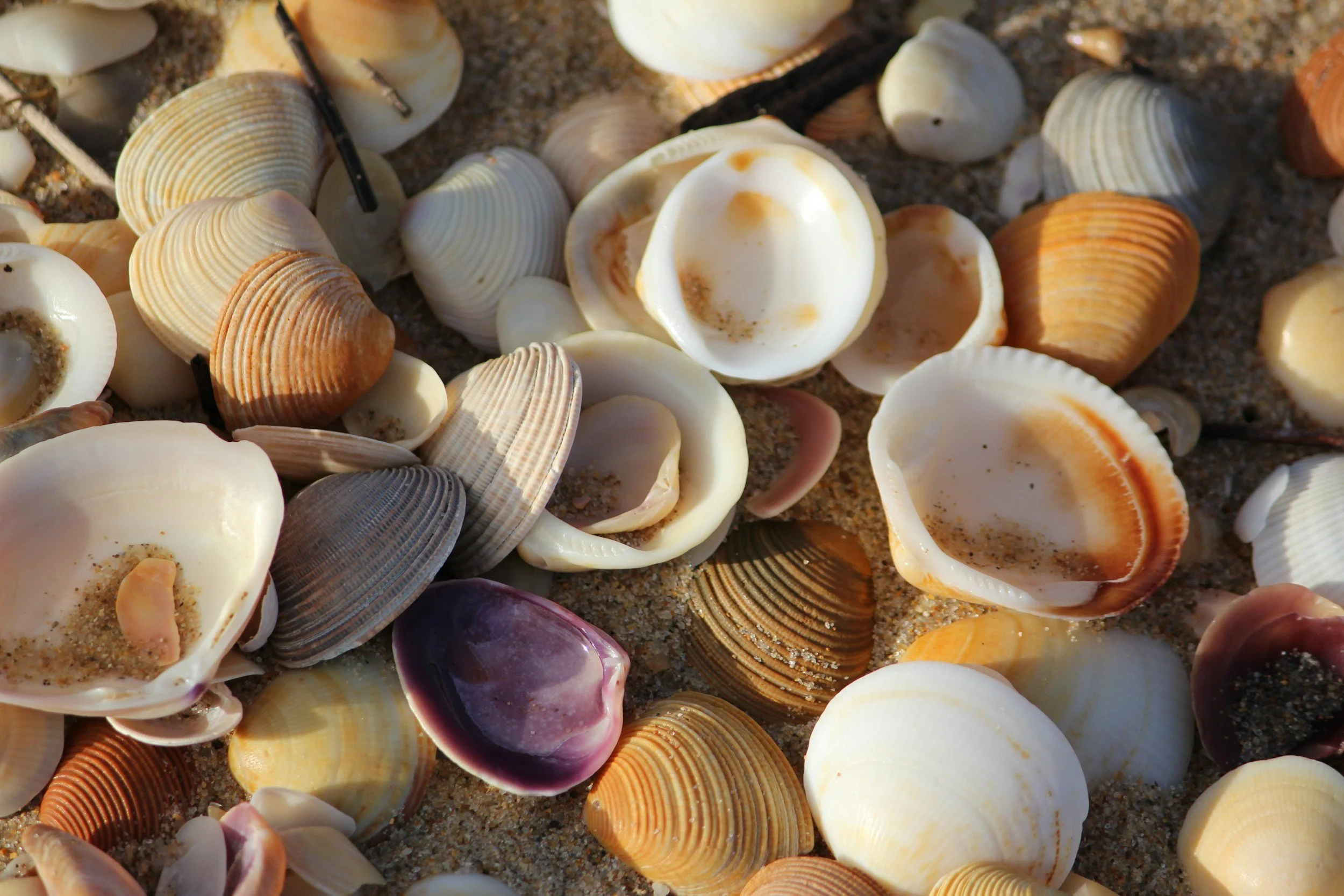
✧ Other Natural Curios
Bones, Feathers, Shells, and the Quiet Remains of Living Things
Not all tools are grown or mined. Some are left behind.
A feather caught in a fence. A shell smoothed by tide. A bone uncovered where the earth has shifted just enough to reveal what was once hidden.
These objects occupy a strange space—between life and after. They are remnants, but not empty ones.
Bones — used historically in divination, ritual, and remembrance
Feathers — symbols of air, spirit, and communication between worlds
Shells — tied to water, cycles, and the threshold between land and sea
Across cultures, such items have been used as protective charms, storytelling tools, or sacred relics. They are not decorative—they are evidence.
Proof that something lived. And, perhaps, that something lingers.
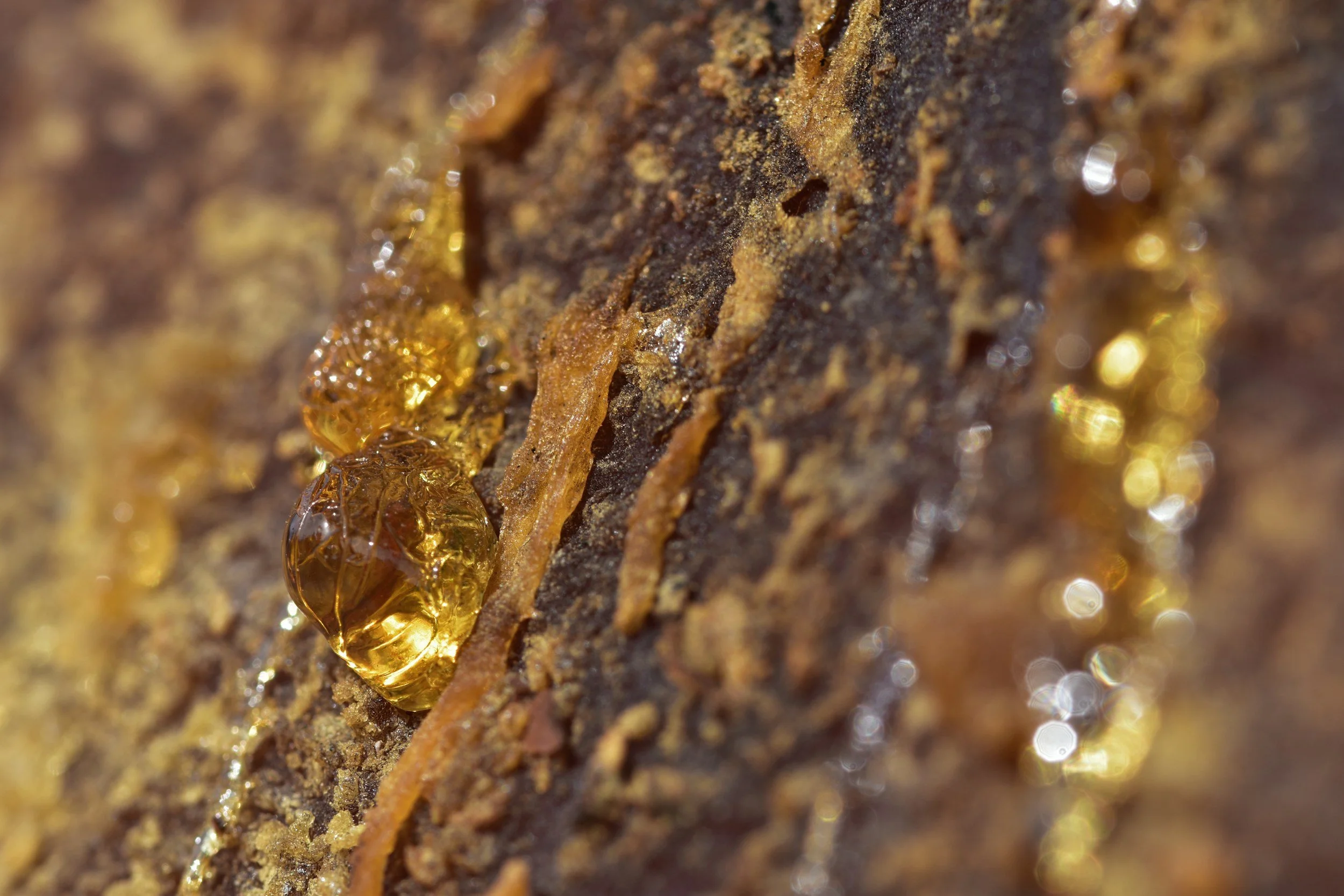
✧ Woods, Resins & Oils
Scent, Smoke, and the Language of Transformation
If stones are the bones of the earth, then resins are its blood.
Woods, resins, and oils carry something intangible yet unmistakable: scent. And scent, more than any other sense, bypasses logic entirely. It moves straight into memory, into emotion, into something far older than conscious thought.
Frankincense & Myrrh — used in burial rites, temples, and sacred ceremonies
Copal — burned in Mesoamerican traditions for purification and offerings
Sandalwood — associated with meditation and spiritual grounding
To burn resin is to transform it. Solid becomes smoke. Matter becomes atmosphere. Something seen becomes something felt.
These materials are not passive—they are activated. Changed by fire, they become part of the air itself, carrying intention, memory, and presence.
✧ Toxic Botanicals & Cautionary Plants
The Beautiful and the Deadly, Rooted in the Same Soil
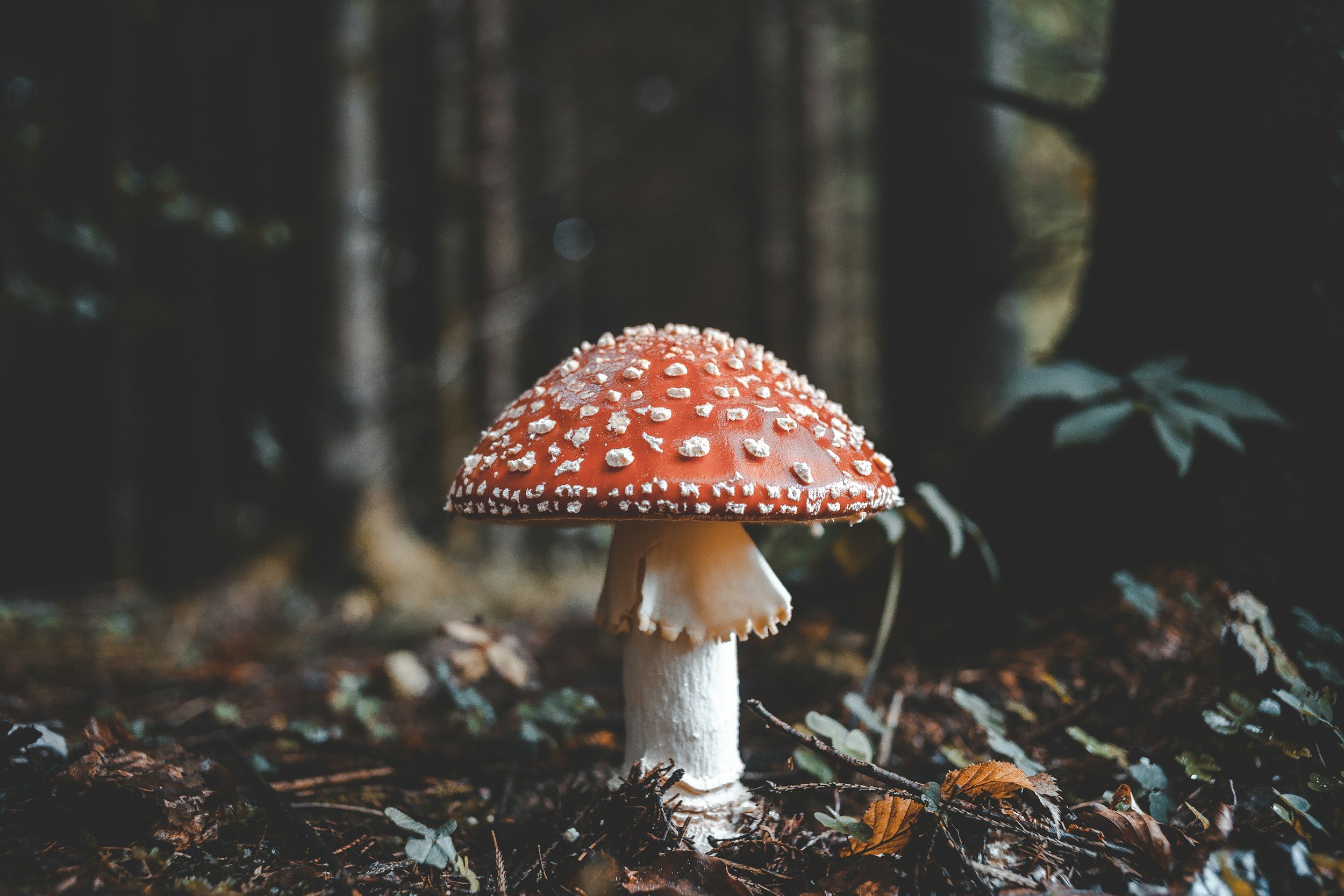
Every cabinet worth its salt contains a warning.
Not everything within reach is meant to be handled lightly.
Toxic plants occupy a vital place in both folklore and history—not as villains, but as forces that demand respect. Many have been used in medicine, ritual, or even warfare, their danger carefully measured and understood.
Belladonna (Deadly Nightshade) — associated with witches, vision, and poison
Foxglove — both medicinal (in controlled doses) and potentially fatal
Hemlock — infamous as both execution method and historical poison
These plants remind us of a truth often softened in modern spirituality: nature is not inherently safe. It is powerful, indifferent, and precise.
Knowledge, here, is not aesthetic—it is survival.
✧ Tarot, Scrying & Palmistry
Divination and the Human Need to Ask What Comes Next
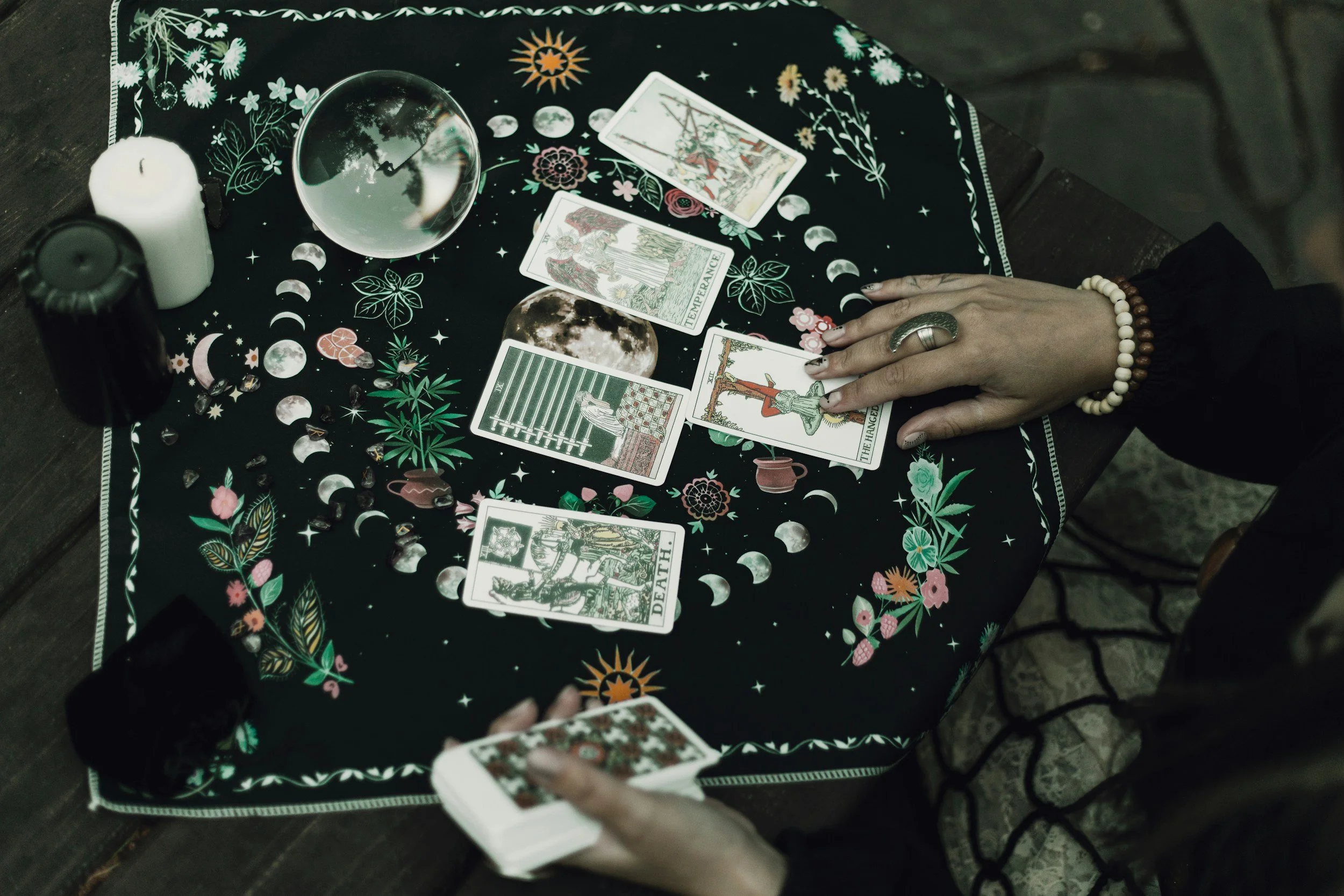
And then, there are the tools that do not act upon the world—but attempt to read it.
Divination systems appear in nearly every culture, shaped by symbols, patterns, and the persistent human desire to peer just slightly beyond the veil of the present.
Tarot — a structured symbolic system, evolving from playing cards into a tool for reflection and interpretation
Scrying — gazing into reflective surfaces (mirrors, water, crystal) to access altered perception
Palmistry — reading the lines and shapes of the hand as a map of character and fate
Whether viewed as psychological frameworks, spiritual practices, or cultural artifacts, these systems share a common thread: they give form to uncertainty.
They offer language where there is none.
And sometimes, that is enough.
✧ Closing the Cabinet (For Now)
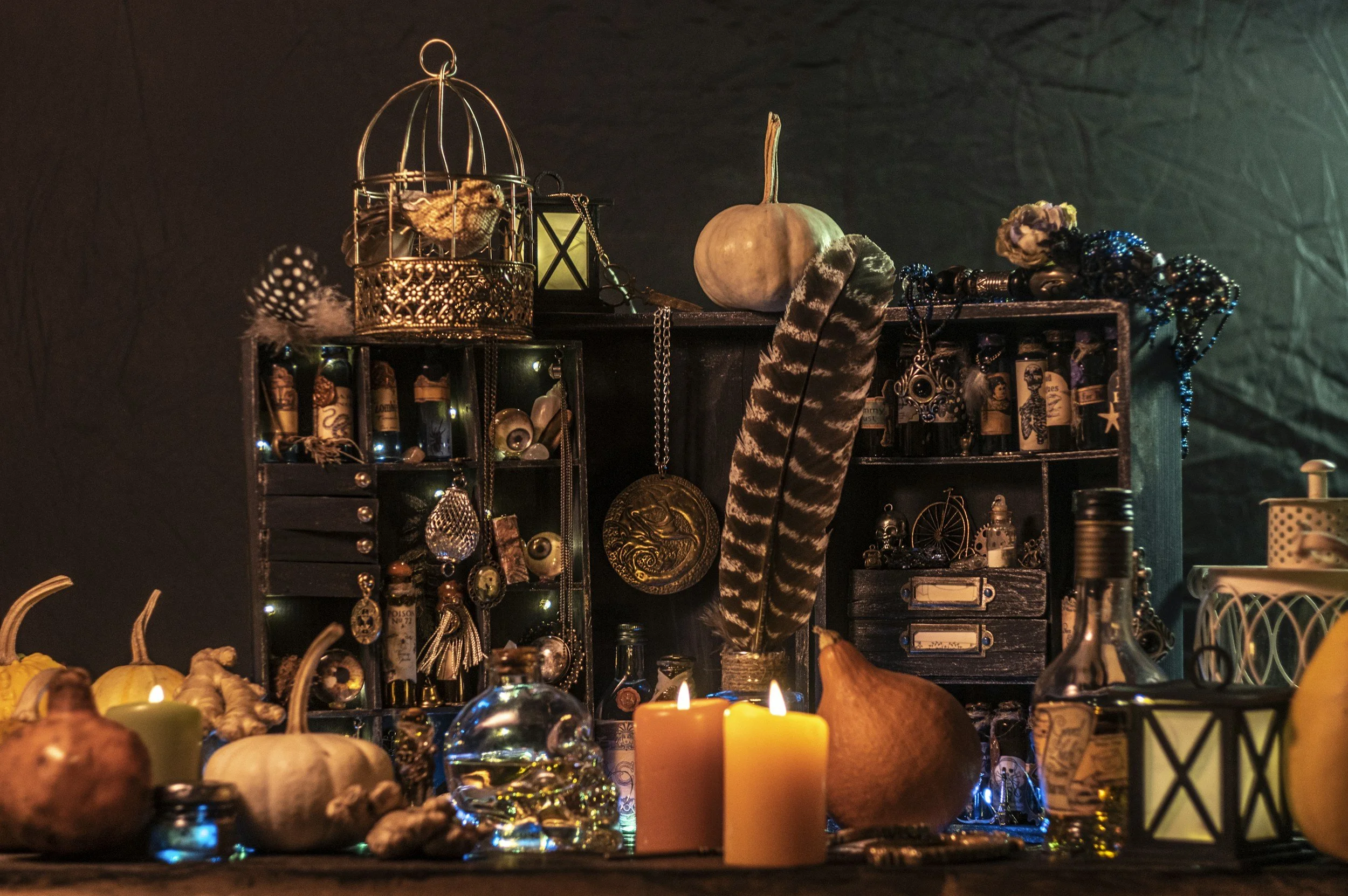
The Witch’s Curio Cabinet is never truly complete.
It grows slowly—through study, through experience, through the quiet accumulation of things that matter for reasons not always easy to explain.
Some will come to this cabinet seeking magic.
Some will come seeking history.
Some will come simply because something—somewhere—called to them.
Whatever brings you here, remember this:
Not everything in the cabinet is meant to be used.
Some things are meant to be understood.
Some, to be respected.
And a few… are meant to be left exactly where they are.