Myth & Ancient Legends
The Old Stories That Refuse to Stay Buried
Before there were textbooks, there were stories told beside firelight.
Not for entertainment—not entirely—but for orientation. To explain the sky. To justify suffering. To warn, to teach, to remember. Myth is not primitive fiction. It is architecture—built from belief, fear, observation, and imagination, layered over centuries until it becomes something that feels almost… inevitable.
This archive does not treat myth as something distant or decorative.
It treats it as something alive.
Because in many ways, it still is.
✧ The Great Indexes
Where the Threads Begin
Before diving into specific traditions, two great doorways stand at the entrance:
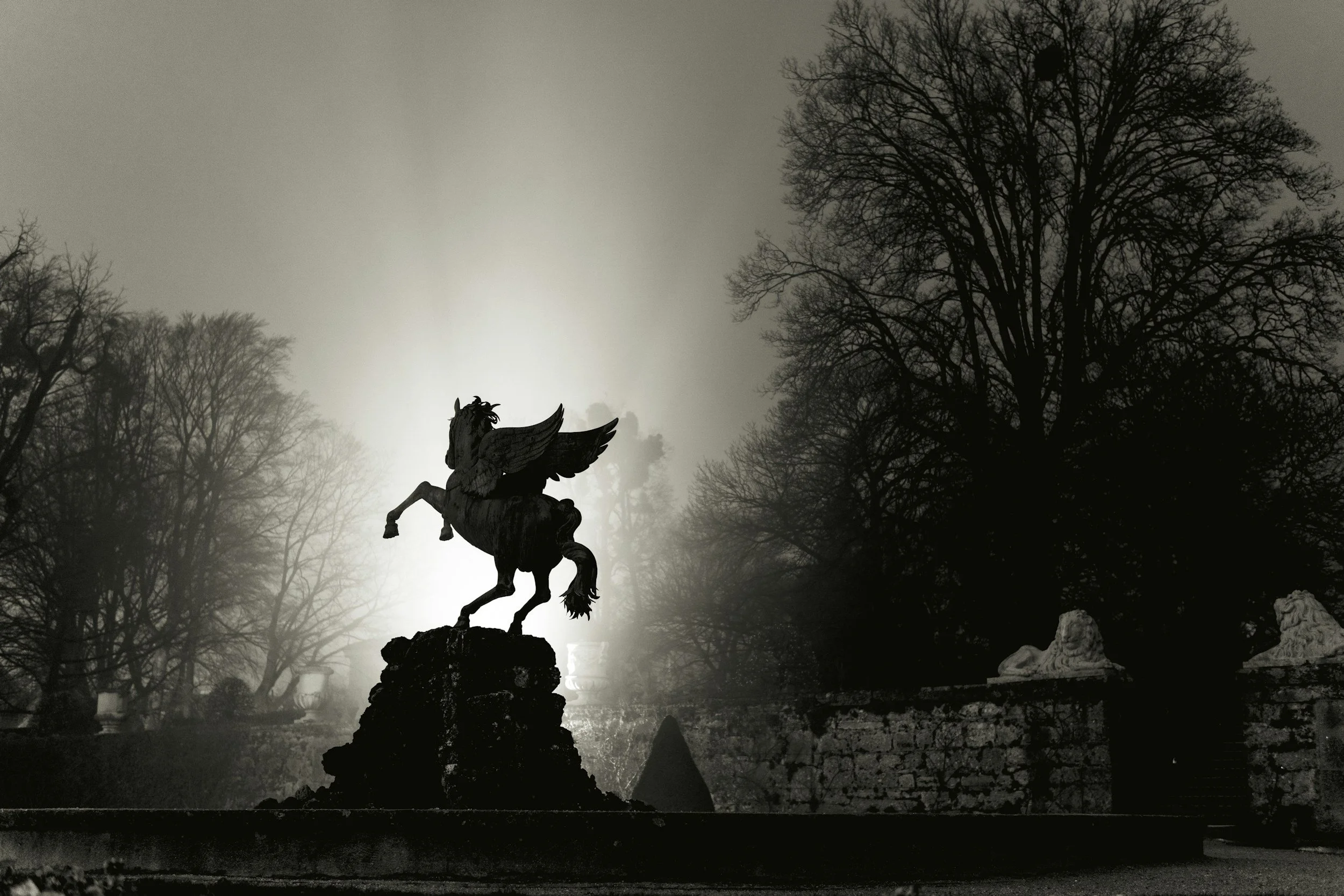
🐉 Mythic Creatures & Legendary Beasts (Index)
A catalog of beings that walk, crawl, fly, or haunt the edges of human understanding. From serpents coiled beneath oceans to spirits that wear human faces, these creatures are not random inventions—they are reflections of cultural fears, natural forces, and the unknown given shape.
👁️ Pantheon Deities (Index)
A structured map of gods, goddesses, and divine forces across cultures. These figures represent more than worship—they embody systems of power, morality, chaos, nature, and the cosmos itself.
Together, these indexes form the bones of mythological study:
What exists—and who governs it.
✧ Greek Mythology
Order, Chaos, and the Theater of the Divine
Greek mythology is perhaps the most theatrical of the great traditions—its gods deeply human, its stories tangled with desire, betrayal, transformation, and fate.
Greek Pantheon
The Olympians and their kin rule a structured cosmos, yet behave with striking unpredictability. Sky gods, sea gods, underworld rulers—each governs a domain, yet none are entirely stable.
Greek Mythic Beasts
Creatures here are often hybrid, symbolic, and dangerous:
The Hydra, multiplying with every attempt to destroy it
The Basilisk, whose gaze alone is fatal
The Chimera, a stitched-together nightmare of fire and form
Greek myth asks a persistent question:
What happens when power behaves like a person?
✧ Norse Mythology
Fate, Fire, and the Inevitability of the End
Where Greek myth builds structure, Norse myth embraces collapse.
This is a world where even the gods are not immortal in the way we might hope. Everything moves toward Ragnarök—the final unraveling.
Norse Pantheon
Divided among groups like the Aesir and Vanir, the gods represent war, wisdom, fertility, and chaos—but all exist under the shadow of prophecy.
Norse Mythic Beasts
Jörmungandr, the world-serpent encircling existence
Fenrir, the wolf destined to break its chains
Sleipnir, the eight-legged horse that crosses realms
Norse myth does not promise safety.
It promises that even in the face of certain endings, there is still meaning in standing your ground.
✧ Egyptian Mythology
Death, Order, and the Eternal Cycle
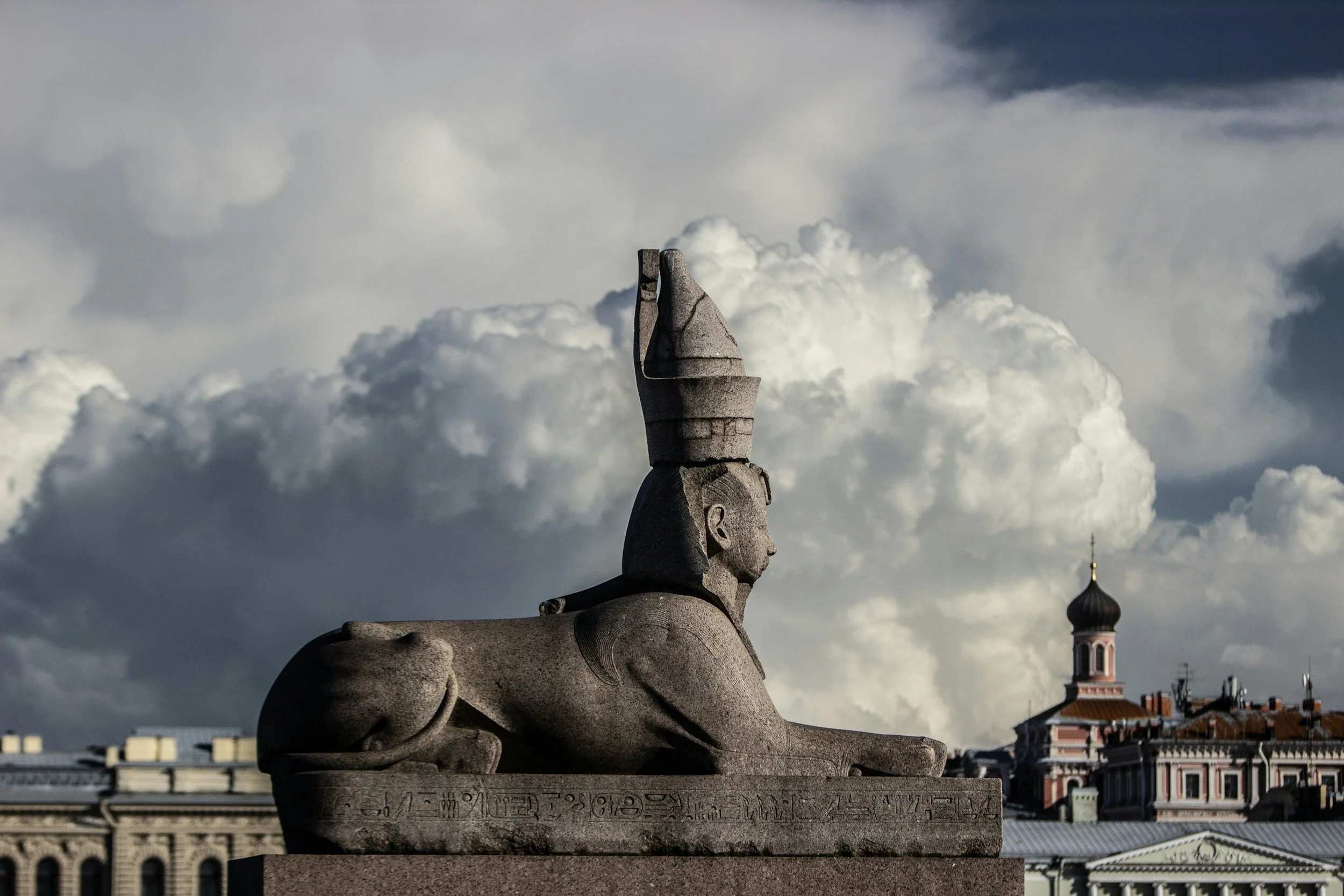
In Egyptian cosmology, death is not an ending—it is a transition that must be navigated correctly.
Precision matters here.
Egyptian Pantheon
Gods are tied to natural forces, cosmic balance (ma’at), and the journey through the afterlife. They are often depicted with animal forms—not as decoration, but as symbolic embodiment.
Egyptian Mythic Beasts
The Ammit, devourer of the unworthy dead
The Serpopard, a liminal creature of early iconography
Sacred animals like falcons, cats, and crocodiles carrying divine weight
Egyptian myth is not concerned with chaos alone—it is concerned with maintaining order against it.
✧ Celtic Mythology
The Veil, The Land, and the Things That Linger
Celtic traditions are less centralized, more fluid—woven through oral storytelling, regional variation, and a deep connection to landscape.
Celtic Pantheon
Deities often tied to place, craft, war, and sovereignty. Many blur into folklore, saints, or local spirits over time.
Celtic Mythic Beasts
Púca, a shapeshifting trickster
Kelpie, a water spirit with a dangerous hunger
Cŵn Annwn, spectral hounds of the otherworld
Here, the boundary between worlds is thin—and often crossed without warning.
✧ Mesopotamian Mythology
The First Cities, The First Gods, The First Written Myths
Among the oldest recorded mythologies, Mesopotamian traditions emerge from the cradle of civilization itself.
Mesopotamian Pantheon
Gods tied to rivers, storms, kingship, and cosmic order—often powerful, distant, and not particularly concerned with human comfort.
Mesopotamian Mythic Beasts
Tiamat, the primordial chaos ocean, both goddess and monster
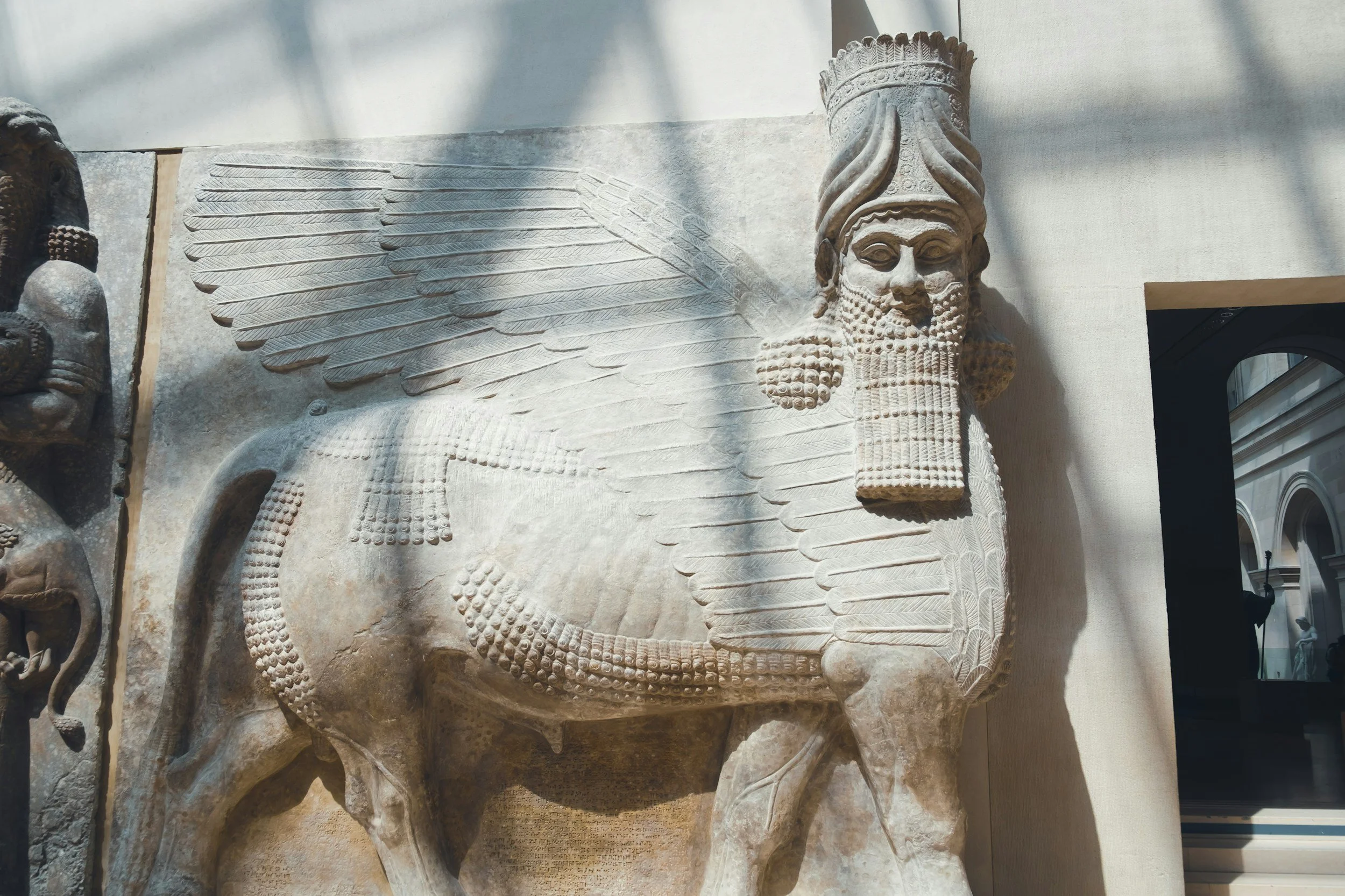
Lamassu, protective hybrid beings guarding thresholds
Anzu, a storm creature who steals divine power
These myths feel less like stories—and more like the earliest attempts to make sense of existence itself.
✧ Slavic Mythology
Forests, Spirits, and the Unquiet Wild
Slavic myth lives in the woods.
It breathes through rivers, follows travelers at dusk, and waits in places where human structures thin out.
Slavic Pantheon
Gods of thunder, earth, and the underworld—often tied to natural cycles and seasonal change.
Slavic Mythic Beasts
Leshy, a forest guardian and trickster
Rusalka, a water spirit both alluring and dangerous
Domovoi, a household spirit that protects—or punishes
In Slavic tradition, the world is not empty.
It is crowded.
✧ Aztec & Mayan Mythology
Sun, Sacrifice, and the Fragility of the World
These traditions carry a profound awareness of cosmic balance—and the cost required to maintain it.
Aztec/Mayan Pantheon
Gods tied to sun, maize, death, and renewal. Creation itself is often cyclical, with previous worlds destroyed and remade.
Aztec/Mayan Mythic Beasts
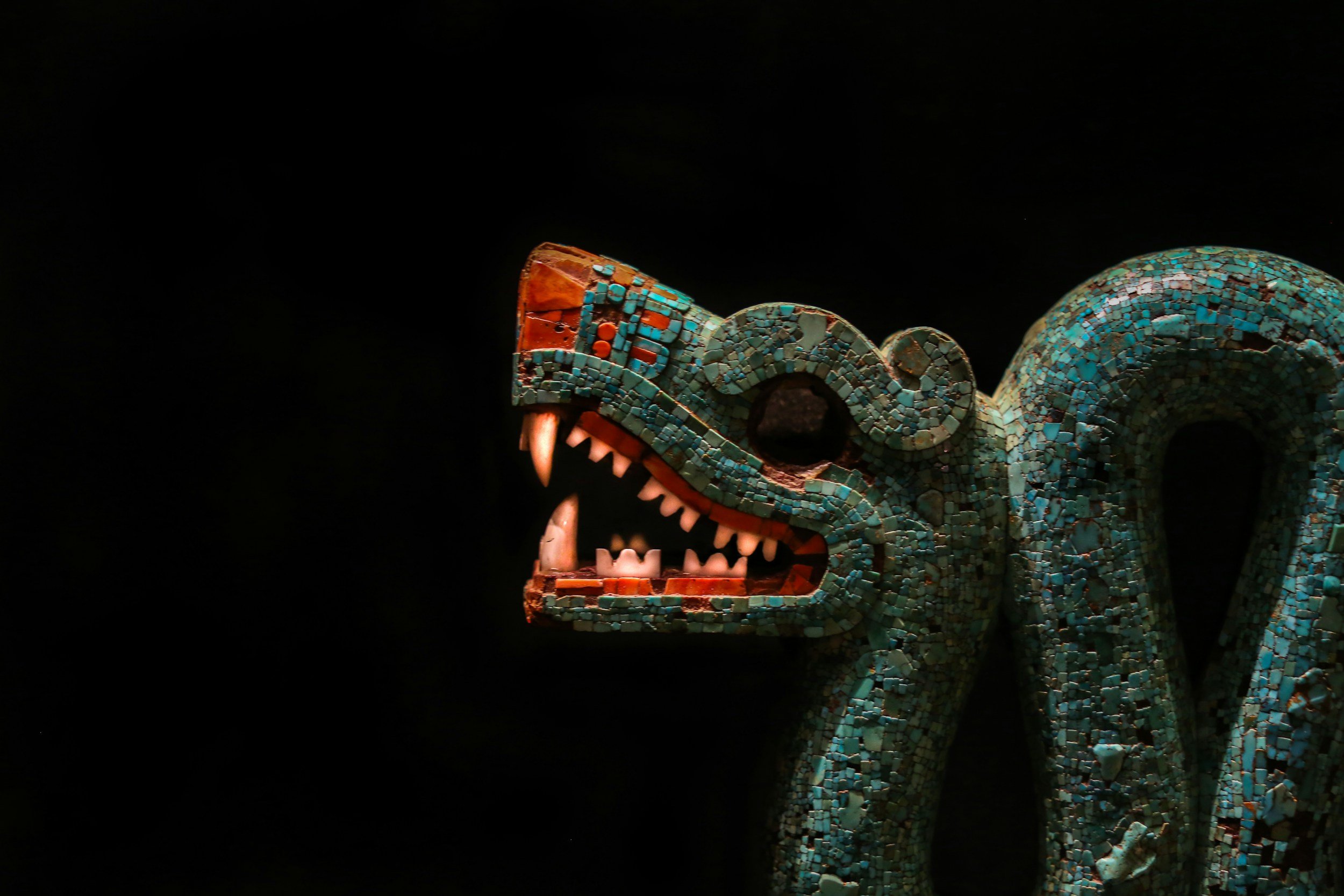
Quetzalcoatl, the feathered serpent of wind and knowledge
Cipactli, a primordial earth creature
Jaguar and serpent imagery woven deeply into cosmology
These myths do not shy away from sacrifice.
They recognize it as part of survival.
✧ Cross-Tradition Studies
The Patterns Beneath the Stories
When myths are placed side by side, something strange happens.
They begin to echo.
Creation Myths
Nearly every culture asks the same question: how did this begin? The answers vary—cosmic eggs, divine battles, spoken words—but the impulse is universal.
Underworld Journeys
From the Greek descent into Hades to otherworld crossings in Celtic and Mesopotamian myth, the journey into death—or something like it—appears again and again.
Trickster Figures
Loki. Coyote. Anansi. The trickster disrupts order, exposes flaws, and reminds us that intelligence and chaos often walk hand in hand.
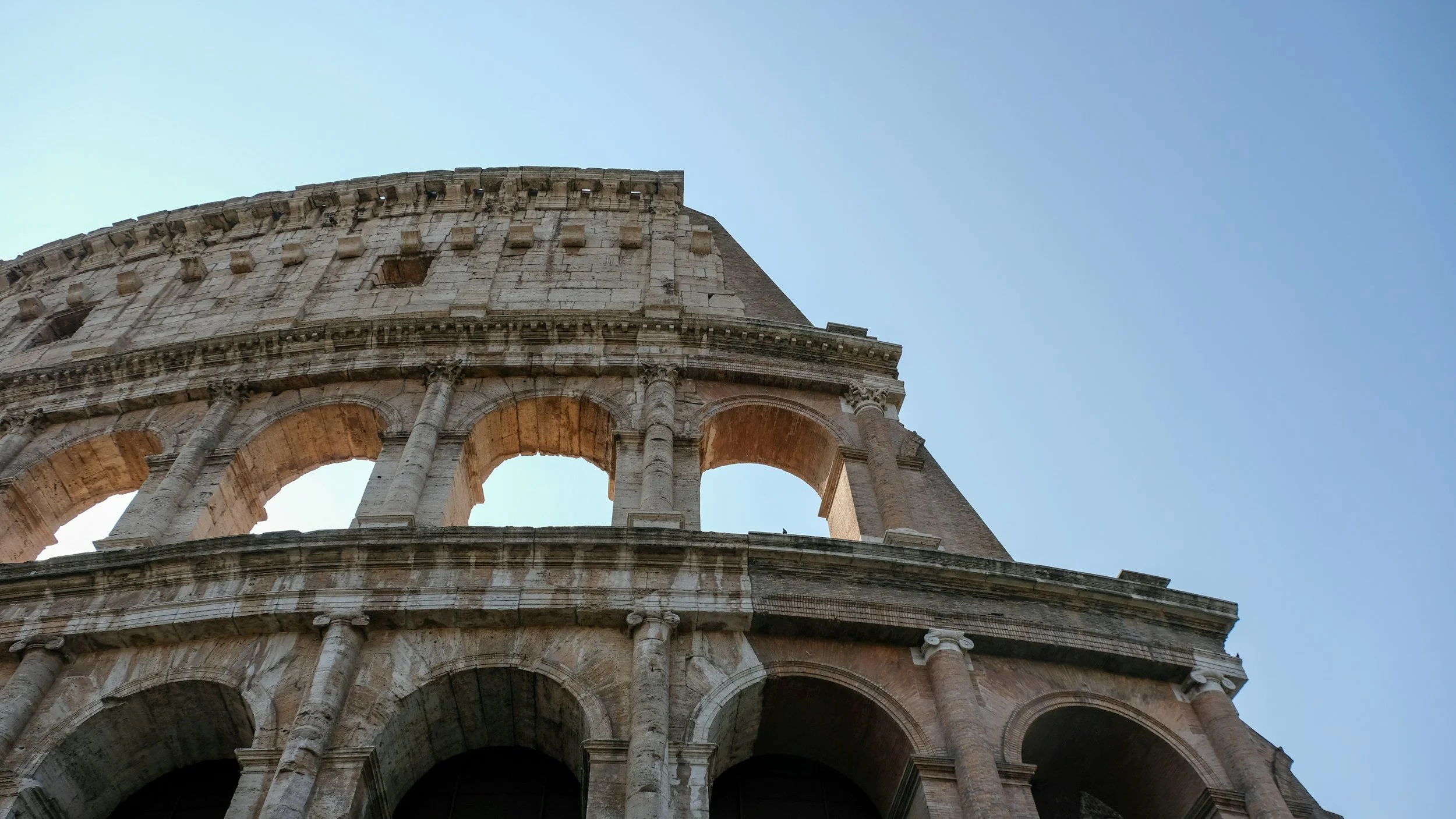
✧ Civilizations of Story and Stone
Where Myth Meets the Physical World
Some myths remain stories.
Others leave ruins.
Confirmed Archaeological Civilizations
Cultures like Mesopotamia, Egypt, and the Maya—where myth and material evidence intertwine, each informing the other.
Sunken Cities
Legends of lost places beneath water—echoing in tales of drowned lands, whether symbolic, exaggerated, or perhaps… remembered.
Mythic, Contested & Legendary Civilizations
Atlantis. Hyperborea. Lands that may never have existed—or existed differently than we imagine.
Places that live in the tension between belief and proof.
✧ The Stories Continue
Myth is not something we outgrow.
It simply changes shape.
Gods become archetypes. Monsters become metaphors. Ancient fears find modern language. But the structure remains—the same questions, the same patterns, the same need to understand what it means to exist in a world that is often stranger than it appears.
This archive does not seek to prove or disprove.
It listens.
Because somewhere, buried beneath translation, time, and interpretation—
The old stories are still speaking.