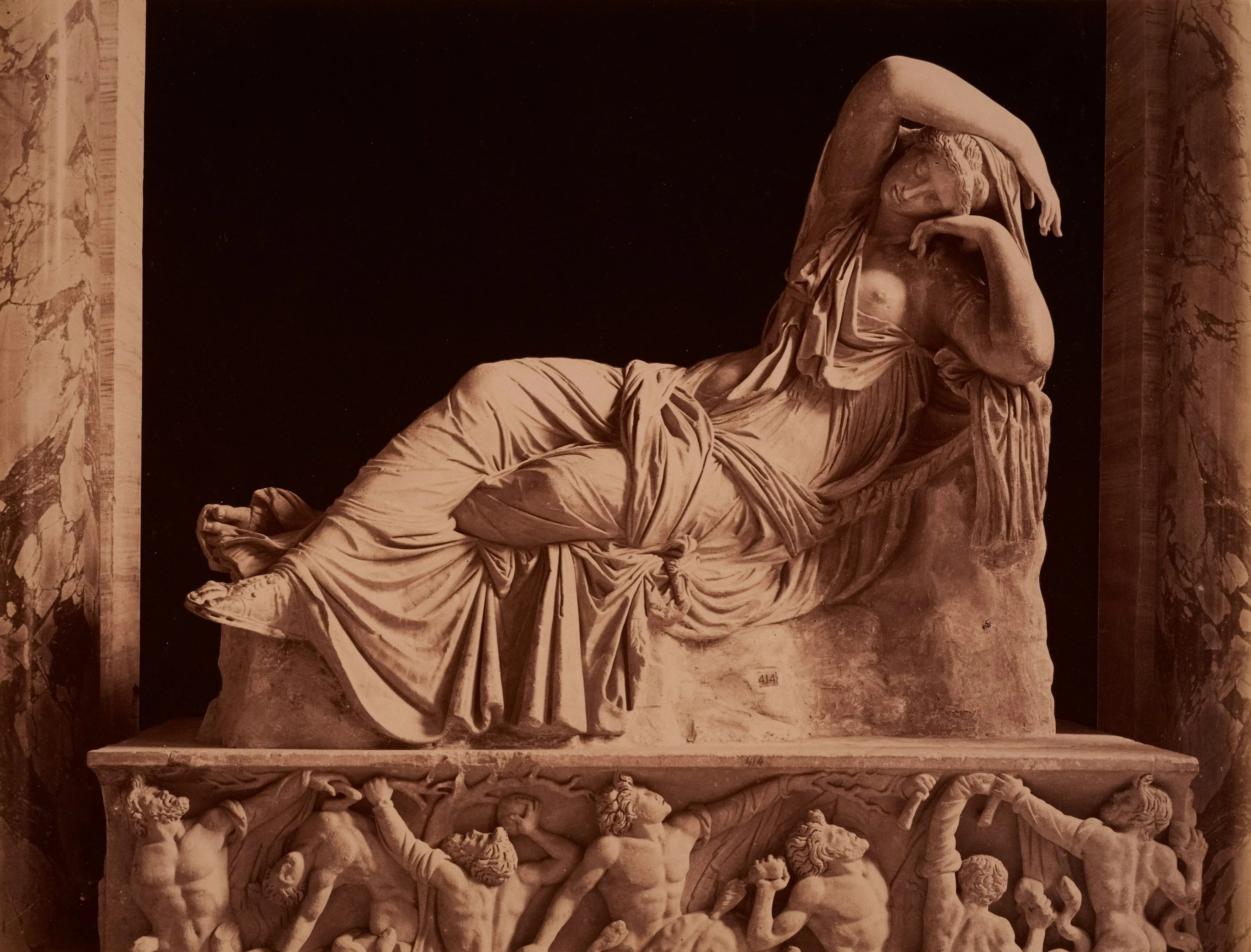
Myth & Ancient Legends
The oldest stories humanity ever told.
Introduction to the Wing
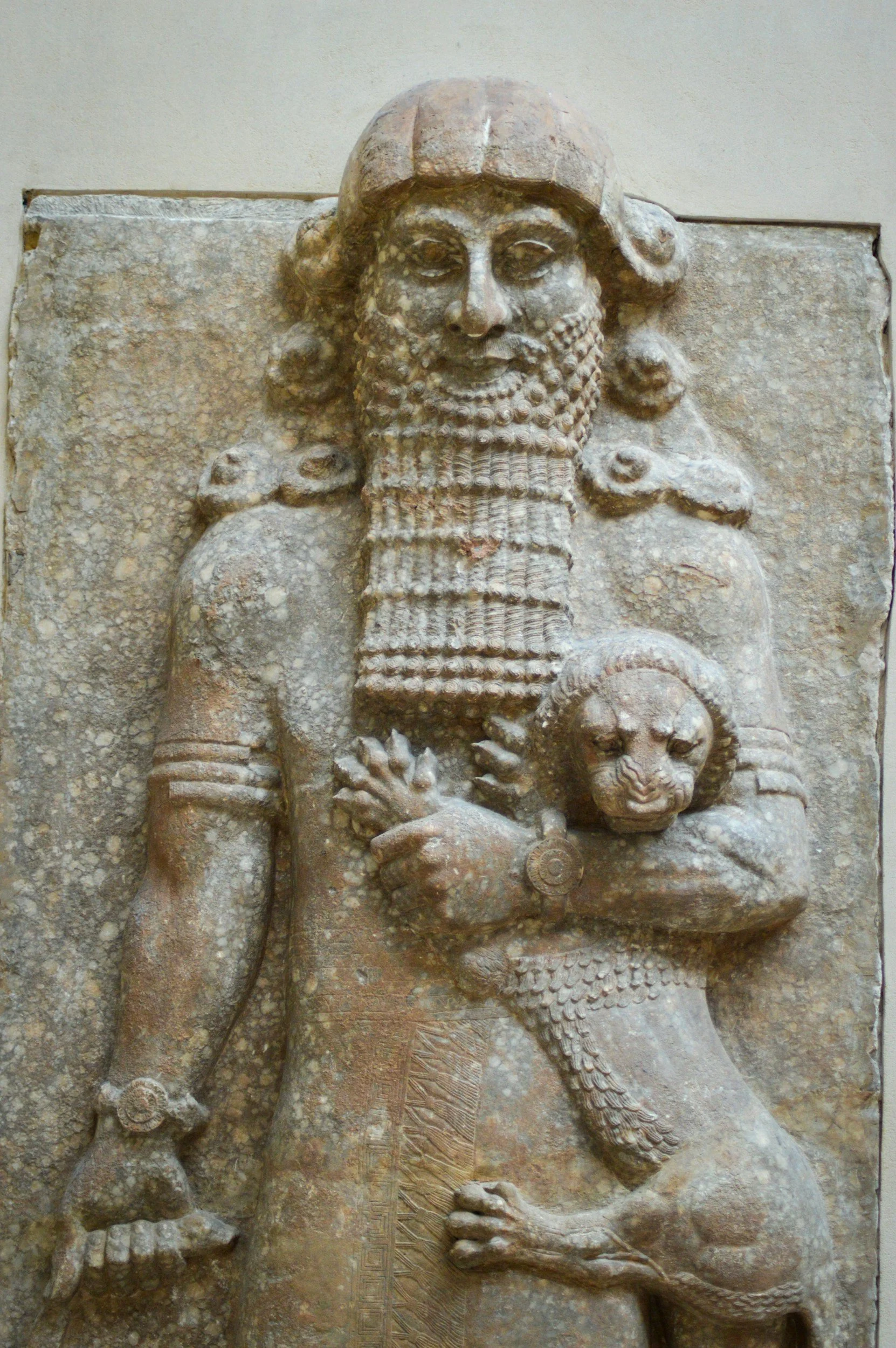
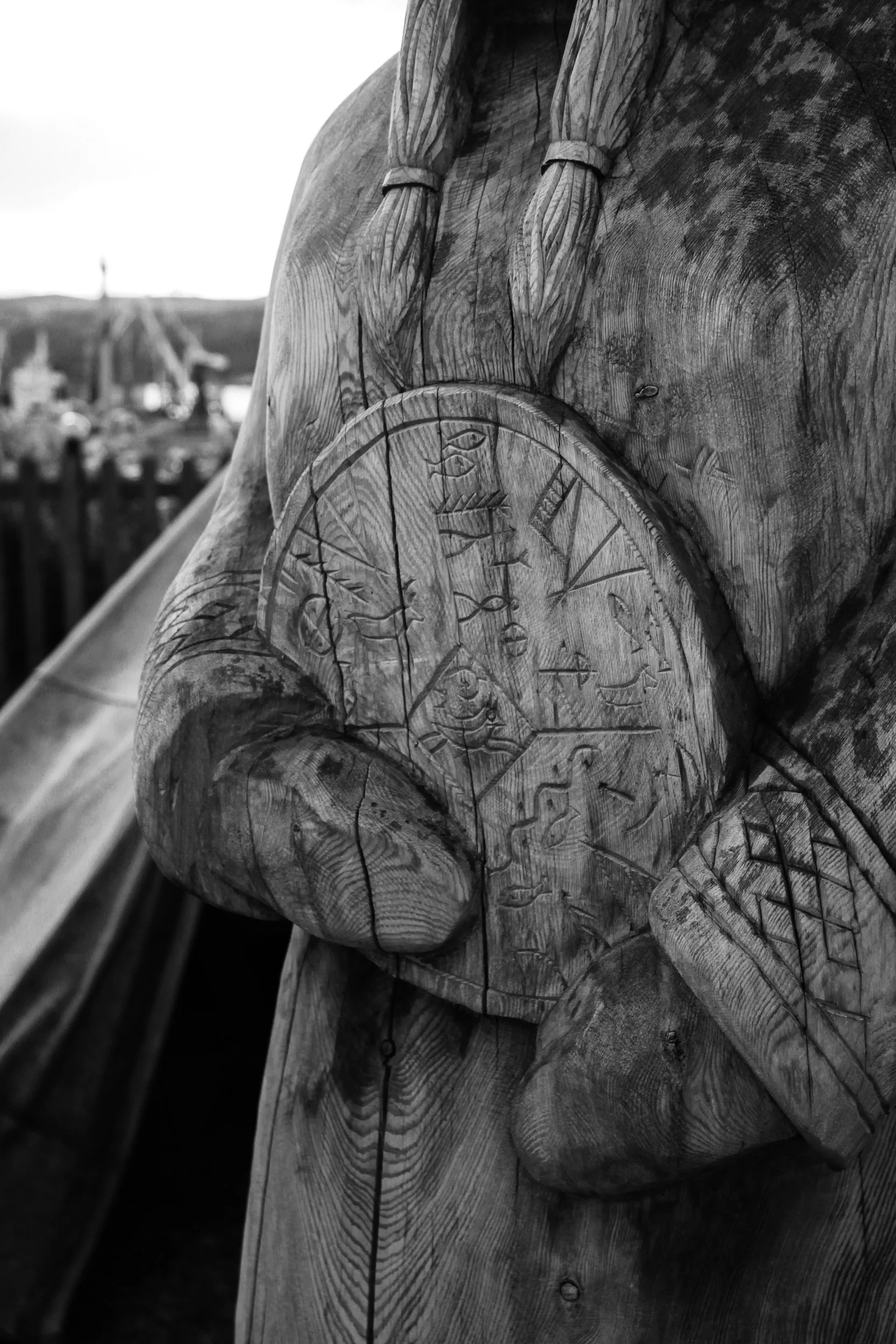
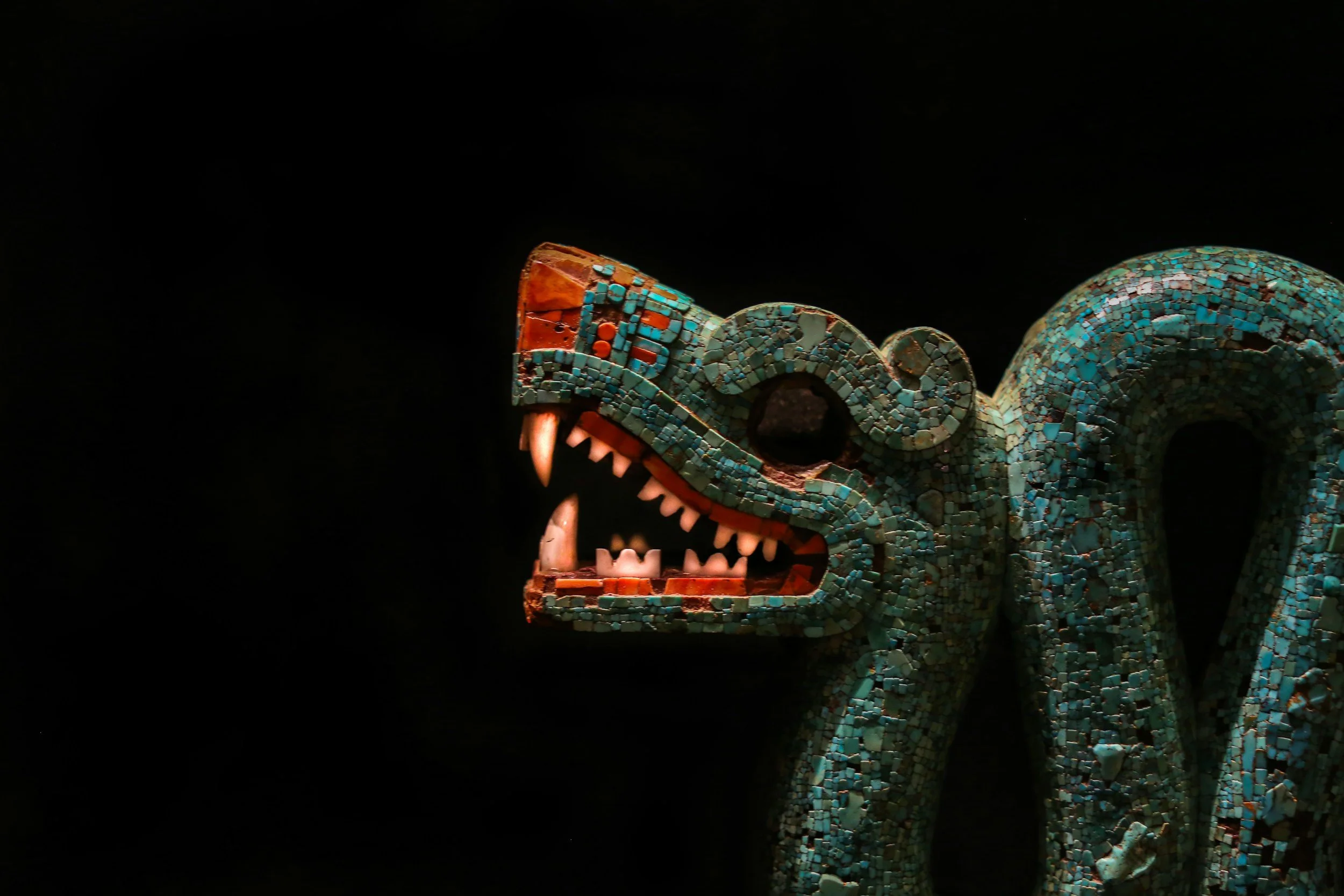
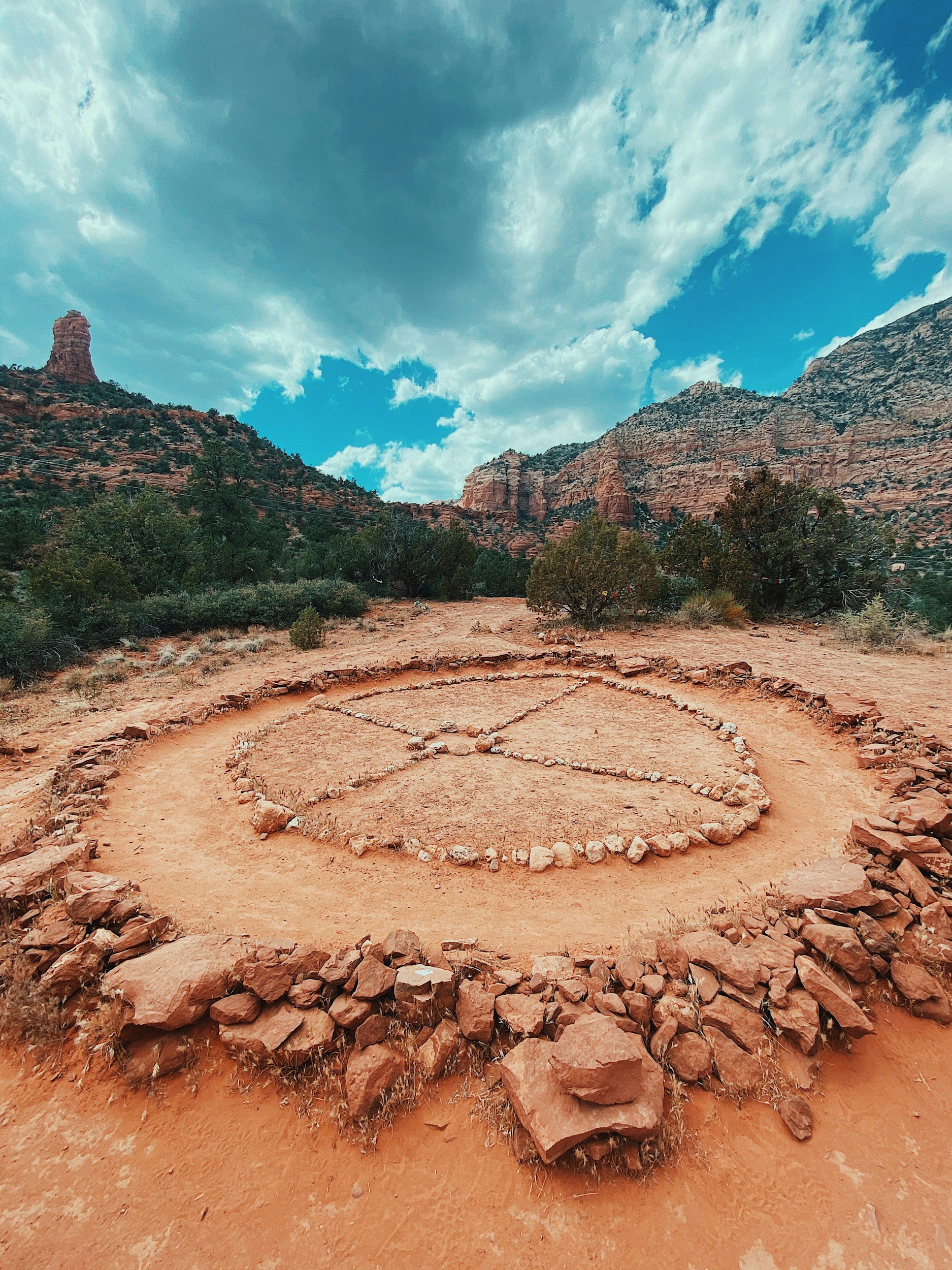
Long before ghost stories filled dark hallways and urban legends traveled through the internet, humanity told stories about gods, monsters, heroes, and the unseen forces shaping the world.
These myths were not merely entertainment. They explained storms, death, fate, the movement of the stars, and the origins of life itself.
Across continents and centuries, cultures created vast mythological traditions filled with powerful beings, sacred symbols, and epic narratives.
Some of these stories survive in written texts. Others echo through folklore long after their original civilizations faded.
This wing of the archive explores those ancient traditions — the mythic foundations from which many modern legends still grow.
Mythic Themes
Researching a deity is not the same as scrolling a correspondence list. Every god emerges from a landscape — shaped by language, politics, ritual, and survival. This study explores how to separate historical record, folklore, and modern reinterpretation, so devotion begins with context instead of assumption.
Hecate stands at the threshold of Greek religion — named in early poetry, established in civic cult, and later invoked in rites of liminality and protection. From Hesiod’s dignified praise to the crossroads offerings of the Deipnon, her presence moves between text, stone, and ritual continuity. This article traces her survival through literature, sanctuary, magic, and modern reconstruction without collapsing those layers into a single myth.
Inanna stands among the most extensively documented deities of ancient Mesopotamia. Preserved in temple hymns, royal inscriptions, and administrative tablets, her record reveals a goddess embedded in the political and cosmological architecture of early urban civilization. This study traces her layered survival across language, empire, and excavation.
Brigid survives not through epic dominance but through adaptation. Fragmented in early Irish texts, sanctified in medieval Christianity, and carried forward in seasonal rites, her continuity is braided across myth, monastery, and household tradition.
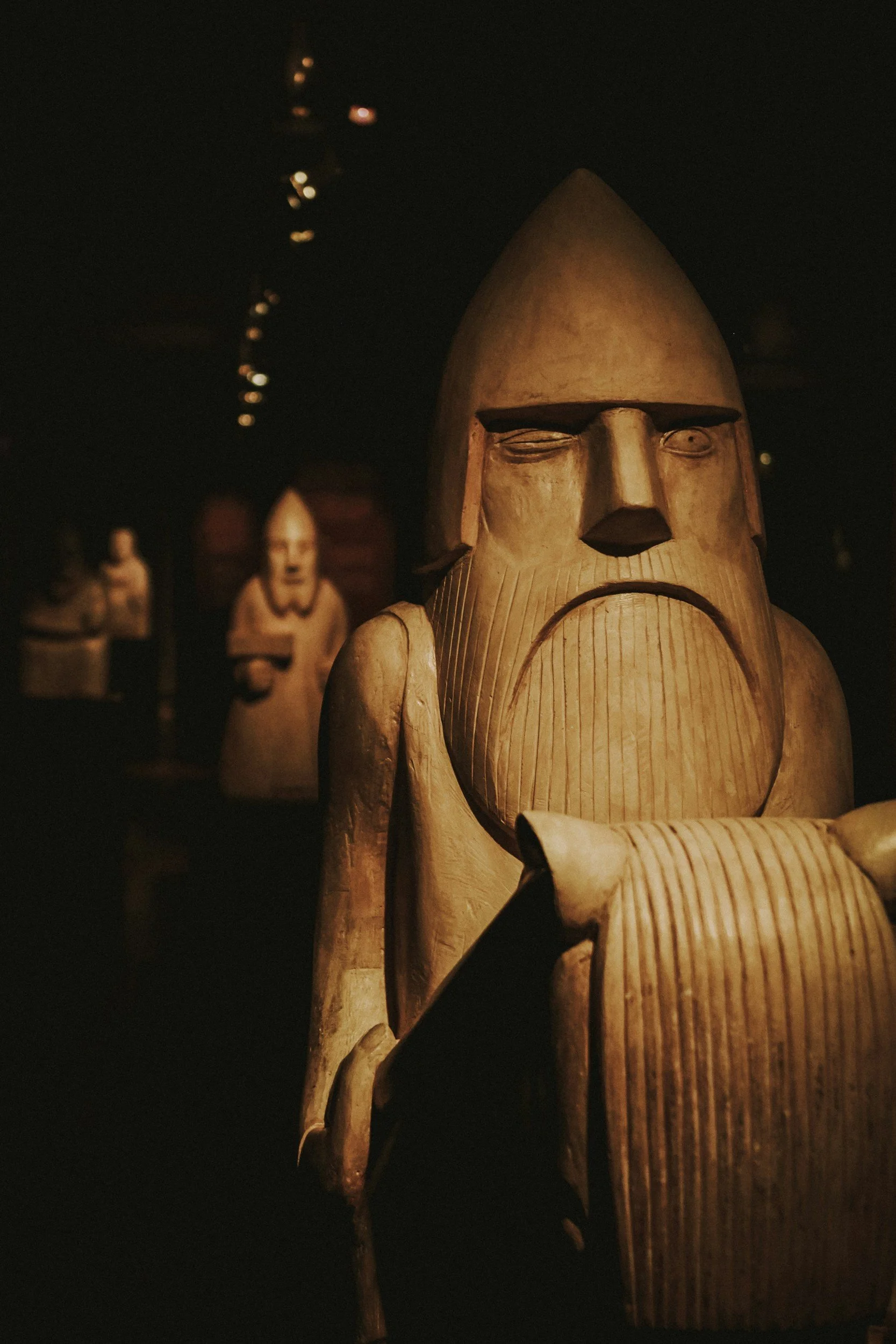
Odin survives not as a single, unified deity but as a layered figure preserved through poetry, medieval prose, archaeology, and modern reconstruction. This study separates primary texts from later interpretation, tracing how the one-eyed god moved from oral tradition to manuscript — and into contemporary imagination.
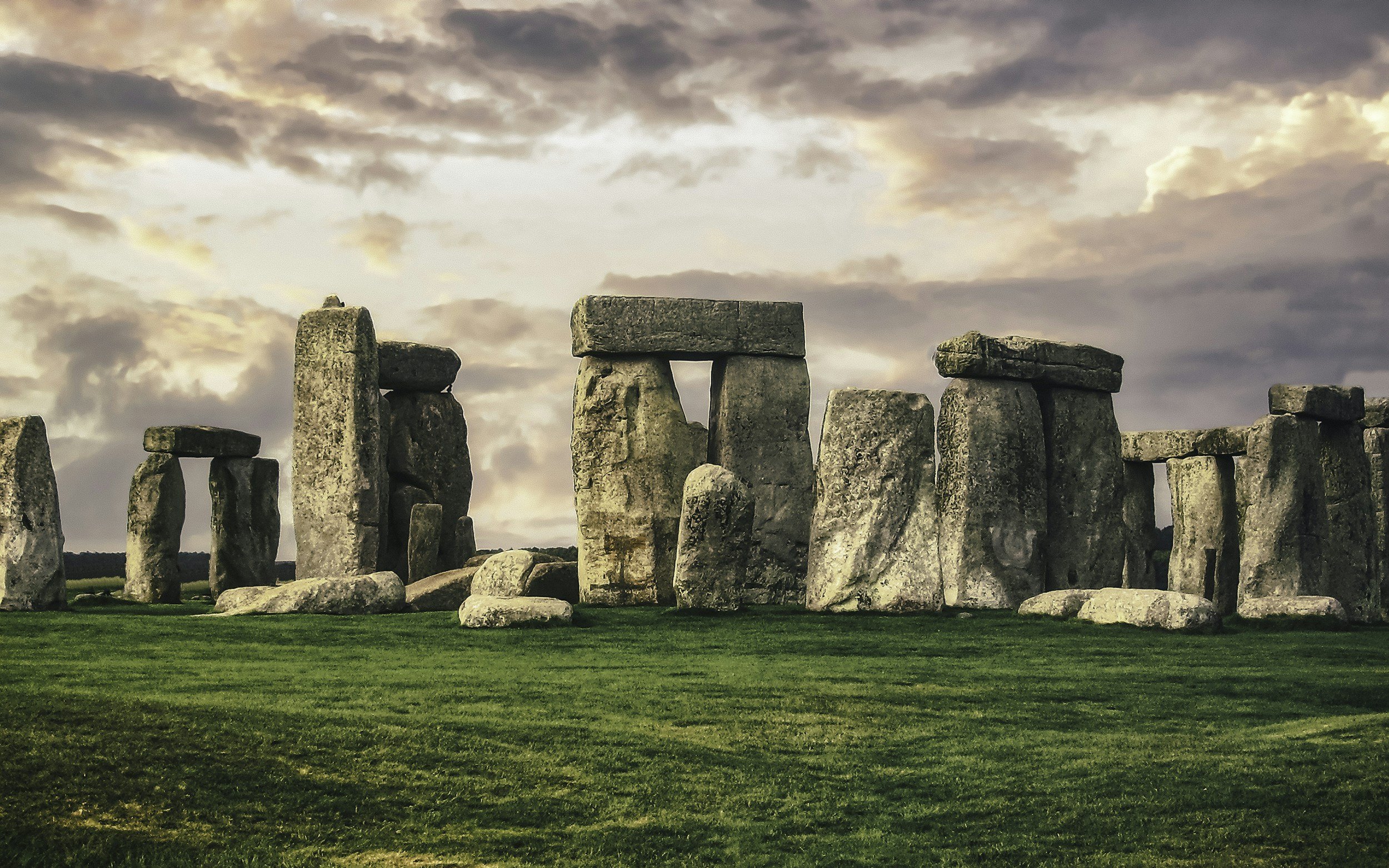
Before Halloween was born, there was Samhain—the Celtic night when the veil between worlds thinned and the year itself died to be reborn. Bonfires blazed, ancestors returned, and gods met in the shadows. It wasn’t fear they honored, but the sacred dance between endings and beginnings.
Druidry is a modern revival of the ancient Celtic priesthood, rooted in reverence for nature, poetry, and ancestral wisdom. With seasonal rituals, creative devotion, and ecological spirituality, it honors the cycles of the earth and the memory of the Druids. Explore how this path blends folklore, myth, and modern imagination into a living tradition of sacred groves and firelit rites.
Celtic Reconstructionism is the revival of ancient Celtic pagan traditions, rooted in myth, ritual, and seasonal cycles. Honoring gods like Lugh, Brigid, and Cernunnos, it weaves folklore, archaeology, and living custom into a modern faith. Explore how the old gods survived in fragments and rise again through ritual, devotion, and the turning of the sacred year.
Heathenry, also called Ásatrú, Forn Sed, and Theodism, revives the Norse and Germanic pagan traditions of Odin, Freyja, and the ancestors. Rooted in sagas, rituals, and values of kinship and honor, it honors gods, spirits, and fate. Discover how this faith survived centuries of suppression to rise again as a living tradition of oath, offering, and community.
Rodnovery is the modern revival of Slavic native faiths, honoring gods like Perun, Veles, and Mokosh. Rooted in folklore, ritual, and seasonal festivals, it seeks to restore ancestral traditions where gods and spirits infuse daily life. Explore how the fire of Slavic paganism is rekindled today, weaving ancient belief into modern practice.
Hellenism is the modern revival of ancient Greek religion, honoring Zeus, Athena, Apollo, and the Olympian pantheon. Rooted in ancient hymns, festivals, and household worship, it blends reconstruction with living devotion. Explore how Hellenists today reawaken the gods of Olympus, restoring rituals of libation, prayer, and ethical reverence in a world still touched by myth.
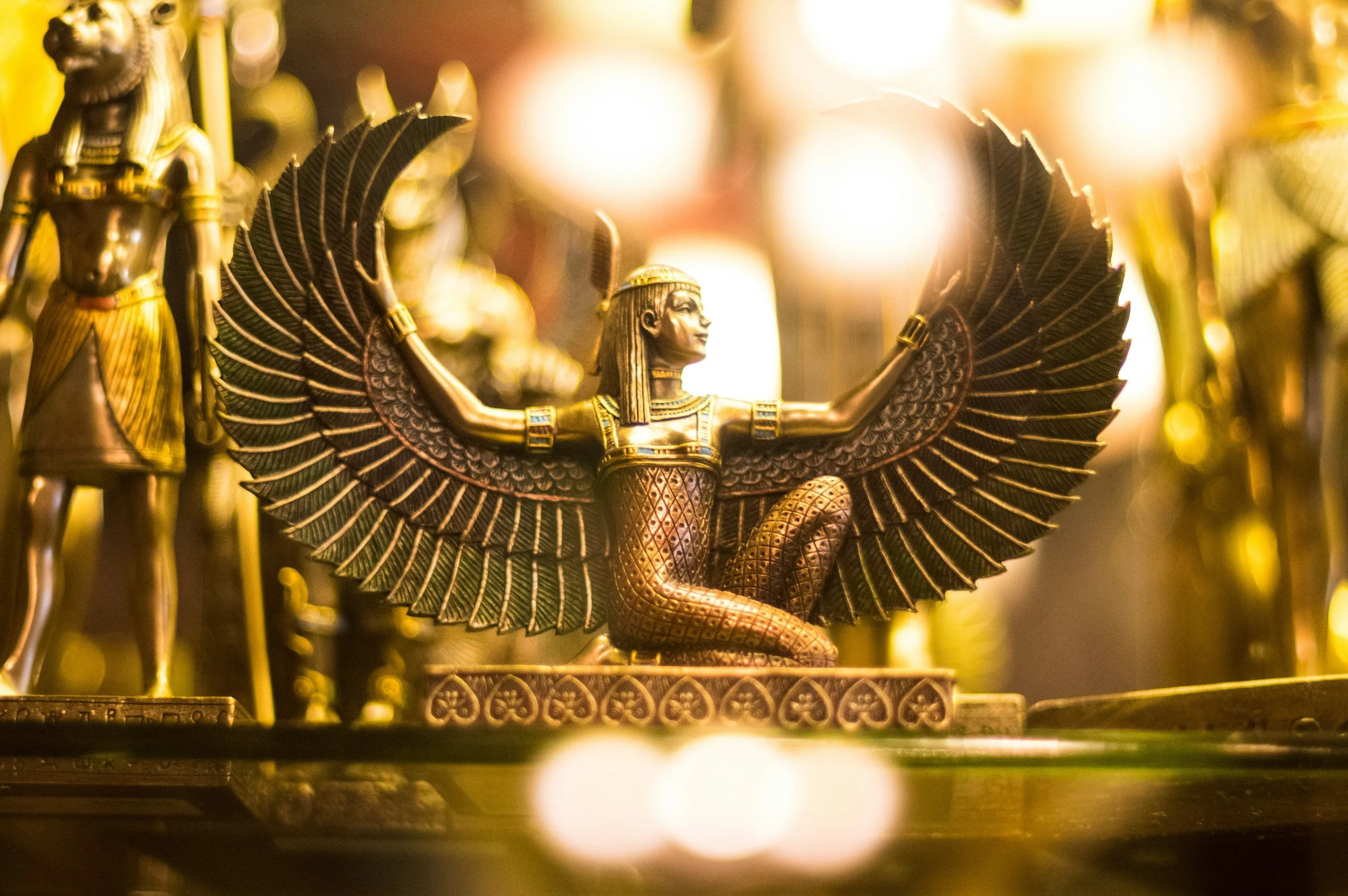
Kemetism is the modern revival of Ancient Egyptian polytheism, honoring Ra, Isis, Osiris, and the pantheon of the Netjeru. Drawing from temple texts, hymns, and festivals, practitioners rebuild rituals of offerings, libations, and seasonal celebrations like Wep Ronpet. Discover how the gods of Egypt live again in a tradition reborn from the sands of time.
Canaanite Reconstructionism revives the ancient gods of the Levant, from Baal and Anat to Asherah and El. Drawing on Ugaritic texts, archaeology, and Biblical echoes, practitioners rebuild lost rituals and seasonal festivals. Explore how modern pagans honor the storm god, the warrior goddess, and the mother of the sea in a faith reborn from ruins.
Mesopotamian Reconstructionism seeks to revive the ancient worship of Sumerian and Babylonian gods like Inanna, Enlil, and Enki. Drawing from cuneiform texts, hymns, and rituals, practitioners reconstruct offerings, divination, and festivals such as Akitu. Discover how modern pagans reawaken the gods of the world’s first civilization in a faith reborn from ruins.
Unearth the secrets of the Terra Cotta Warriors, the legendary army built to guard China’s first emperor. Explore their history, discovery, and the astonishing artistry behind thousands of life-sized figures that have fascinated the world for centuries. Perfect for history buffs and cultural explorers.
Daevas are ancient shadows of temptation, knowledge, and moral ambiguity. From Indo-Iranian myths to modern occult and pop culture, they haunt the liminal space between light and dark, reflecting humanity’s deepest desires, fears, and the seductive dangers of power we cannot resist.
From ancient graveyards to modern pop culture, vampires haunt our fears, desires, and imaginations. Explore their dark origins, evolution, and what these eternal predators reveal about humanity.
Machu Picchu rises from the Andean mist, a timeless Incan citadel captivating travelers and Instagrammers alike. In 2025, the allure of the Inca Trail, breathtaking vistas, and social buzz keeps this ancient wonder at the top of bucket lists worldwide.
Beneath the sands of ancient Mesopotamia lies a curious artifact: the Baghdad Battery. Was it an ancient electric cell, a ritual object, or a forgotten medical tool? Its secrets spark debates across archaeology, pop culture, and forums, bridging ancient ingenuity with modern fascination.
Easter Island’s Moai stare across the Pacific, their secrets undisturbed for centuries. Viral videos and online sleuths now probe submerged formations and mysterious alignments, raising questions about lost civilizations, hidden technologies, and the enigmatic mastery of ancient builders.
High in Bolivia’s altiplano, Puma Punku’s colossal stones defy reason. Precision-cut, interlocking, and impossibly massive, they challenge our understanding of ancient engineering. Were they the work of master builders—or the architects of legend?
Petra isn’t just a ruin—it’s a riddle carved in rose-red stone. Once the Nabataean jewel of the desert, this hidden kingdom is now YouTube’s obsession, starring in countless documentaries and theories. Why does it keep us watching? Because Petra isn’t just history—it’s a haunting invitation to see what secrets stone still keeps.
Lost cities are more than ruins; they’re riddles carved into the earth. From El Dorado’s golden mirage to Shambhala’s spiritual promise, these myths endure because they reflect our deepest hunger: to believe in something beyond the map. Journey with us into the mystery of why legends never die—they adapt, seduce, and keep calling us back.
Lost continents rise again—on Reddit. Mu and Lemuria, fabled lands of wisdom and power, are reborn in threads linking energy-grids, pyramids, and conspiracies. Why do these legends still haunt the digital age, and what do they reveal about our hunger for secrets? Step into the labyrinth of myths, memes, and modern mystery.
Explore the Archive Further
Submit to the Archive
If you would like to suggest a topic or share a lead worth investigating, submit it to us for review. Click Here


The Undine Grimoires Archive explores mythology, folklore, paranormal legends, haunted places, cryptids, ritual traditions, and lost civilizations. Wander through ancient pantheons, supernatural encounters, ghost stories, and the strange corners of cultural memory where history, horror, and belief collide.