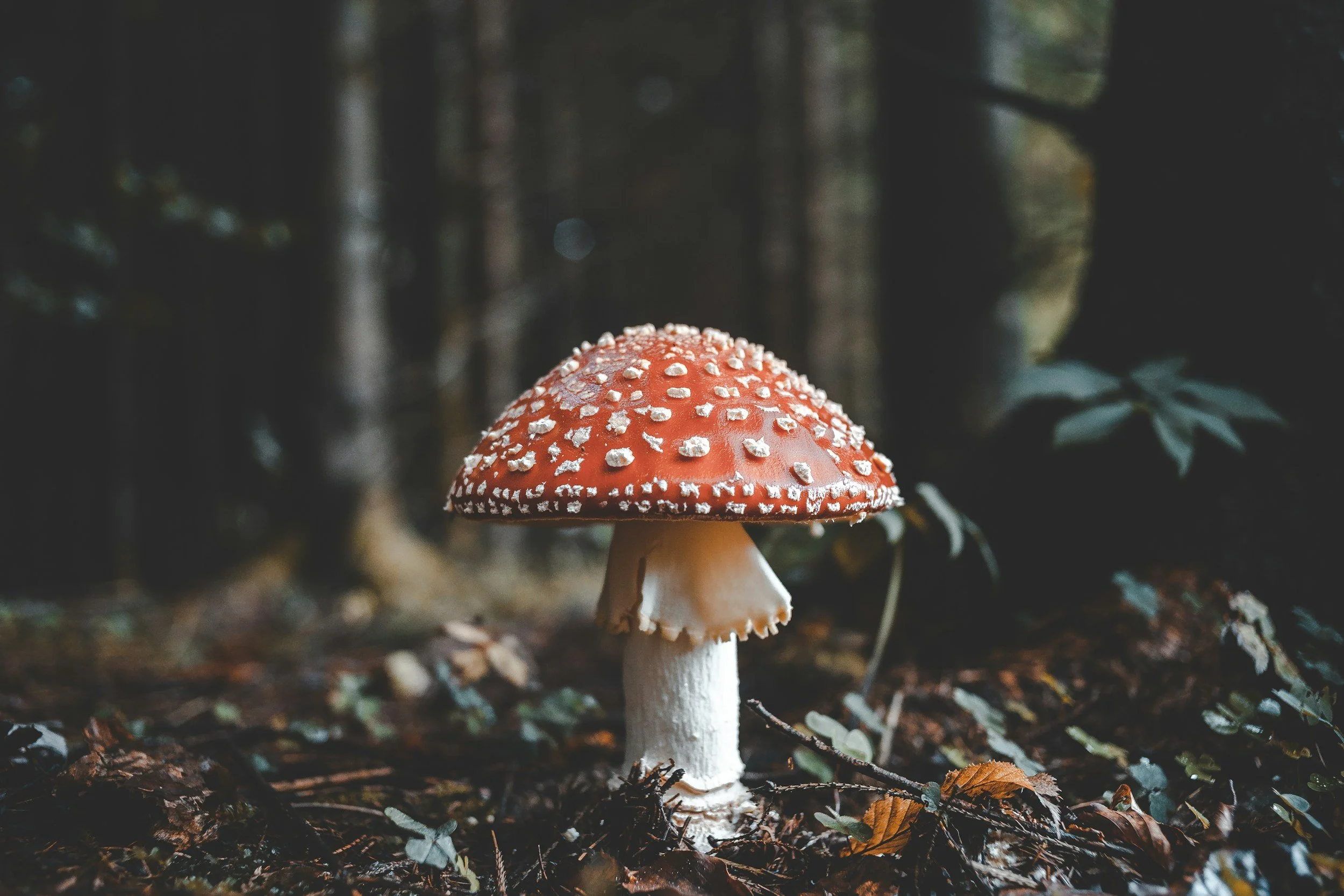
TOXIC BOTANICALS
Toxic plants have been studied, cultivated, and deliberately kept for centuries — by physicians, poisoners, midwives, cunning folk, and anyone who understood that the line between medicine and poison was a matter of dose rather than intent. Many of the most dangerous plants in this archive are also the most pharmacologically significant, their alkaloids still present in modern medicine under different names. Their history belongs not only to the dangerous but to everyone who learned to work carefully with difficult things.
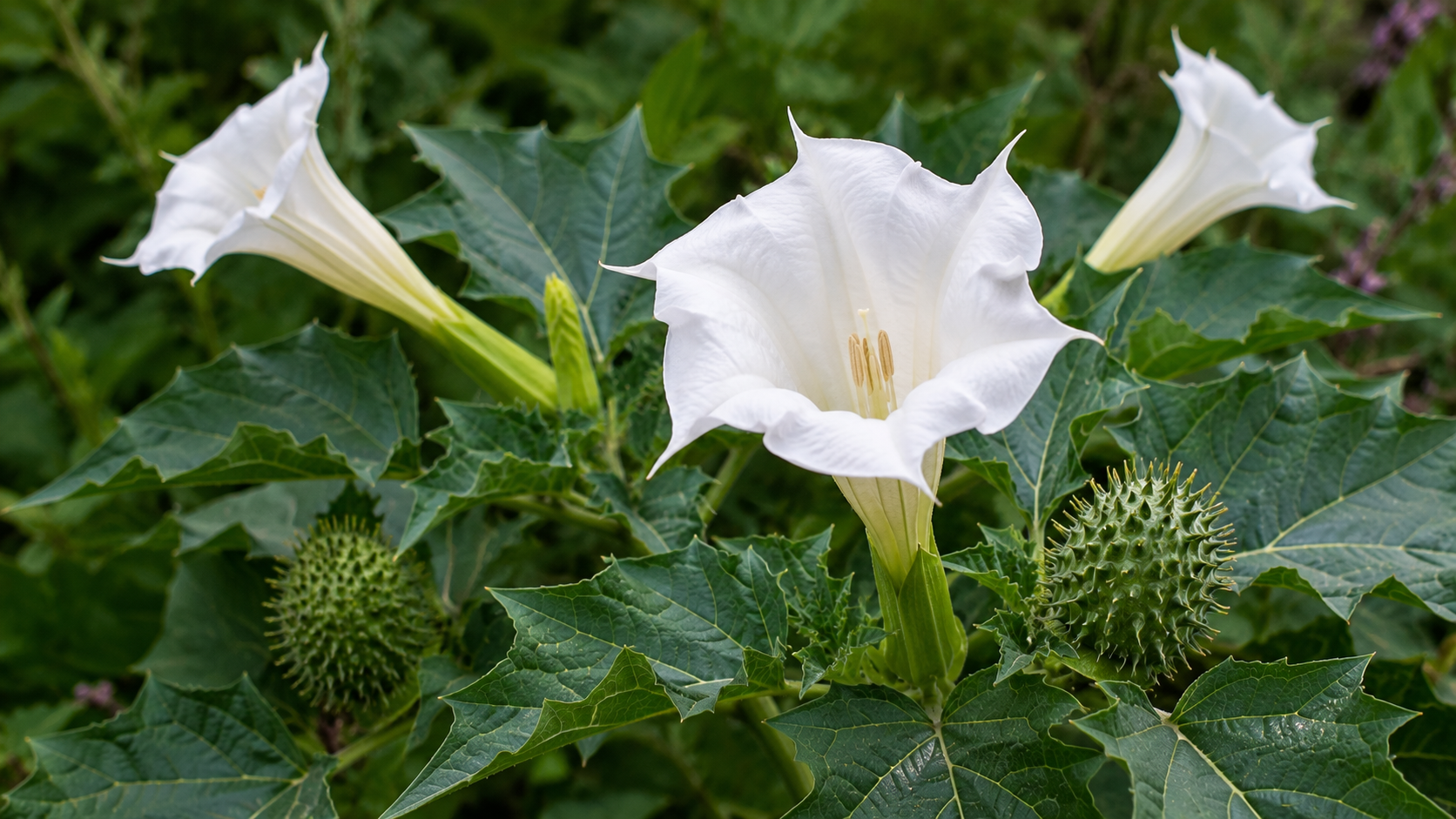
Datura: The Devil's Trumpet That Drives You Mad Before It Kills You
Legend says it grew from a god's throat after he swallowed a poison that could have ended the world. It's also the plant that sent colonial soldiers into days of delirium and convinced Inquisition courts they'd caught witches dancing with the devil.
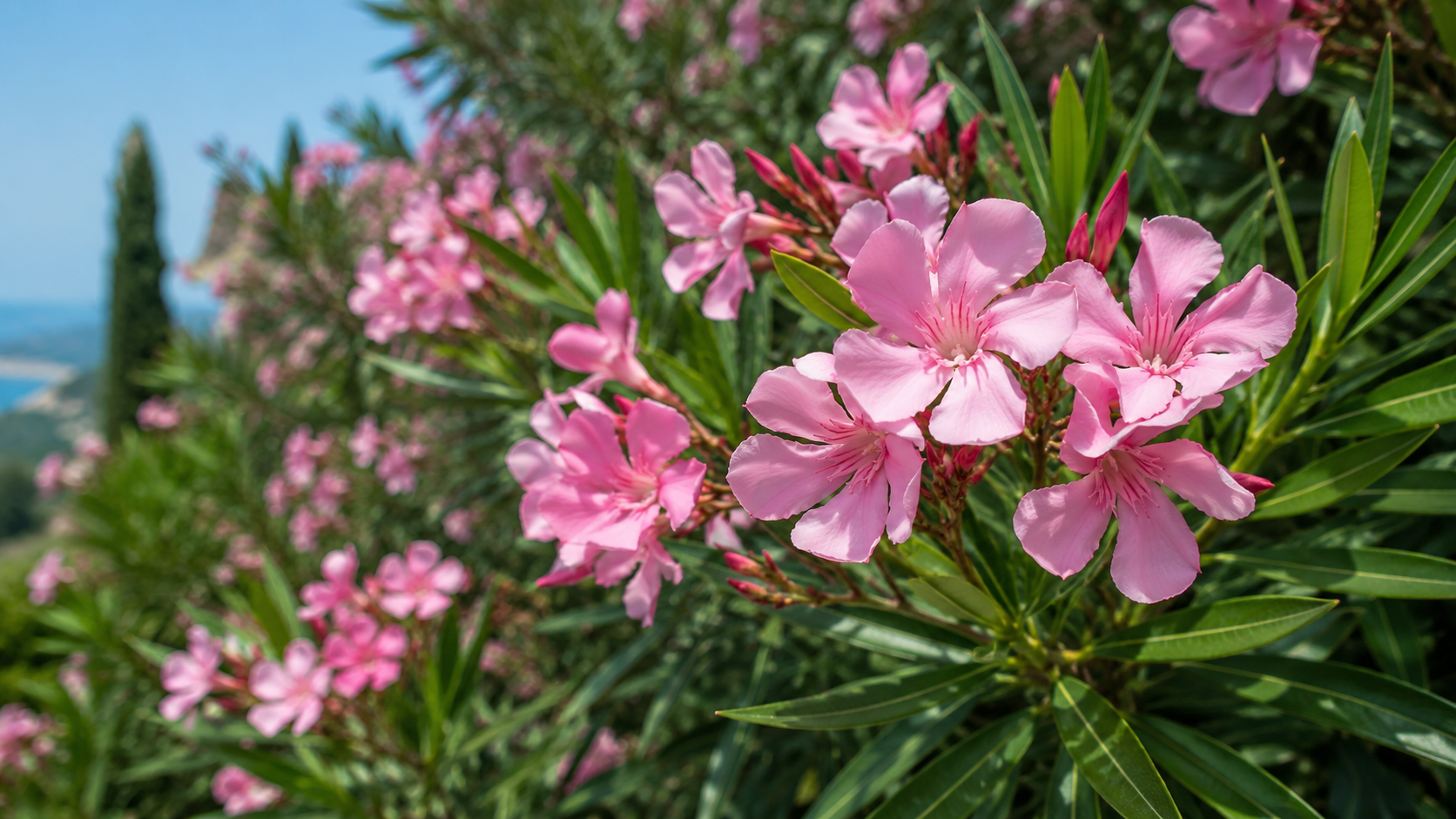
Oleander: The Beautiful Poison
A flower grown from a drowned lover's hand, planted to guard tombs and borders for centuries — and still potent enough to stop a heart. Oleander's beauty has never been the lie; the poison was always part of the package.
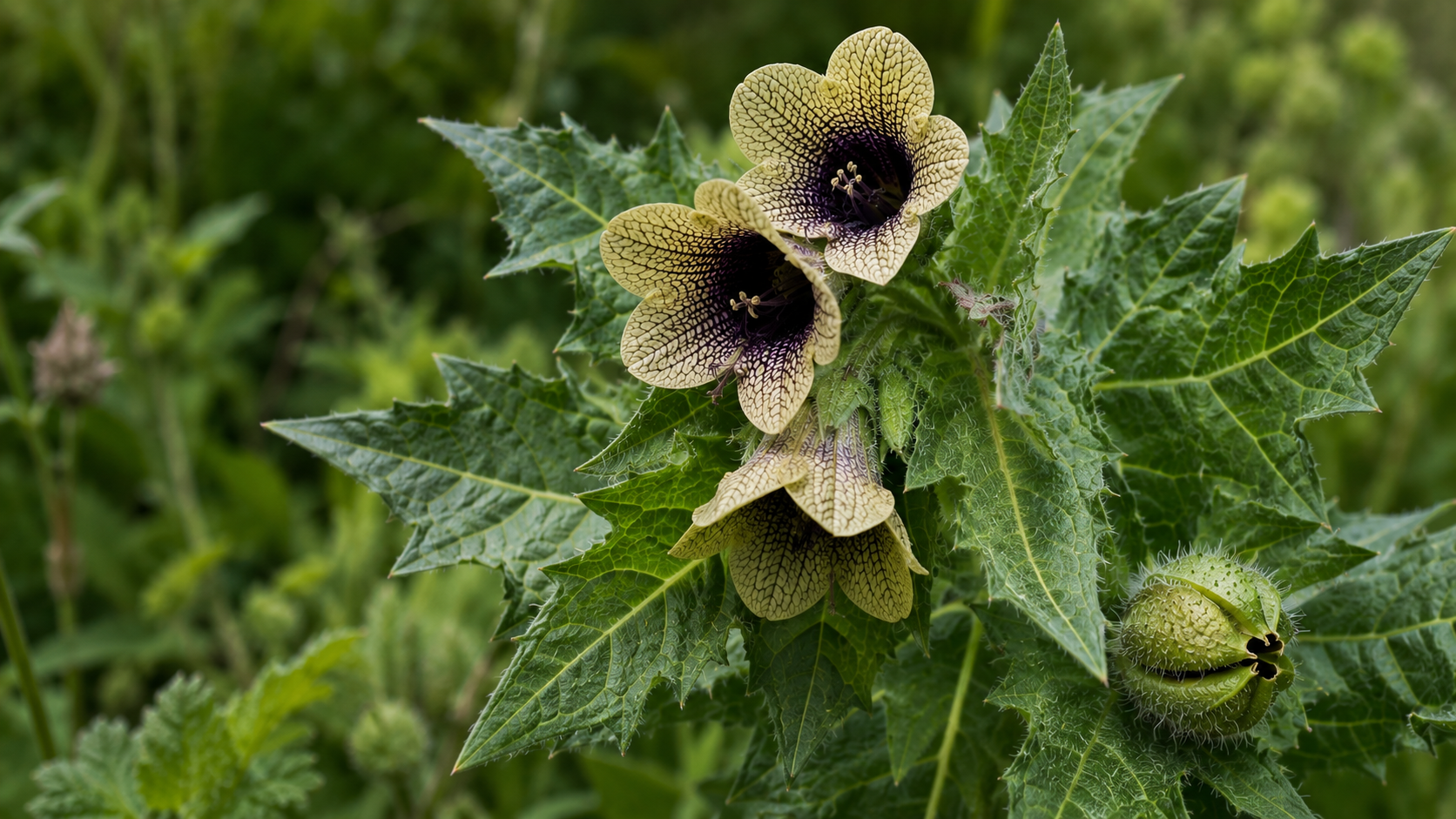
Henbane: The Witch's Herb That Fed Oracles, Murderers, and Pigs
It crowned the Greek dead, fed witches' broomsticks, and left even Cleopatra unwilling to die by it. Pigs love it. Everything else it touches tends to suffer.
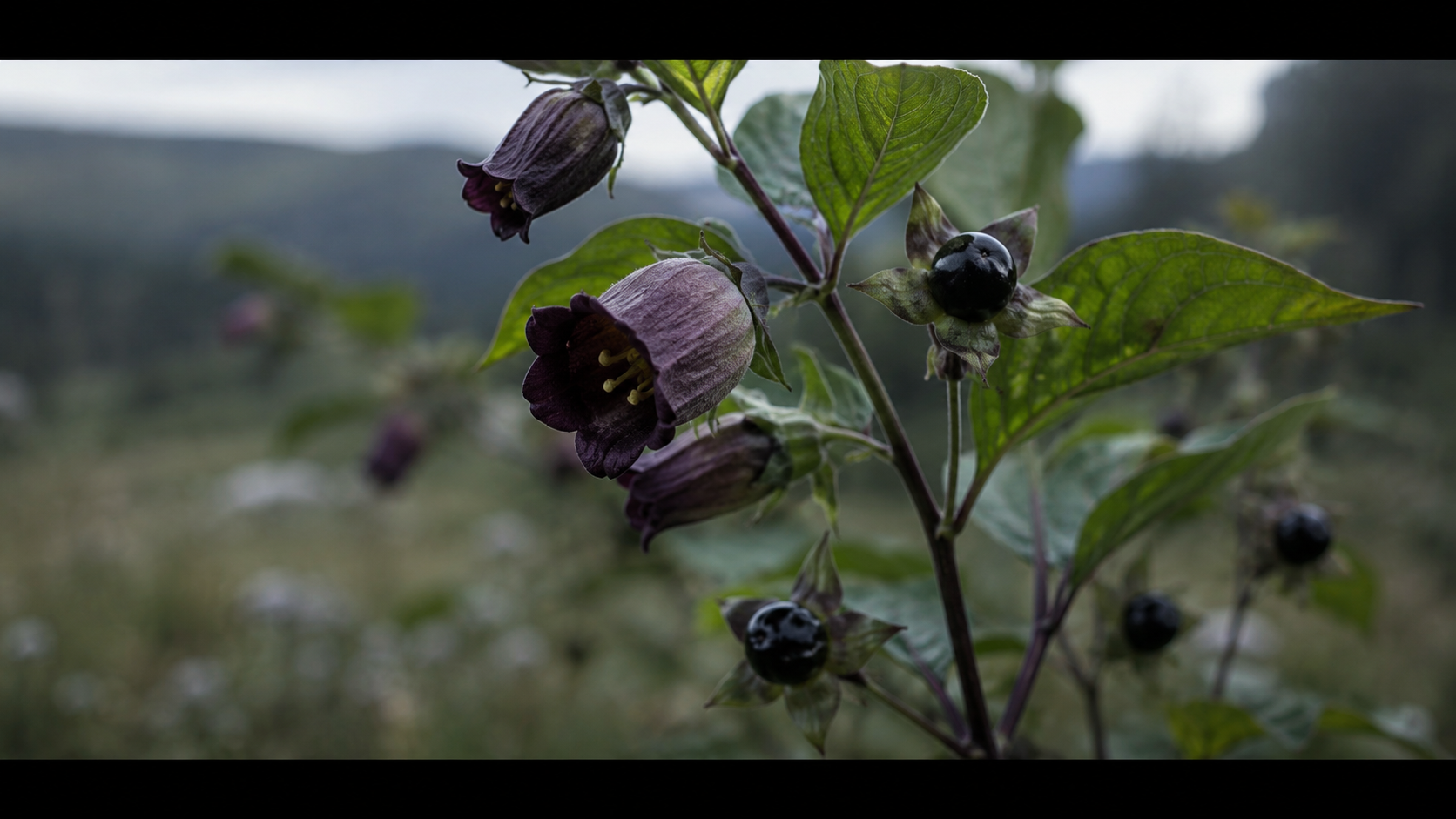
Belladonna: The Beautiful Death
There is a plant that has dressed itself in the language of seduction for centuries. Its berries gleam like black pearls in the dimming autumn light. Its flowers hang like small violet bells, heavy and bowed, as though whispering something to the earth. Even its name is an act of enticement — bella donna, beautiful woman — and like many beautiful things that invite you closer, it carries death between its leaves.
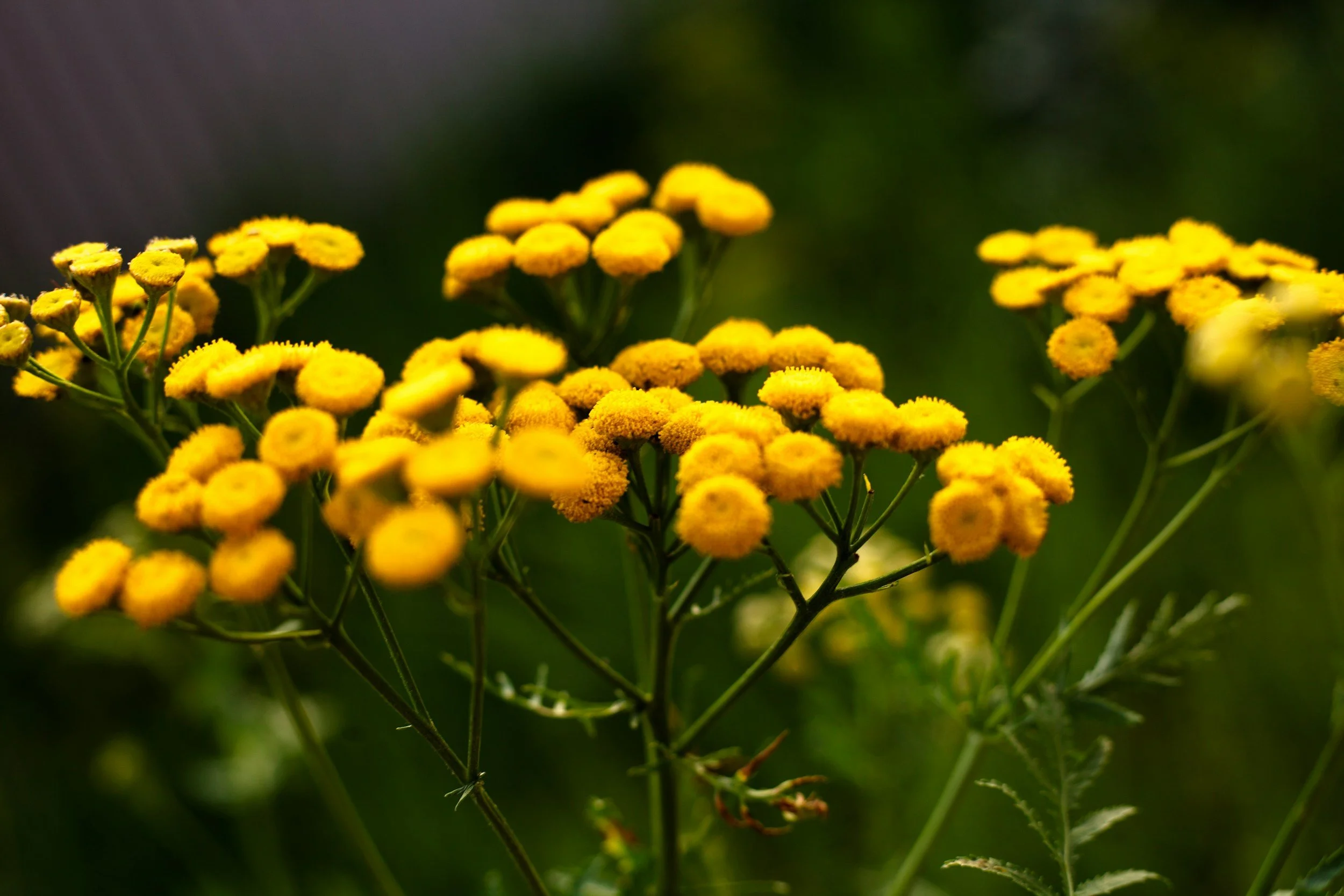
Tansy: The Golden Guardian of Banishing
Tansy, with its bright yellow button-like flowers, is a powerful herb of protection, courage, and banishing. Revered in folklore for its cleansing and warding qualities, it is used in witchcraft as incense, ritual oil, or charms. Toxic if ingested, Tansy’s spirit is best invoked symbolically as a guardian against harm.
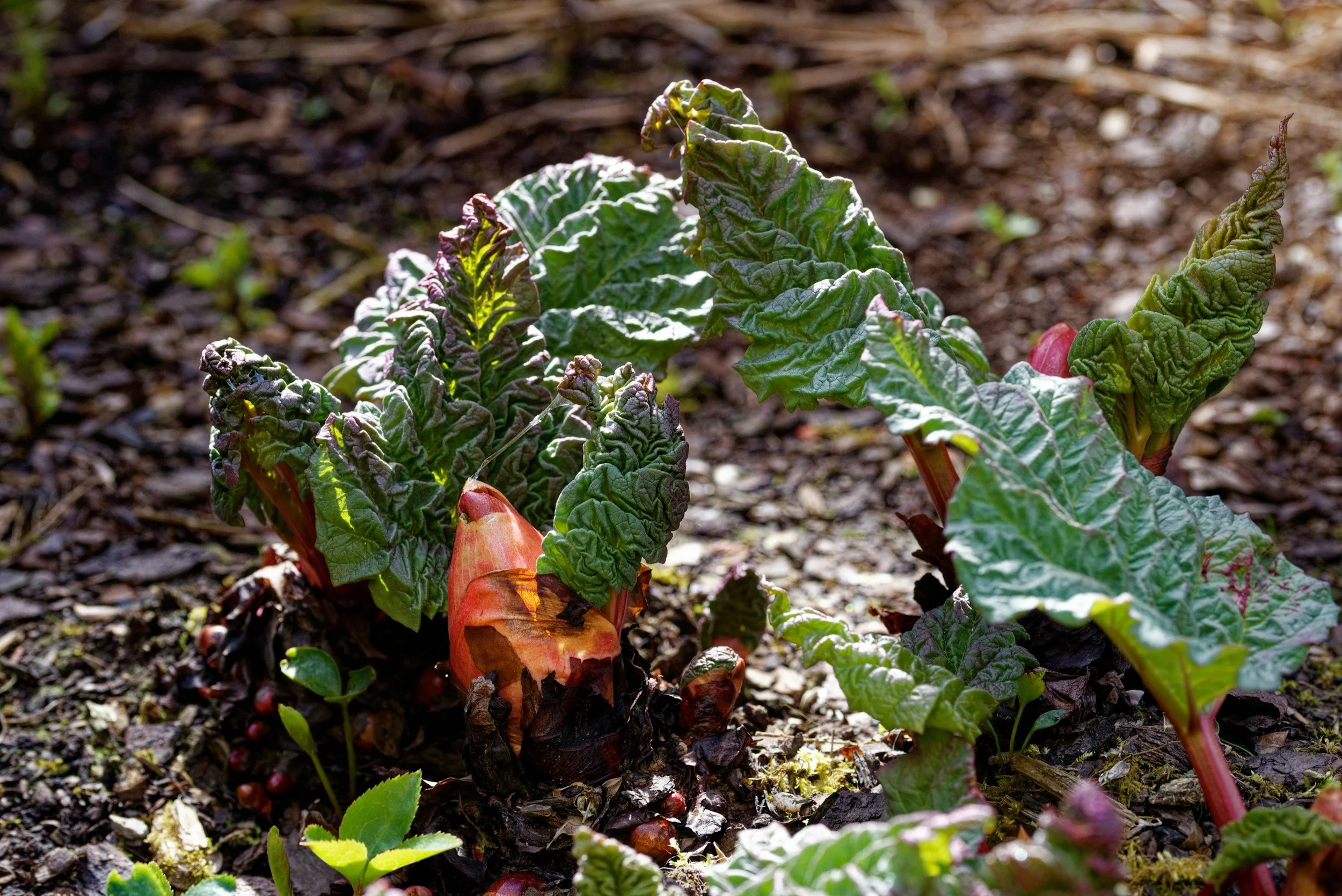
Rhubarb Leaves: The Shield of Poison and Purification
Rhubarb leaves, with their large green shields, are tied to magical protection and cleansing. Toxic if ingested, they are honored symbolically in witchcraft to banish negativity, set boundaries, and purify spaces. Their paradox—edible stalk, poisonous leaf—makes them a powerful emblem of balance, protection, and spiritual defense.
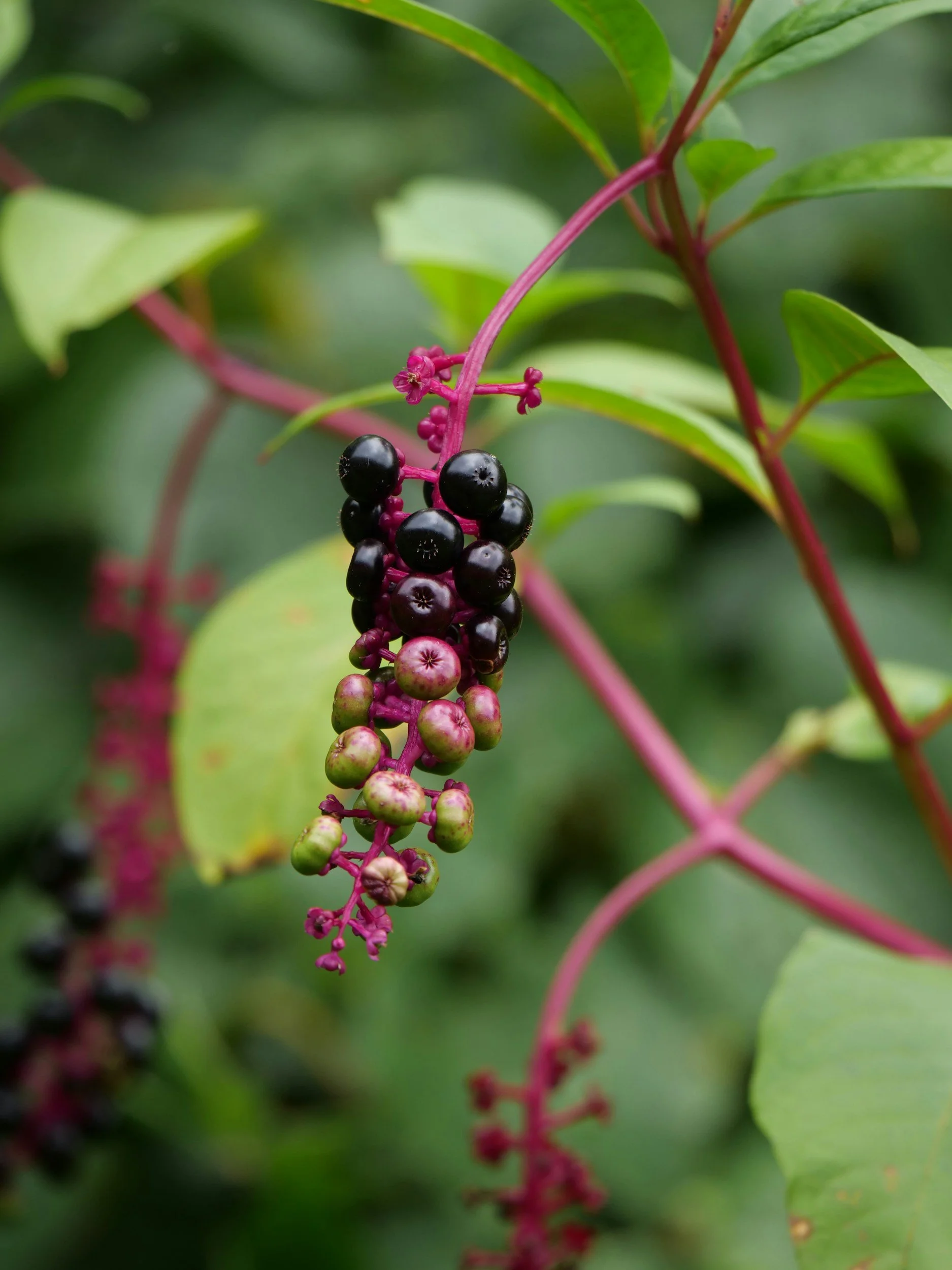
Poke Root (Phytolacca): The Poisoned Key of Transformation
Poke Root (Phytolacca), with its dark green leaves and purple berries, is a toxic plant tied to protection, transformation, and cursing magic. Revered in folk practices for its power to draw out hidden forces, it is used symbolically in witchcraft for banishing, breaking curses, and forcing shadow into light.

Mistletoe: The Evergreen Mystery of Protection and Power
Mistletoe, with its green leaves and white berries, is a sacred plant tied to protection, fertility, and healing. Revered by Druids, entwined with Norse myth, and honored in modern rituals, it embodies the liminal—life in death, blessing in danger. Toxic if ingested, it is invoked symbolically in charms, wards, and spiritual practices.

Kalmia (Mountain Laurel): The Shield of Silent Strength
Kalmia, or Mountain Laurel, is an evergreen shrub with clusters of pink or white flowers tied to protection and banishment. Known for its defensive magical energy, it is extremely toxic and handled only symbolically in witchcraft and folklore. Learn its magical uses, ritual traditions, and metaphysical effects.
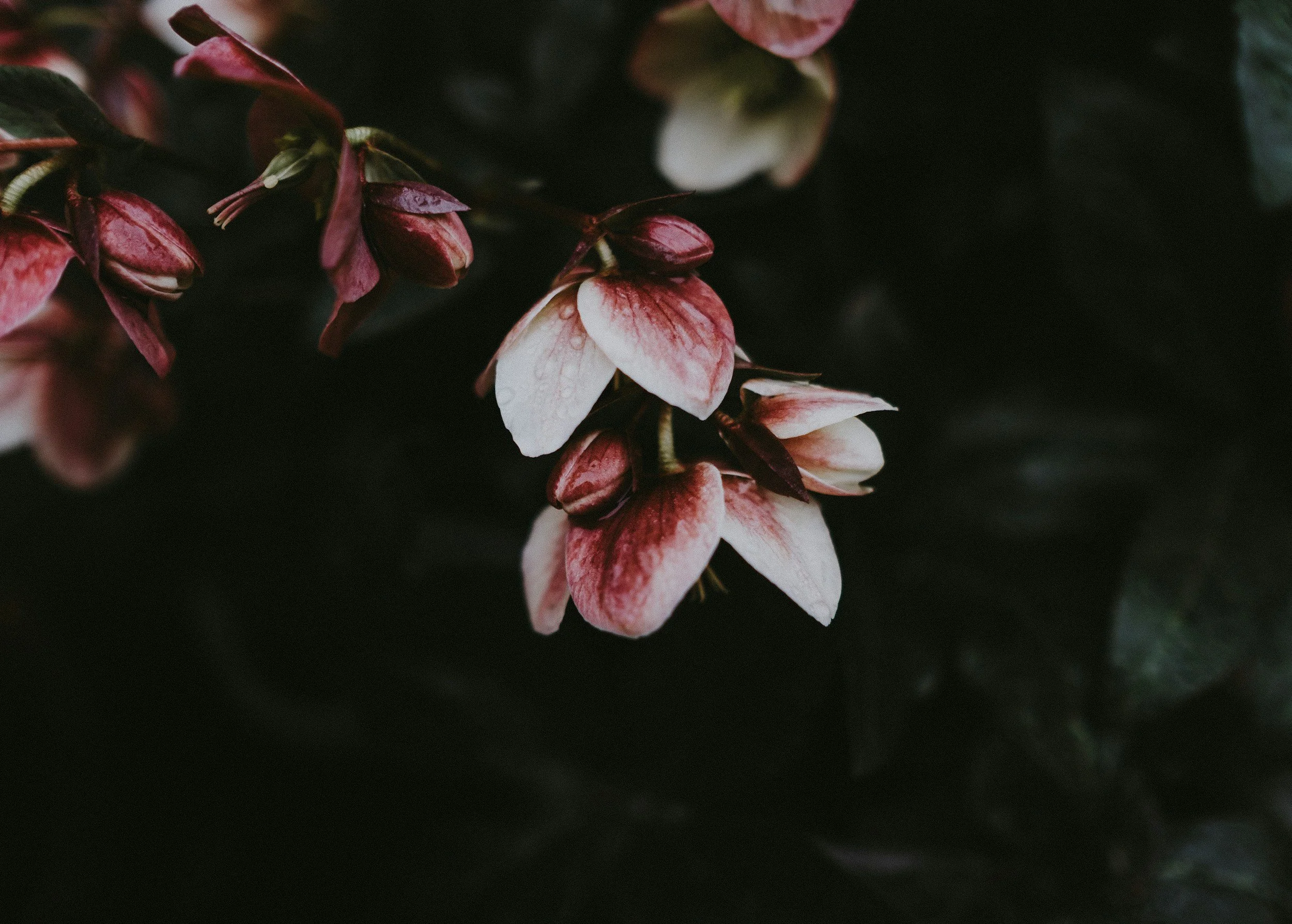
Hellebore: The Winter’s Guardian of Shadow and Vision
Hellebore is a ghostly, poisonous flower tied to protection, banishing, and spiritual vision. Used historically in apotropaic charms, it is handled symbolically in witchcraft to guard thresholds, enhance psychic perception, and safely invoke its potent energy.

Gelsemium Magic: Divination, Protection, and the Golden Veil
Gelsemium, with its slender green vines and yellow flowers, symbolizes protection and divination in magical practice. Extremely toxic, it is used only symbolically in rituals to enhance insight, guard against harmful energies, and navigate liminal spaces. Learn safe ways to work with its energy in altar, meditation, and charm work.
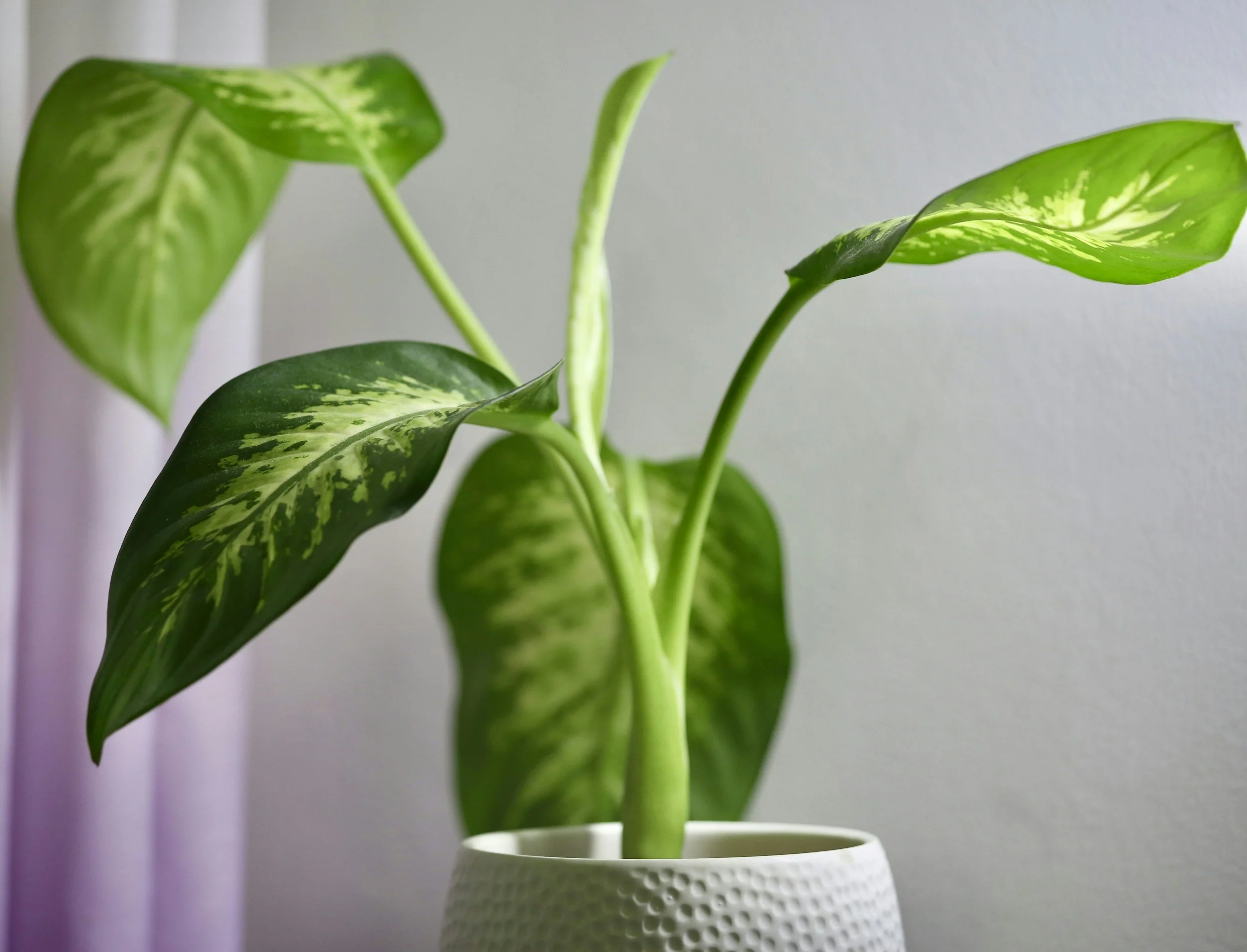
Dieffenbachia Magic: Protection, Warding, and the Silent Sentinel
Dieffenbachia, or dumb cane, is a striking houseplant with protective energy. Associated with warding, silence, and shielding, it is never ingested but used symbolically in magical practice. Learn its history, folklore, safe uses, and metaphysical role as a silent guardian in home and ritual protection.

Bellwort (Uvularia): The Guardian’s Lantern
Bellwort (Uvularia) is a slender, yellow-flowered plant tied to protection and psychic clarity. Known for use in charms, wards, and threshold magic, it is mildly toxic and invoked symbolically in witchcraft and folklore.
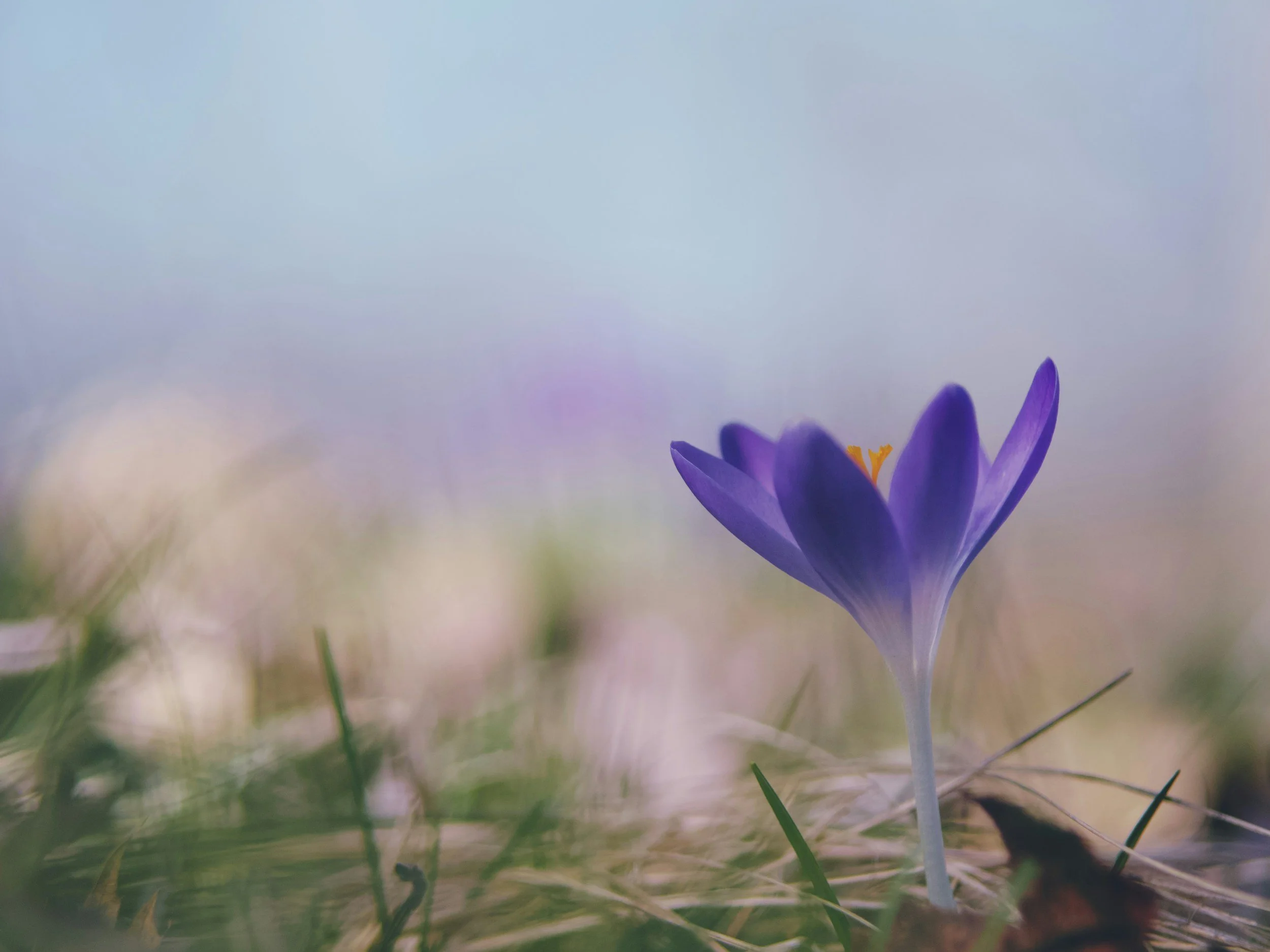
Autumn Crocus (Colchicum): The Poison Path’s Bloom of Transformation
Autumn Crocus, or Colchicum, is a purple-pink flower tied to protection, transformation, and divination. Though all parts are poisonous, it holds deep magical potency in folklore and witchcraft, symbolizing foresight, renewal, and the mysteries of the Poison Path. Learn its ritual traditions, metaphysical energy, and safe symbolic practices.

Arum (Jack-in-the-Pulpit, Calla Lily): The Hooded Flower of Protection and Mystery
Arum, known as Jack-in-the-Pulpit or Calla Lily, is a hooded flower linked to protection, banishment, and ritual secrecy. Though toxic if ingested, it has long been used symbolically in folklore and witchcraft to guard sacred spaces, cloak intentions, and veil rituals in silence. Explore its magical uses, ritual traditions, and metaphysical effects.
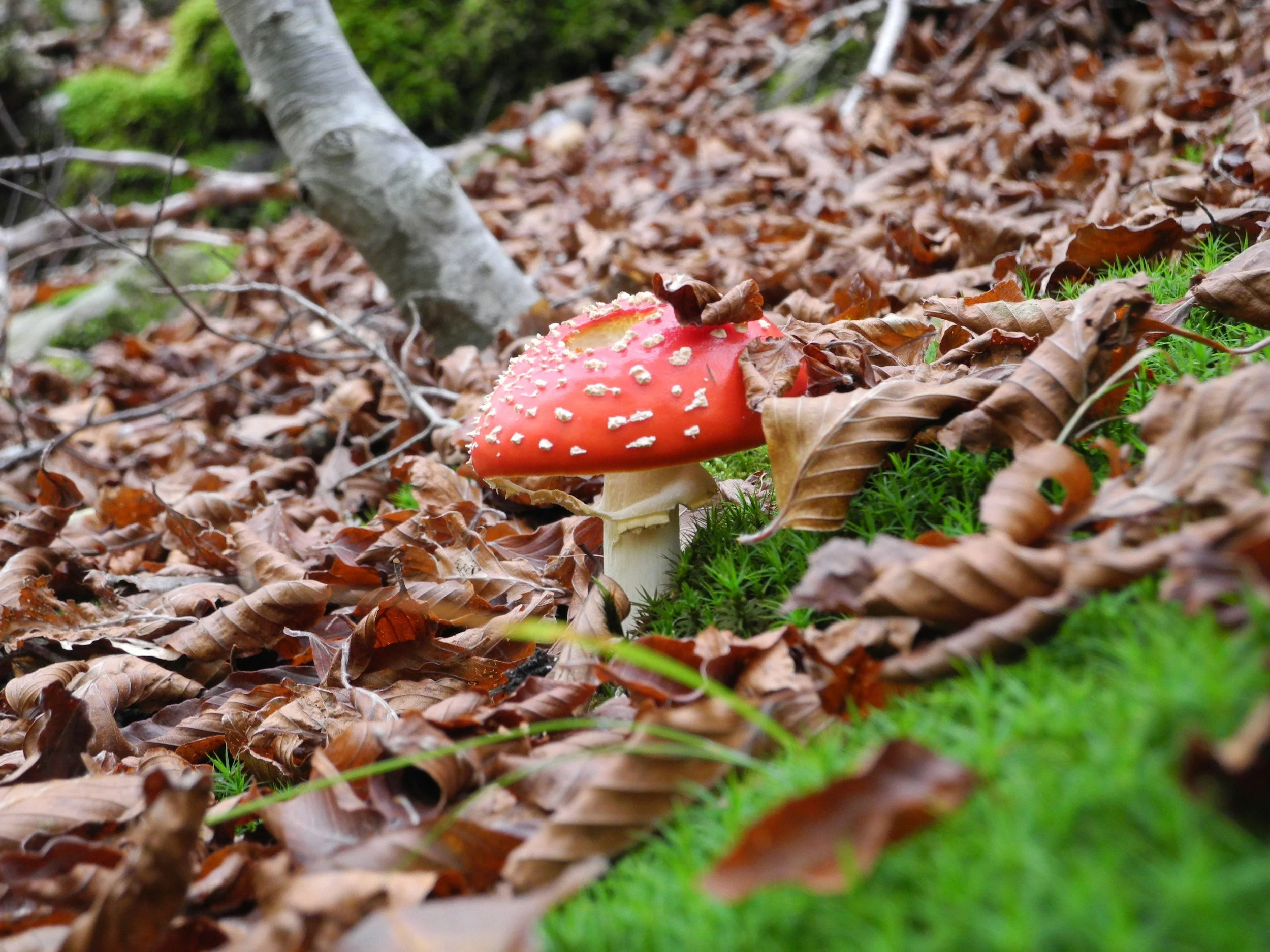
Amanita Mushrooms (Fly Agaric): The Red-Capped Doorway to Other Realms
Amanita mushrooms, also known as Fly Agaric, are iconic red-and-white toadstools tied to transformation, shamanic rituals, and spirit journeys. While toxic if ingested, they are revered in folklore, witchcraft, and visionary magic as gateways to altered states, psychic vision, and astral exploration. Discover their symbolic power and safe ways to honor their mythic energy.