SEASONAL WHEEL
THE OLD CALENDAR STILL TURNS. FOLLOW THE YEAR AS THE OLD WORLD KEPT IT.
Follow the turning of the year through old festivals, forgotten customs, seasonal folklore, and ritual practice. From first frost to firelit spring, each season carries its own magic—and its own ghosts.
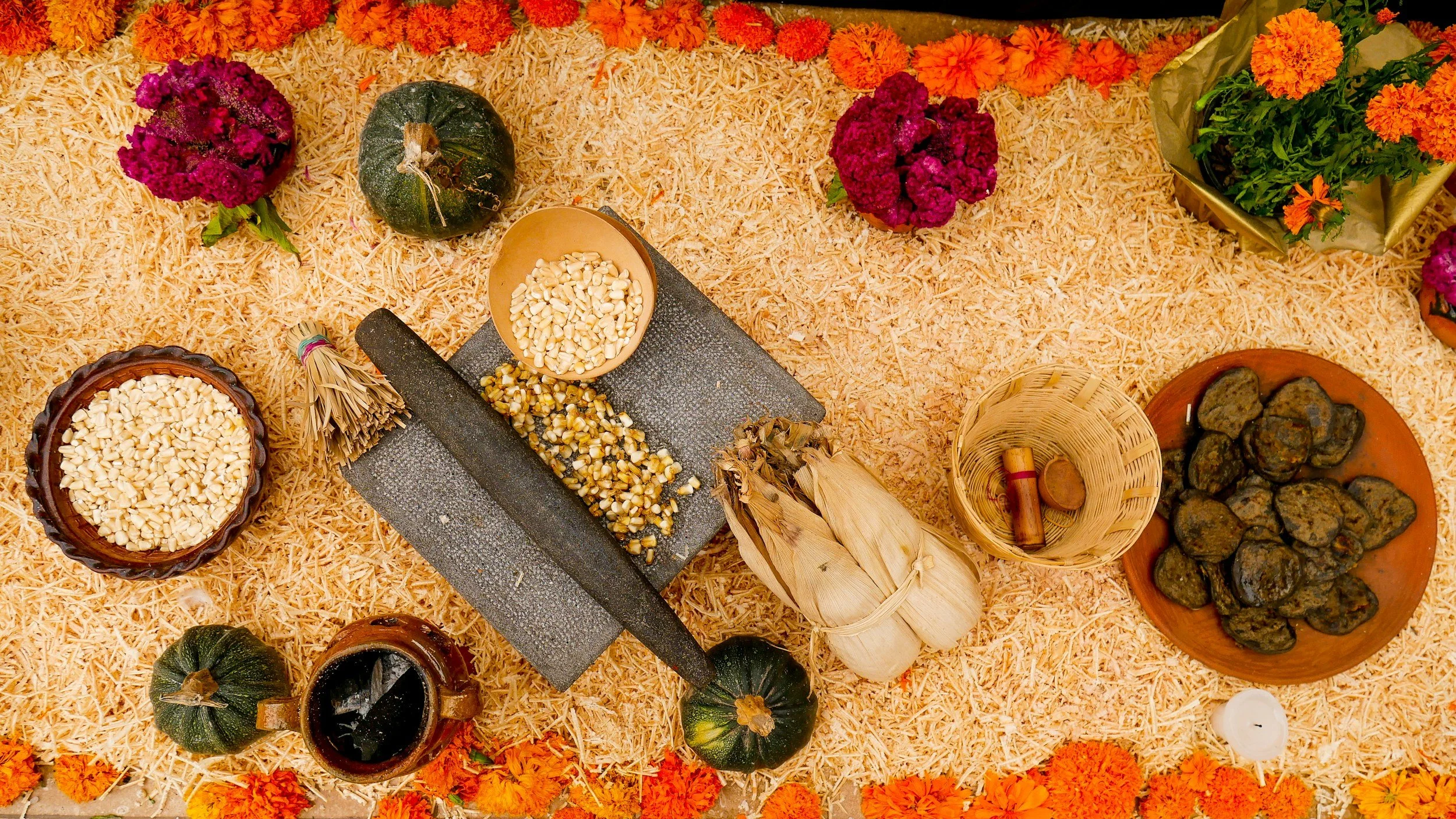
Ancestors, Gratitude & The Coming Dark: What Mabon Asks You to Carry
Every harvest is built on the work of the dead. The seeds came from last year's harvest. The knowledge of which field drains well was inherited from someone who is gone. Mabon's ancestor work is not about the dead returning — it is about the living turning toward the dead deliberately, in the light that makes the old things look most themselves, before the door opens at Samhain and the dead have their say regardless.
Balance, Equinox & Seasonal Turning: The Scales That Never Stay Still
The equinox is not a celebration of balance. It is the last moment of balance before the tipping — the pivot point between the light half and the dark half, existing not as an endpoint but as a breath held before release. Every culture that has ever watched the sky has understood this, and has understood that the appropriate response to a moment of equilibrium is not to try to hold it still. It is to pay full attention before it passes.
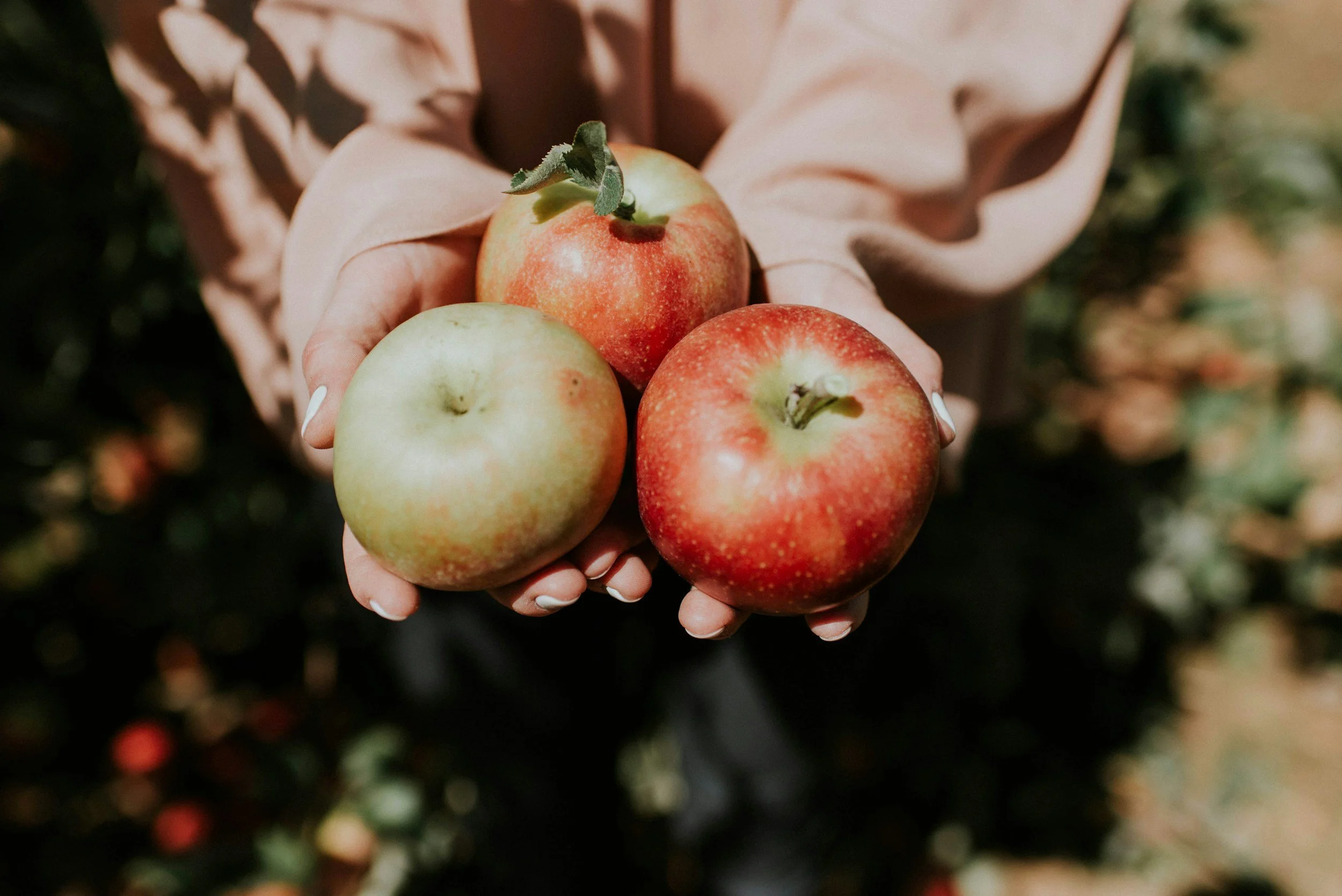
Harvest, Apples & Autumn Feasts: The Sacred Fruit and the Feast at the Year's Edge
Cut an apple through its equator and look at the cross-section: a perfect five-pointed star, the seeds arranged in a pentagram, waiting to be discovered by anyone who knows how to cut. The apple carries its own sacred geometry inside it. At Mabon, when the harvest reveals it, the star and the season and the feast are all saying the same thing.
Sacrifice, Gratitude & Seasonal Turning: The Reckoning at the Heart of Abundance
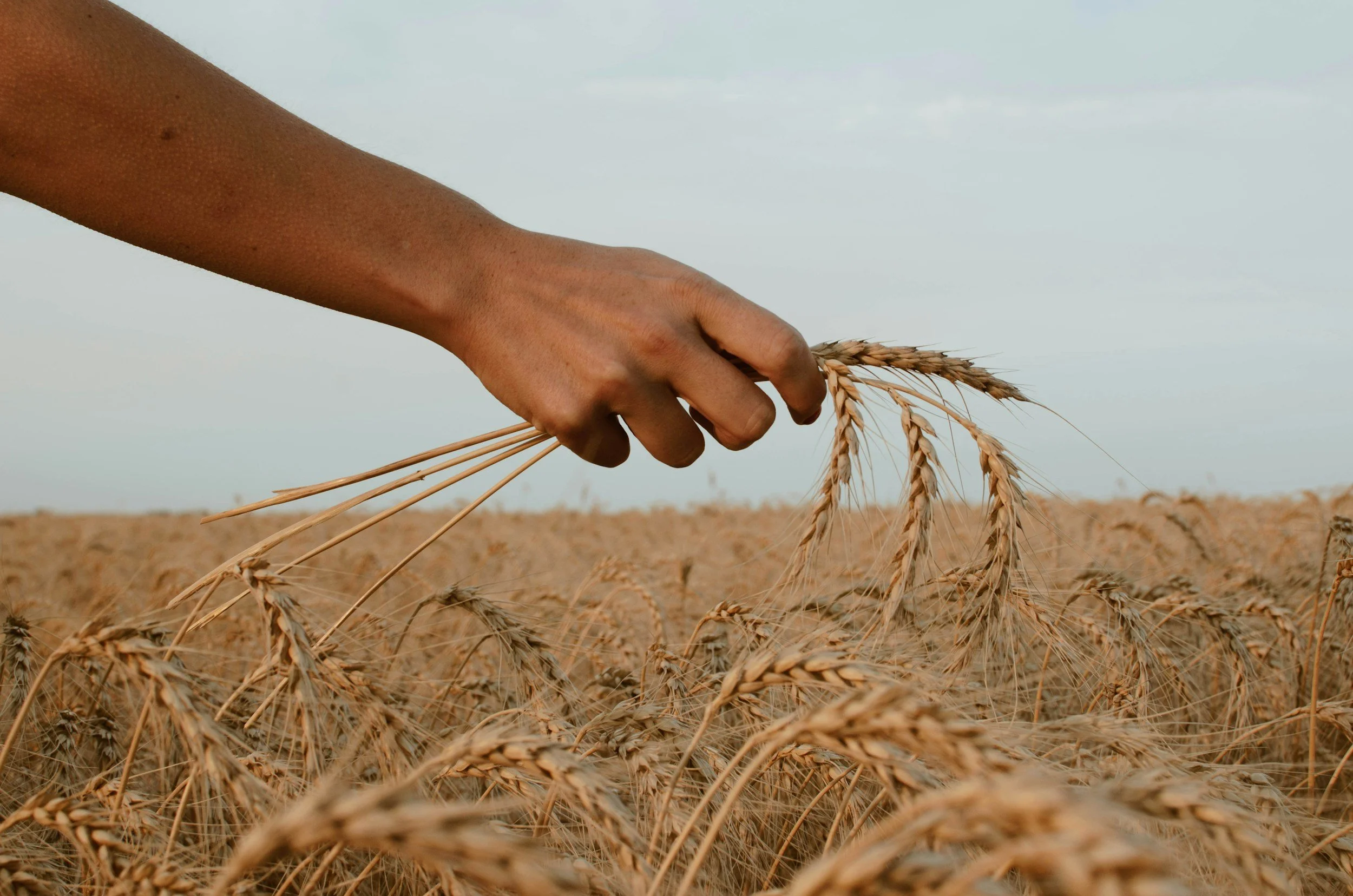
Real gratitude — the kind Lughnasadh requires — demands that you look clearly at what you have received and at what it cost. Both things, simultaneously. The abundance and the price. The feast and the blade. The harvest traditions of the Celtic world were built on this reckoning, and Lughnasadh is the festival that refuses to let abundance be separated from the honest accounting of what produced it.
Lugh, Skill & Sacred Craft: The God of Everything and the Festival of Excellence
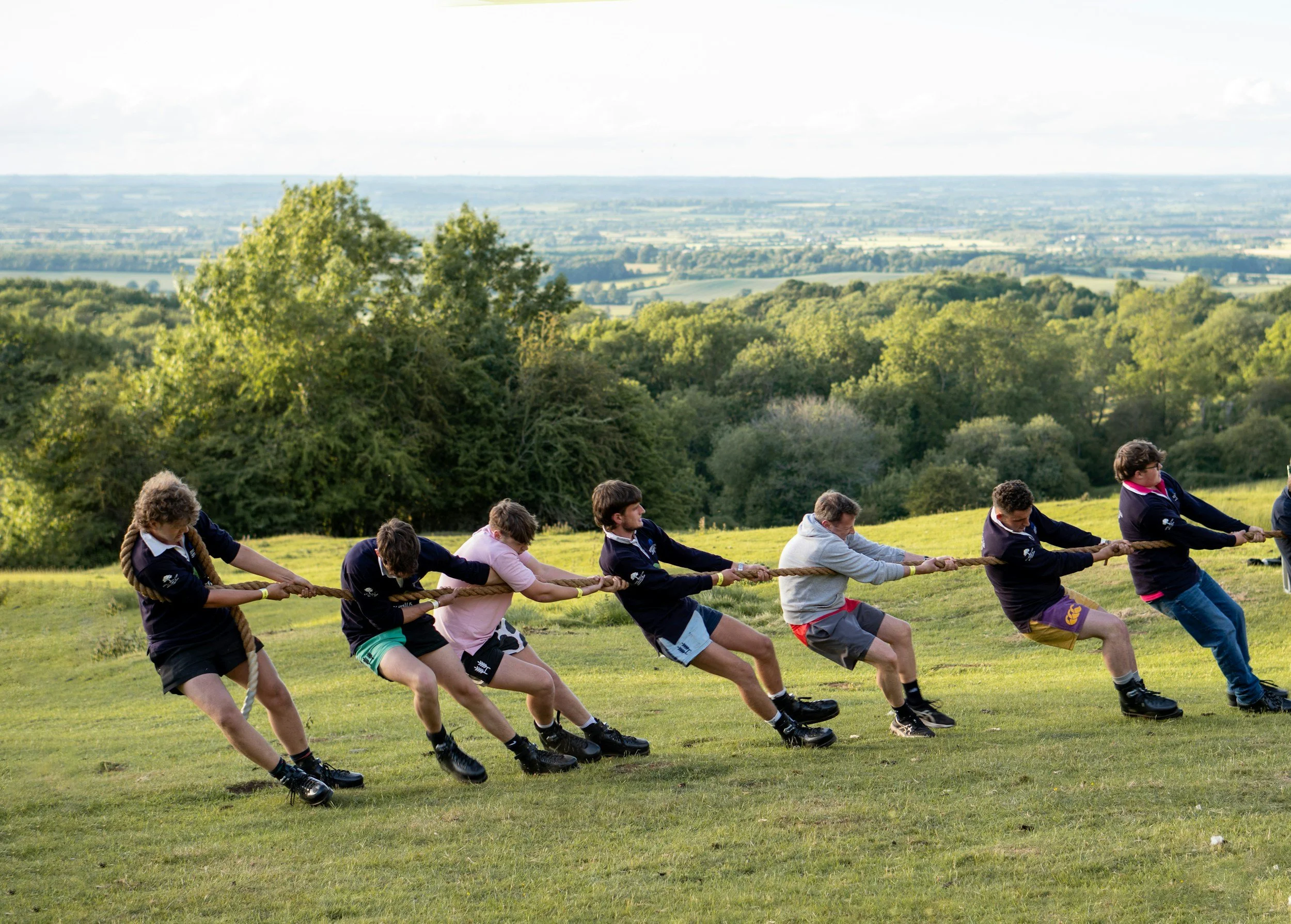
Why is the harvest festival named for a god of skill? Lugh is not a grain deity or a weather deity — he is the master of all crafts simultaneously, the god who embodies excellence in every domain. The Tailteann Games, the harvest knot, the spear that cannot miss: all of them carry the same teaching. At Lughnasadh, skill developed fully and offered completely is itself an act of devotion.
Harvest, Bread & Grain Rites: The Sacred Technology of the First Reaping
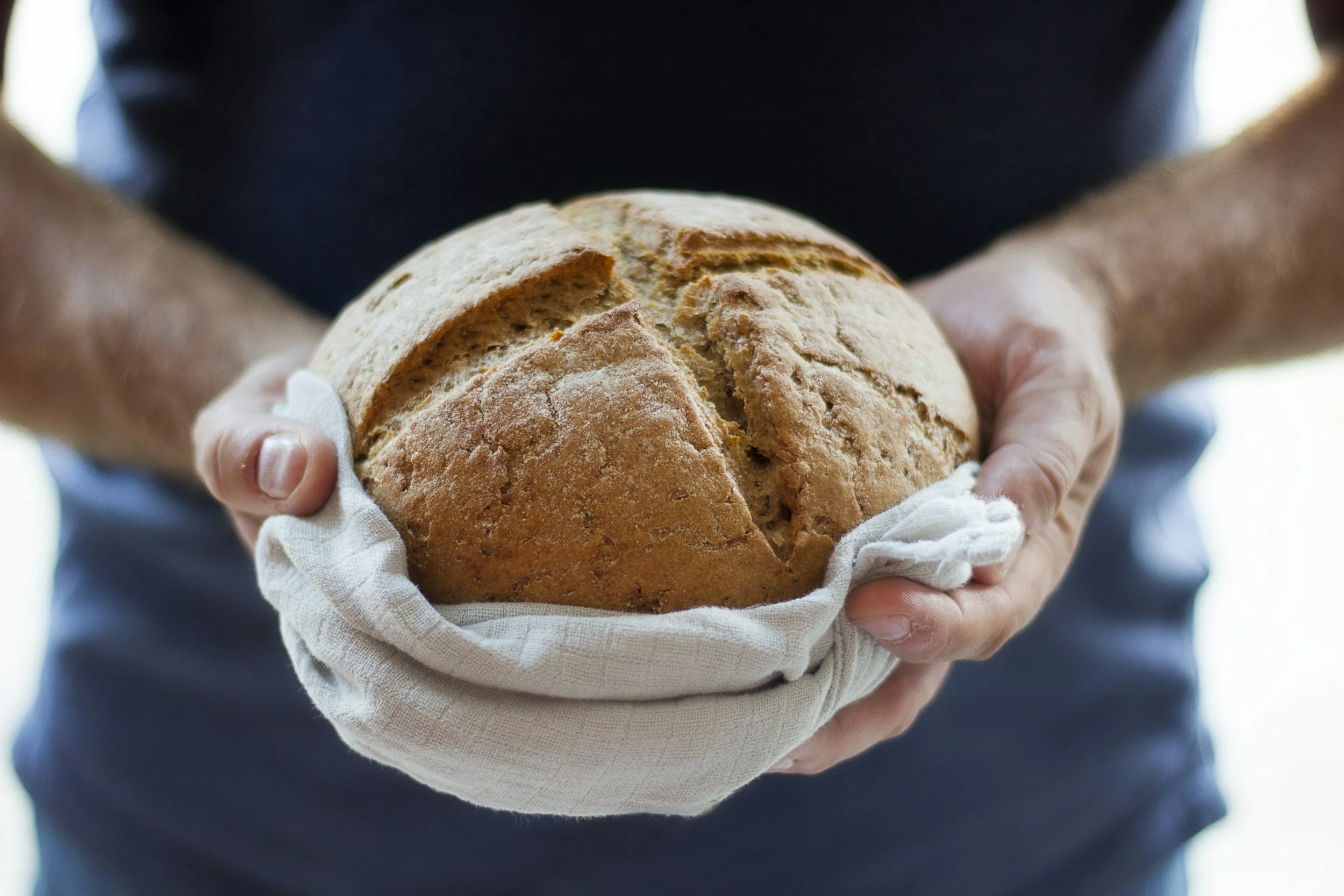
Bread is the oldest miracle — not metaphorically, but technically. The transformation of living grain into storable, nourishing food required the most sophisticated technology the ancient world possessed. The harvest rites of Lughnasadh — the last sheaf, the corn dolly, the Lammas loaf, the ballad of John Barleycorn — were built around the full acknowledgment of what that miracle cost.
Fae, Forests & Midsummer Magic: What Shakespeare Knew and the Folk Remembered
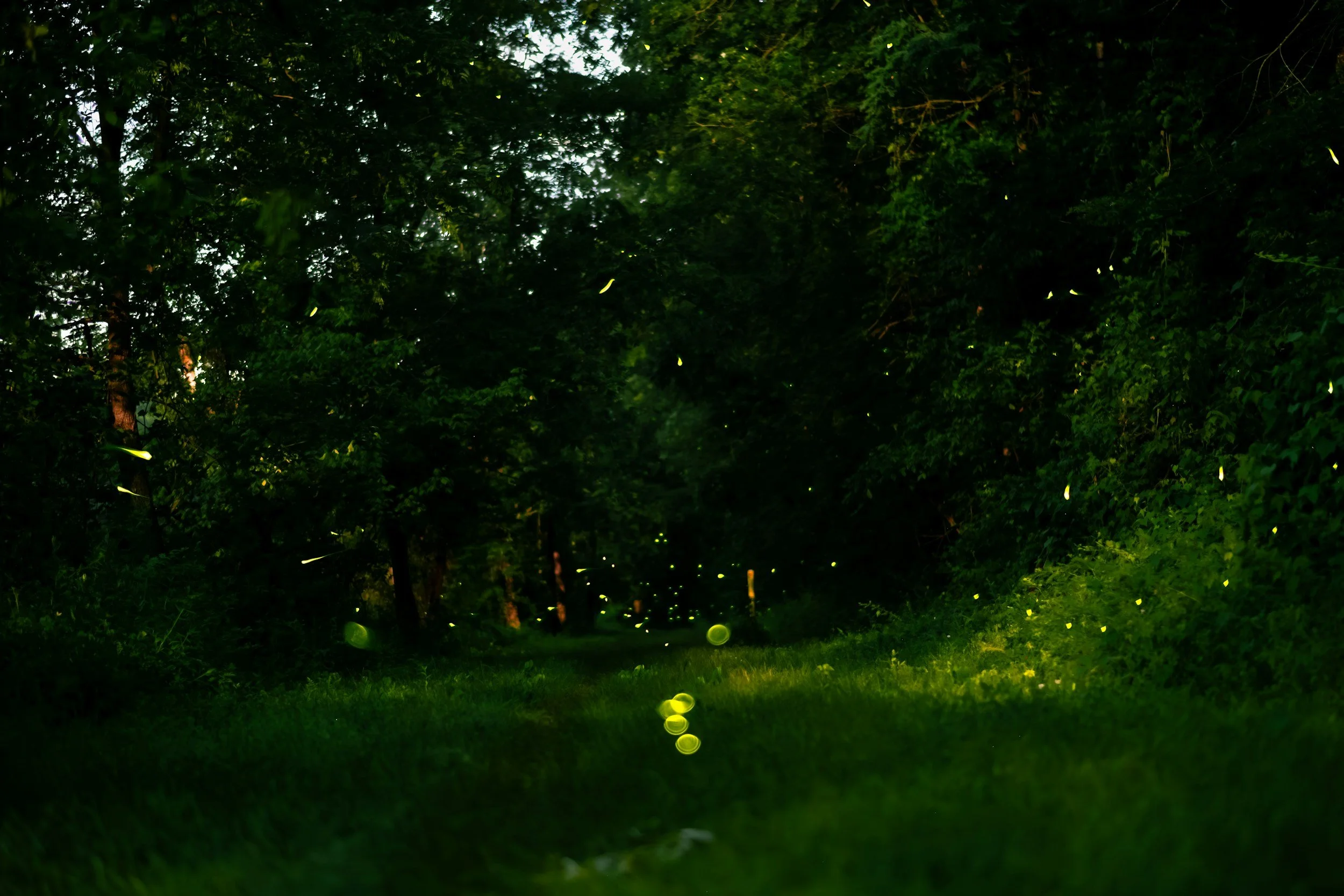
A Midsummer Night's Dream is usually discussed as theater. What it is less often discussed as is folklore documentation — the specific supernatural mechanics of the midsummer tradition dressed in Elizabethan comedy. The fairy court, the enchanted forest, the night when nothing is as it appears: these were not Shakespeare's invention. They were the living beliefs of his audience. The play is set at midsummer because that is when these things happened.
Herbs, Blooms & Summer Abundance: The Green Pharmacy of Midsummer
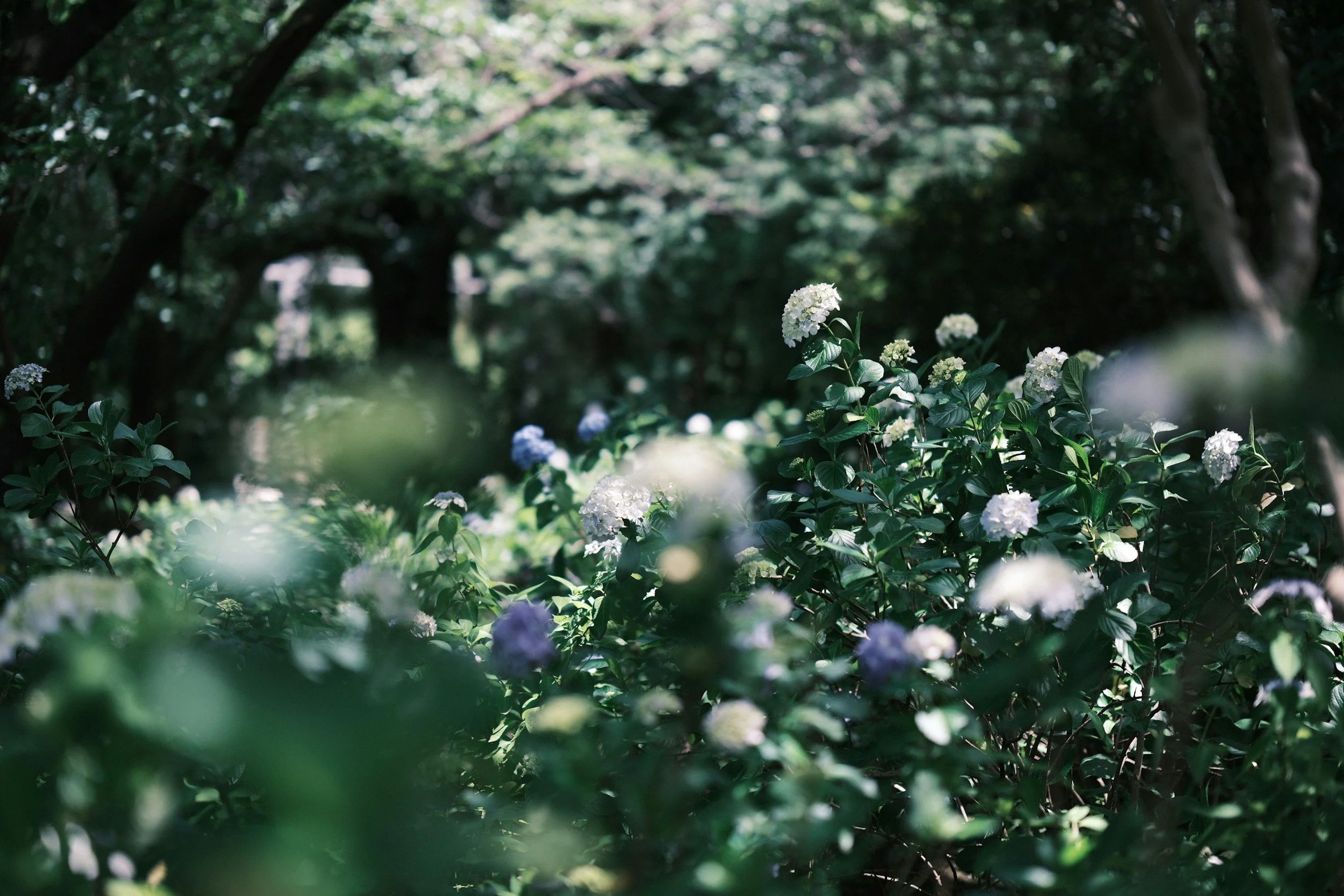
Midsummer is the peak of the herbal year — the moment when months of concentrated sunlight have made every plant most fully itself. St. John's Wort bleeds red oil that brings light into depression. The Elder Mother offers her lace-white flowers and demands acknowledgment in return. Meadowsweet fills the river margins with the smell of honey and hidden medicine. Vervain waits in the waste ground to be found by those who know how to look.
Sun, Fire & Solar Power: The Gods of the Solstice and the Architecture of the Longest Day
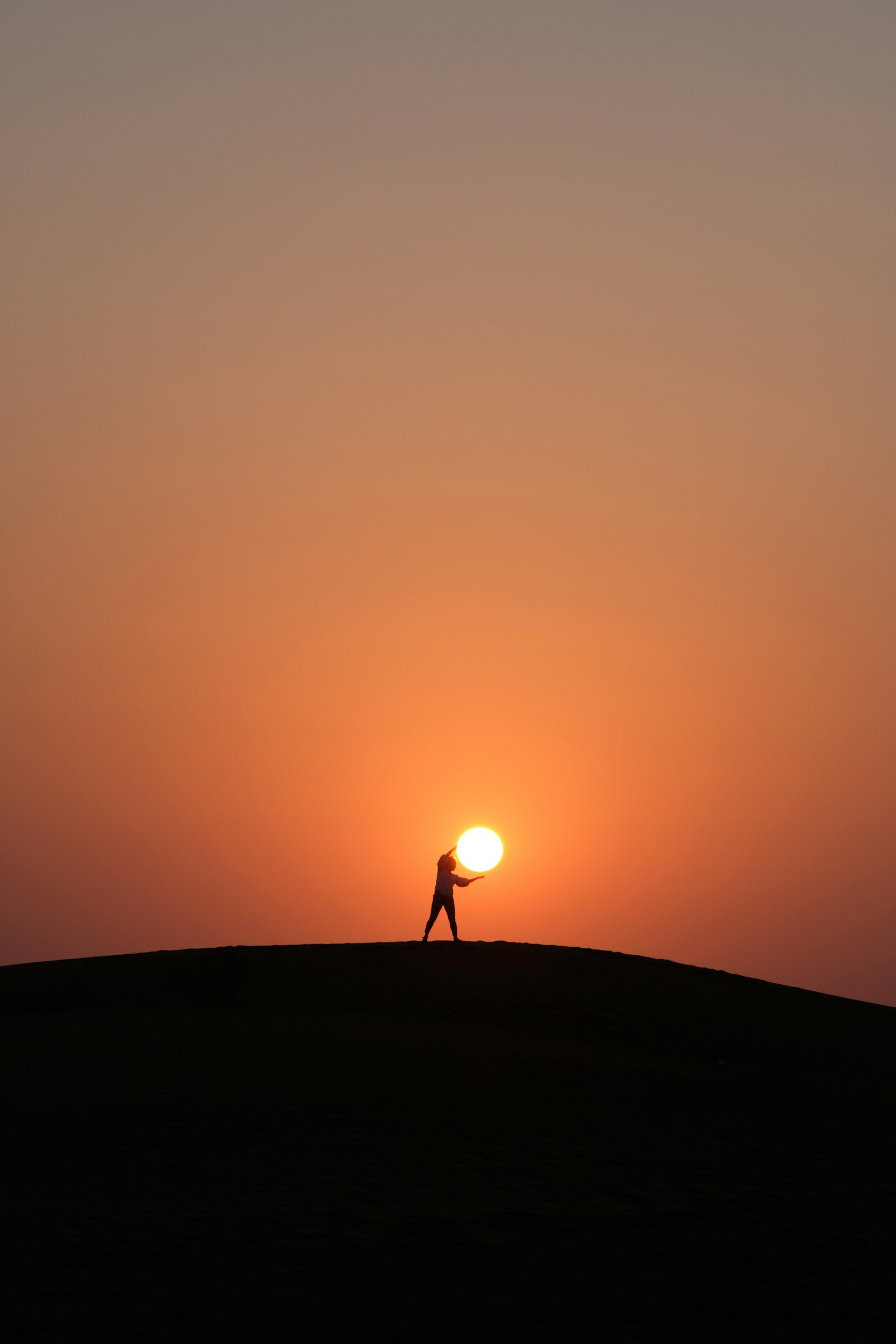
The sun at the solstice is not the sun of any other day. The ancient world built monuments to prove it knew the difference — aligned stones, solar temples, burning wheels rolled downhill. From Lugh of the Long Arm to Ra crossing the underworld to the Colossus of Rhodes, the solar pantheon tells the same story in a dozen languages: at midsummer, the light deserves a name. And that name should be spoken at full volume.
Spring Symbols & Correspondences: The Full Sensory Language of Beltane
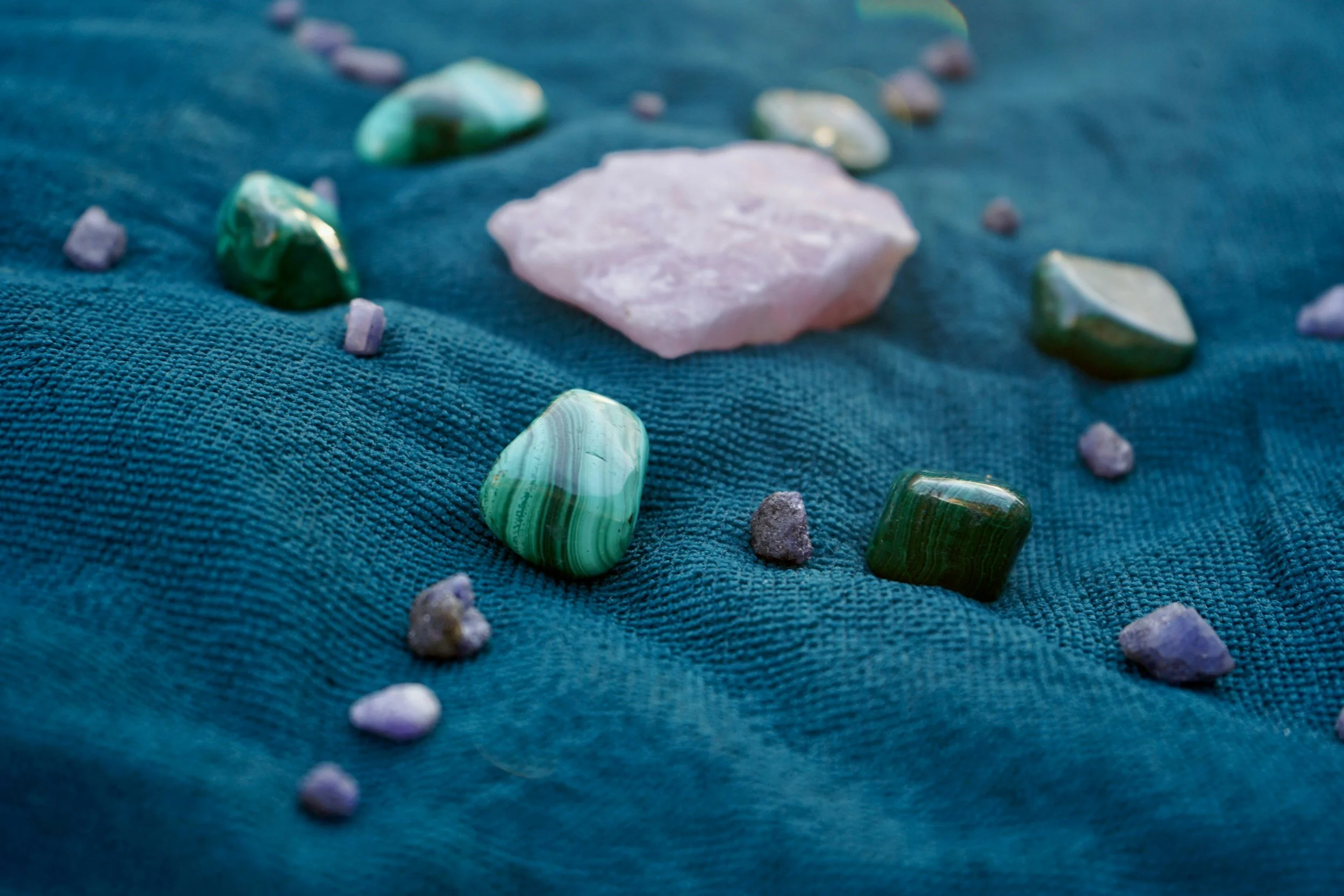
The correspondences of Beltane are descriptions before they are prescriptions — the world telling you what it is in the specific language of hawthorn blossom, gold fire, deep green, and the smell of the earth at full power. Here is the full sensory vocabulary of May, and what each element of it has always meant.
The Fae at Beltane: When the Other Court Rides and the World Forgets Its Edges
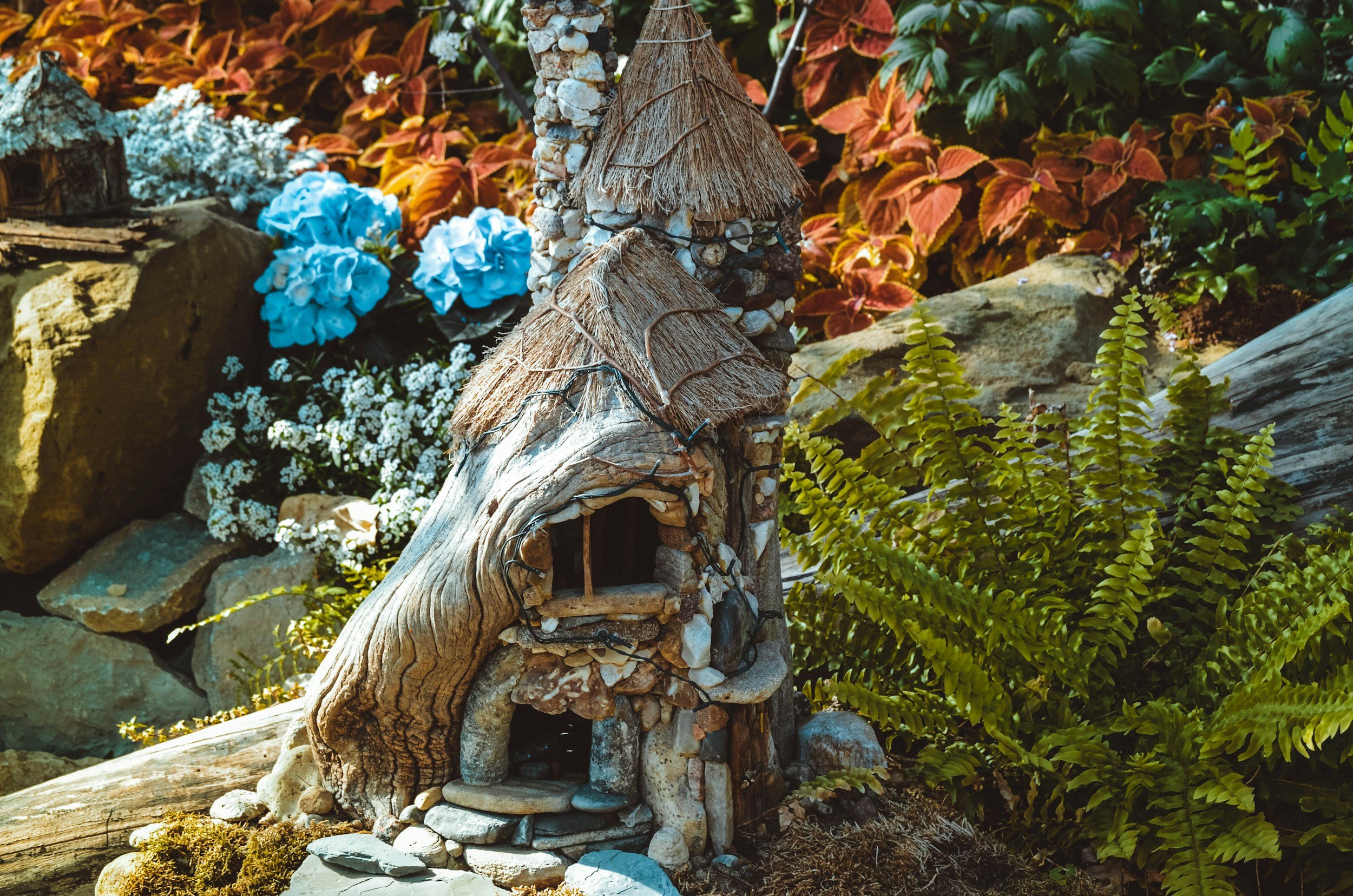
Beltane and Samhain are twin thresholds — and the fae who move through them are not the same. The Samhain host is cold and indifferent. The Beltane fae are drawn to the fire, to the beauty, to the youth in bloom. They come to the party. They want what you have precisely because it is most worth having. This is their specific cruelty, and it is the oldest May Day warning there is.
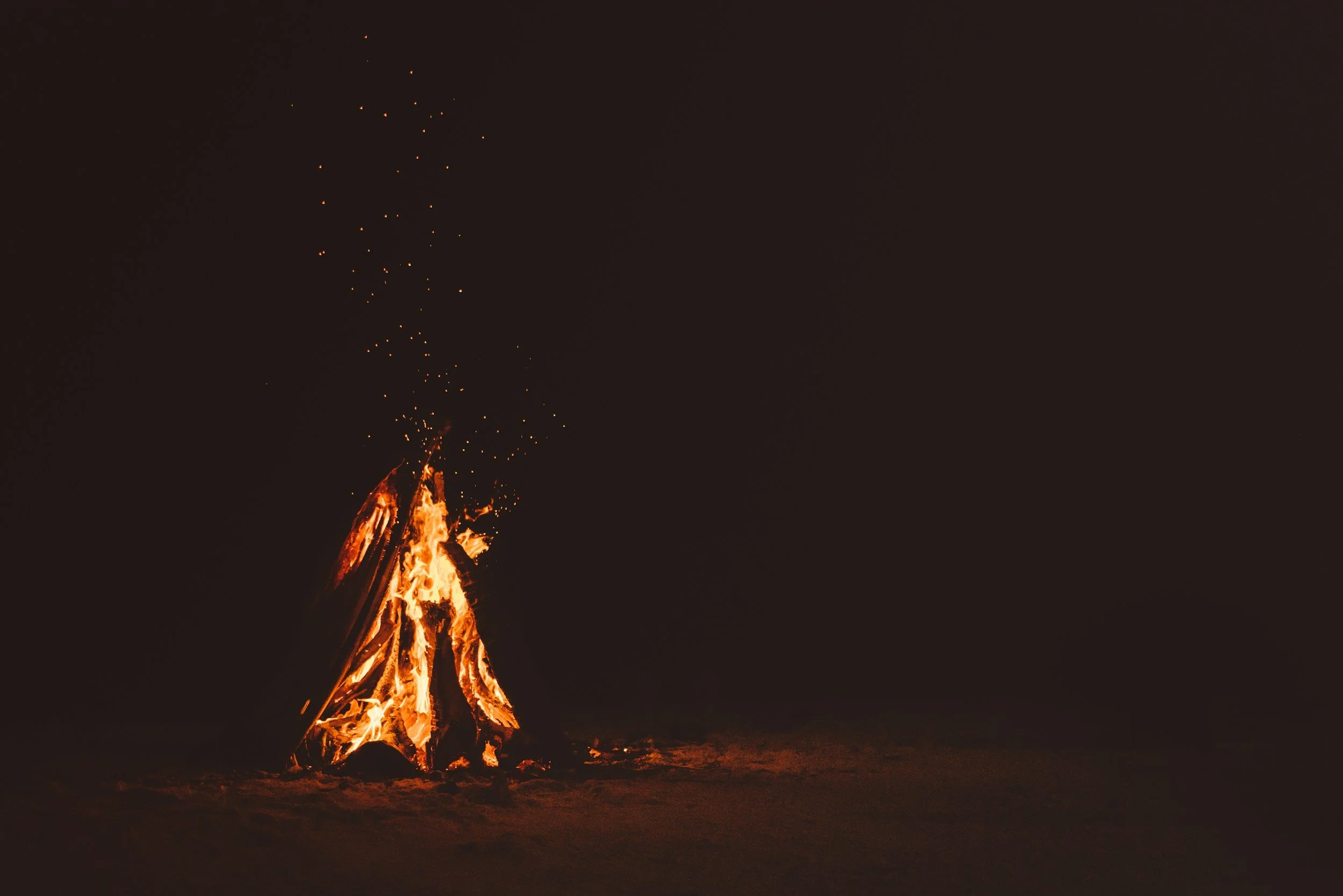
The Fires of Beltane: Need-Fire, Bone-Fire, and the Ritual Architecture of May
The Beltane fire was not atmosphere — it was the most technically demanding and ritually serious act of the entire festival. The need-fire made from scratch after every hearth went cold. The two fires that cattle and people passed between. The maypole at the world's center. These were not customs. They were a system, and the system had a purpose.
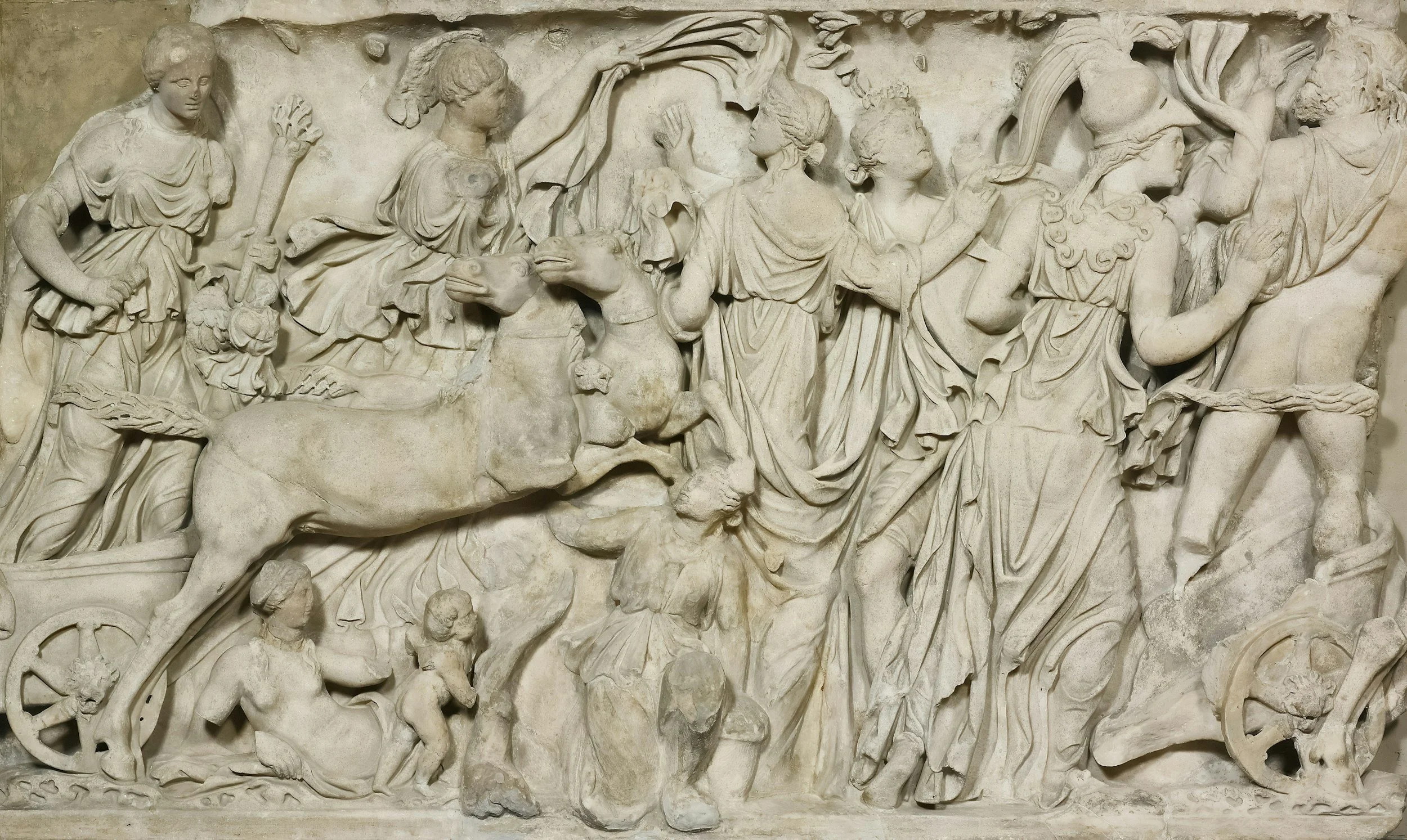
Spring Blooms & the Earth Awakening: The First Flowers and What They Meant
The first flowers of spring do not wait for spring to arrive. They bloom before it, through frozen ground, in advance of any reasonable expectation — because the earth's awakening begins underground, in the dark, long before anything is visible. Ostara's blooms are not decoration. They are the earth speaking, after a season of silence, in the first language it learned.
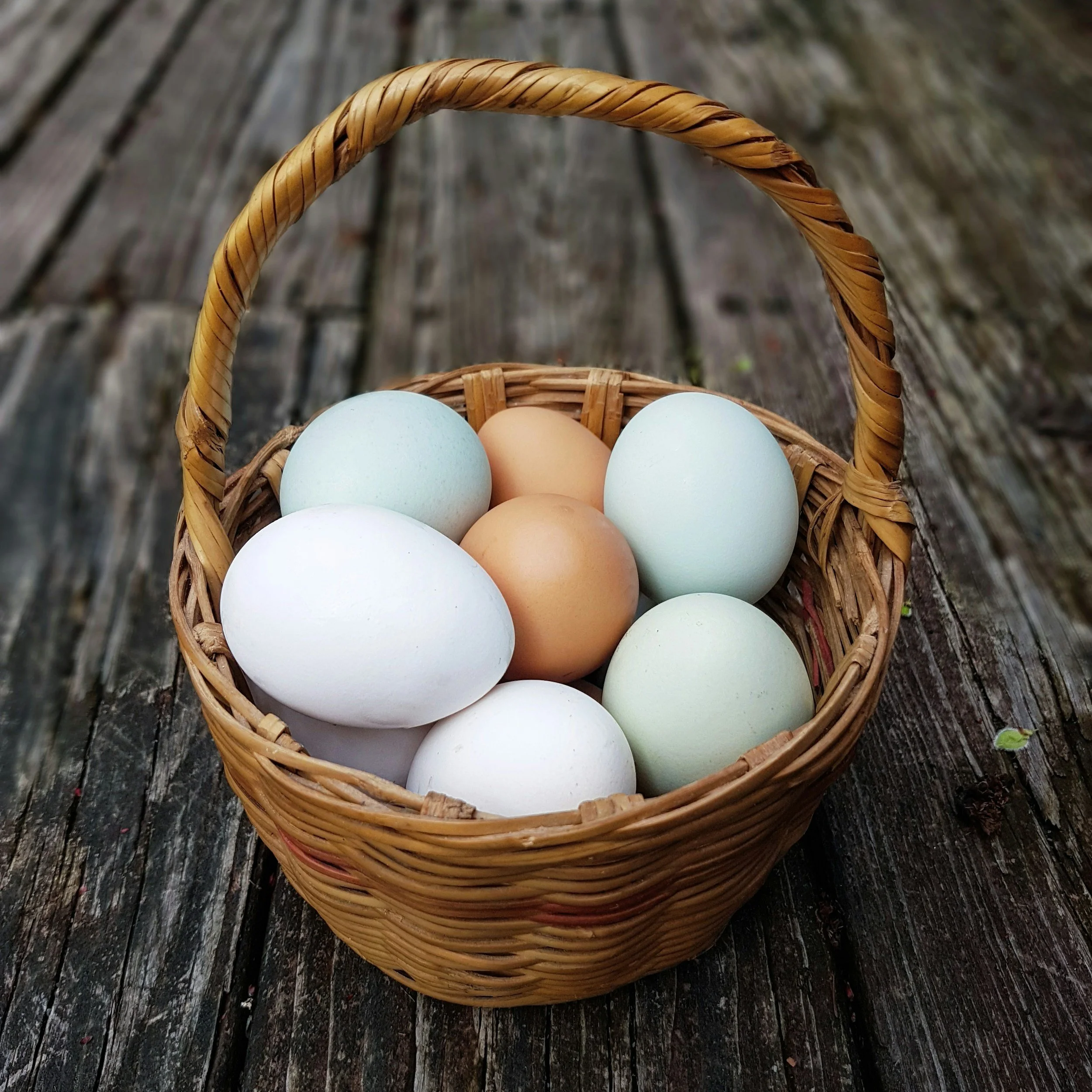
The Cosmic Egg & the Sacred Hare: Fertility Symbols at the Root of the World
Before the Easter basket, there was a much stranger and more serious set of objects at the center of spring. The cosmic egg of world mythology held the universe in its shell before creation began. The hare — wild, moon-running, never underground — was the force that cracked it open. Together, they are the oldest spring symbols there are.
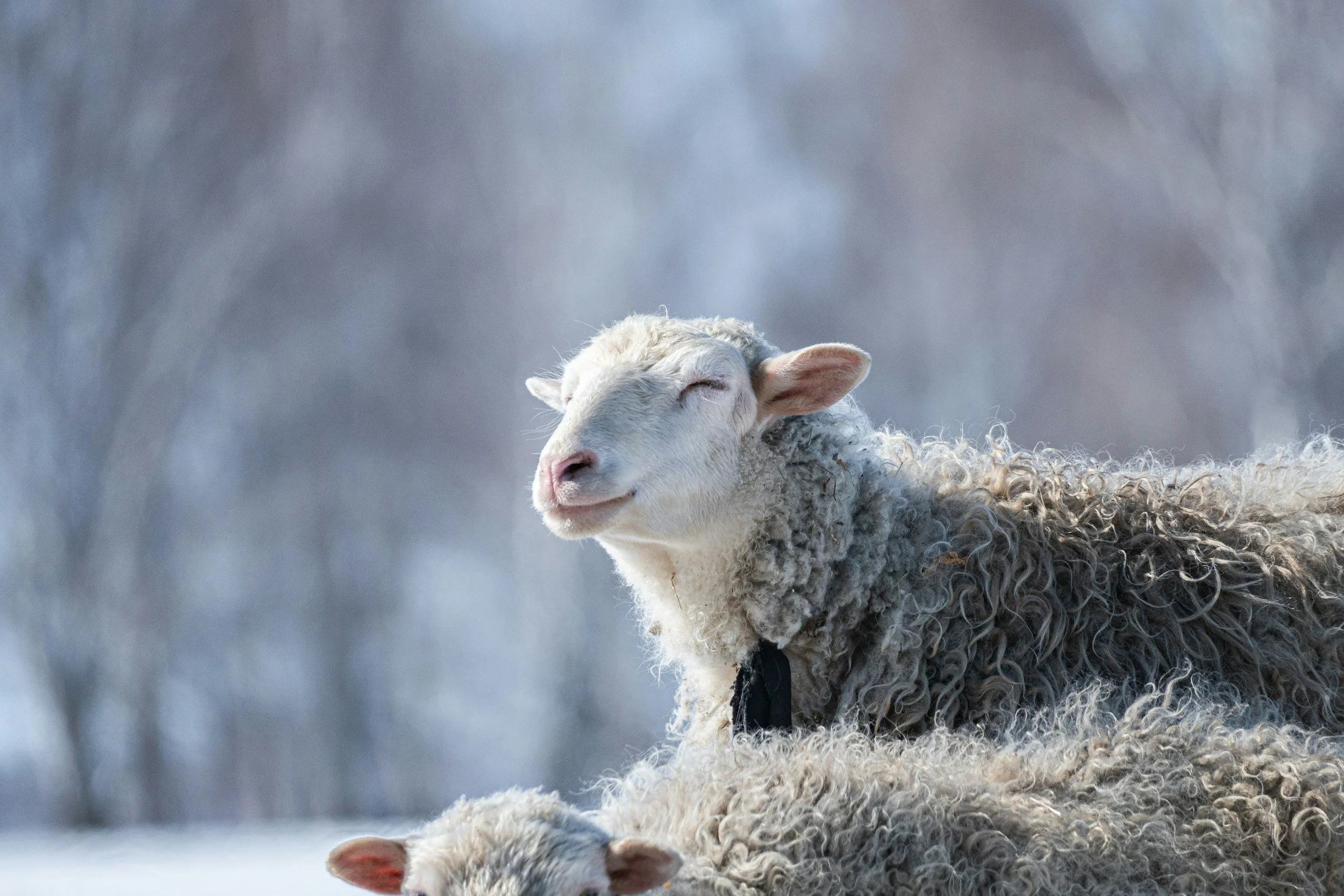
Milk, Lambs & Early Spring Omens: Reading the Land at Imbolc
Imbolc is named for what was happening in the fields: the ewes were pregnant, the first milk had returned, and the lambs were arriving. The land was offering its first evidence that winter would end — and the people who depended on that land were reading every sign it gave them with the careful attention of those who knew their survival depended on getting it right.
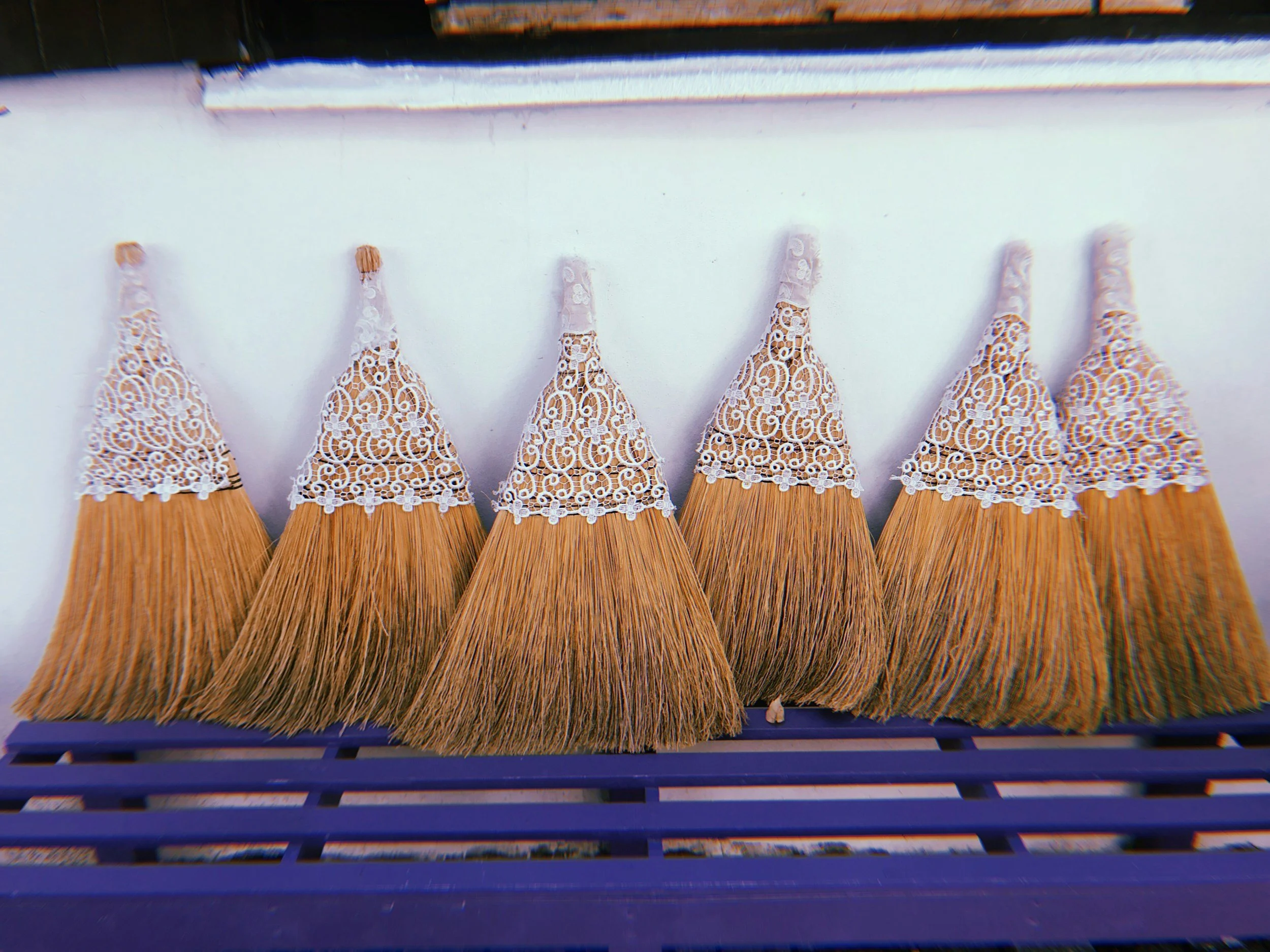
Cleansing, Thresholds & Renewal: The Housekeeping of the Sacred at Imbolc
Before spring could enter, the winter had to be cleared out. Imbolc was the moment when the household — physical and spiritual — was swept, aired, and remade for the half of the year that was returning. The cleaning was practical. The cleaning was sacred. At Imbolc, those two things were always the same.
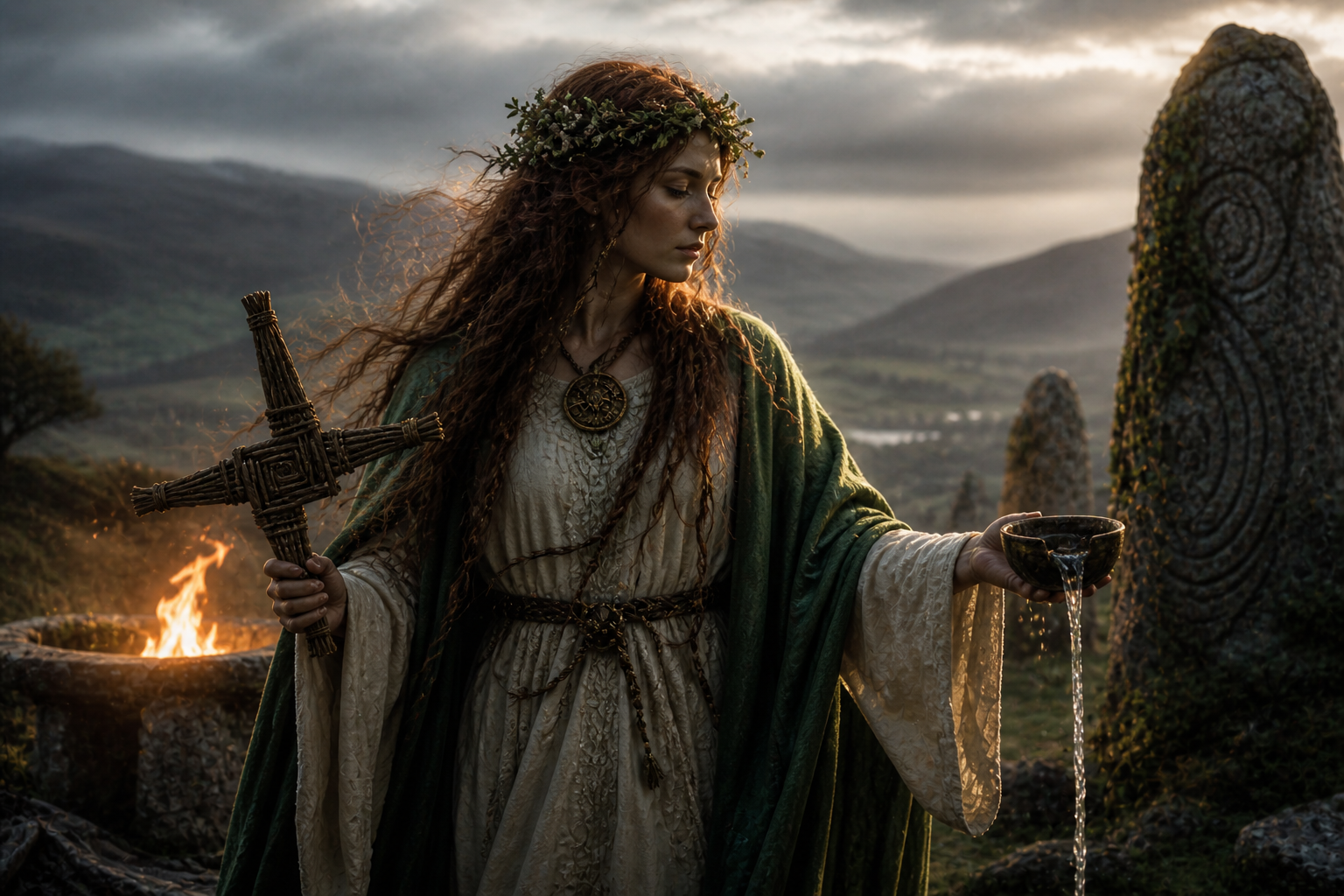
Brigid, Fire & Sacred Flame: The Goddess Who Became a Saint and Never Stopped Being a Goddess
There is a flame in Kildare that has been burning for over a thousand years. A bishop extinguished it in the thirteenth century. The nuns relit it. The Brigidine Sisters relit it again in 1993. Brigid does not extinguish — and her fire, her wells, her crosses, and her mantle are still present in the world for those who know how to find them.
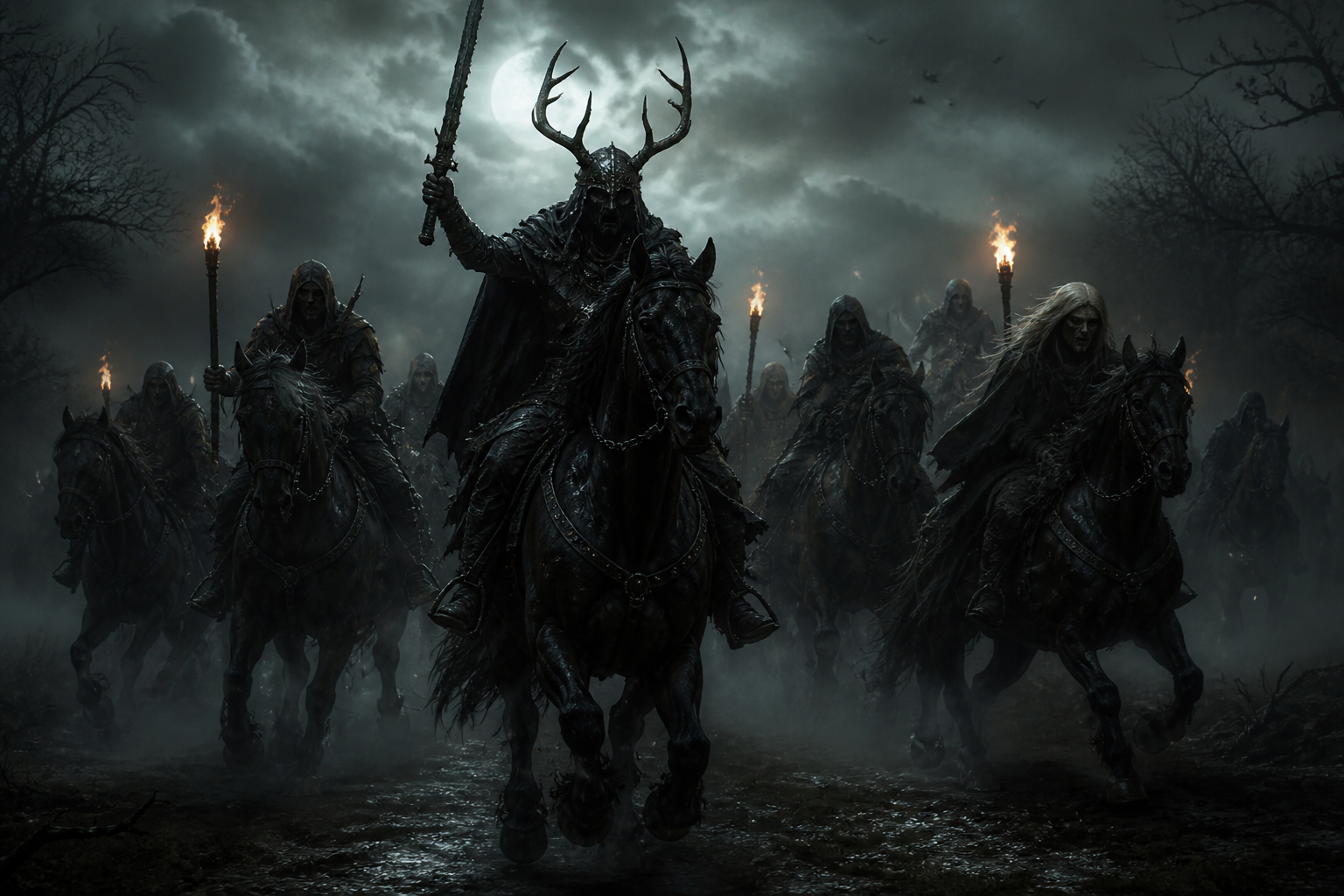
The Wild Hunt & the Spirits of Yule: What Rides the Winter Sky
The wind that comes from the north in December is not ordinary wind. Odin rides with the dead through the winter sky. Perchta walks through your house to check your work. The Yule Lads descend from the mountains one by one. The winter dark has always had names — and knowing them is the beginning of knowing how to survive it.
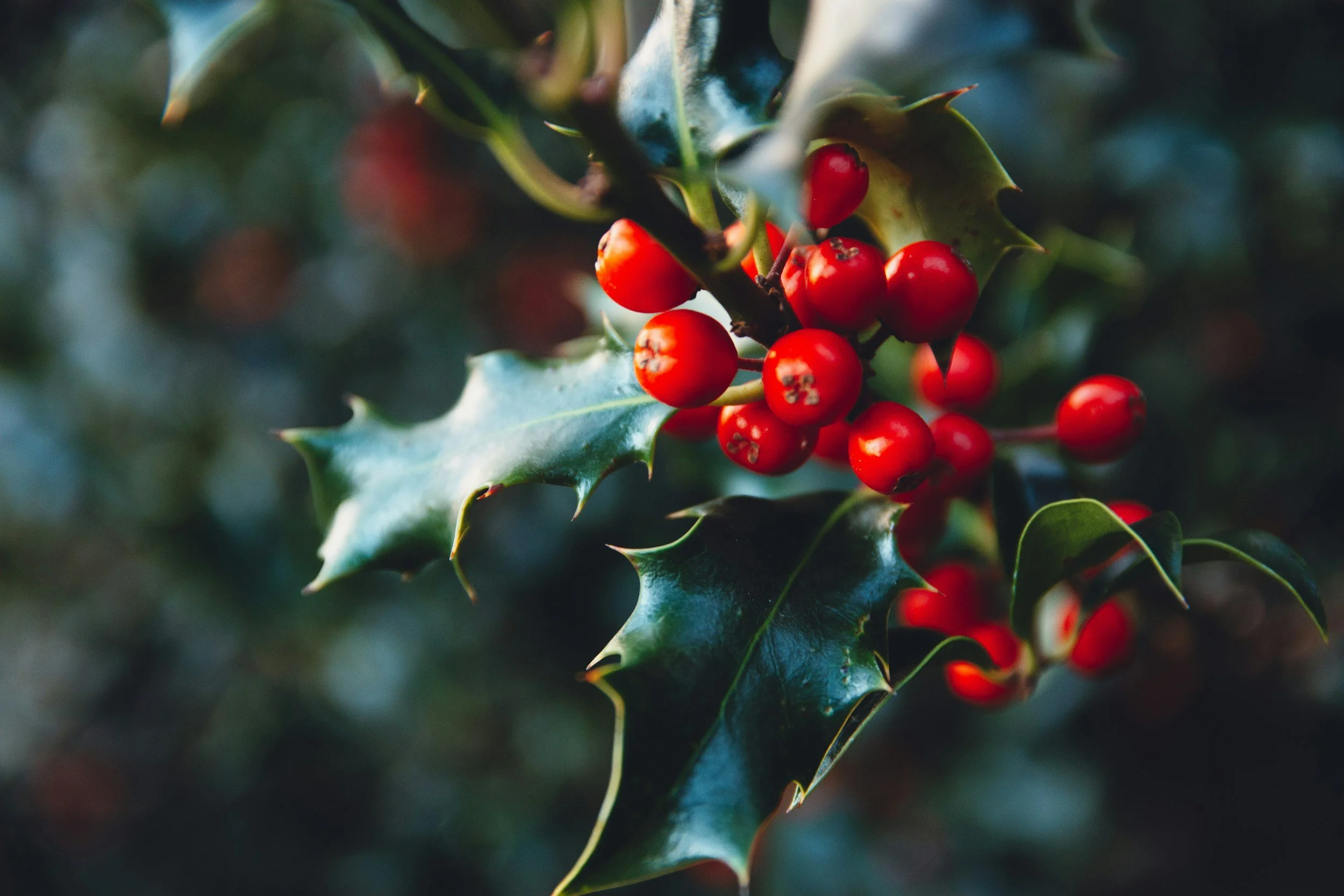
Evergreens, Wreaths & the Living Symbols of Yule
When everything else stripped bare, the evergreen refused. Holly kept its berries. Mistletoe lived between worlds. The wreath held its circle without breaking. These were not decorations — they were declarations that life persisted, even in the longest dark.
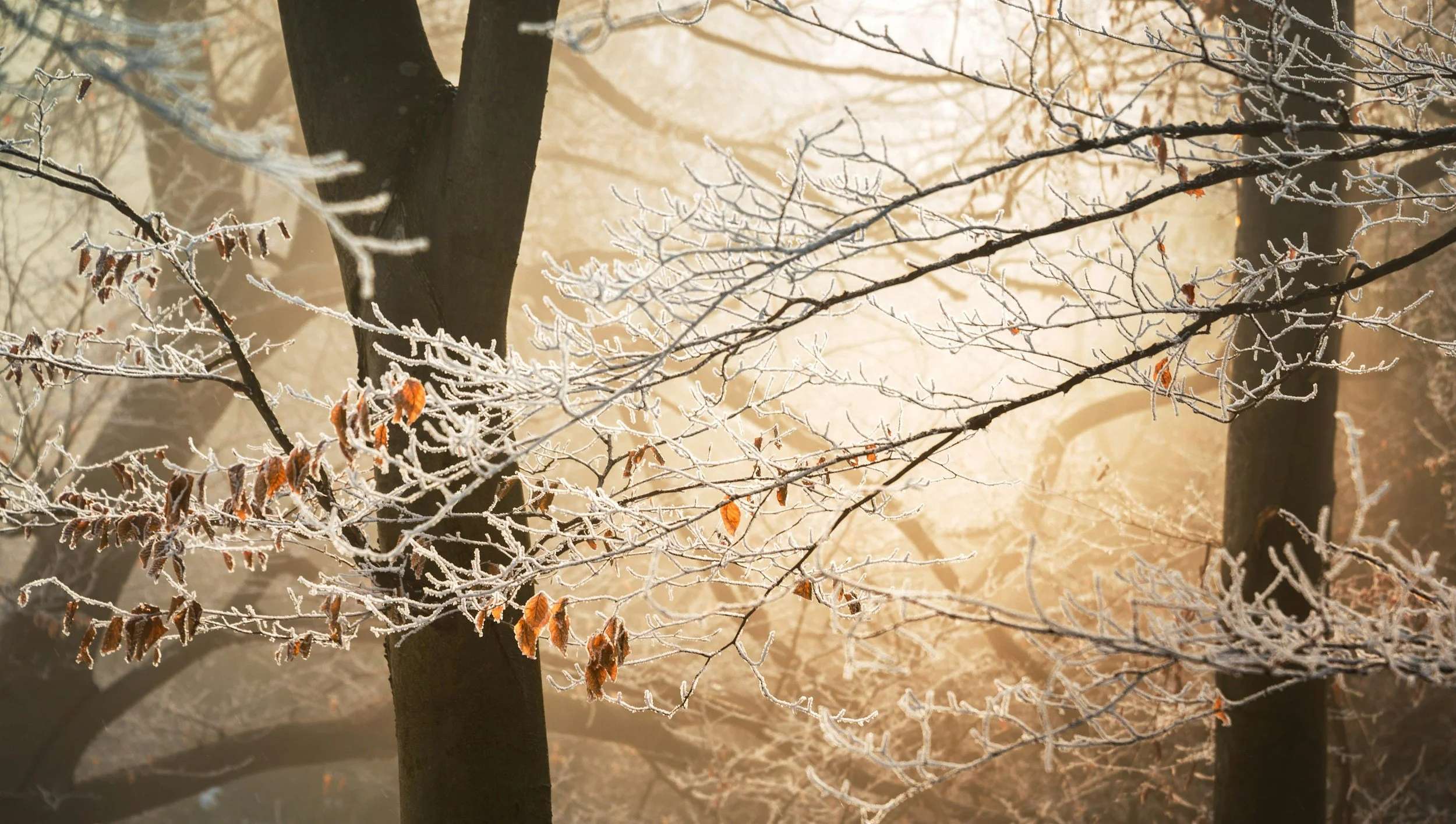
Sun, Fire & the Long Dark: The Sacred Astronomy of Yule
On the longest night, the sun stops moving. What the ancient world did with that fact — the fires they built, the gods they named for it, the monuments they aligned to catch the first returning light — is the oldest story winter tells.