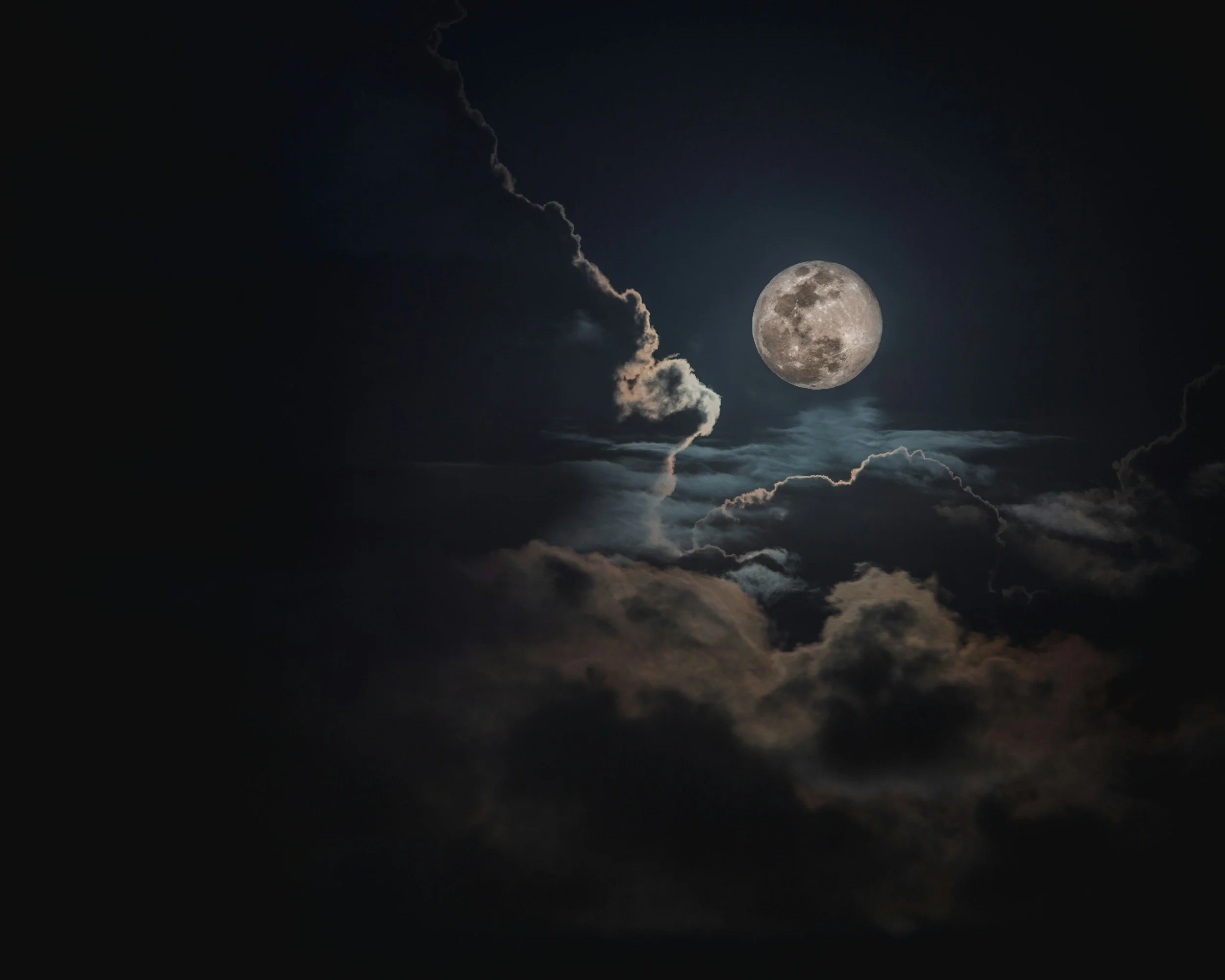
Full Moon
Also known as: Purnima (in Sanskrit tradition), Esbat (in some modern pagan systems)
The Full Moon occurs when the Earth is positioned between the Sun and the Moon, allowing the Moon’s illuminated face to be fully visible from Earth.
The Full Moon is culmination — the moment when the lunar surface reflects the Sun’s light in full. It has historically anchored calendars, guided night travel, and shaped folklore across cultures.
In this section, you will find articles on lunar illumination, tidal influence, named moons in agricultural traditions, and the psychological symbolism of fullness and revelation. Here, light is borrowed — but no less powerful for it.
Visit the Others
Featured
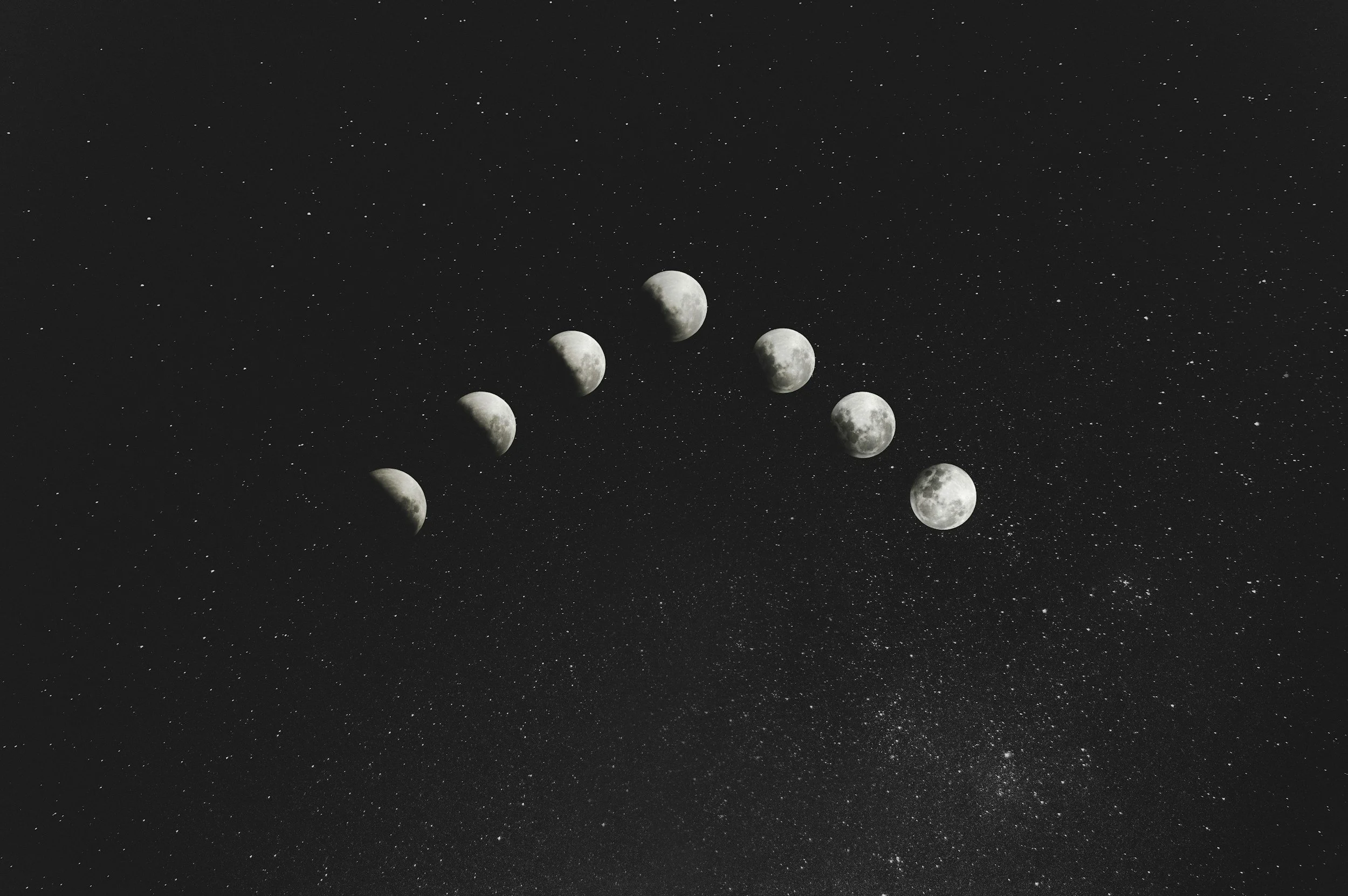
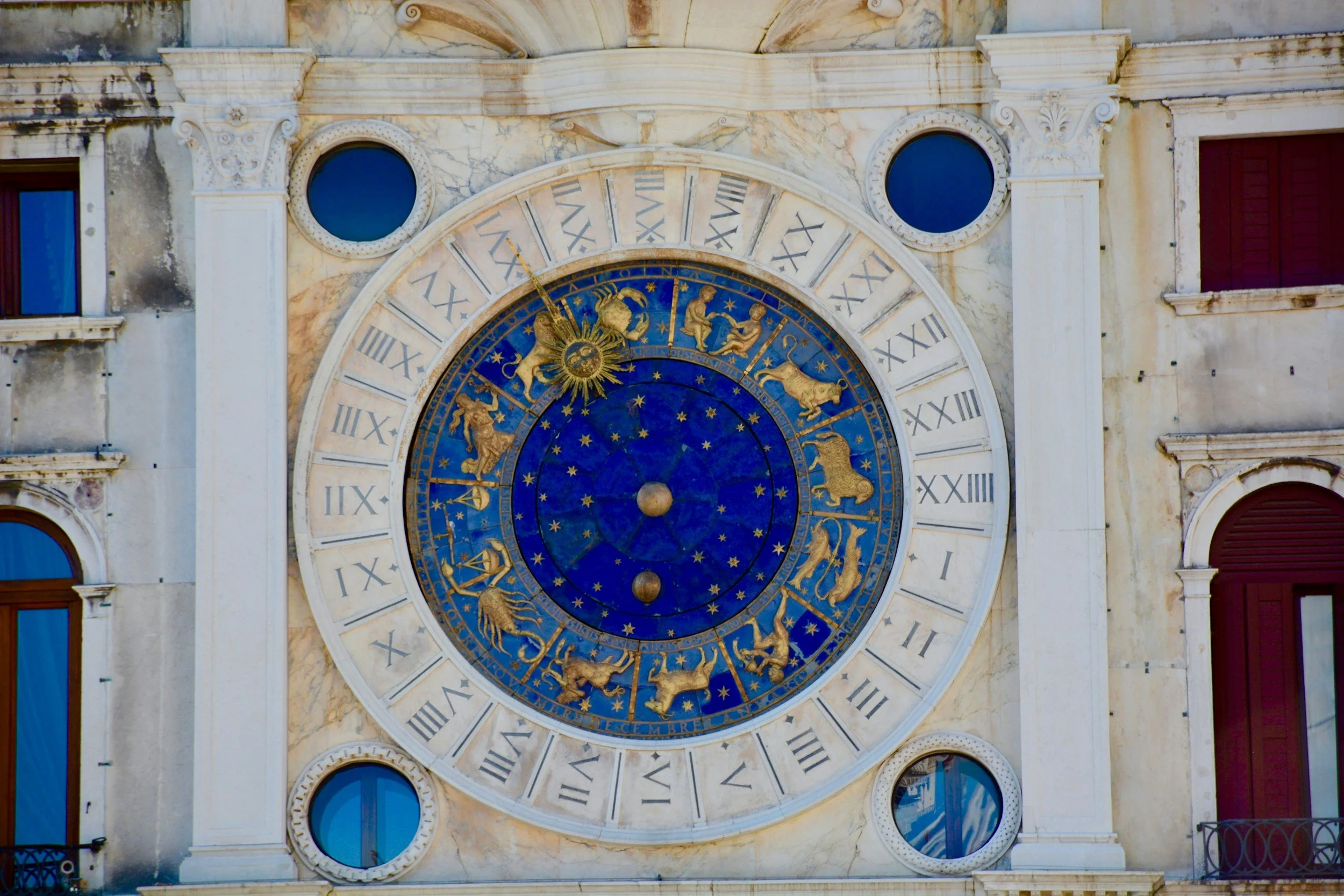
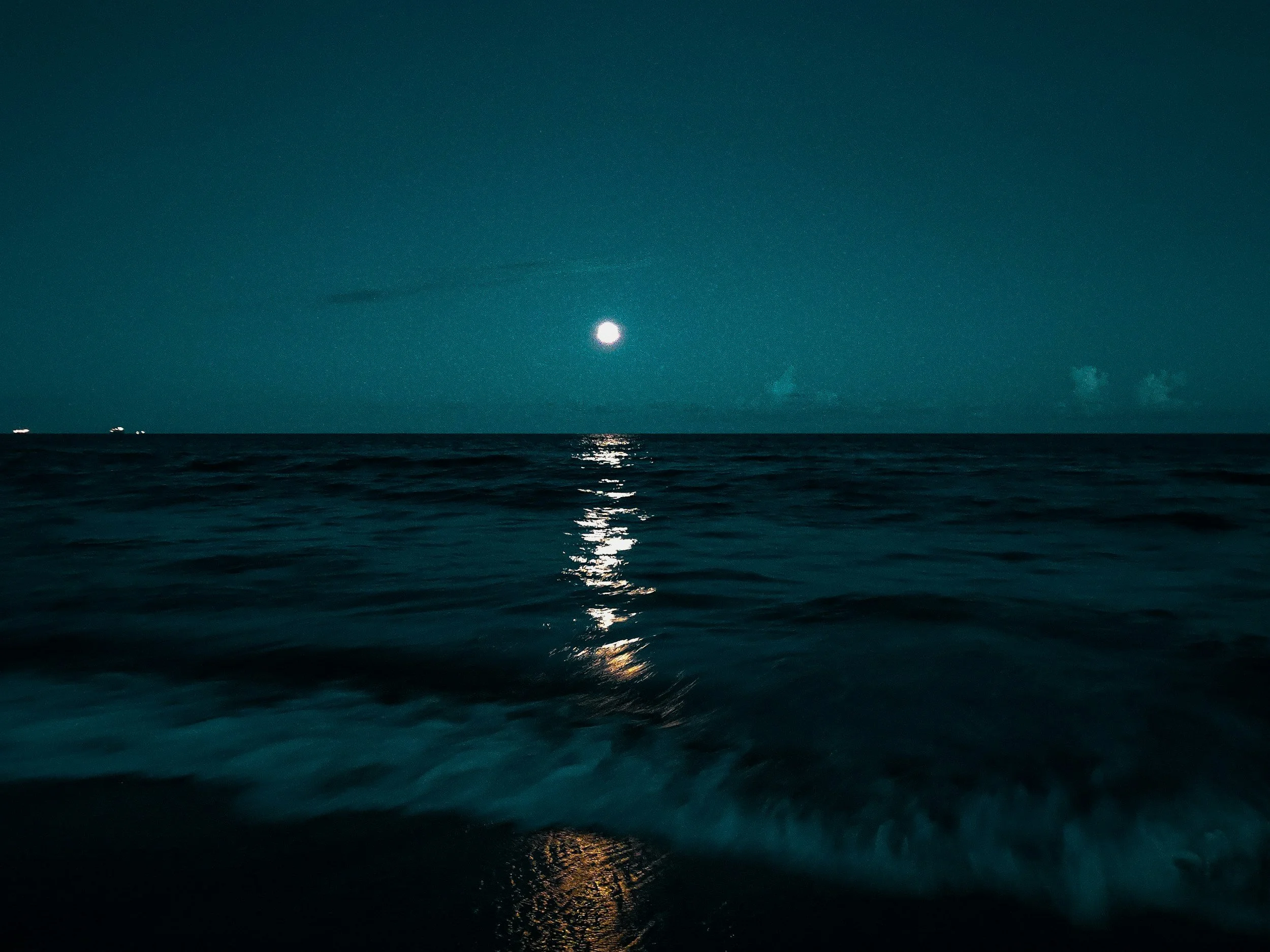
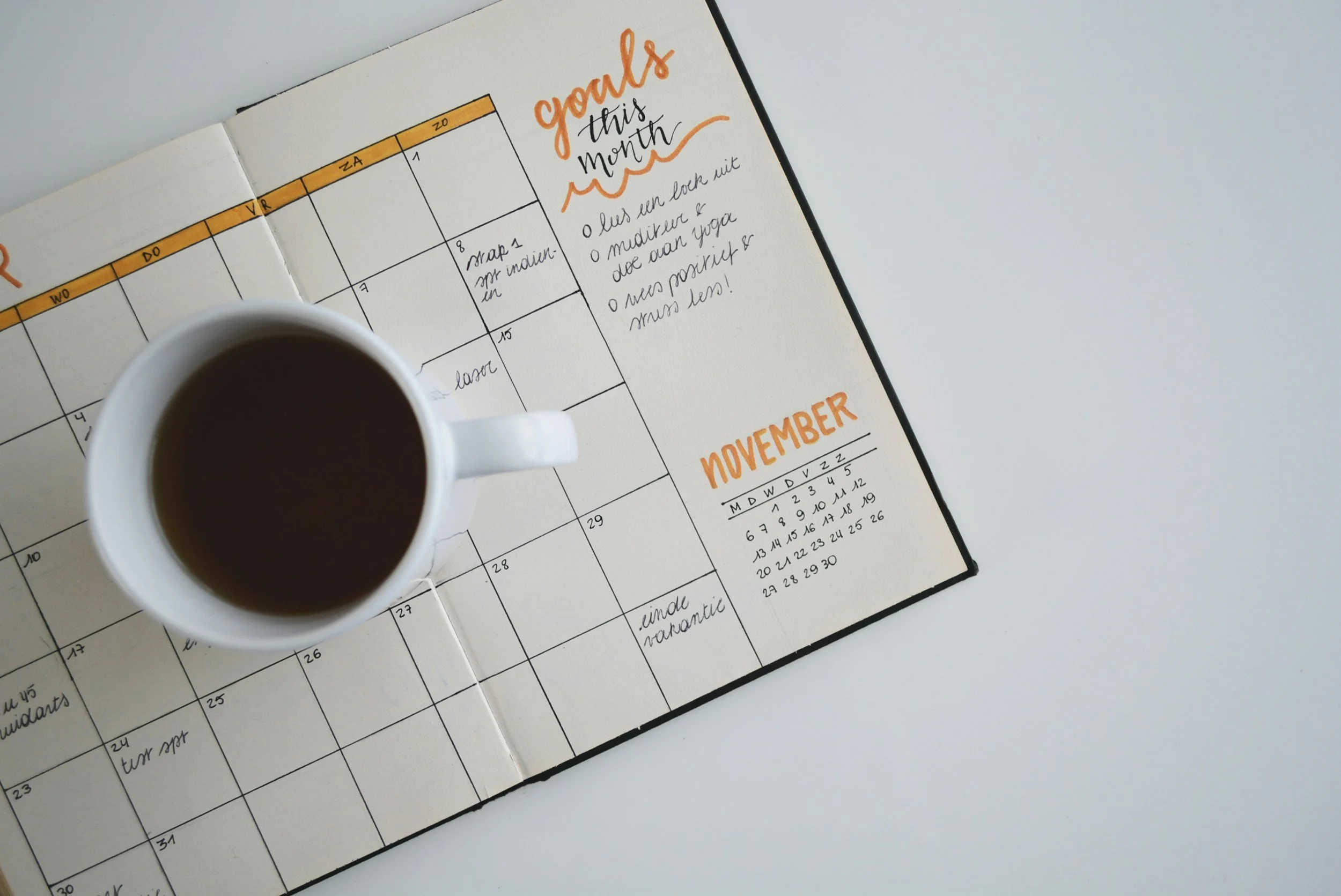
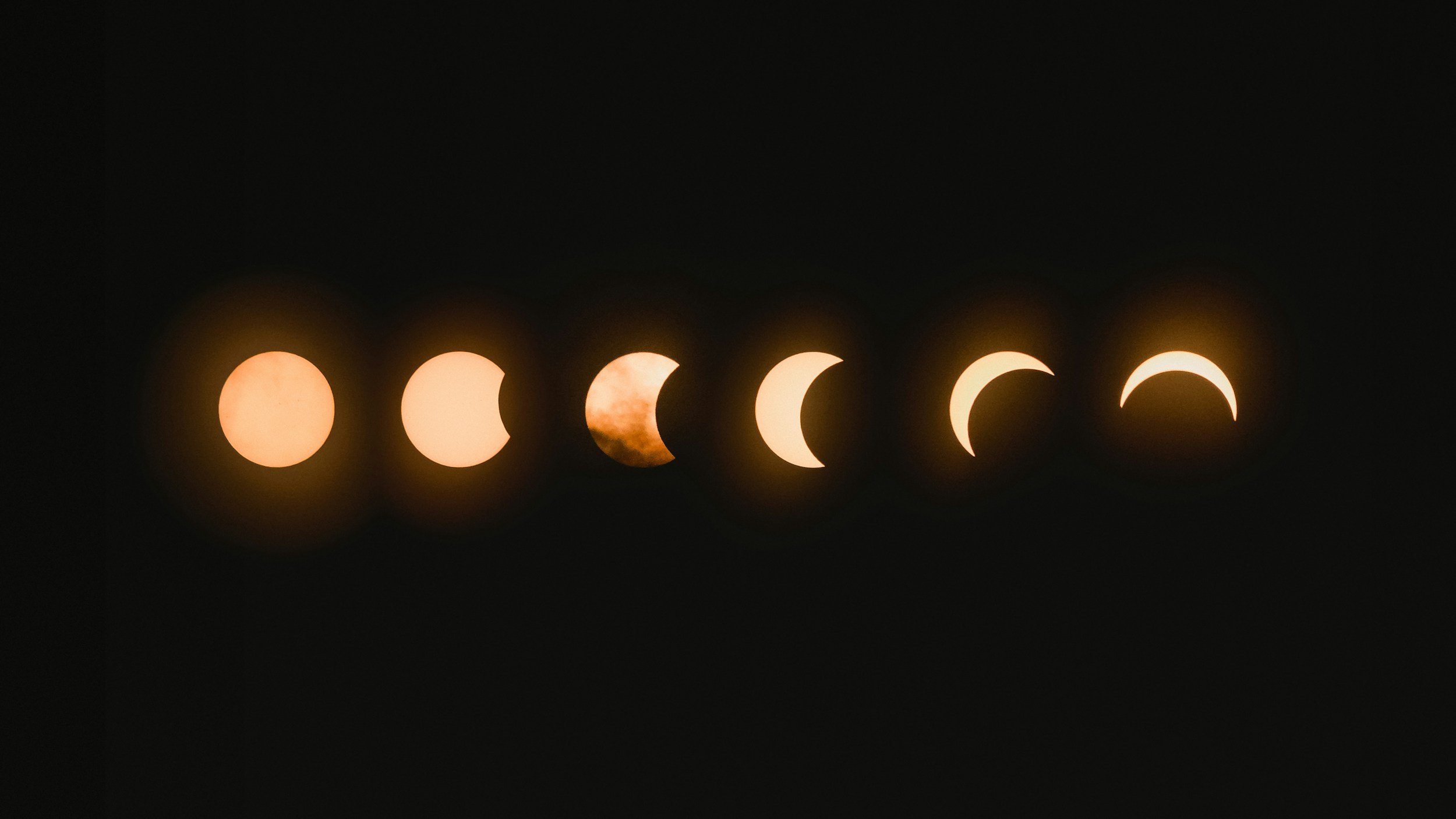
Step into the Wheel of the Year—a living cycle of seasonal festivals, solar events, and lunar phases. From Yule’s longest night to Samhain’s thinning veil, explore how ancient rhythms of light, harvest, and moon phases continue to shape folklore, ritual, and the human experience.