Ostara [Oh-STAR-ah]
Spring Equinox (March 19-23)
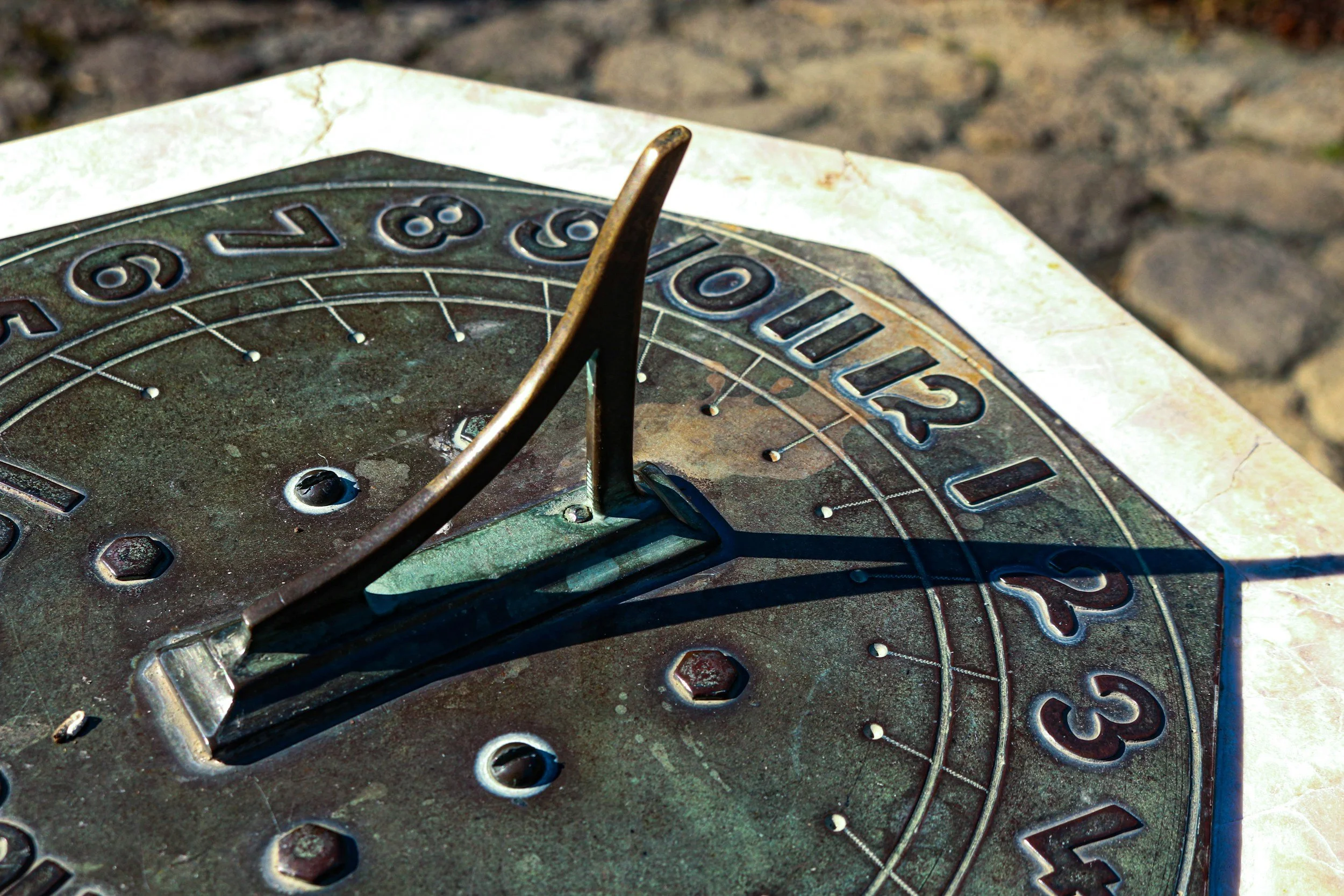
Ostara marks the Spring Equinox — a moment of equal day and night. The name itself is modern, drawn from speculative connections to the Germanic figure Ēostre.
The Spring Equinox is balance — light and dark in measured equality. While “Ostara” as a festival name is largely modern, equinox observances are ancient and astronomical.
Within this section, you’ll find articles on equinox alignment, fertility symbolism, eggs and hares in folklore, and the blending of pagan and Christian seasonal imagery. Here, we separate reconstruction from romanticism — and allow the season to stand on its own.
Visit the Others
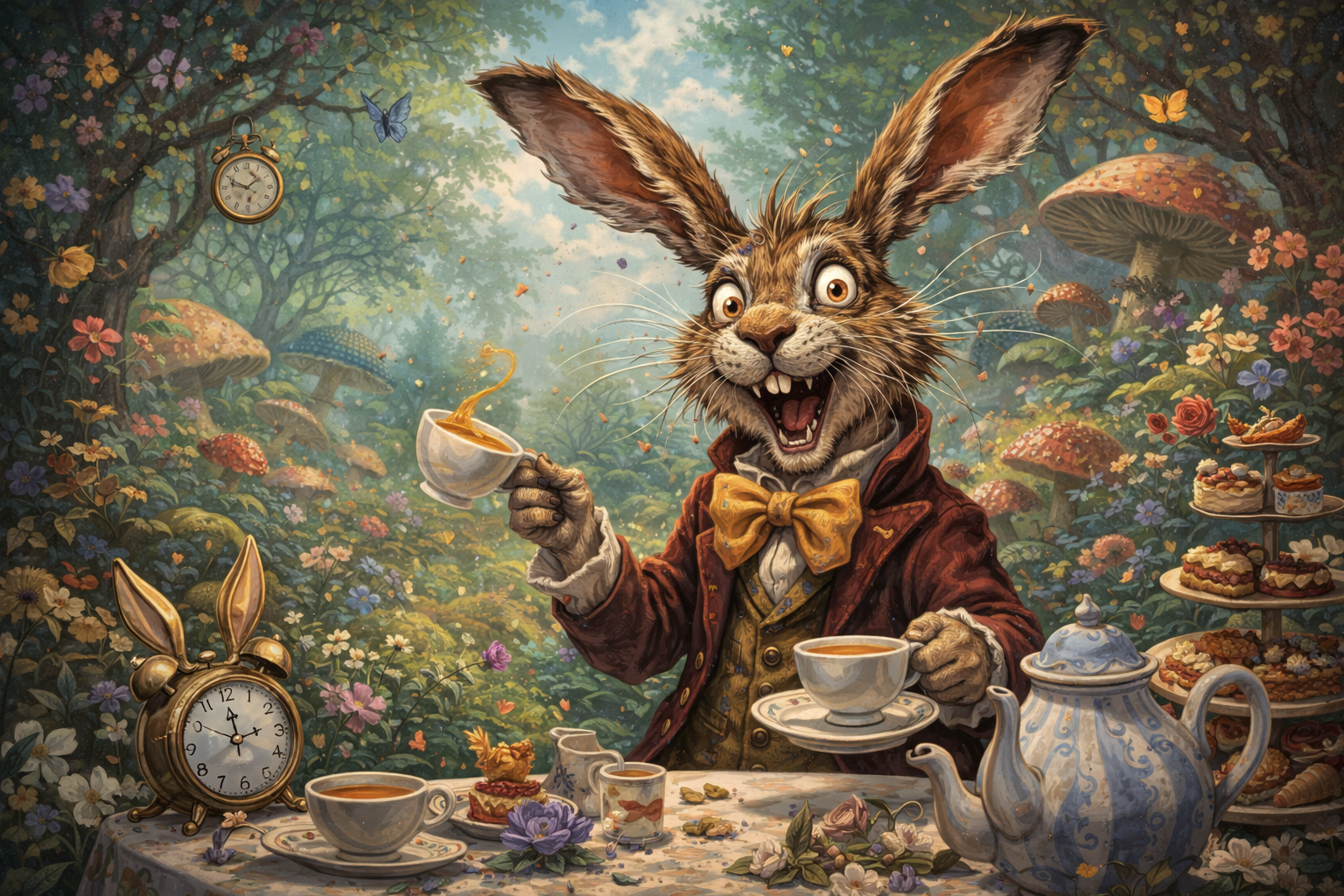
The phrase “mad as a March hare” comes from the strange springtime behavior of hares during their breeding season. But behind the saying lies a deeper folklore connecting the animal to moon magic, fertility, and ancient seasonal traditions.
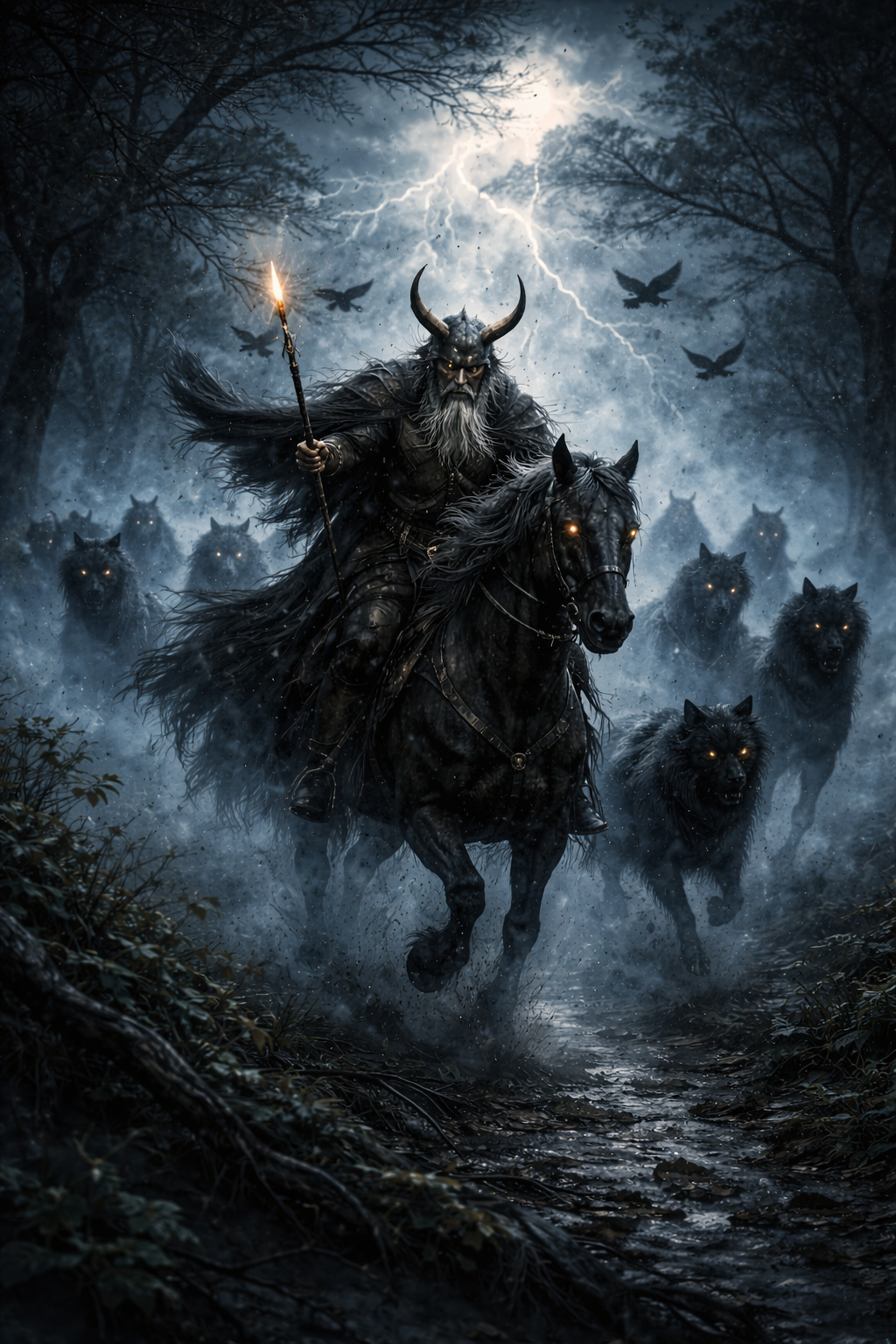
Spring folklore is not always gentle. Across cultures, the spring equinox was seen as a dangerous threshold where spirits, fae, and restless forces stirred alongside the returning life of the earth.
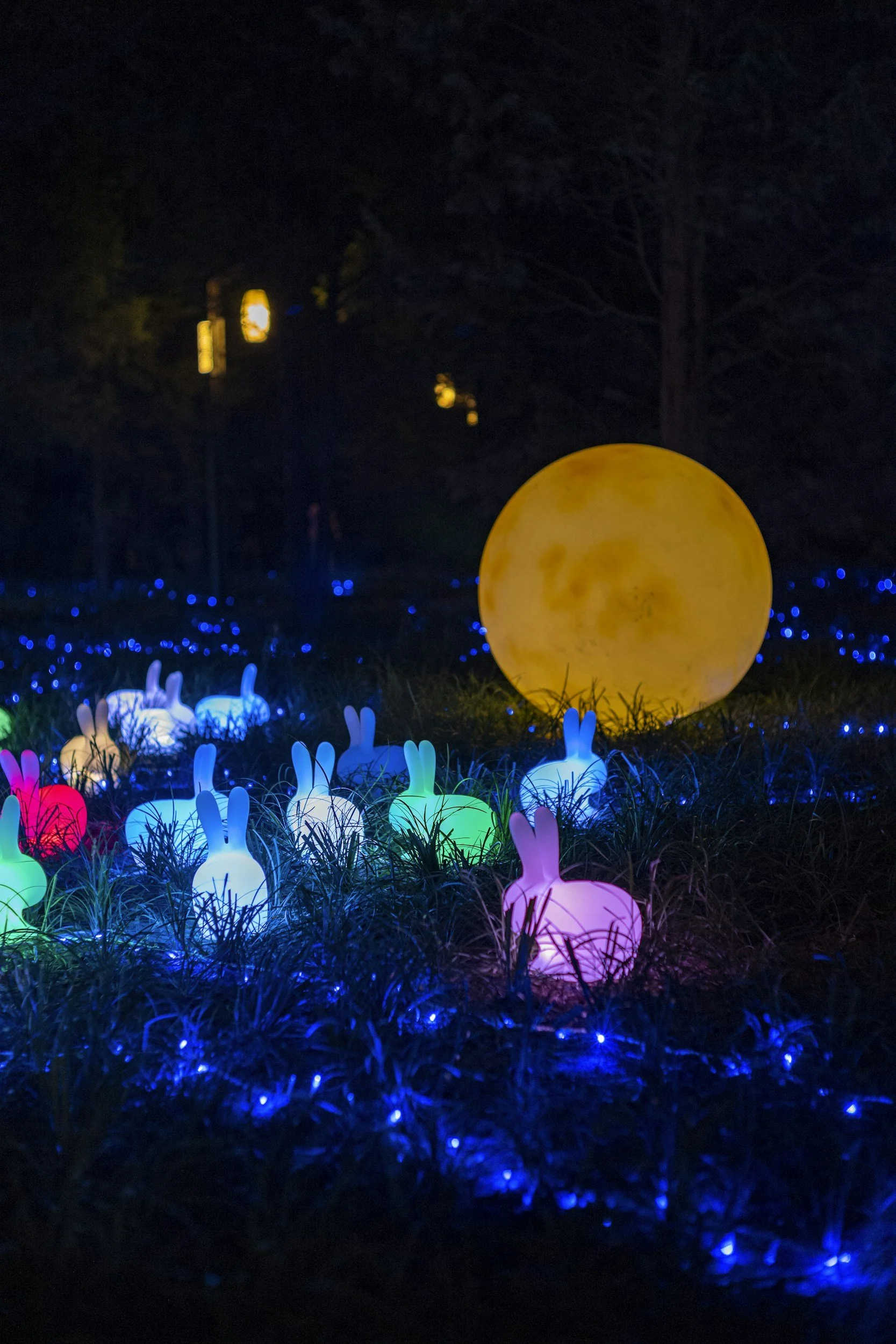
The rabbit associated with Ostara and Easter has deep roots in folklore. Across Europe and beyond, hares were linked to fertility, moon magic, and even witchcraft, making them powerful symbols of the returning life of spring.
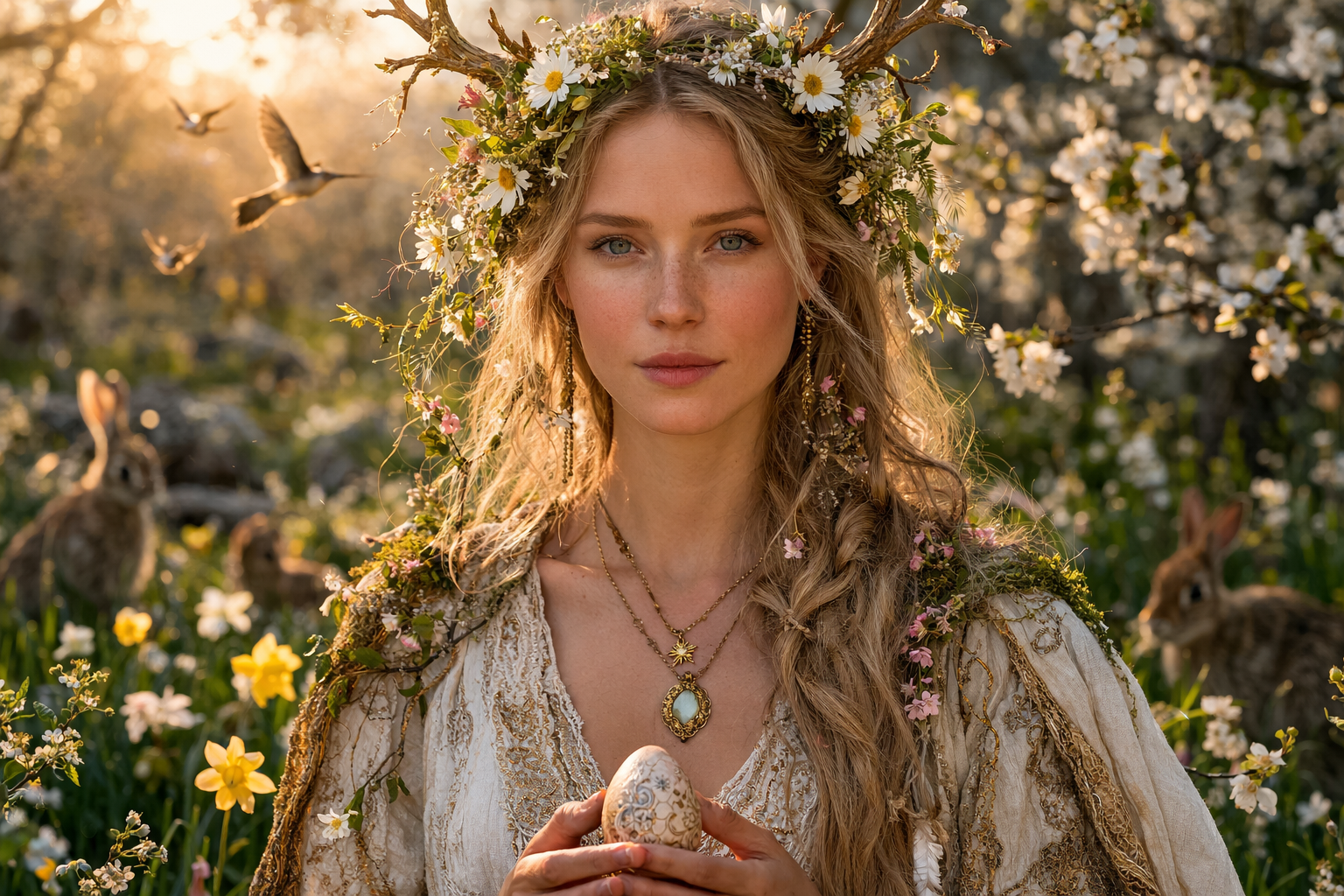
The goddess Eostre is often linked to the origins of Easter and the pagan celebration of the spring equinox. Yet the historical evidence for her existence rests on a single mention in an 8th-century text—making her one of mythology’s most intriguing mysteries.
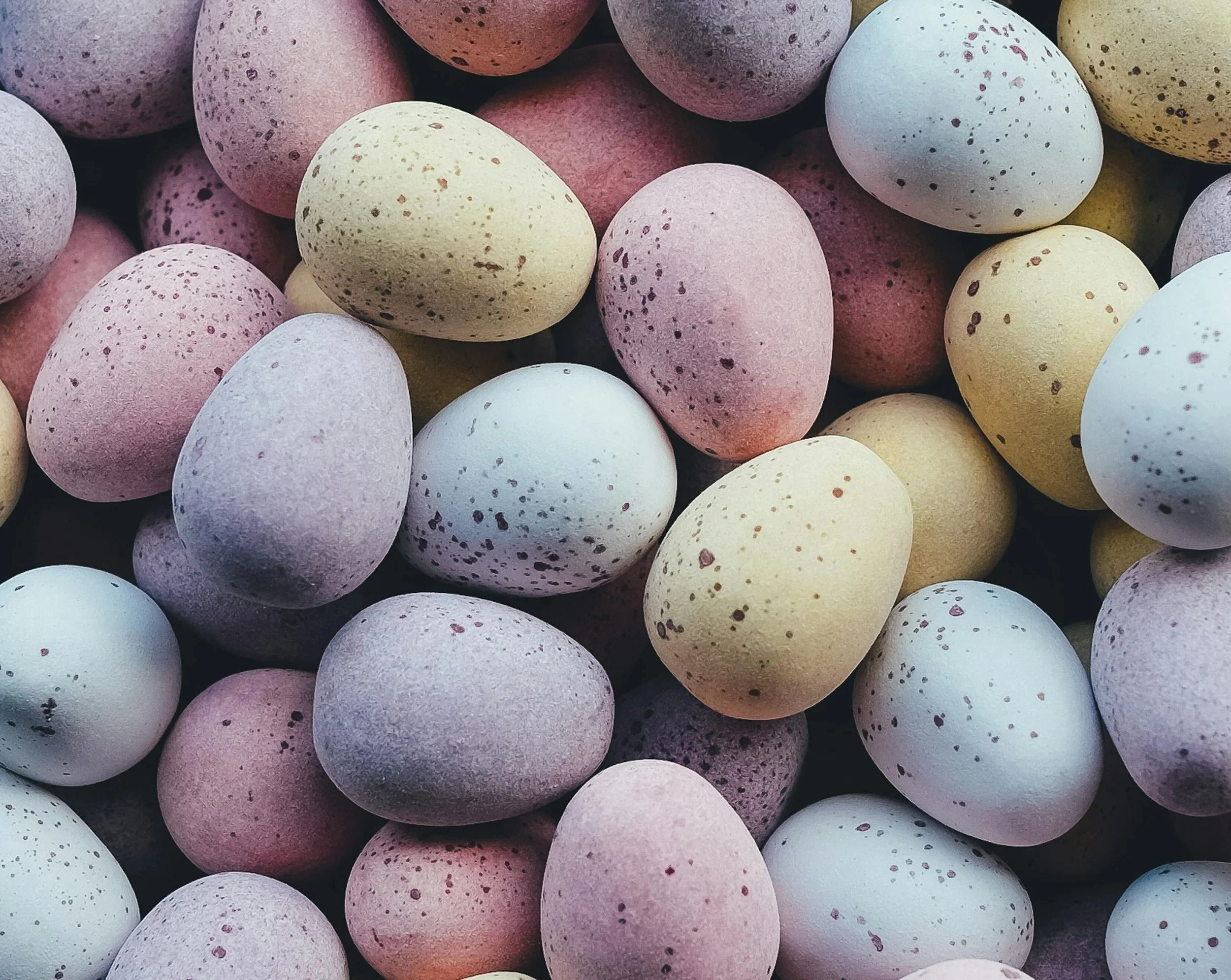
Across cultures and mythologies, the egg has symbolized life, creation, and cosmic beginnings. From ancient creation myths to spring festivals like Ostara, eggs represent the hidden potential of new life waiting to emerge.
The spring equinox marks the moment when day and night stand in perfect balance. In modern pagan traditions, this turning point is celebrated as Ostara—a festival of renewal, fertility, and the quiet return of life after winter.
Heathenry, also called Ásatrú, Forn Sed, and Theodism, revives the Norse and Germanic pagan traditions of Odin, Freyja, and the ancestors. Rooted in sagas, rituals, and values of kinship and honor, it honors gods, spirits, and fate. Discover how this faith survived centuries of suppression to rise again as a living tradition of oath, offering, and community.
Discover the Wheel of the Year, pagan Sabbats, and their deep meanings. Learn rituals, symbolism, and seasonal magic for beginners and solitary witches.
Explore simple, solitary Sabbat rituals to align with nature’s cycle. Seasonal crafts and mindful practices make magic accessible for every witch.
Step into the Wheel of the Year—a living cycle of seasonal festivals, solar events, and lunar phases. From Yule’s longest night to Samhain’s thinning veil, explore how ancient rhythms of light, harvest, and moon phases continue to shape folklore, ritual, and the human experience.