Sacred Hares and Spring Spirits: The Folklore of the Ostara Rabbit
Every spring, rabbits begin appearing everywhere.
They dart across fields at dusk. They vanish beneath hedgerows. They pause in gardens like small ghosts of the meadow, ears raised, watching the world wake up again.
For modern audiences, rabbits belong to pastel baskets and chocolate molds.
But long before the cheerful Easter Bunny hopped into holiday marketing, the hare carried far stranger meanings.
In folklore, hares were creatures of moonlight, fertility, witchcraft, and the mysterious turning of the seasons. They appeared in myths as sacred animals, supernatural messengers, and sometimes as something far more unsettling.
The humble spring rabbit has a deeper story than most people realize.
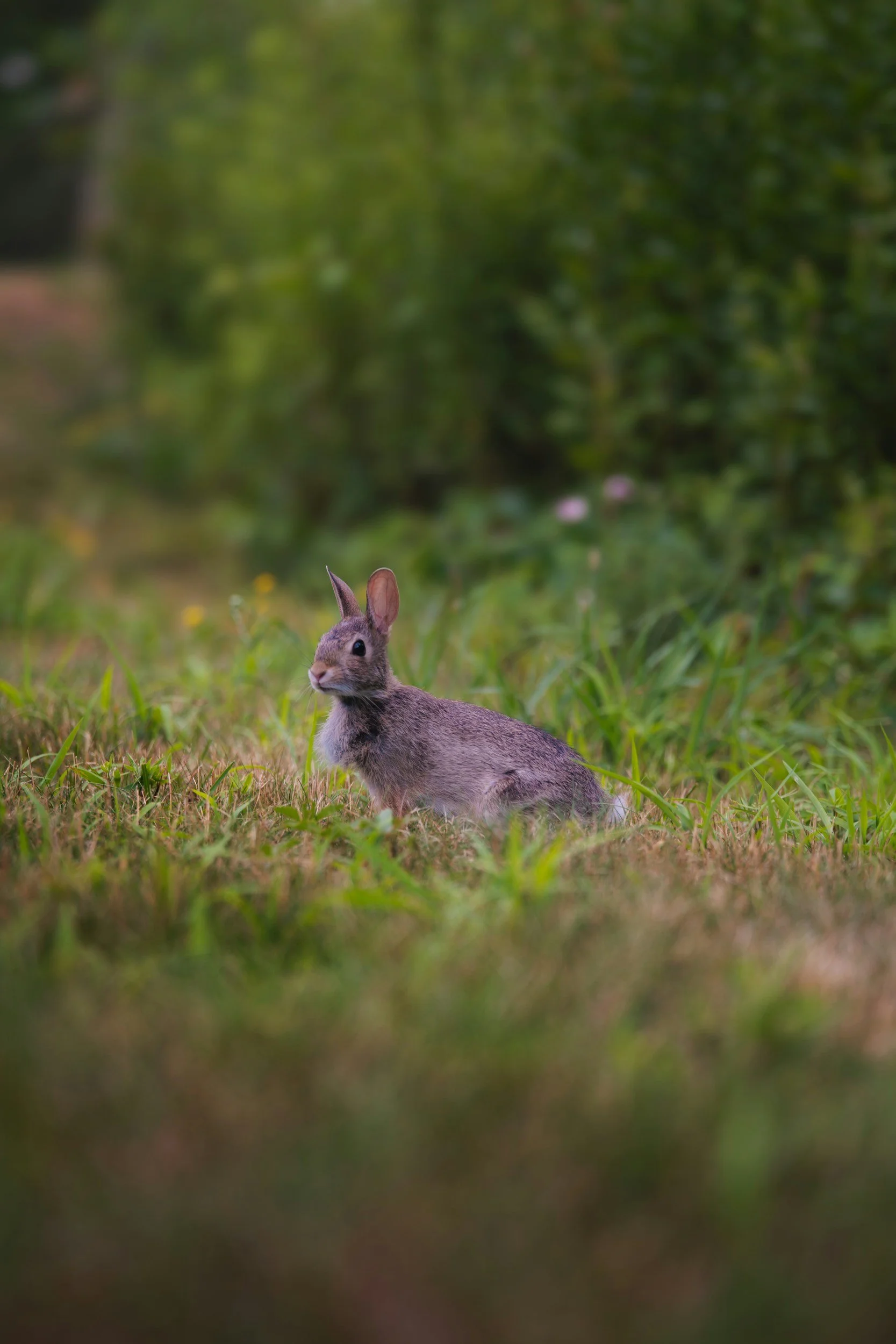
Why Hares Became Symbols of Spring
One of the simplest explanations lies in the animal’s behavior.
Hares and rabbits are famously prolific breeders. As winter fades, they enter a frantic mating season that turns quiet fields into arenas of chasing, boxing, and wild bursts of energy.
Early farmers could hardly miss the symbolism.
Just as the earth burst into life with new plants and animals each spring, the hare seemed to embody the same unstoppable force of fertility.
This connection made the animal a natural symbol of:
reproduction
abundance
the returning life of spring
By the time seasonal festivals developed around the spring equinox, the hare had already become a living emblem of nature’s renewal.
The Sacred Hare in European Folklore
In many parts of Europe, hares were considered mysterious or sacred animals.
Unlike rabbits, hares are solitary creatures that live above ground rather than burrowing underground. Their unusual behavior made them seem strange and otherworldly to early observers.
Folklore often portrayed hares as creatures that existed between worlds.
In Celtic traditions, harming a hare was sometimes believed to bring terrible luck. Some legends claimed they were connected to the spirit world or carried messages between realms.
In parts of Britain and Ireland, people believed witches could transform into hares to travel unseen across the countryside.
Stories even told of hunters chasing a hare only to discover it bleeding like a human when captured — revealing the witch who had taken its form.
These tales reinforced the idea that the hare was not merely an animal.
It was something enchanted.
Hares and the Moon
One of the hare’s most curious associations is with the moon.
Across several cultures, people believed they could see the shape of a hare in the dark patterns of the moon’s surface.
This belief appears in European folklore but also in distant traditions in Asia and the Americas.
In Chinese mythology, a mystical rabbit known as the Moon Rabbit is said to live beside the moon goddess Chang'e, endlessly pounding herbs for an elixir of immortality.
Because lunar cycles are deeply tied to natural rhythms and fertility, the hare’s connection to the moon strengthened its symbolic role in seasonal folklore.
Spring, after all, is governed by both sunlight and the quiet influence of the moon on the natural world.
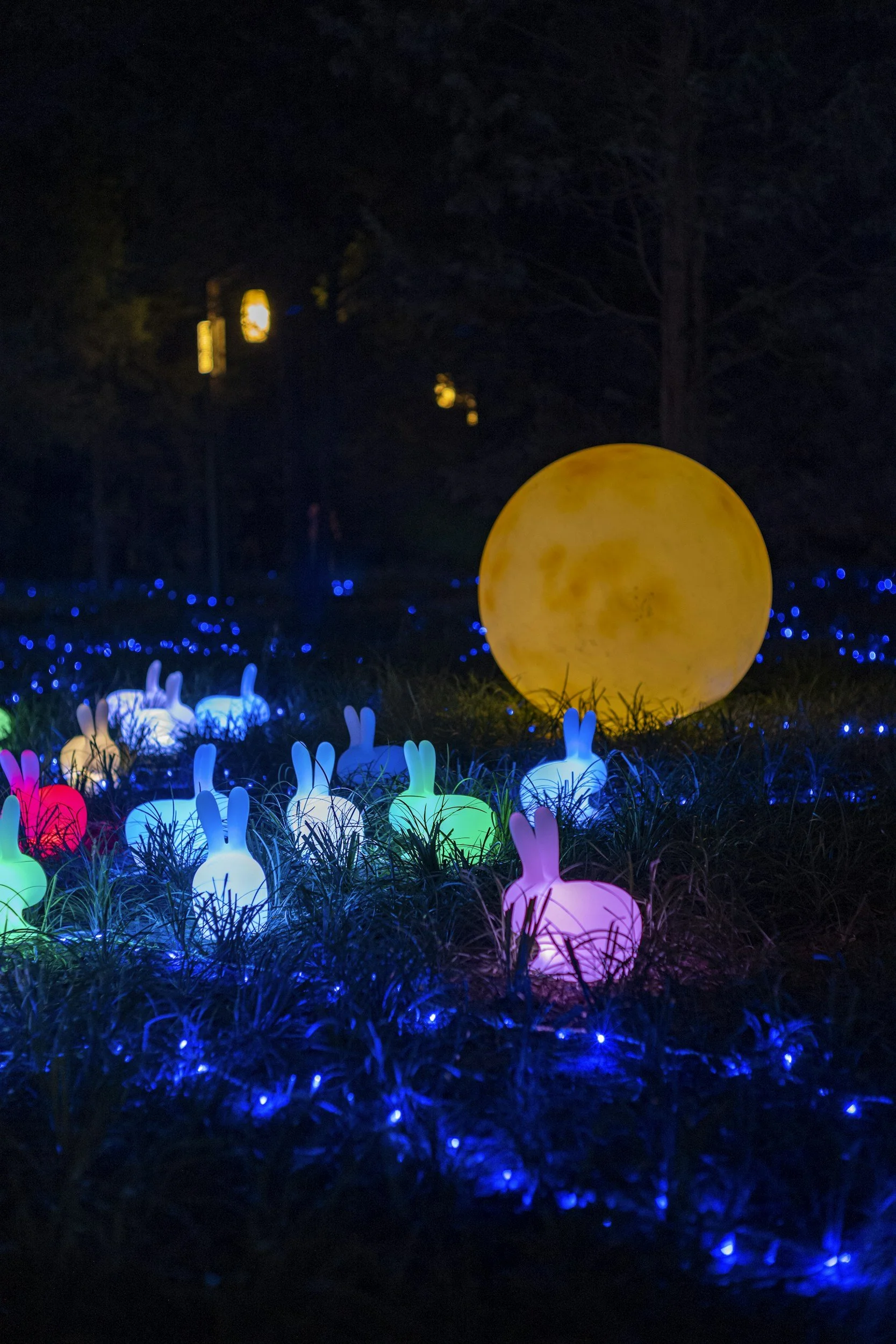
The Strange Case of the “Easter Hare”
The earliest clear reference to a spring hare delivering eggs appears in 17th-century Germany.
German folklore described a creature known as the Osterhase, a magical hare that visited children during the spring festival and left colored eggs for those who had behaved well.
German immigrants later carried this tradition to North America, where it eventually evolved into the modern Easter Bunny.
Like many folk traditions, the story changed over time.
The mystical hare of old seasonal folklore slowly softened into a friendly holiday mascot.
Yet the original symbolism remained hidden beneath the surface.
The hare was still a creature of spring.
Still a messenger of new life.
The Hare in Witchcraft and Magic
For centuries, hares appeared frequently in stories about magic and witchcraft.
Some traditions believed witches could transform into hares to escape detection or travel through fields under cover of night.
In Scottish folklore, farmers sometimes blamed witches in hare form for stealing milk from cows or draining vitality from crops.
The association between witches and hares may have come from the animal’s strange nocturnal activity and its habit of appearing suddenly in open fields.
To a medieval observer, a hare racing across moonlit grass could seem almost supernatural.
Even today, some modern practitioners view the hare as a spirit animal connected to intuition, transformation, and the shifting cycles of nature.
The Spirit of Spring
Whether sacred messenger, lunar creature, or magical shapeshifter, the hare has long carried a sense of mystery.
It appears at the precise moment the world begins to change.
Snow melts.
Seeds awaken beneath the soil.
Animals return from winter’s silence.
And somewhere in a field at dusk, a hare bolts across the grass like a living spark of the new season.
Perhaps that is why the creature became such a powerful symbol.
The hare does not simply represent spring.
It moves like spring itself — quick, unpredictable, and impossible to stop once it begins.