The Goddess Eostre: Myth, Mystery, and Historical Debate
Some figures in mythology stride through history with thunder and temples behind them.
Others appear only briefly — a single name whispered in an old manuscript — and then vanish into centuries of speculation.
Eostre is one of those figures.
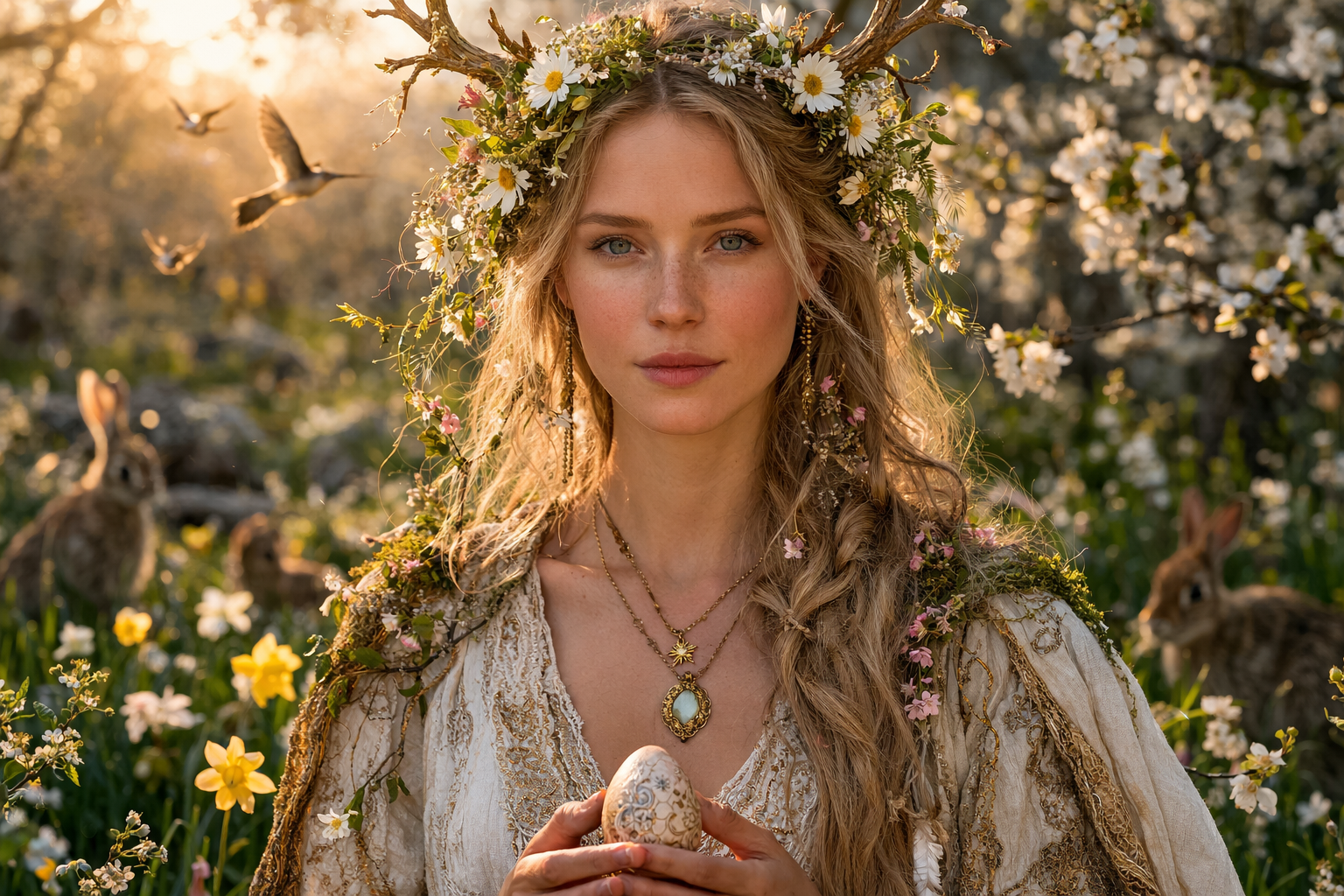
She is often described as a Germanic goddess of spring, dawn, fertility, and renewal. Many modern pagans celebrate her as the spirit behind the festival of Ostara, and some claim she is the ancient origin of the word Easter.
But here’s where things become interesting.
The historical evidence for Eostre is astonishingly thin. In fact, the entire legend of this goddess rests largely on a single line written by an English monk over 1,300 years ago.
Which means that somewhere between folklore, scholarship, and modern revival, a mystery has taken root.
The Only Historical Source
The earliest known reference to Eostre appears in a text written in the 8th century by the English monk Bede.
In his work De Temporum Ratione, Bede described the old Anglo-Saxon calendar and the names of its months.
When discussing the month called Eosturmonath, he wrote that it had once been named after a goddess called Eostre who was honored during that time with seasonal celebrations.
He explained that after Christianity spread across England, the name of the month survived and became attached to the Christian holiday now known as Easter.
And that… is essentially all Bede says.
No myths.
No temples.
No rituals described.
Just a passing note about a goddess whose festival once marked the arrival of spring.
Did Eostre Really Exist?
This single reference has sparked centuries of debate among historians and folklorists.
There are two major schools of thought.
The Skeptical View
Some scholars believe Eostre may have been a misunderstanding or invention by Bede.
Their argument is simple:
No other historical texts mention her.
No archaeological evidence confirms worship of a goddess by that name.
Without supporting sources, some historians suspect Bede may have misunderstood the origin of the month’s name or reconstructed a goddess based on linguistic clues.
In other words, Eostre might never have been a real deity at all.
The Supporting Theory
Other scholars believe the opposite: that Eostre was likely a genuine but poorly documented goddess of the early Germanic world.
Many ancient deities disappeared from history when oral traditions were lost or suppressed during Christianization. Entire pantheons have survived only in fragments.
Linguists have also noted that the name Eostre appears to share roots with Proto-Indo-European words associated with dawn and rising light.
This connects her to a broader family of dawn goddesses across Indo-European mythologies.
One famous example is Eos, whose name also derives from the same linguistic root meaning to shine or rise.
The similarities suggest that Eostre may have once been part of a widespread mythological archetype tied to the rising sun and the renewal of the world each morning.
The Symbolism of Dawn and Spring
If Eostre did exist as a deity, she was likely associated with themes common to many spring and dawn goddesses:
The return of light after darkness
Fertility and the awakening of the land
New beginnings and seasonal renewal
These ideas naturally align with the spring equinox, when daylight begins to overtake the long nights of winter.
Even today, the imagery of dawn remains deeply symbolic in myth and spirituality.
Every sunrise is a small resurrection.
Every spring is a promise that life returns.
Hares, Eggs, and the Birth of Spring Symbols
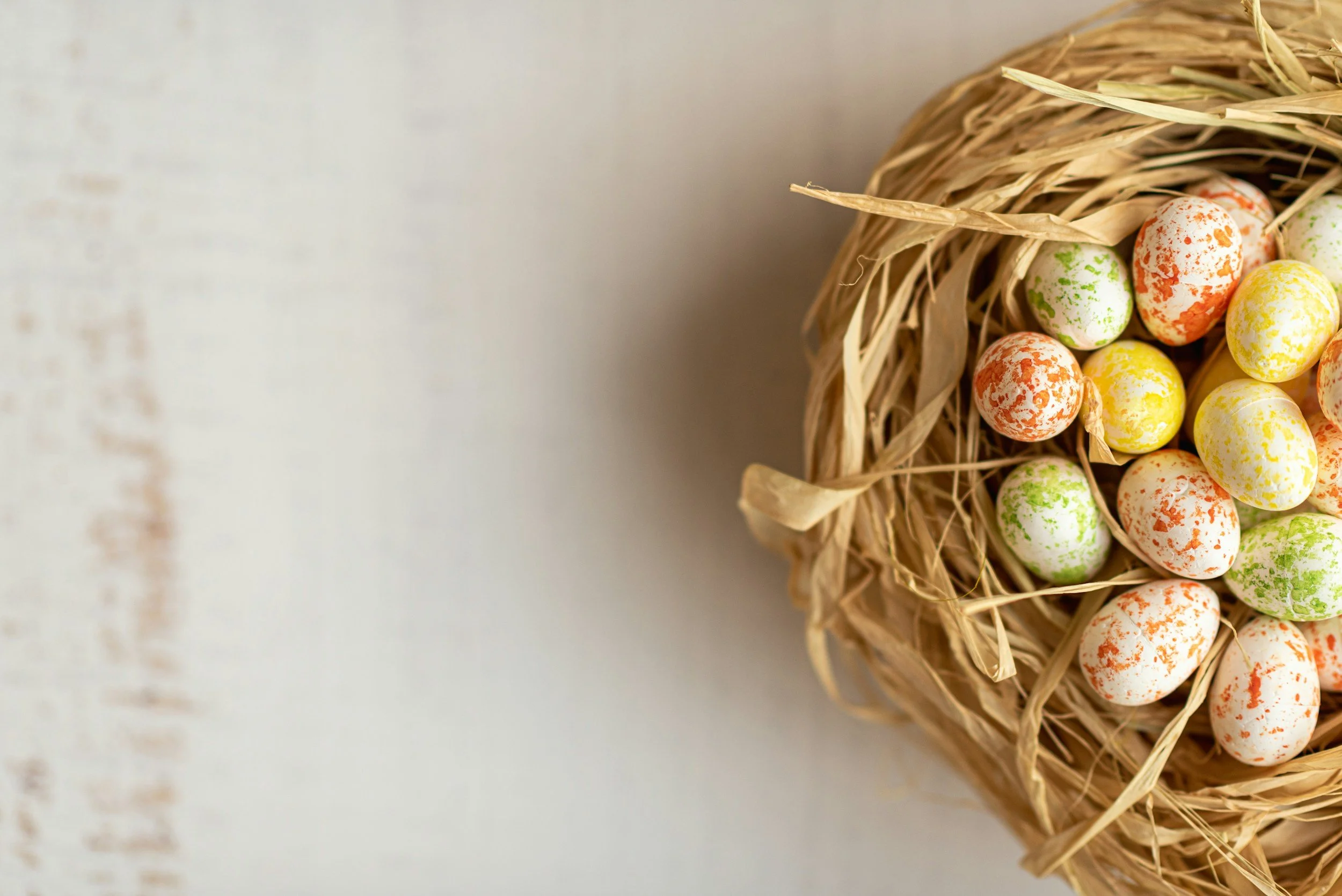
Modern folklore often links Eostre to two famous symbols: hares and eggs.
These associations are widely repeated in books and online articles, though their historical origins are somewhat tangled.
The connection between hares and spring fertility likely predates the story of Eostre entirely. Hares have long been associated with:
lunar symbolism
fertility cycles
seasonal mating behavior
Similarly, eggs have been powerful symbols of creation and rebirth across cultures for thousands of years.
The popular story claiming Eostre transformed a bird into a hare that laid eggs appears in modern folklore retellings rather than ancient sources.
Still, the imagery persists because it captures something essential about the season.
Spring is a time when the world seems to hatch itself back into existence.
Eostre in Modern Pagan Traditions
Whether or not she was widely worshipped in the past, Eostre has found new life in modern pagan spirituality.
Within contemporary witchcraft and Wheel of the Year traditions, the spring equinox festival is often called Ostara, a name inspired by the goddess.
For many practitioners, Eostre represents:
the returning light
the awakening of nature
the fertile energy of early spring
Rituals during this season often focus on planting seeds, setting intentions, and celebrating the balance between light and darkness.
In this way, Eostre has become less a strictly historical figure and more a symbolic spirit of the season itself.
The Goddess Who Might Have Been
In the end, Eostre remains one of mythology’s quietest mysteries.
She appears only briefly in the historical record, then disappears into centuries of speculation.
Perhaps she was once honored in forest clearings and village festivals that left no written trace.
Perhaps she was reconstructed from the language of dawn itself.
Or perhaps she is something stranger still: a goddess born from a fragment of history and brought to life by the human instinct to celebrate the return of light.
Either way, each spring when the sun rises earlier and the earth begins to stir, her name returns with the season.
And the old story begins again.