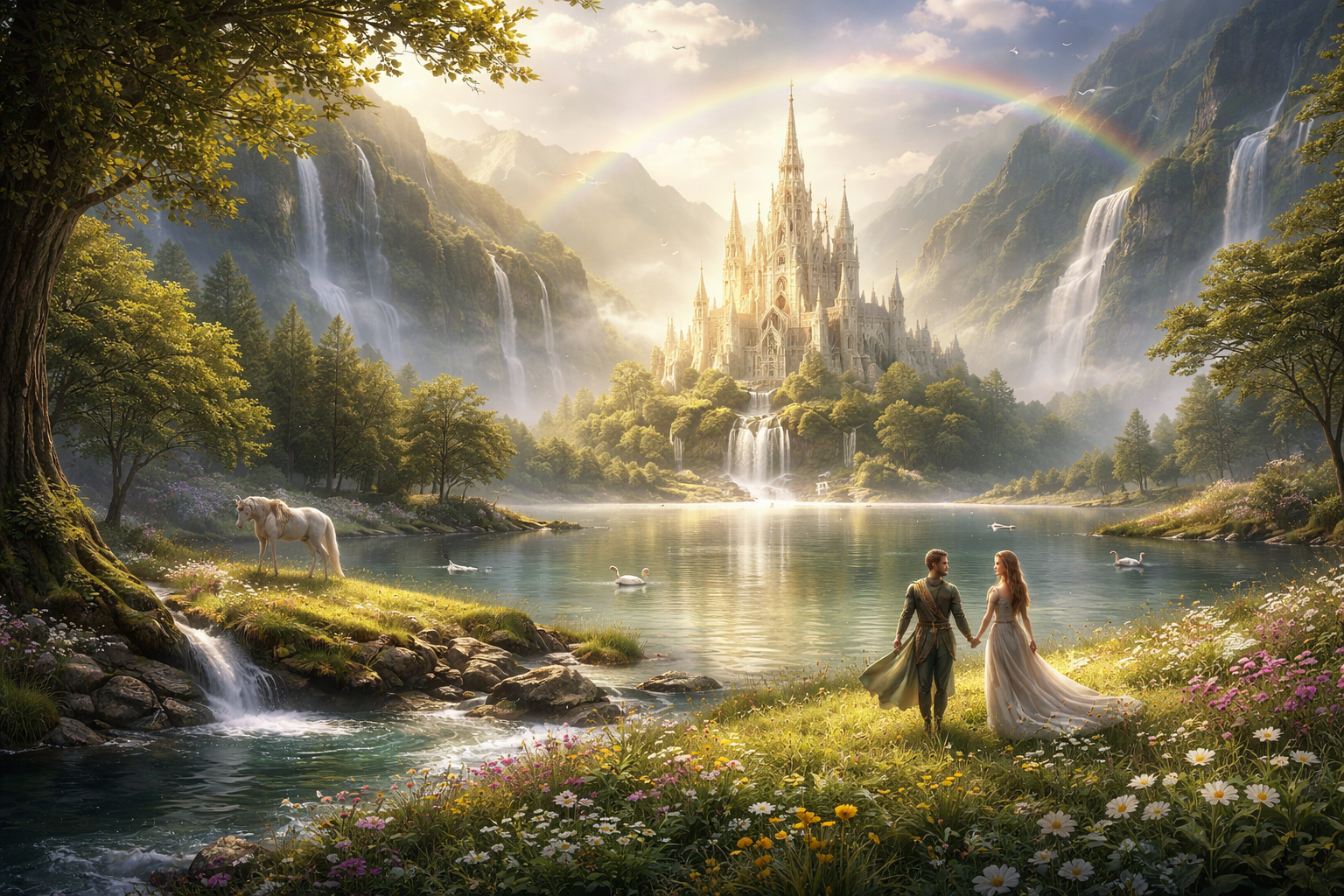
Tír na nÓg
The Celtic Otherworld of youth and timeless beauty. Not a heaven, but a parallel realm reached by sea or hill—where time bends and return carries consequences.
Introduction
Tír na nÓg, often translated as “Land of the Young,” is a mythic realm in Irish tradition associated with eternal youth, beauty, and abundance. It is not heaven in a moral sense, nor a place of punishment, but an Otherworld existing alongside or just beyond the human world. In early Irish literature, it is sometimes reached by sea, sometimes through a burial mound, sometimes by invitation from a radiant being who appears at the edge of ordinary life. It is a place where time does not move as it does among mortals.
The most famous tale connected to Tír na nÓg is that of Oisín and Niamh, in which a mortal hero travels to this luminous land and lives there for what feels like a short span—only to return and find centuries have passed. This distortion of time is central to the mythology. The Otherworld offers beauty and continuity, but crossing back carries consequence.
Tír na nÓg represents more than a paradise; it is a liminal realm of suspended decay. It reflects the Celtic worldview in which reality is layered and the veil between worlds is thin but not easily crossed. It is not a reward, but an elsewhere — alluring, perilous, and fundamentally separate from the rhythm of mortal time.
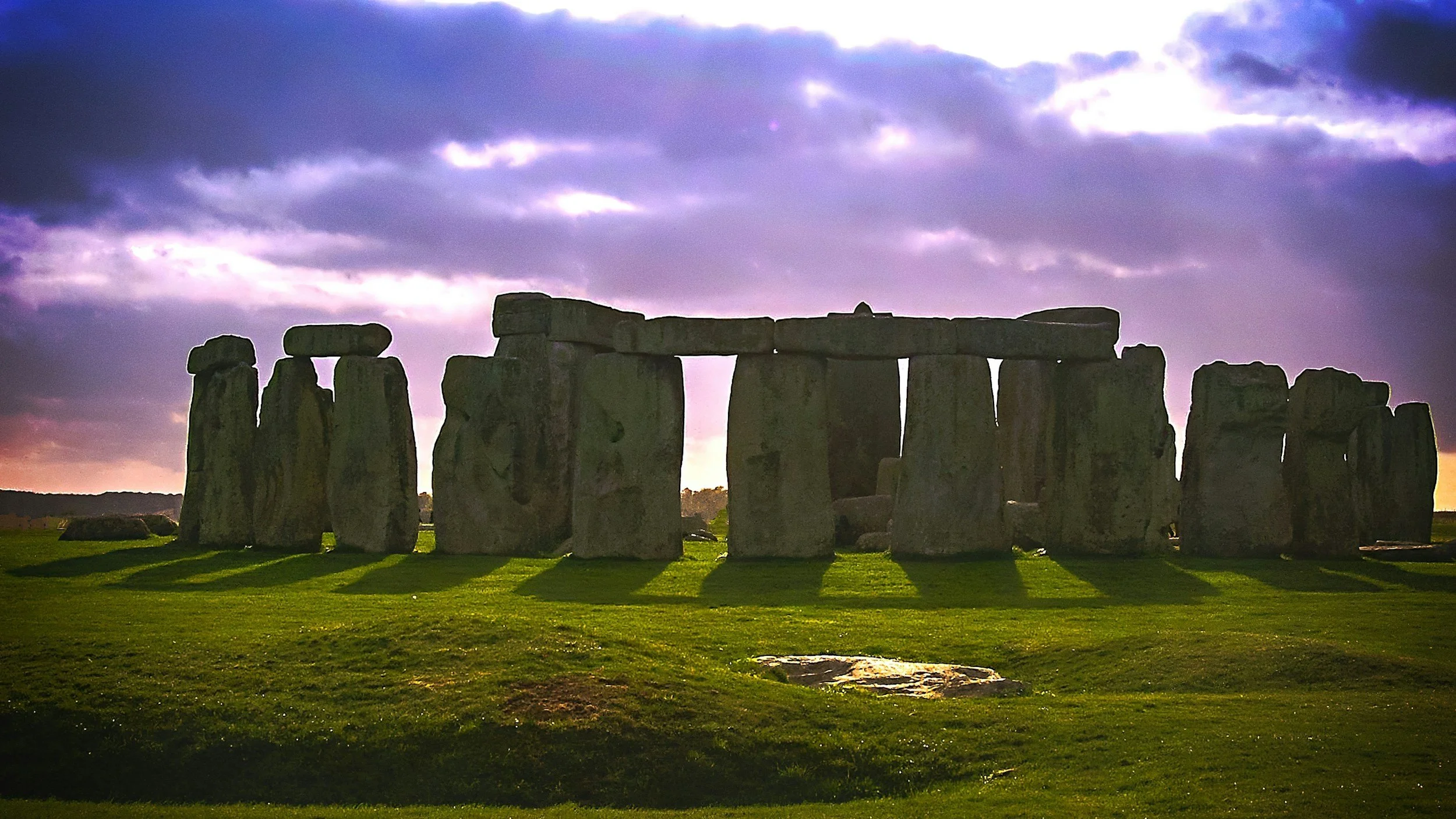
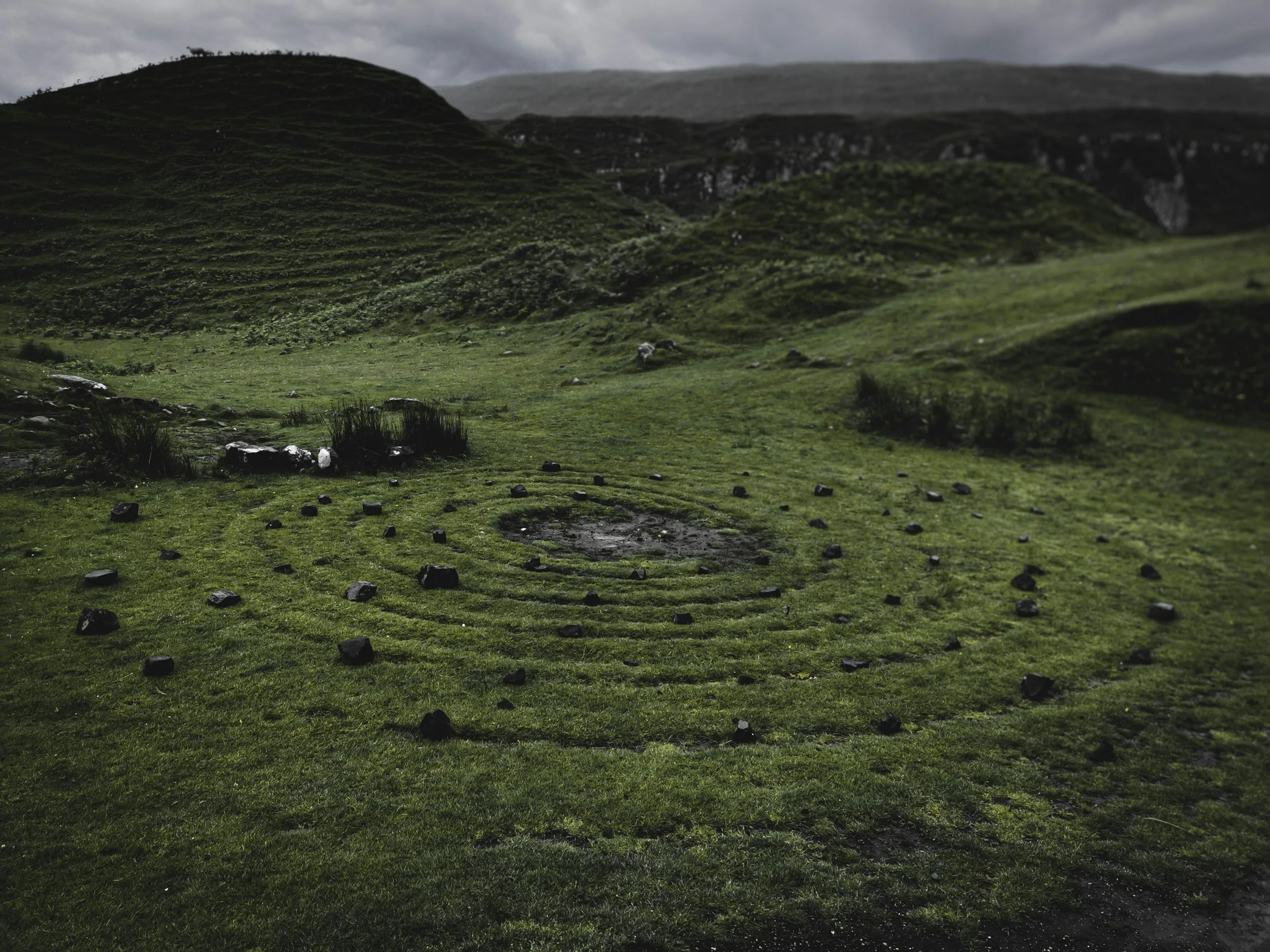

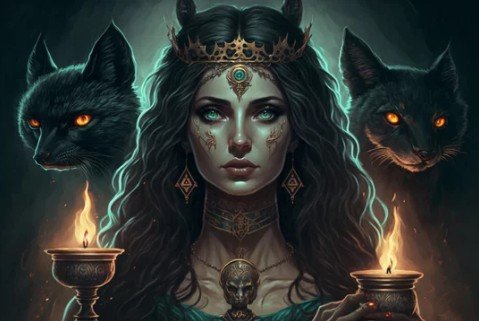
Before Halloween was born, there was Samhain—the Celtic night when the veil between worlds thinned and the year itself died to be reborn. Bonfires blazed, ancestors returned, and gods met in the shadows. It wasn’t fear they honored, but the sacred dance between endings and beginnings.