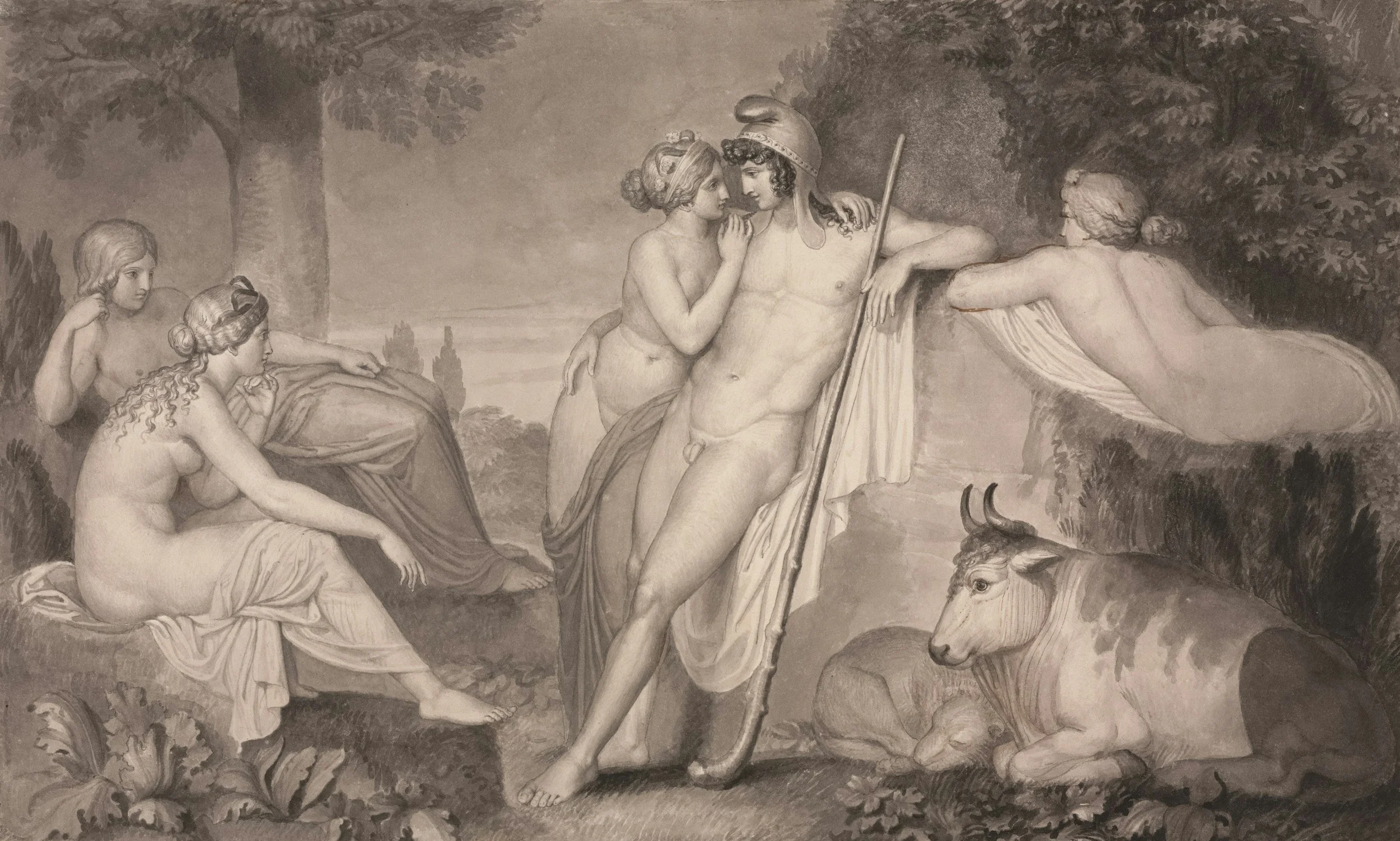
The archive gathers stories from across cultures, centuries, and belief systems—not to demand certainty, but to explore why these stories endure. Ancient gods, haunted places, cryptids, omens, urban legends, and forgotten traditions all share shelves here, connected by the patterns that continue repeating through human history.
THE KNOWLEDGE LIBRARY
A LIVING ARCHIVE OF MYTH, FOLKLORE, AND THE STRANGE IMAGINATION OF HUMANITY.
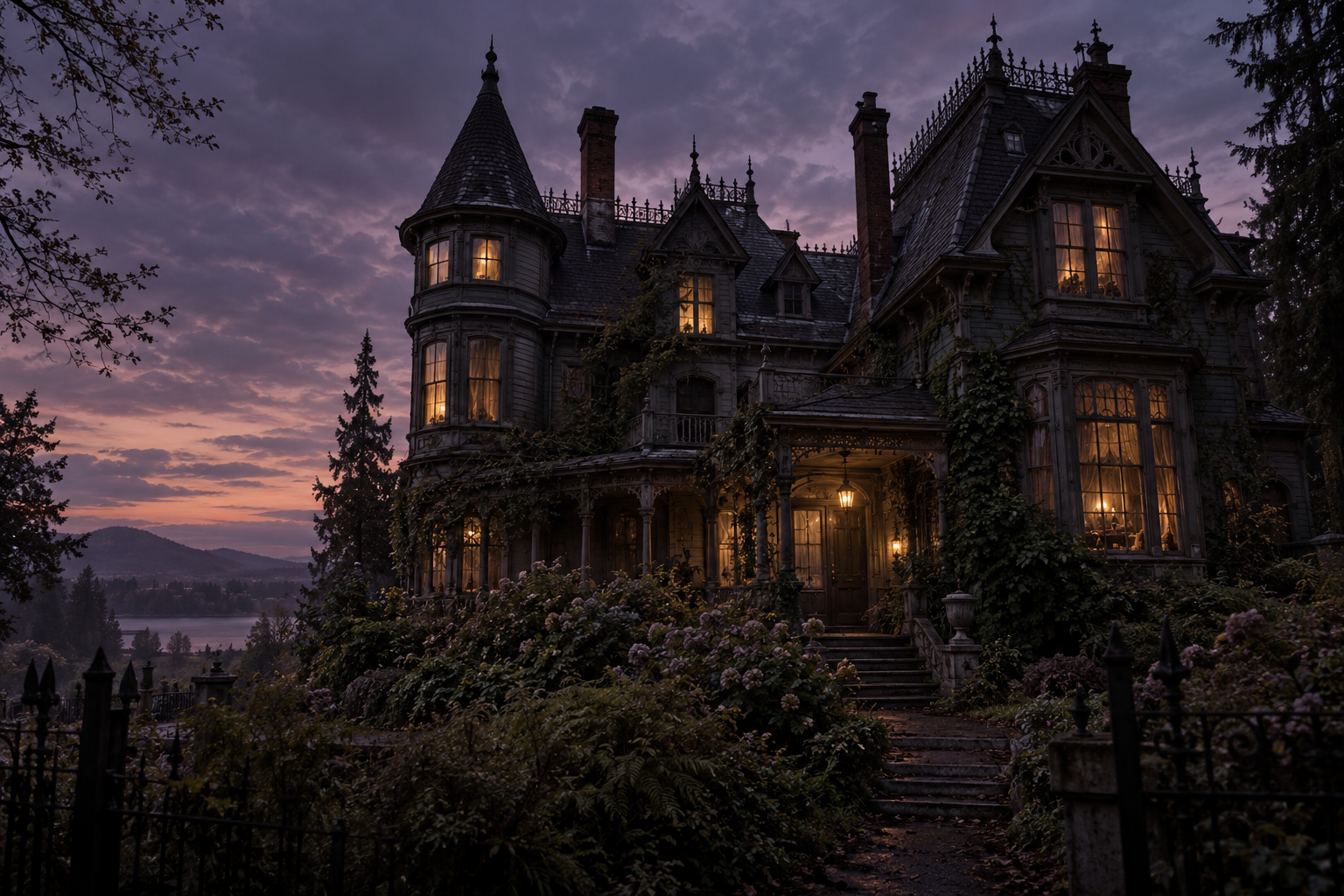
The Winchester Mystery House: The Widow, the Myth, and the Ghosts
A grieving heiress, an 1895 rumor, and thirty-eight years of construction with no master plan built one of America's strangest houses — and almost none of the ghost story attached to it is true.

Portland's Shanghai Tunnels: The Hauntings and the History
Beneath Old Town Portland lies a real history of kidnapped sailors and a legend of tunnels that never quite existed — plus one of the city's most consistently haunted basements, home to a spirit named Sam.
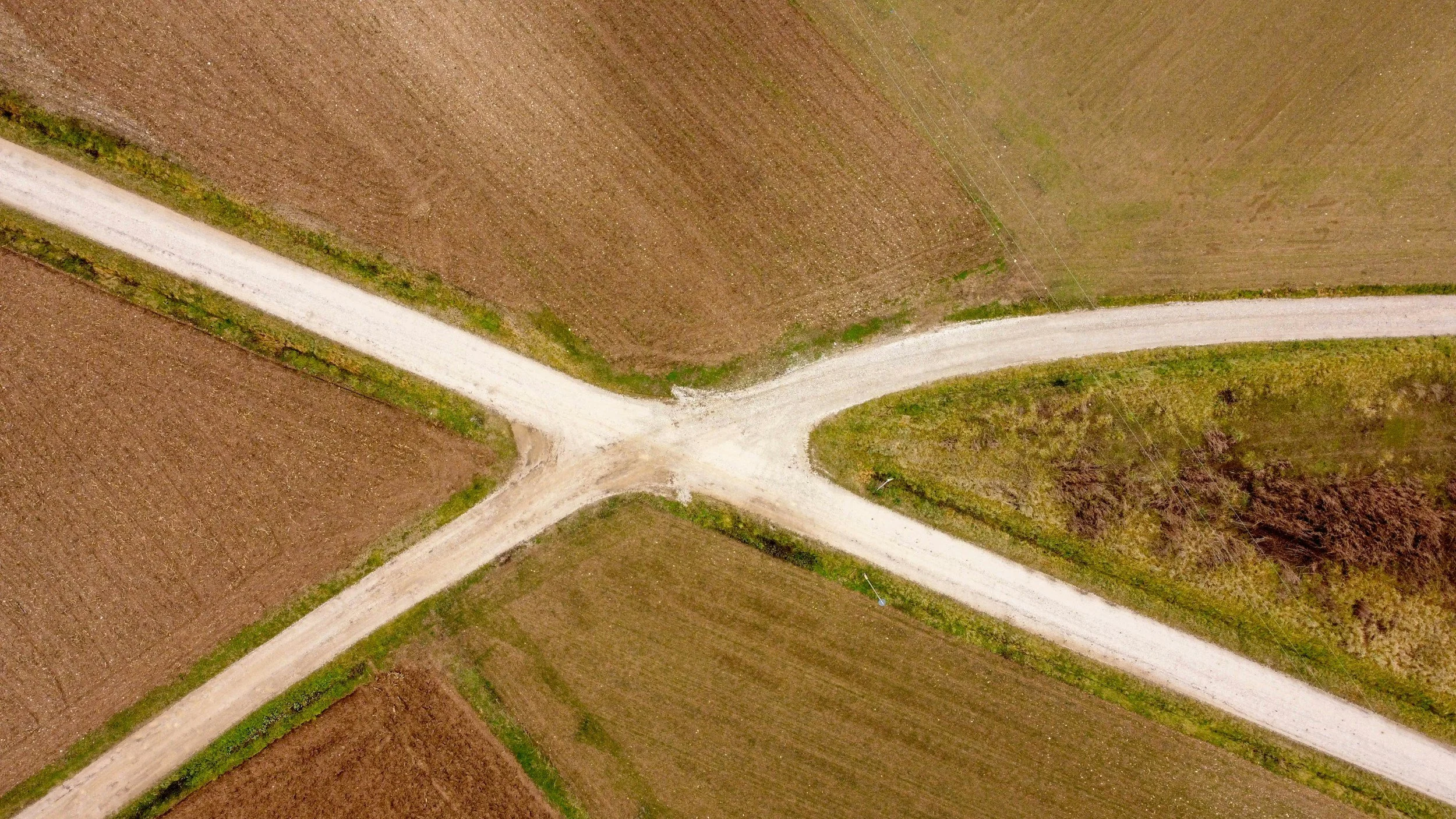
Robert Johnson and the Crossroads Pact: Biography, Hoodoo, and the Legend That Refused to Die
The entity at the crossroads is almost certainly a syncretized version of Legba — the Vodun orisha of thresholds, roads, and communication between worlds. Legba is not evil. He is liminal. The conflation of Legba with the Christian Devil was not accidental. It was a strategy of colonial religious suppression, applied consistently and brutally across the African diaspora. Your god of thresholds is our devil. Your ritual is a pact with evil. Your spiritual life is evidence of damnation. By the time Robert Johnson stood at his crossroads, the entity he was invoking had two faces — and neither could be entirely separated from the other.
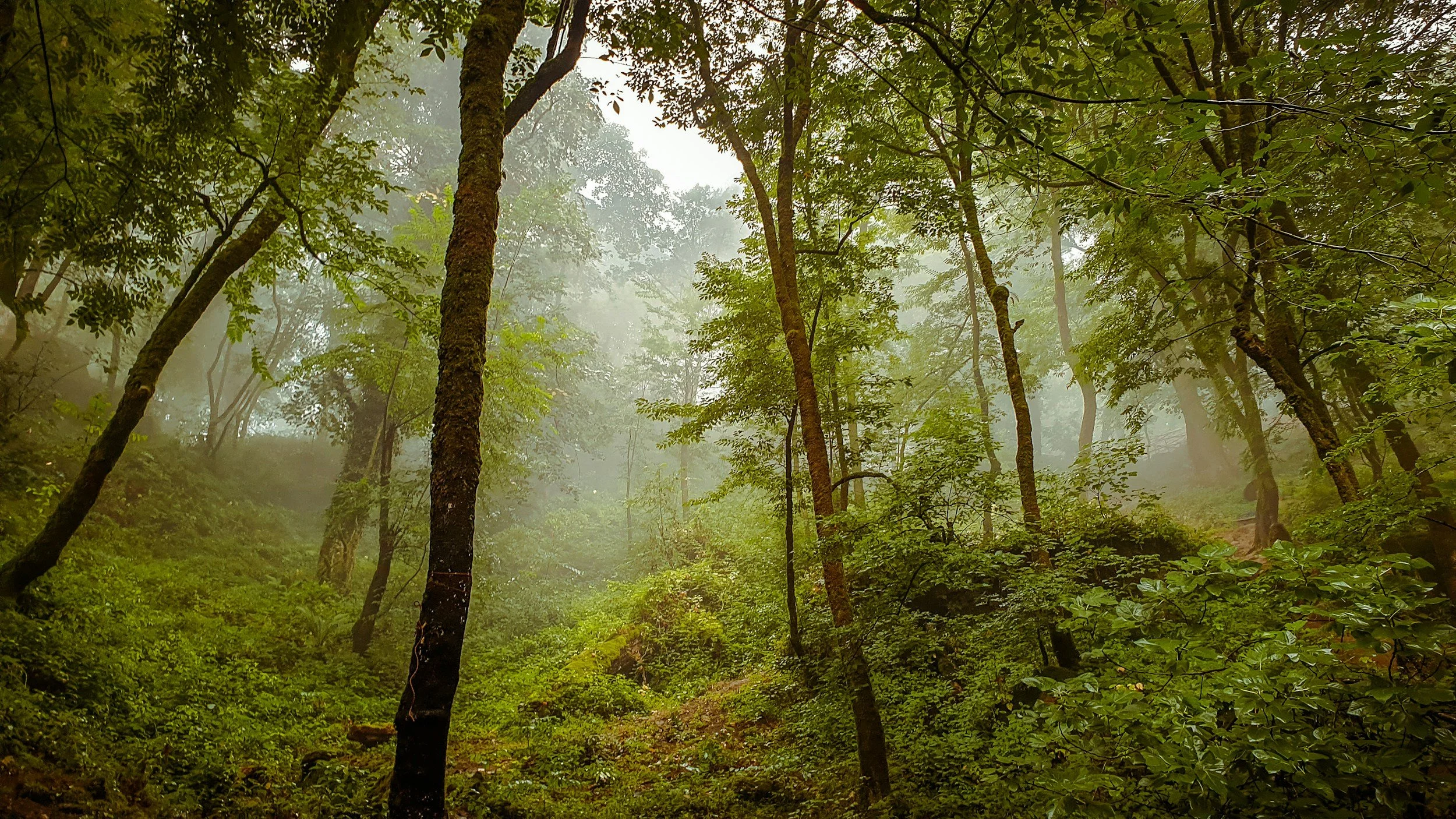
Hoia Baciu Forest: The Forest That Watches Back
Deep within Romania’s infamous Hoia Baciu Forest lies a barren clearing where vegetation refuses to grow and visitors report whispers, missing time, sudden illness, and the overwhelming sensation of being watched. Long feared in local folklore and later tied to UFO sightings and paranormal investigations, the forest has earned a reputation as one of the most unsettling locations on Earth — a place where people enter curious and sometimes leave changed.
How to Research a Deity Responsibly
Researching a deity is not the same as scrolling a correspondence list. Every god emerges from a landscape — shaped by language, politics, ritual, and survival. This study explores how to separate historical record, folklore, and modern reinterpretation, so devotion begins with context instead of assumption.

Hecate: Threshold, Torchlight, and the Problem of Survival
Hecate stands at the threshold of Greek religion — named in early poetry, established in civic cult, and later invoked in rites of liminality and protection. From Hesiod’s dignified praise to the crossroads offerings of the Deipnon, her presence moves between text, stone, and ritual continuity. This article traces her survival through literature, sanctuary, magic, and modern reconstruction without collapsing those layers into a single myth.
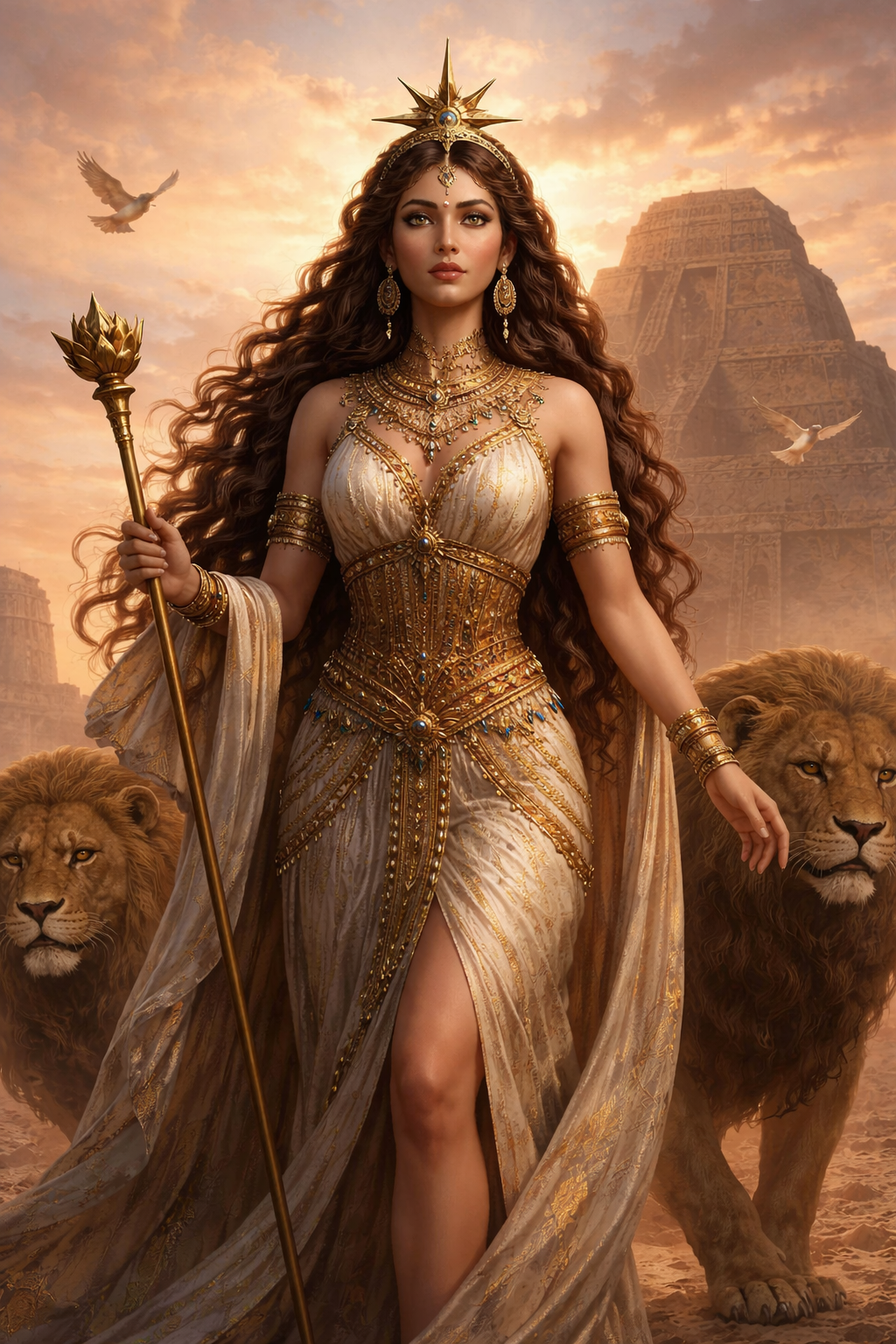
Inanna: Sovereignty, Descent, and the Architecture of Divine Power in Early Mesopotamia
Inanna stands among the most extensively documented deities of ancient Mesopotamia. Preserved in temple hymns, royal inscriptions, and administrative tablets, her record reveals a goddess embedded in the political and cosmological architecture of early urban civilization. This study traces her layered survival across language, empire, and excavation.
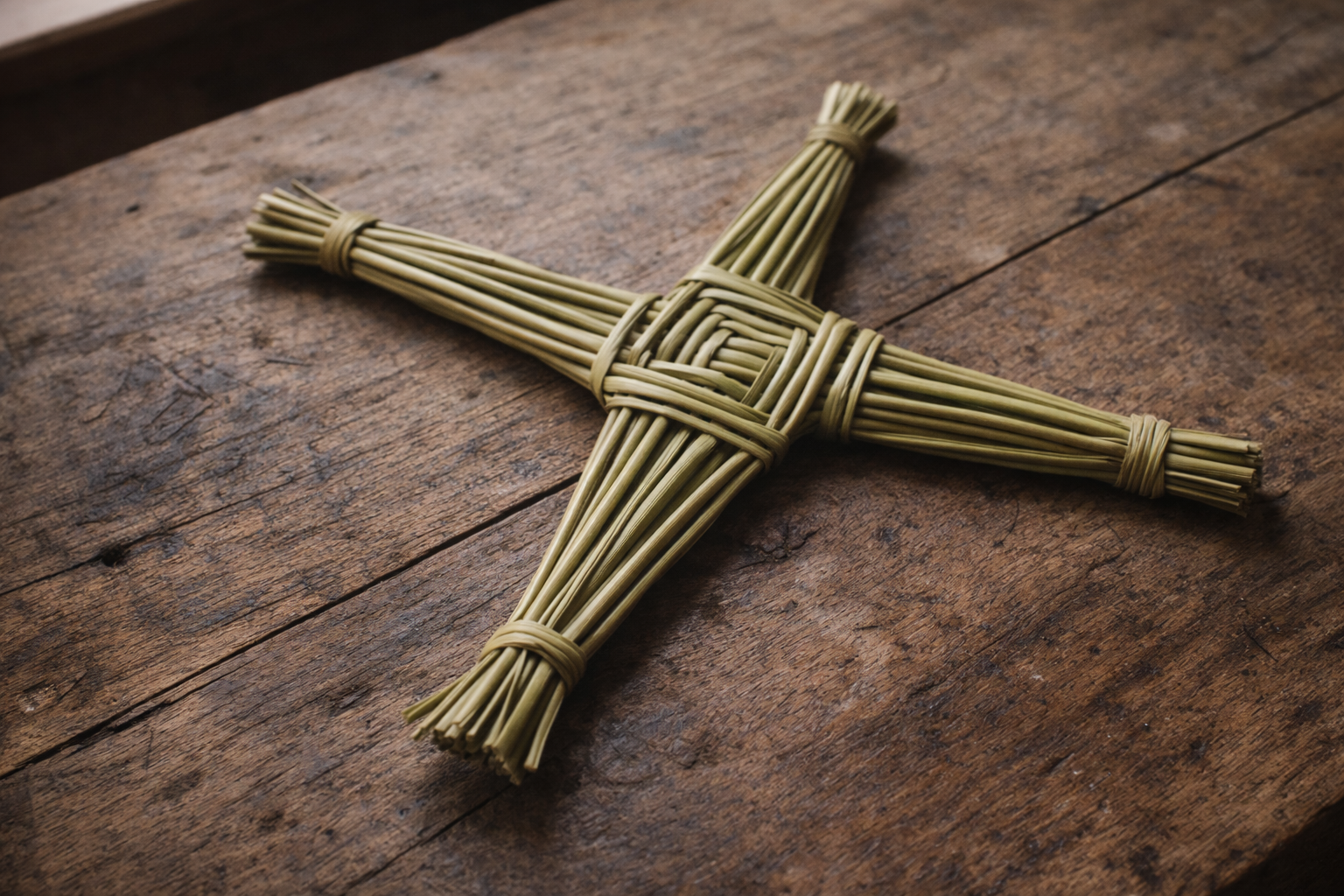
Brigid: Textual Fragment, Sacred Continuity, and Syncretic Survival
Brigid survives not through epic dominance but through adaptation. Fragmented in early Irish texts, sanctified in medieval Christianity, and carried forward in seasonal rites, her continuity is braided across myth, monastery, and household tradition.
Odin: Textual Record, Cultic Context, and Later Reconstruction
Odin survives not as a single, unified deity but as a layered figure preserved through poetry, medieval prose, archaeology, and modern reconstruction. This study separates primary texts from later interpretation, tracing how the one-eyed god moved from oral tradition to manuscript — and into contemporary imagination.
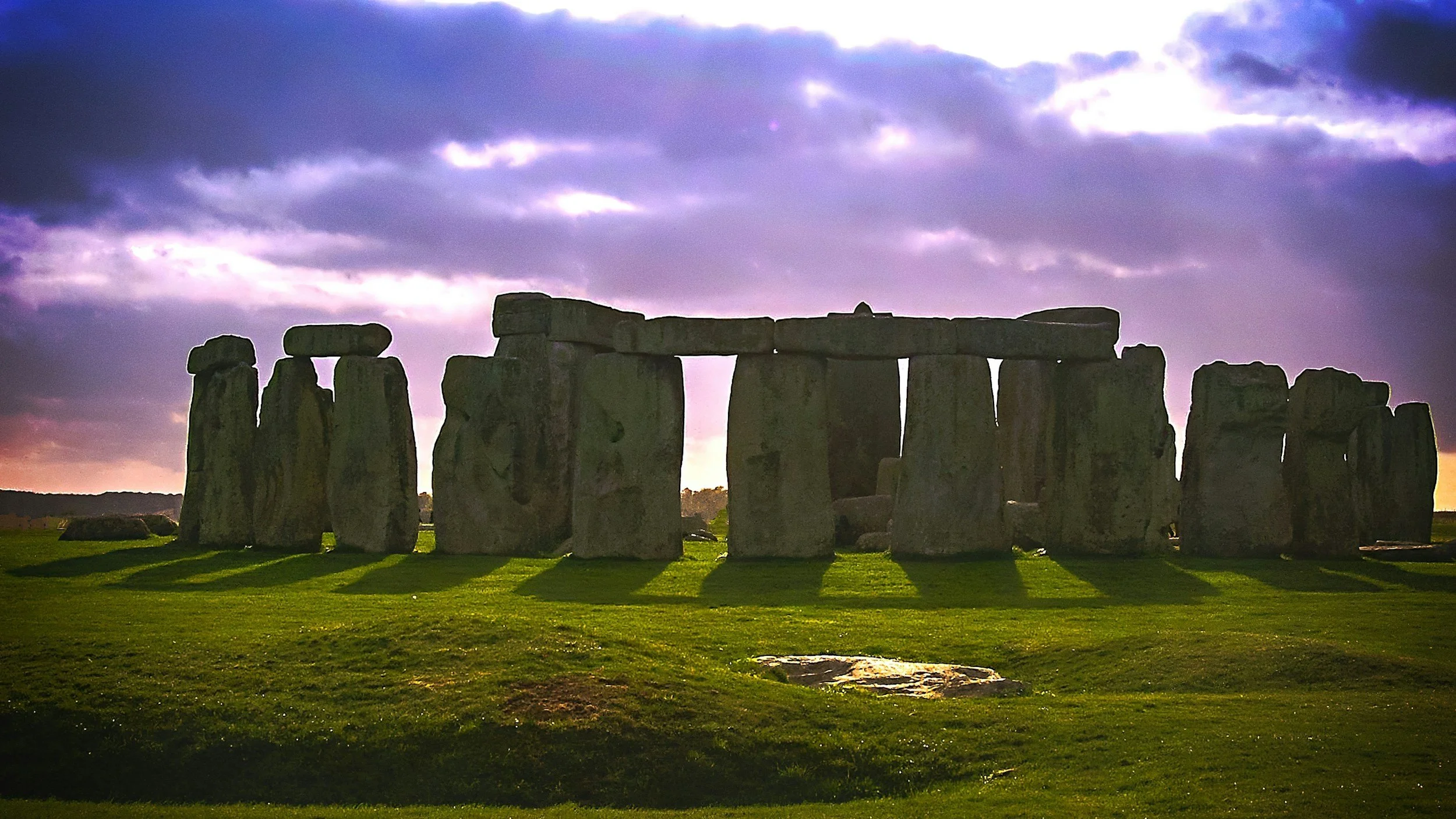
Druidry – A Revival of Celtic Priesthood and Ancestral Wisdom
Druidry is a modern revival of the ancient Celtic priesthood, rooted in reverence for nature, poetry, and ancestral wisdom. With seasonal rituals, creative devotion, and ecological spirituality, it honors the cycles of the earth and the memory of the Druids. Explore how this path blends folklore, myth, and modern imagination into a living tradition of sacred groves and firelit rites.
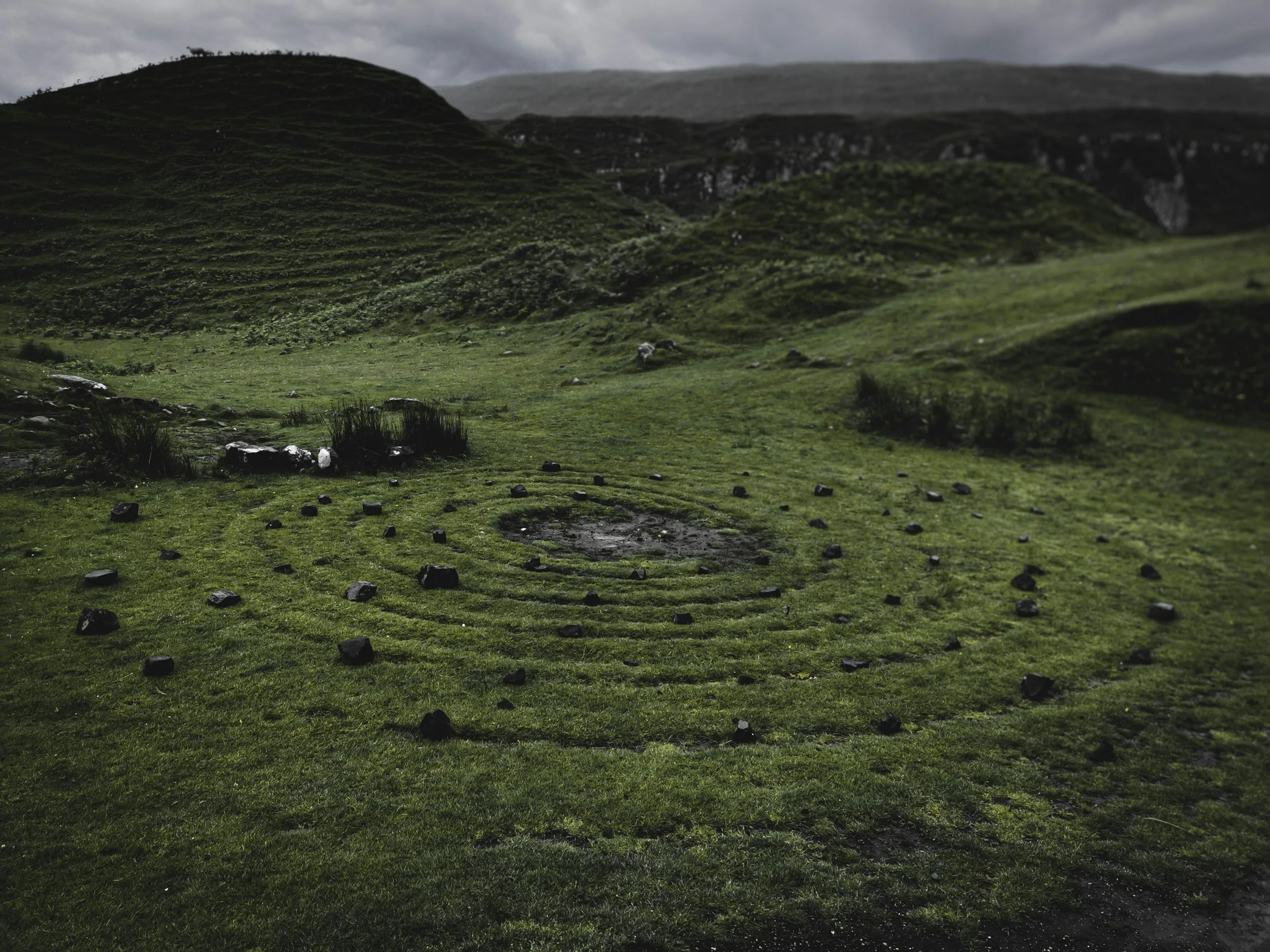
Celtic Reconstructionism – Rooted in Lore, Ritual, and Cosmology
Celtic Reconstructionism is the revival of ancient Celtic pagan traditions, rooted in myth, ritual, and seasonal cycles. Honoring gods like Lugh, Brigid, and Cernunnos, it weaves folklore, archaeology, and living custom into a modern faith. Explore how the old gods survived in fragments and rise again through ritual, devotion, and the turning of the sacred year.
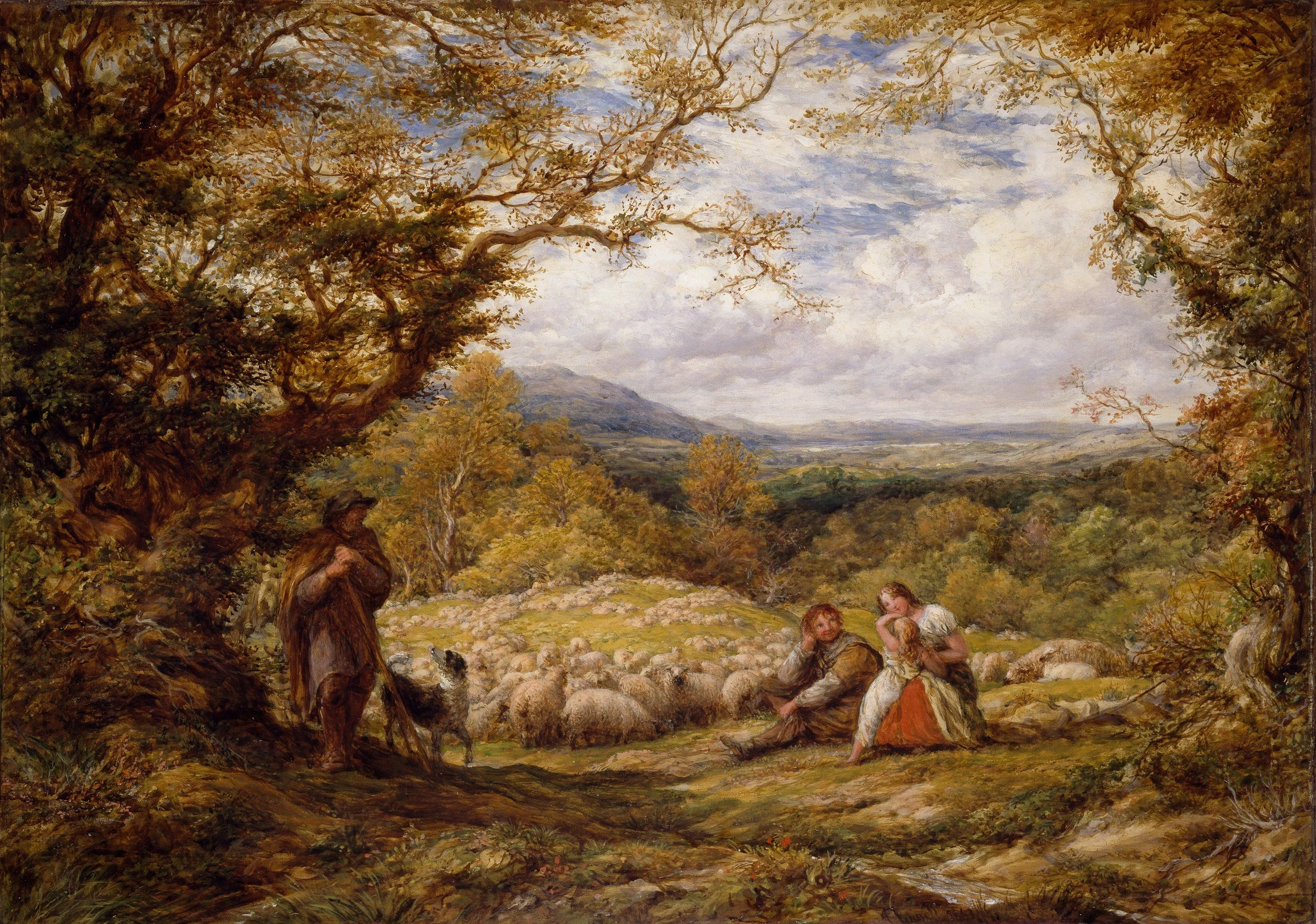
Heathenry – Norse and Germanic Traditions Honoring the Old Gods
Heathenry, also called Ásatrú, Forn Sed, and Theodism, revives the Norse and Germanic pagan traditions of Odin, Freyja, and the ancestors. Rooted in sagas, rituals, and values of kinship and honor, it honors gods, spirits, and fate. Discover how this faith survived centuries of suppression to rise again as a living tradition of oath, offering, and community.
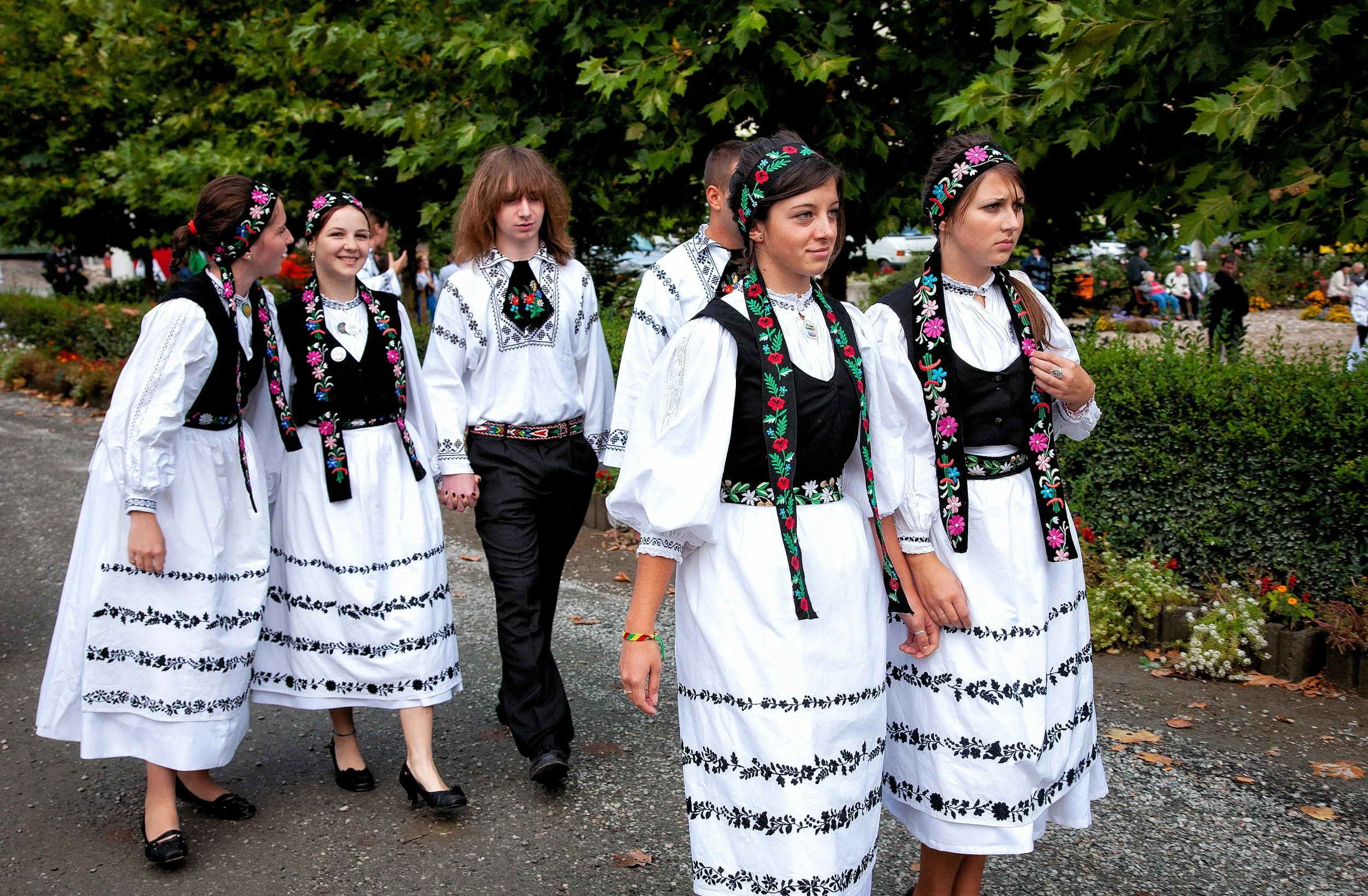
Romuva – The Baltic Pagan Faith of Lithuania
Romuva is the modern revival of Baltic paganism in Lithuania, honoring the sun goddess Saule, the thunder god Perkūnas, and the earth mother Žemyna. Rooted in folk song and seasonal ritual, it celebrates cycles of fire, land, and ancestors. Explore how this faith survived centuries of suppression to reawaken as a living tradition of harmony with nature.
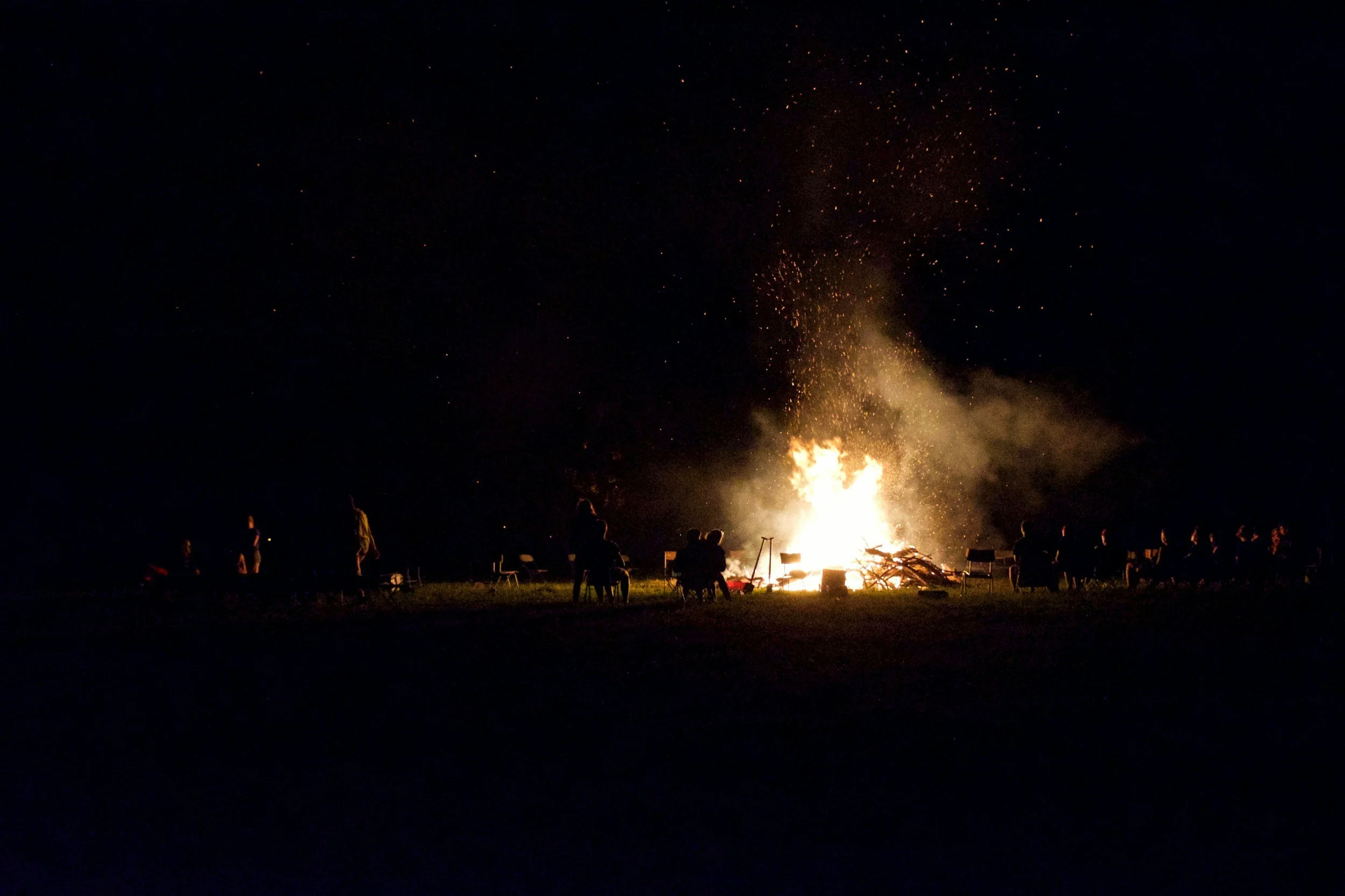
Dievturība – The Latvian Native Faith
Dievturība is the modern revival of Latvian folk paganism, honoring Dievs, Māra, Laima, and the cycles of nature. Rooted in ancient dainas, rituals, and seasonal festivals, it blends ancestral memory with living practice. Explore how this native faith weaves gods, land, and song into a sacred worldview reborn in modern Latvia.
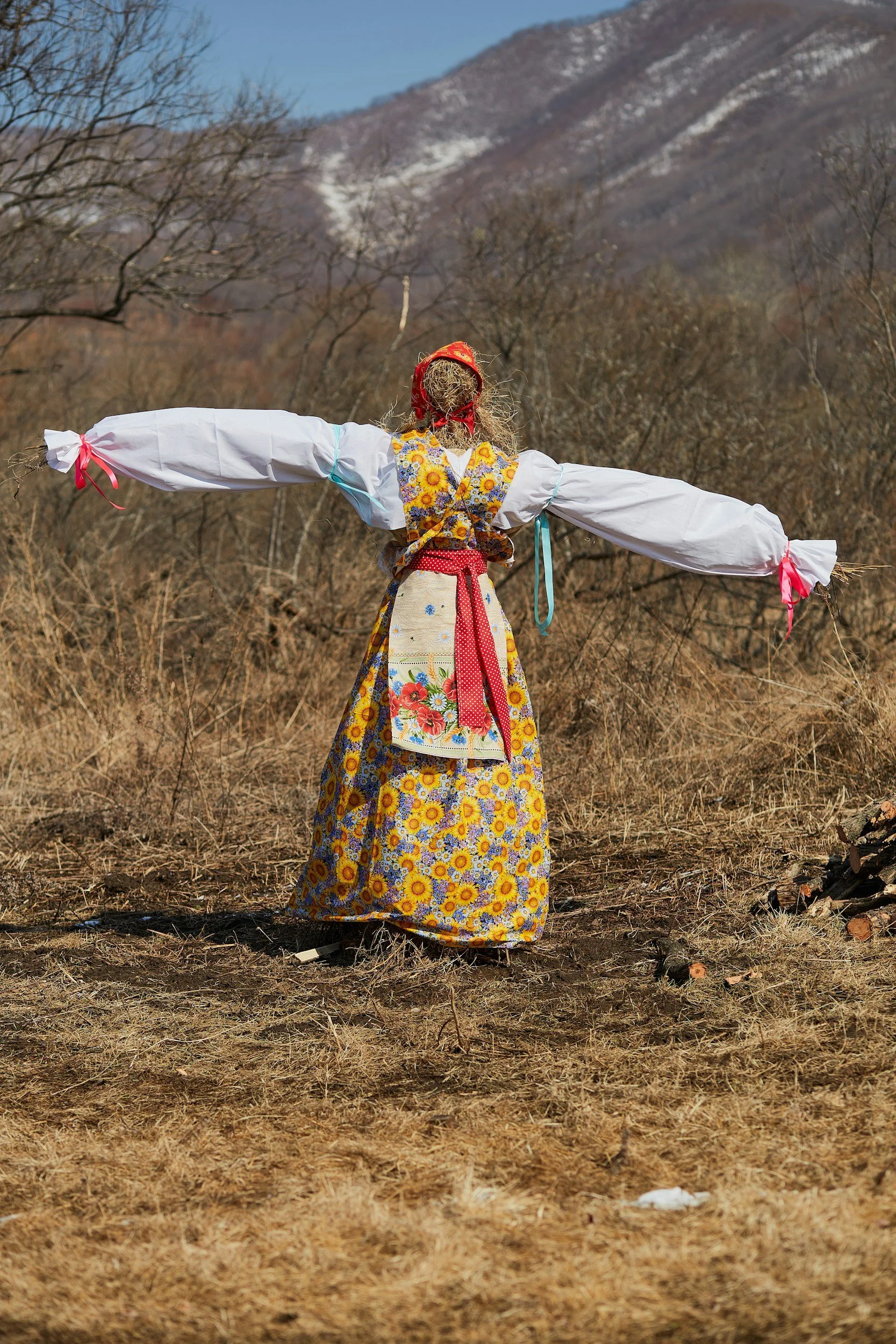
Rodnovery – The Slavic Revival of Native Faiths
Rodnovery is the modern revival of Slavic native faiths, honoring gods like Perun, Veles, and Mokosh. Rooted in folklore, ritual, and seasonal festivals, it seeks to restore ancestral traditions where gods and spirits infuse daily life. Explore how the fire of Slavic paganism is rekindled today, weaving ancient belief into modern practice.
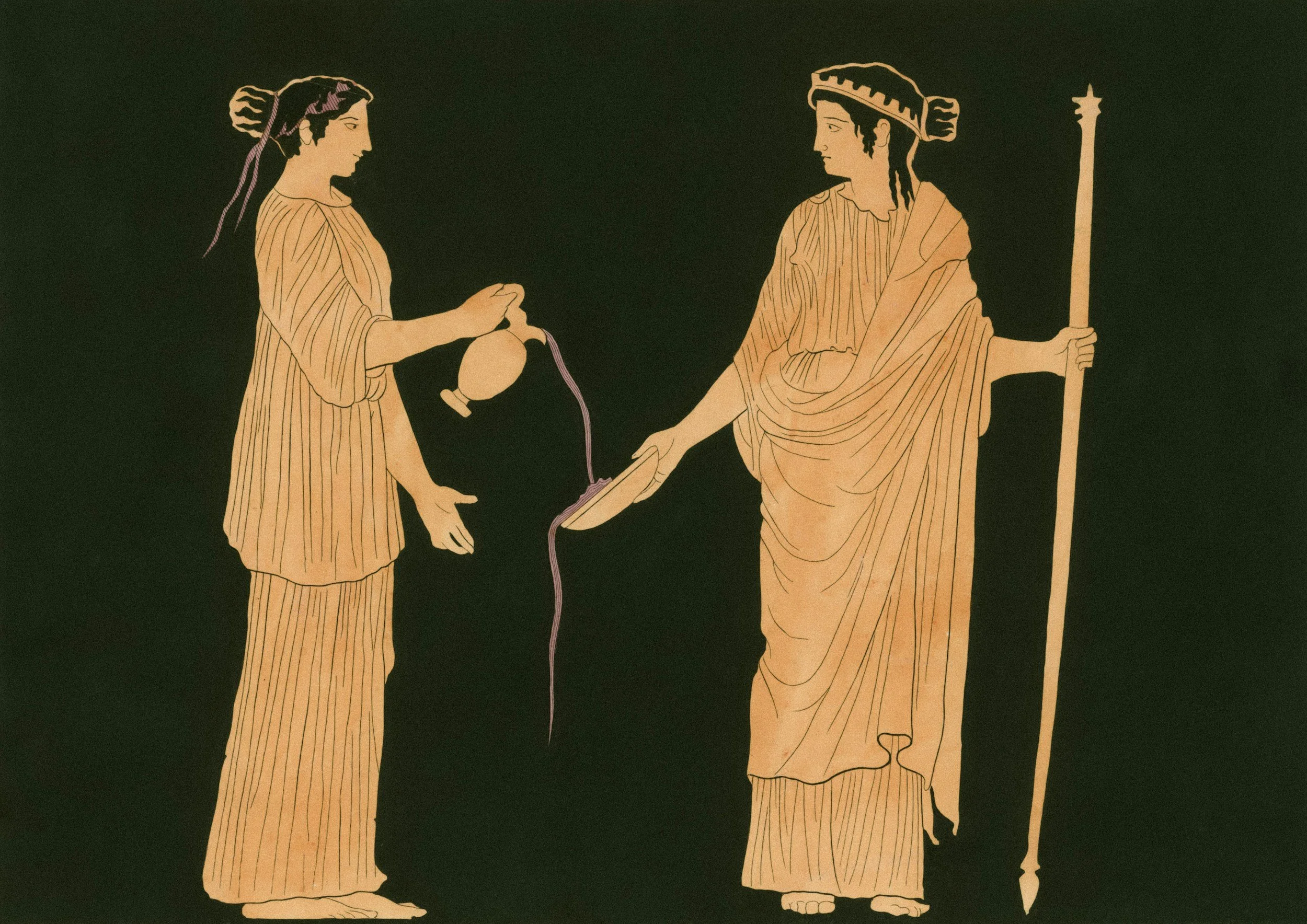
Zalmoxianism – The Revival of Thracian Mysteries
Zalmoxianism revives the ancient Thracian and Dacian religion centered on Zalmoxis, a god of immortality, mystery, and transformation. Rooted in fragments of history, myth, and folklore, the faith honors gods like Bendis and Gebeleizis, celebrates nature’s cycles, and reawakens rituals of death and rebirth. Discover how this ancient mystery cult lives again in the Carpathian lands.
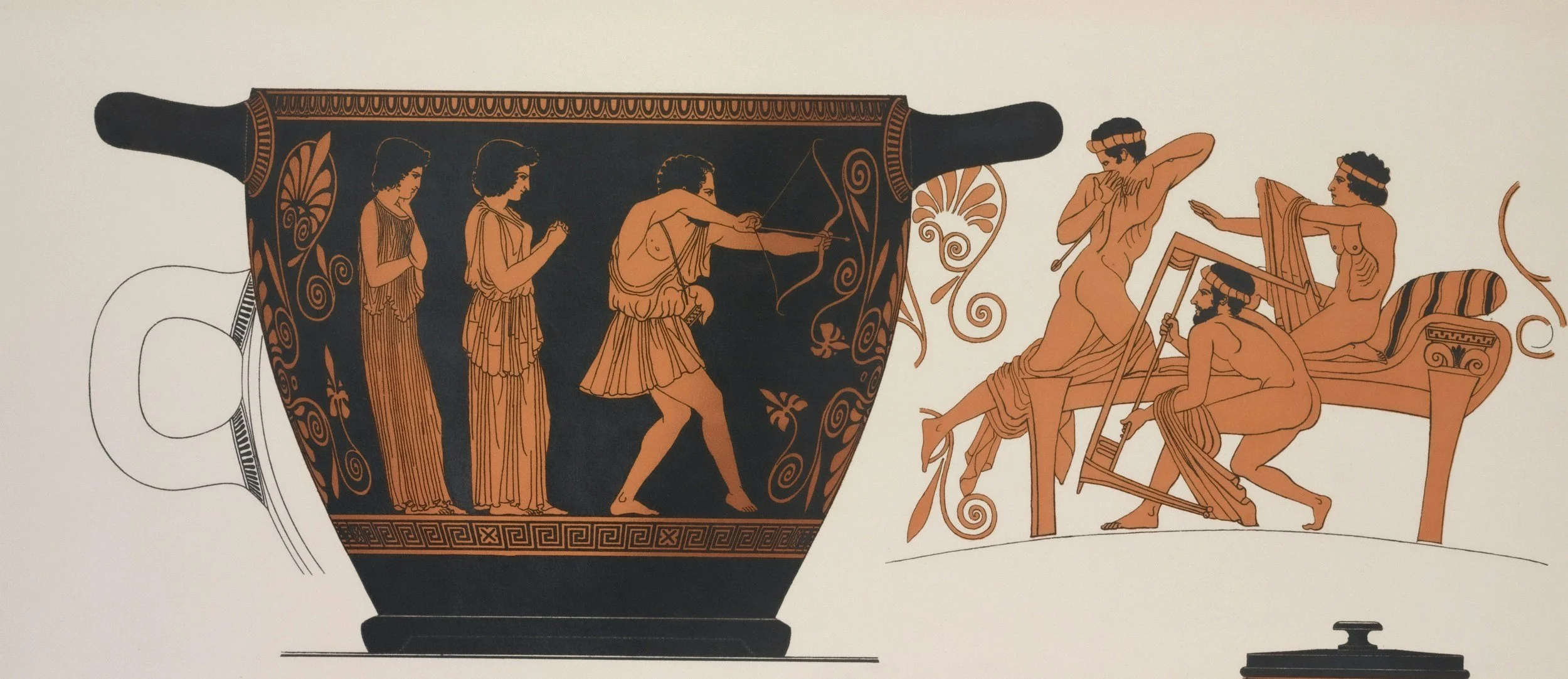
Hellenism – Reviving the Religion of the Olympians
Hellenism is the modern revival of ancient Greek religion, honoring Zeus, Athena, Apollo, and the Olympian pantheon. Rooted in ancient hymns, festivals, and household worship, it blends reconstruction with living devotion. Explore how Hellenists today reawaken the gods of Olympus, restoring rituals of libation, prayer, and ethical reverence in a world still touched by myth.
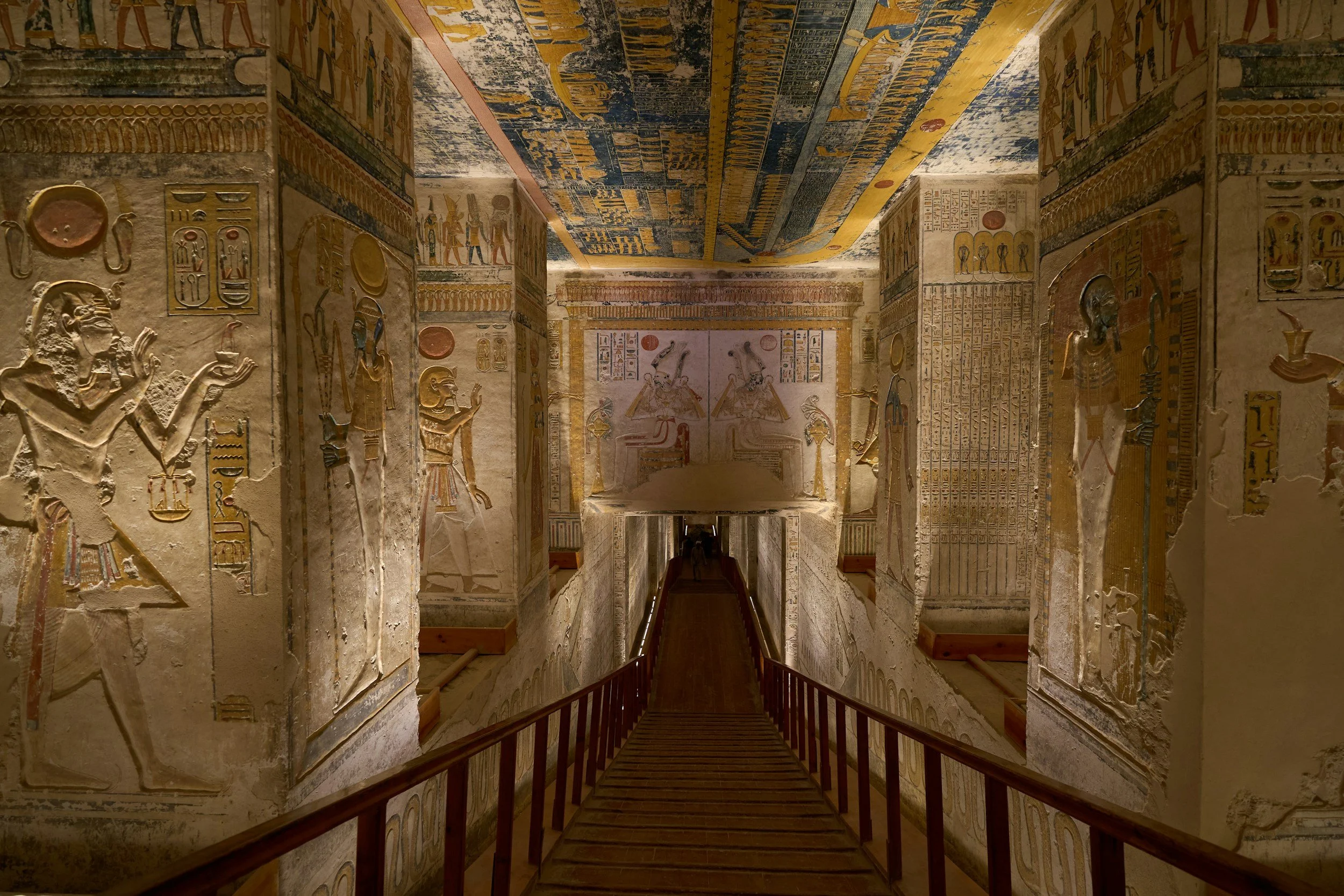
Kemetism – Ancient Egyptian Polytheism Reborn
Kemetism is the modern revival of Ancient Egyptian polytheism, honoring Ra, Isis, Osiris, and the pantheon of the Netjeru. Drawing from temple texts, hymns, and festivals, practitioners rebuild rituals of offerings, libations, and seasonal celebrations like Wep Ronpet. Discover how the gods of Egypt live again in a tradition reborn from the sands of time.
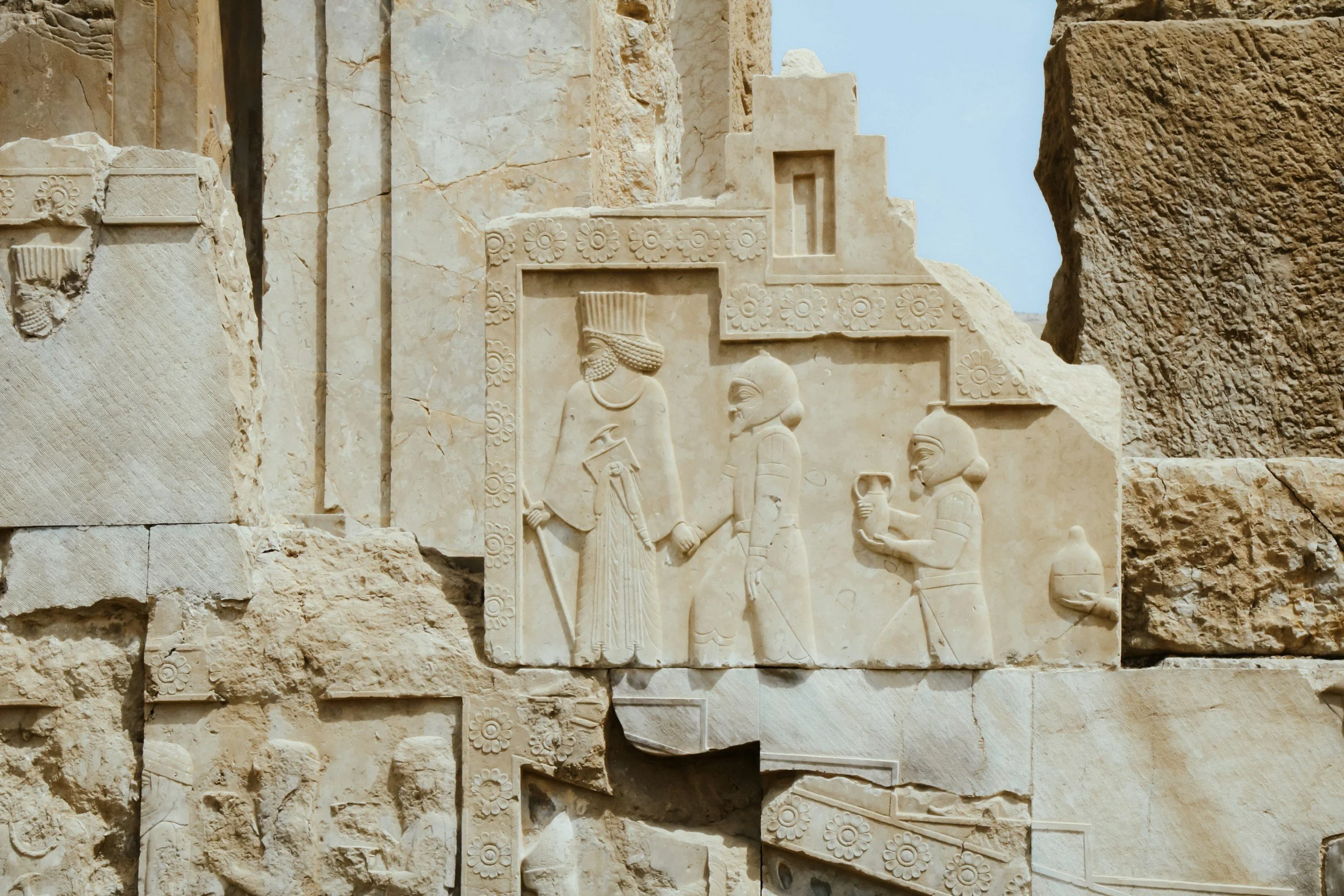
Canaanite Reconstructionism – Reviving the Gods of the Levant
Canaanite Reconstructionism revives the ancient gods of the Levant, from Baal and Anat to Asherah and El. Drawing on Ugaritic texts, archaeology, and Biblical echoes, practitioners rebuild lost rituals and seasonal festivals. Explore how modern pagans honor the storm god, the warrior goddess, and the mother of the sea in a faith reborn from ruins.
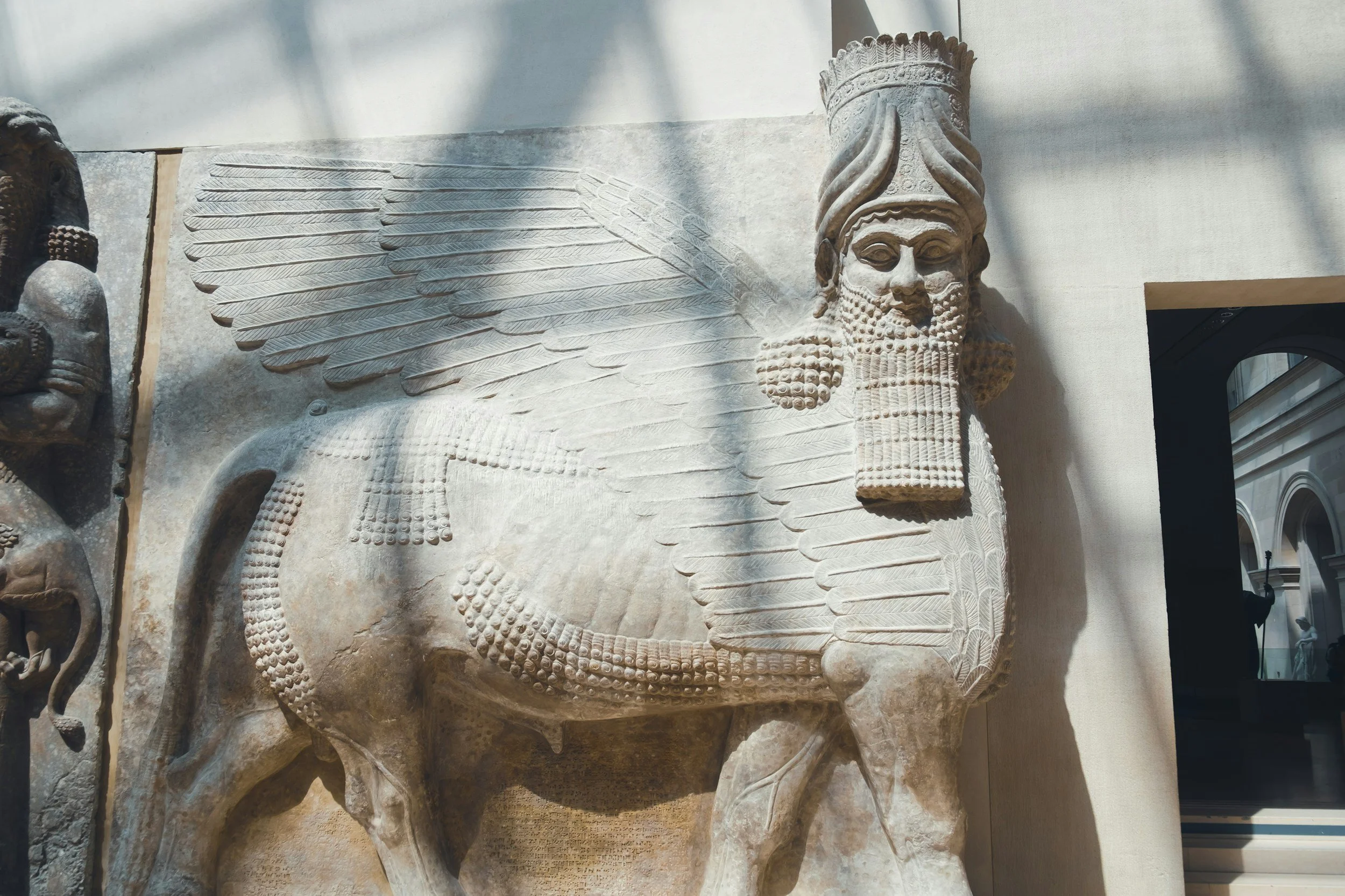
Mesopotamian Reconstructionism – Reviving the Gods of the Cradle of Civilization
Mesopotamian Reconstructionism seeks to revive the ancient worship of Sumerian and Babylonian gods like Inanna, Enlil, and Enki. Drawing from cuneiform texts, hymns, and rituals, practitioners reconstruct offerings, divination, and festivals such as Akitu. Discover how modern pagans reawaken the gods of the world’s first civilization in a faith reborn from ruins.