The Hotel Beneath New Orleans
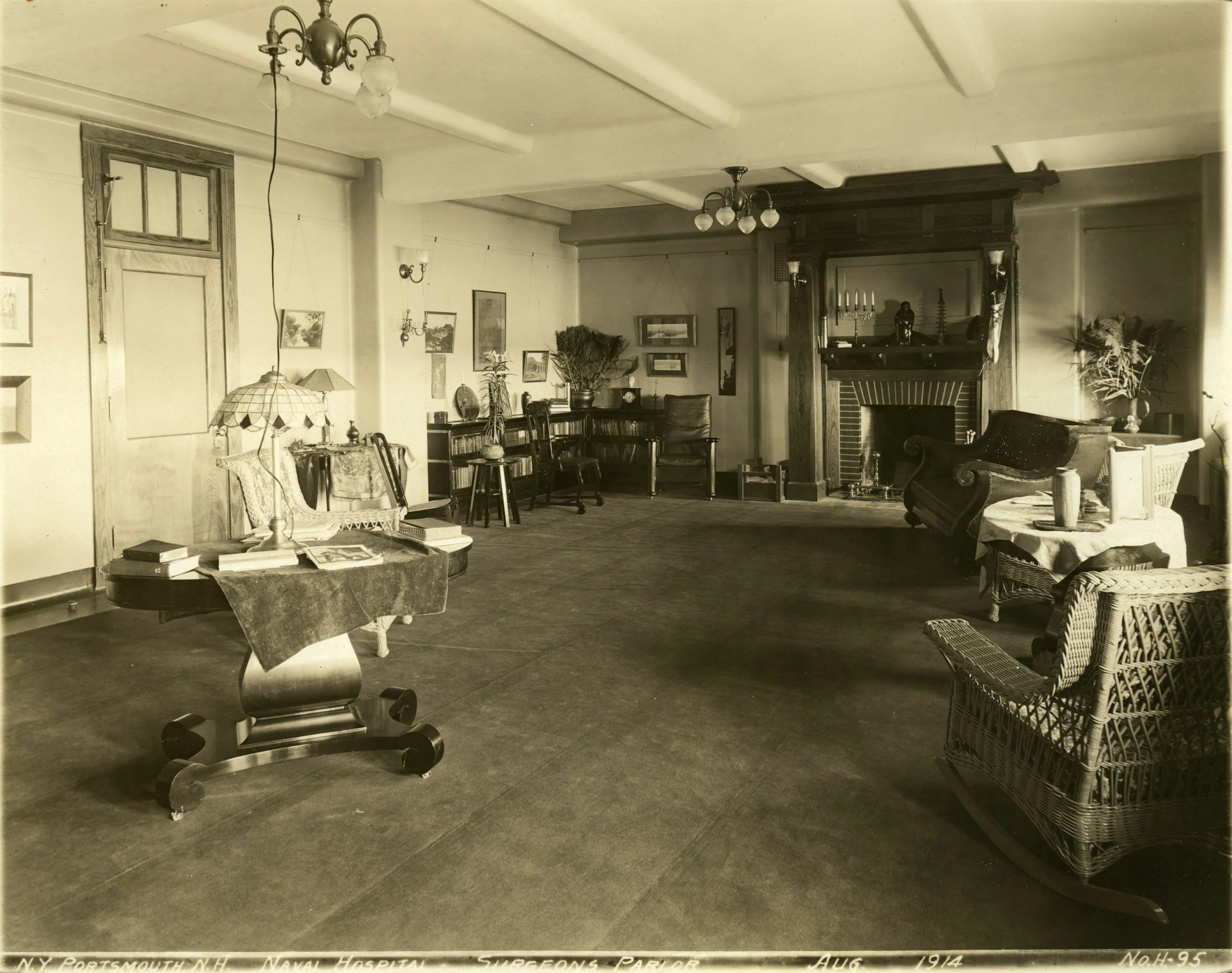
I — The Opening · Day One
We found it on a Tuesday, which feels wrong. A thing like this should have been found on a night with no moon, in a season with no name. Instead it was eleven in the morning and Devereux was eating a po'boy when the sinkhole opened and swallowed the excavator whole.
The machine went down slow. That was the part that stayed with me — not the noise, not the ground folding like wet paper, but the slowness of it. The way the excavator tilted and sank with a kind of dignity, like a ship that has accepted its fate. Twelve feet. Fifteen. Then a sound none of us had a word for: a long, pressurized exhale, as if something enormous had been holding its breath since before we were born and had only now decided to stop.
Then the smell came up.
Gardenias. Cigarette smoke. Something warm and amber — bourbon, maybe, or the memory of bourbon. The smell of a party in another era drifting up through twenty feet of New Orleans earth like a ghost that doesn't know it's supposed to have dissipated by now.
Fontenot looked at me. I looked at Fontenot. Below us, faintly, impossibly, a trumpet played four bars of something slow and blue and then stopped.
·
II — The Lobby · Day Two
They sent me down first because I am the smallest and because Fontenot has bad knees and because nobody wanted to go first and I had not been fast enough saying no. The rope was good rope, OSHA-rated, and it did nothing for me emotionally.
The tunnel opened into a lobby.
I am going to say that again because I did not believe it the first time I thought it: a lobby. Marble floors, black and white, the pattern so clean it looked wet. A chandelier overhead, its crystals filmed with something I kept telling myself was dust but which caught my headlamp like it was still lit from within. A front desk in dark mahogany, a brass bell on the counter. A fleur-de-lis worked into every surface that would hold one.
The air was perfectly still. Not the stillness of a sealed space — I know what that smells like, that flat mineral nothing. This was the stillness of a room between breaths. The stillness of an audience the moment before the curtain rises.
There was no dust on anything.
I stood in the middle of the lobby of a hotel that had been sealed underground since at least the 1920s and I turned in a slow circle and every surface was immaculate and the chandelier was not lit but something behind the crystals was, faintly, amber and warm, and I put my hand on the front desk and the wood was not cold.
It was room temperature.
·
III — The Dining Room · Day Two, continued
The dining room was set for forty.
White linen, still white. Crystal glasses upright, not a crack between them. Silver cutlery laid with the precision of someone who cared deeply about the placement of a salad fork. Candles in their holders, unburned, as if they had been set out moments ago for a dinner that was moments away.
Each place setting had a name card.
I photographed all forty. My hands were steady. I am proud of this. I went through them one by one in the bluish light of my headlamp, reading names in the copperplate script of someone who had trained for it, someone for whom penmanship was a moral position:
Dining Room — Place Cards — Partial Record
Mr. & Mrs. Édouard Villeneuve · Table 1
Miss Celestine Arceneaux · Table 1
Dr. & Mrs. R. Thibodaux · Table 2
Mr. James Fontenot · Table 3
Ms. Aisha Devereux · Table 3
Mr. Calvin Broussard · Table 4
Dr. Marisol Reyes · Table 6
Fontenot is my foreman. He is sixty-three years old. His grandmother might have known someone who ate in this room.
Aisha Devereux is twenty-six. She was born in 1998.
I did not tell them right away. I took the photographs. I noted the table numbers. I breathed through my nose, slowly, the way my therapist taught me, and I told myself there were explanations and I listed them in my head — coincidence forgery common names — and none of them stayed solid when I pressed on them.
From somewhere deeper in the hotel, the trumpet started again.
·
IV — The Registry · Day Three
The guest registry was behind the front desk, open on a wooden stand, as if the clerk had just stepped away.
Leather-bound, burgundy, stamped in faded gold: Hôtel Perdu — Est. 1922. The Lost Hotel. I thought about the person who named it, whether the name was whimsy or prophecy, whether they knew.
The registry ran in columns: name, room number, date of arrival, date of departure. The early entries were what you would expect — surnames from the old families, dates from the twenties, departure dates filled in neat and ordinary. A record of people who stayed and left and went on with their lives in the world above.
Then, twenty pages in, the departure column went blank.
Not crossed out. Not left empty by accident. Just — stopped. Every guest from a certain page onward: arrival date recorded, room number assigned, departure column untouched. As if they had all checked in and none of them had ever checked out.
As if they were still here.
I turned to the last written page. The final entry was dated March 4, 1927. The ink was not faded. The ink looked wet.
The final name in the registry was mine.
room 14 · arrival: march 4, 1927 · departure: —
·
V — The Music · Day Three, continued
I followed the trumpet.
I know. I know how this reads. I have read enough stories to know what the person who follows the sound in the dark deserves, and I followed it anyway, because the alternative was standing at the front desk with my name in a dead man's register and the alternative was worse.
The corridor stretched further than the building's footprint allowed. I checked my compass twice. I checked it a third time. The needle did what compasses do in stories, which is to say it did nothing reassuring. The wallpaper was gold and ivory, a pattern of herons and Spanish moss, repeated until it became hypnotic. The carpet runner was burgundy. My footsteps made no sound on it.
The music was coming from behind a door marked Salon Louisiane.
I put my hand on the brass handle. Warm. Always warm, everything in this place, as if the hotel maintained its own temperature independent of physics, independent of the cold dark of the earth around it.
Some places remember themselves. They hold their shape not because they are preserved but because they refuse to end. New Orleans is full of things that refuse to end. I should have known one of them would be underground, waiting.
I opened the door.
The salon was empty.
The music stopped the instant the door swung open, with the particular abruptness of something that knew it was being listened to and did not want to be caught. Four empty chairs around an empty bandstand. Four instrument cases, open, the instruments gone. A single glass on the edge of the stage, lipstick on the rim, still wet.
The air smelled of perfume and cigarettes and something underneath both of those things, something old and patient, the smell of water that has been still too long.
On the bandstand, a card. Same copperplate script.
"We have been waiting for the rest of the party."
·
VI — Room 14 · Day Four
I did not go back up that night. I have tried to explain this to the investigators and I cannot make them understand and I have stopped trying. I did not go back up because going up felt wrong in the same way that staying feels wrong now — a wrongness without direction, without solution, only the knowledge of it, pressing in from all sides like water.
I slept in the lobby, sitting upright in a wingback chair that was too comfortable, that held me with the gentle firm pressure of something that had been expecting me.
In the morning — or what I decided to call morning, there being no light to confirm it — I went to room 14.
The door was unlocked. Inside: a made bed, turned down at one corner. A pitcher of water on the nightstand, cold and clear. A newspaper on the chair, dated March 4, 1927, folded to the society page. A photograph on the dresser, silver-framed, showing a group of well-dressed people in this very lobby, laughing at something outside the frame.
I am in the photograph.
I am standing at the edge of the group in a suit I have never owned, holding a glass I have never held, laughing at something I cannot see. I look happy. I look like someone who has arrived somewhere they have been trying to get to for a very long time and have only just realized they have always been going there.
I look like I belong here.
The worst part — and I want you to understand that I have thought carefully about what the worst part is, I have ranked them, I have made a list in my head of all the terrible things and sorted them by how much they cost me to look at directly — the worst part is that I remember the photograph being taken.
✦
VII — Filed with the Louisiana Department of Cultural Resources · Day Unknown
They pulled me out on the fifth day. Fontenot came down himself, bad knees and all, and I heard him calling my name from the lobby and I answered from the dining room where I was sitting at Table 4 — my assigned table, I had come to understand — eating food that should not have been there, hot and fragrant and perfect, turtle soup and crab étouffée and bread so fresh the crust still sang when you pressed it. I do not know where the food came from. I had stopped asking questions whose answers I could not hold.
They debriefed me for three days. They took my photographs, my notes, my samples. They sent specialists down. The specialists came back up quickly and would not say what they had seen and were rotated off the project within the week. Two of them resigned.
The hotel has been sealed. There is a fence now, chain-link and official, with signage from three different agencies none of which will return my calls. I am told the site is under federal jurisdiction. I am told there is nothing to report. I am told to please stop calling.
What I know is this: the dining room was set for forty. I have counted the names from my photographs, the names of the living guests cross-referenced against birth records, employment rolls, the crew manifest of our excavation team. Forty names. Forty people who either lived in 1927 or have not yet been born or were standing twenty feet above the hotel eating po'boys when the ground opened.
Thirty-nine of those people have been accounted for.
I have been back to the fence four times. I stand at the chain-link in the New Orleans heat and I listen, and sometimes, when the city is quiet enough, which is almost never, but sometimes — I can hear it.
The trumpet. Slow and blue and patient.
Playing my favorite song.
End of testimony. Witness signature withheld by request.