SEASONAL WHEEL
THE OLD CALENDAR STILL TURNS. FOLLOW THE YEAR AS THE OLD WORLD KEPT IT.
Follow the turning of the year through old festivals, forgotten customs, seasonal folklore, and ritual practice. From first frost to firelit spring, each season carries its own magic—and its own ghosts.
Lugh, Skill & Sacred Craft: The God of Everything and the Festival of Excellence
Why is the harvest festival named for a god of skill? Lugh is not a grain deity or a weather deity — he is the master of all crafts simultaneously, the god who embodies excellence in every domain. The Tailteann Games, the harvest knot, the spear that cannot miss: all of them carry the same teaching. At Lughnasadh, skill developed fully and offered completely is itself an act of devotion.
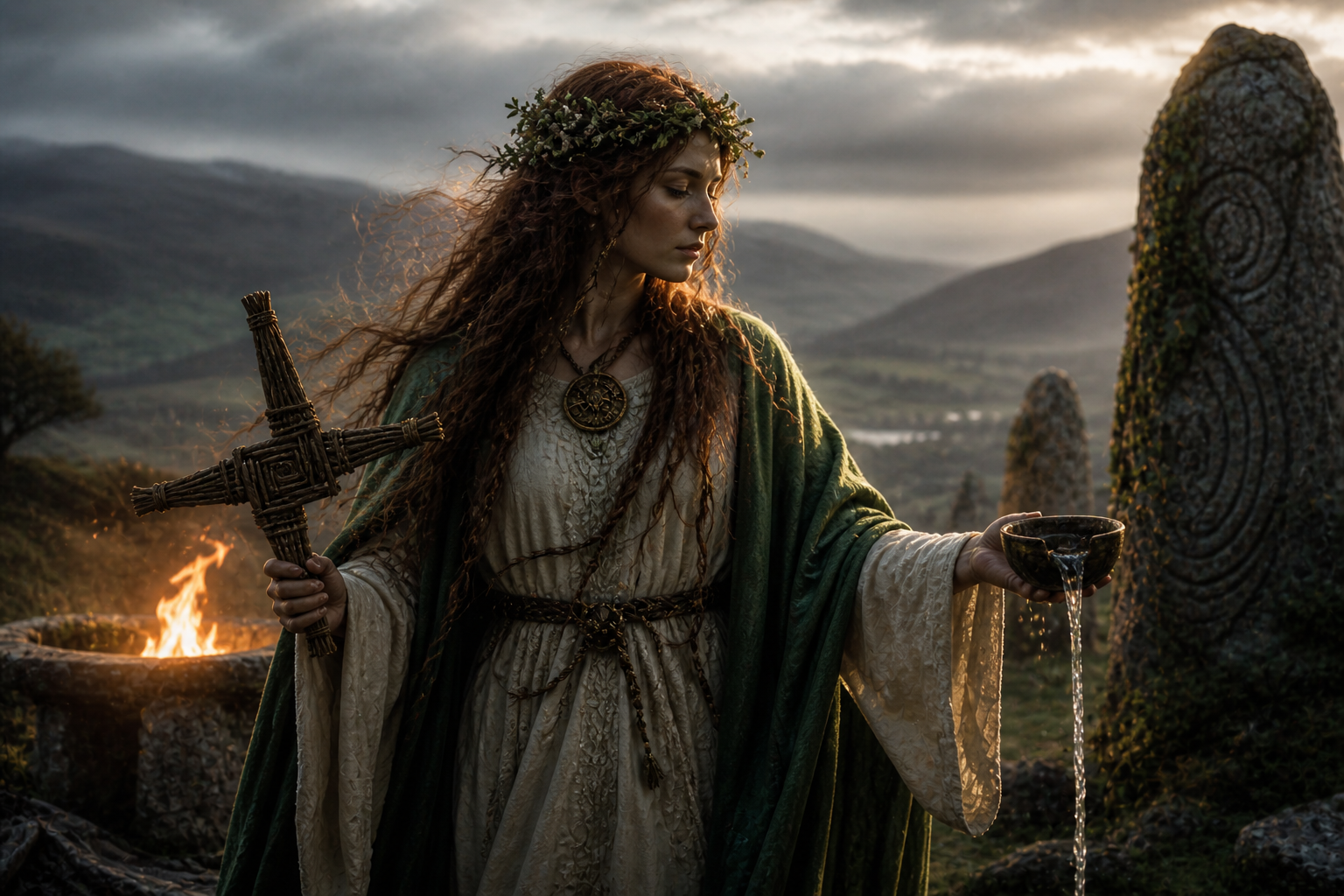
Brigid, Fire & Sacred Flame: The Goddess Who Became a Saint and Never Stopped Being a Goddess
There is a flame in Kildare that has been burning for over a thousand years. A bishop extinguished it in the thirteenth century. The nuns relit it. The Brigidine Sisters relit it again in 1993. Brigid does not extinguish — and her fire, her wells, her crosses, and her mantle are still present in the world for those who know how to find them.
Spirits, Ghosts & the Restless Dead: Who Walks at Samhain
Not everything that walks at Samhain is your grandmother. The veil thins for everyone — the beloved ancestors, the dangerous Aos Sí, the restless Sluagh, and the Wild Hunt riding the sky. Here is who actually walks on the longest night.
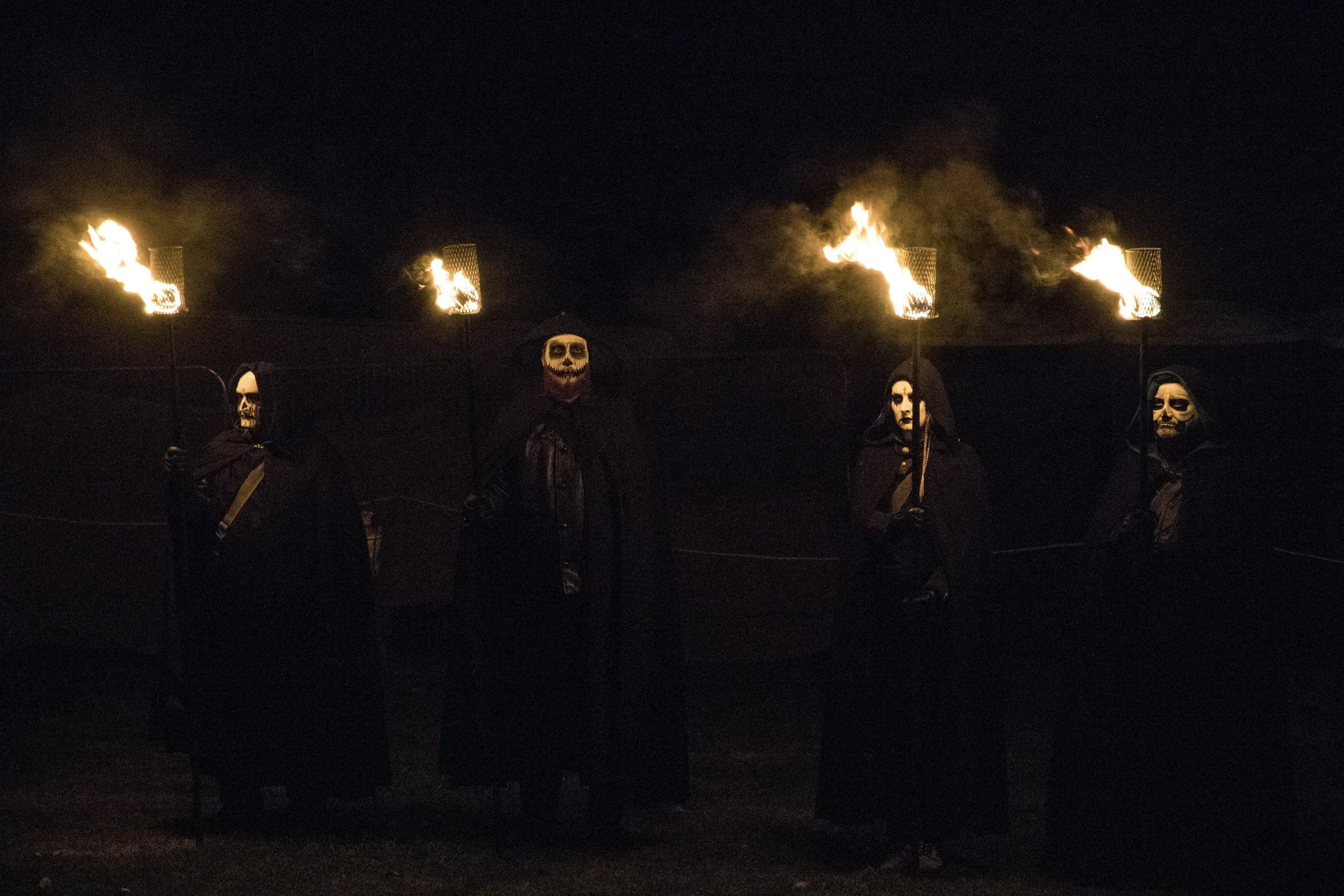
Samhain & the Death Rites: When the Harvest Ended and the Slaughter Began
Before Samhain was a night of spirits, it was a night of the knife. The death rites of the ancient Celts were rooted not in mysticism but in the brutal arithmetic of survival — and in the understanding that death and sustenance were never opposites, but partners.
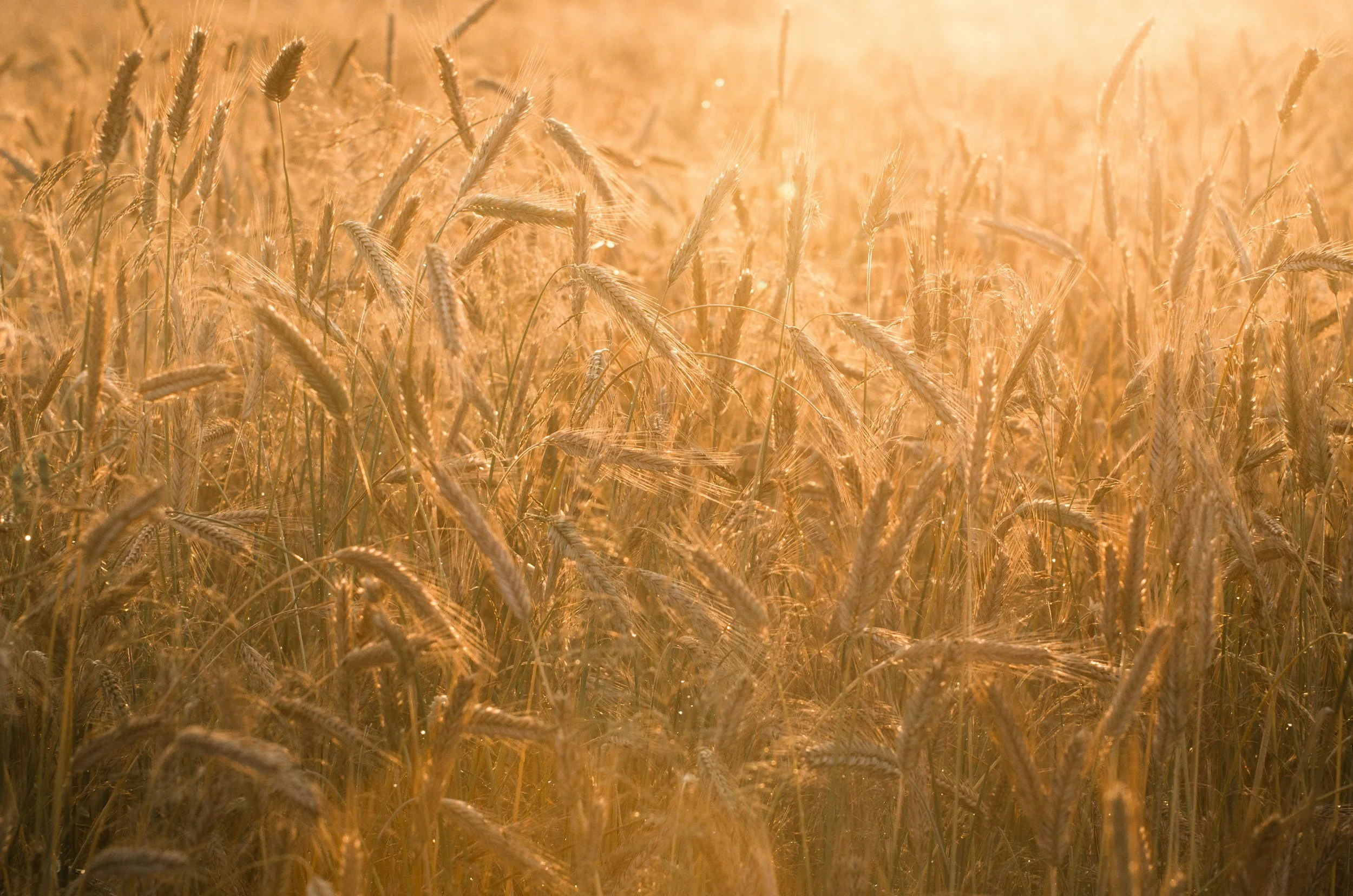
Lughnasadh: First Harvest, Sacred Grain, and the Cost of Abundance
The harvest does not arrive for free. Someone worked the field, someone cut the grain, and long before that — in the oldest mythology of Ireland — someone gave her life to clear the forest so the field could exist at all. Lughnasadh is the Celtic festival that refuses to let abundance be taken for granted. It is a feast, a funeral, and a reckoning — all held in the weight of a single loaf of bread.
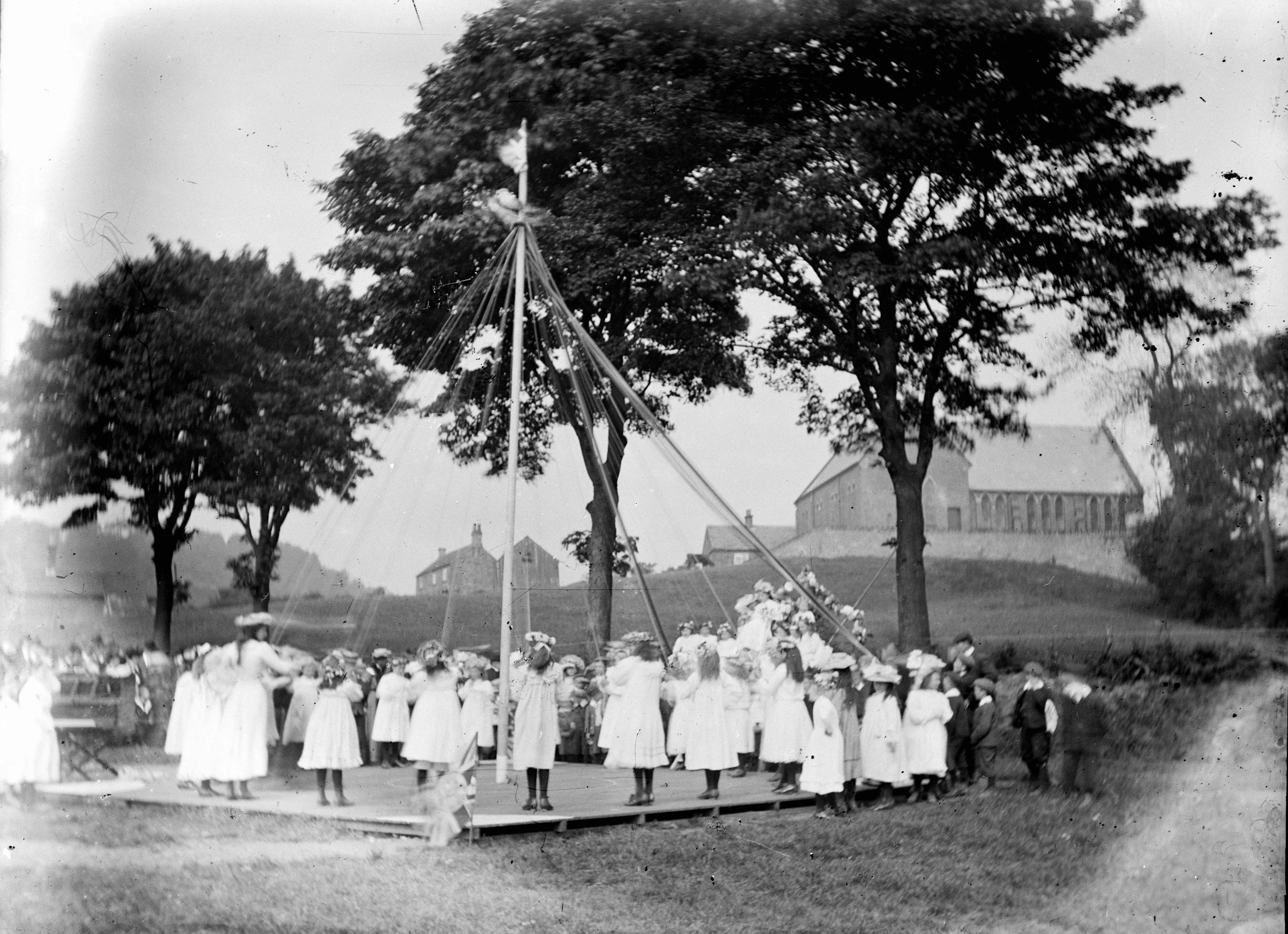
Beltane: The Fire Festival of Desire, Protection, and Power
When the hawthorn blazed white along every hedgerow and the cattle were fat with spring grass, the ancient Celts built their greatest fires and walked between them — into summer, into life, into the half of the year where the light rules. Beltane is not a gentle festival. It is the world declaring itself at full volume, and the ancient invitation to stop observing it and actually enter it.
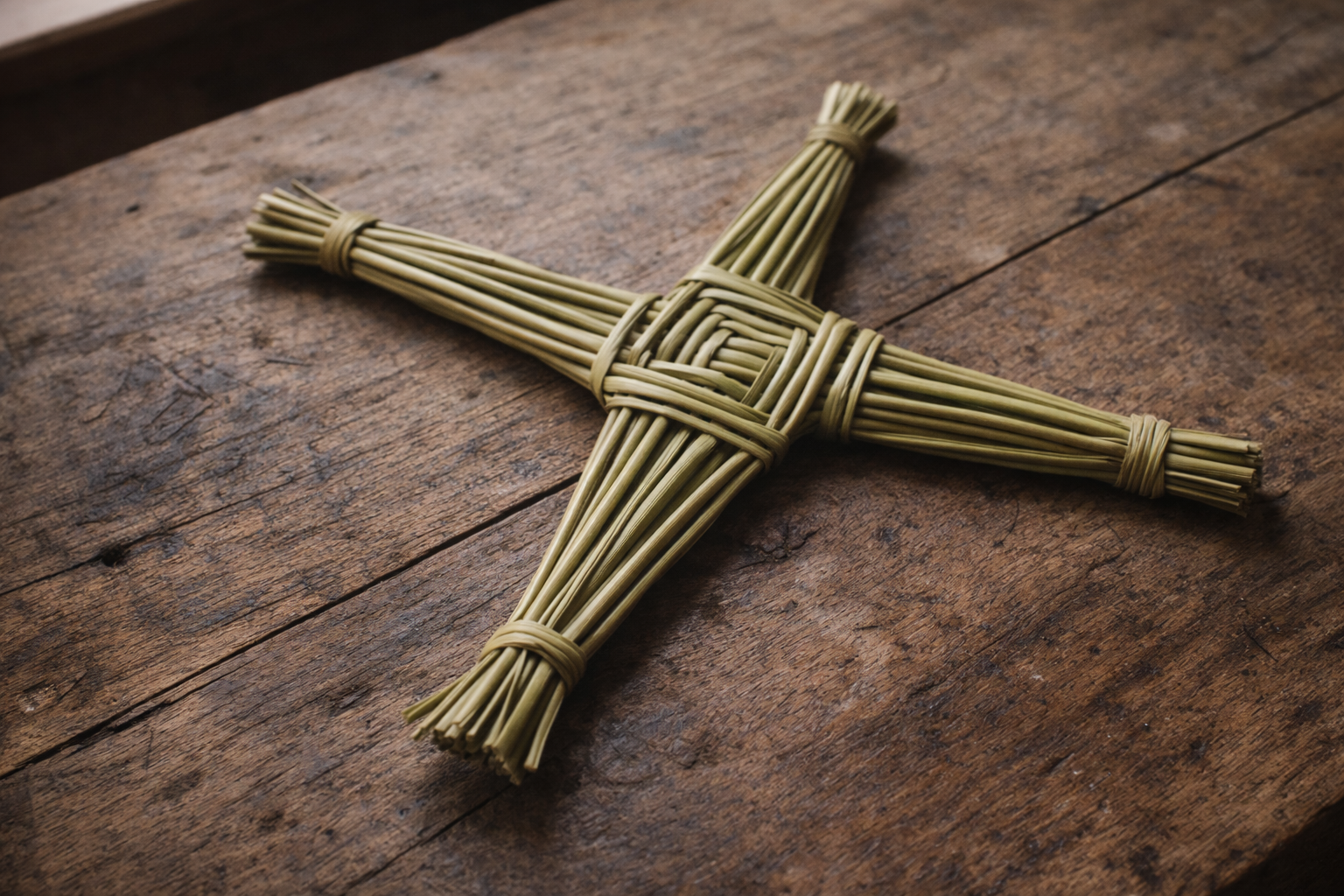
Imbolc: Sacred Flame, Cleansing, and the First Signs of Spring
In the coldest, most colorless weeks of February, something moves beneath the frozen ground. The ancient Celts felt it, named it, and lit candles in every window to call it home. Imbolc is not a festival of grand fires or dramatic darkness — it is something subtler and, in its own way, more astonishing: the first whisper of return, and the courage it takes to believe in spring before spring has arrived.
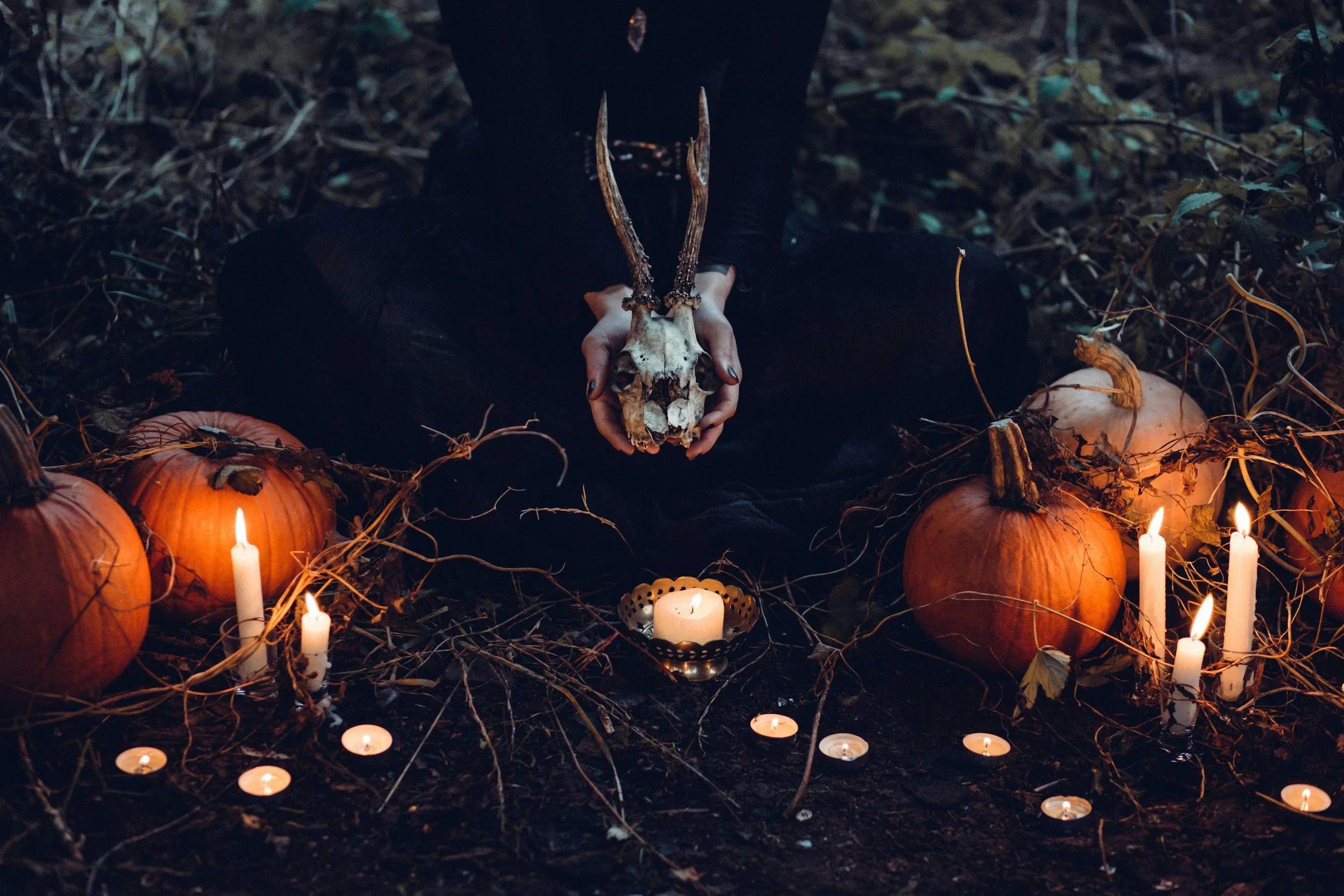
Samhain: The Ancient Feast of Death, Memory, and the Thinning Veil
Long before the carved pumpkins and the candy-bright costumes, there existed a festival so old it pre-dates the written history of the peoples who kept it. At Samhain, the ancient Celts did not merely mark the end of summer — they opened a door. Through it came the dead, the uncanny, and the deep human need to remember who came before.