SEASONAL WHEEL
THE OLD CALENDAR STILL TURNS. FOLLOW THE YEAR AS THE OLD WORLD KEPT IT.
Follow the turning of the year through old festivals, forgotten customs, seasonal folklore, and ritual practice. From first frost to firelit spring, each season carries its own magic—and its own ghosts.
Sacrifice, Gratitude & Seasonal Turning: The Reckoning at the Heart of Abundance
Real gratitude — the kind Lughnasadh requires — demands that you look clearly at what you have received and at what it cost. Both things, simultaneously. The abundance and the price. The feast and the blade. The harvest traditions of the Celtic world were built on this reckoning, and Lughnasadh is the festival that refuses to let abundance be separated from the honest accounting of what produced it.
Mabon: The Autumn Equinox, Harvest Balance, and the Gathering Dark
When day and night stand equal for the second time, the world does not pause to celebrate. It tips — toward the dark, toward the inward, toward everything the year must become before it can begin again. Mabon is the autumn equinox festival of the second harvest: a moment of honest accounting, of gratitude tested by the full weight of the year, and of learning, from the turning trees, how to let go beautifully.
Lughnasadh: First Harvest, Sacred Grain, and the Cost of Abundance
The harvest does not arrive for free. Someone worked the field, someone cut the grain, and long before that — in the oldest mythology of Ireland — someone gave her life to clear the forest so the field could exist at all. Lughnasadh is the Celtic festival that refuses to let abundance be taken for granted. It is a feast, a funeral, and a reckoning — all held in the weight of a single loaf of bread.
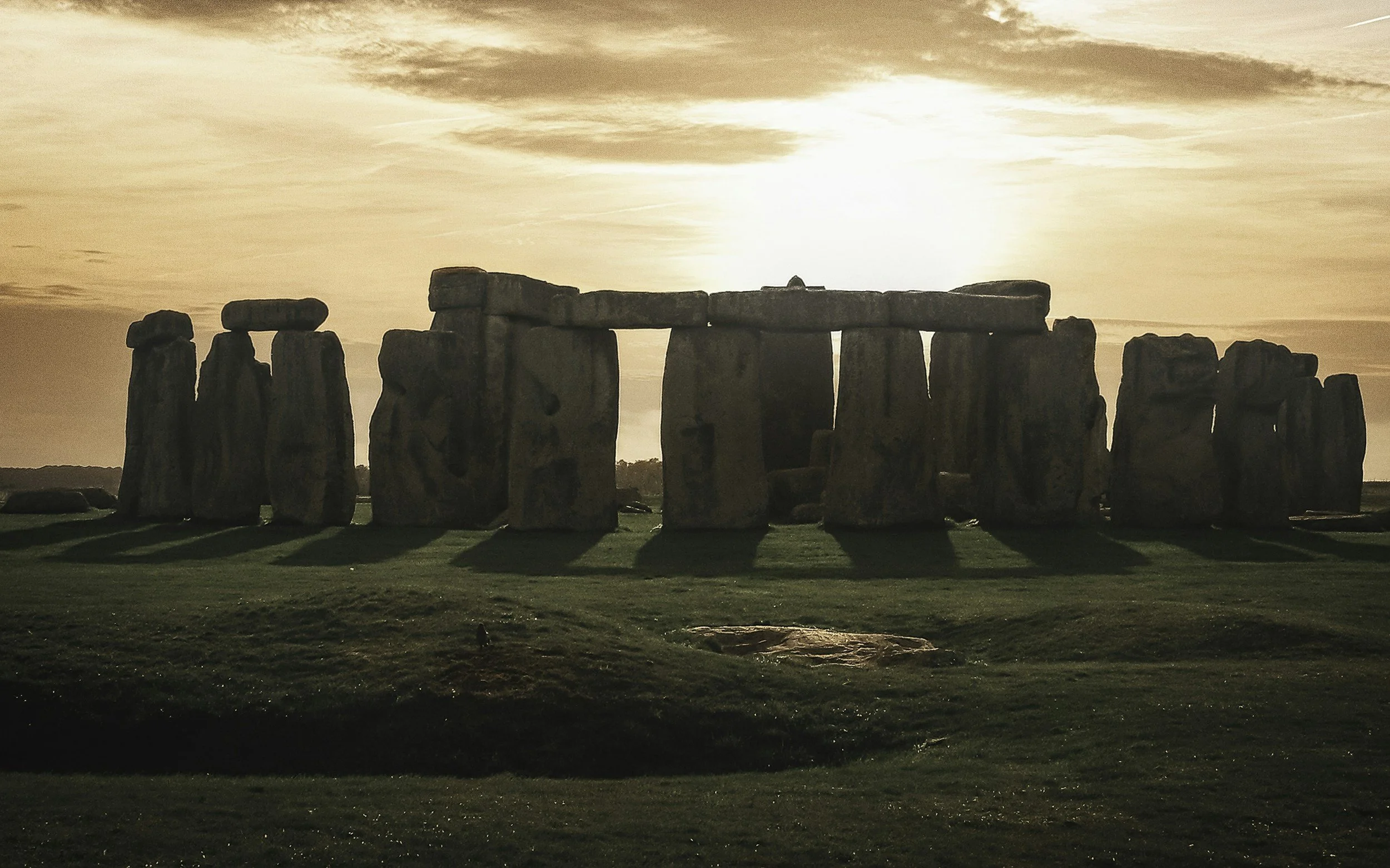
Litha: The Summer Solstice, Sacred Fire, and the Crown of the Sun
On the longest day of the year, the sun hangs at its zenith and refuses to fall. The ancient world built monuments to this moment, lit fires to match its brightness, and gathered at hilltops to watch the dawn strike gold across the oldest stones. Litha is the festival of the sun at its crown — triumphant, radiant, and already, in the very instant of its glory, beginning to turn.
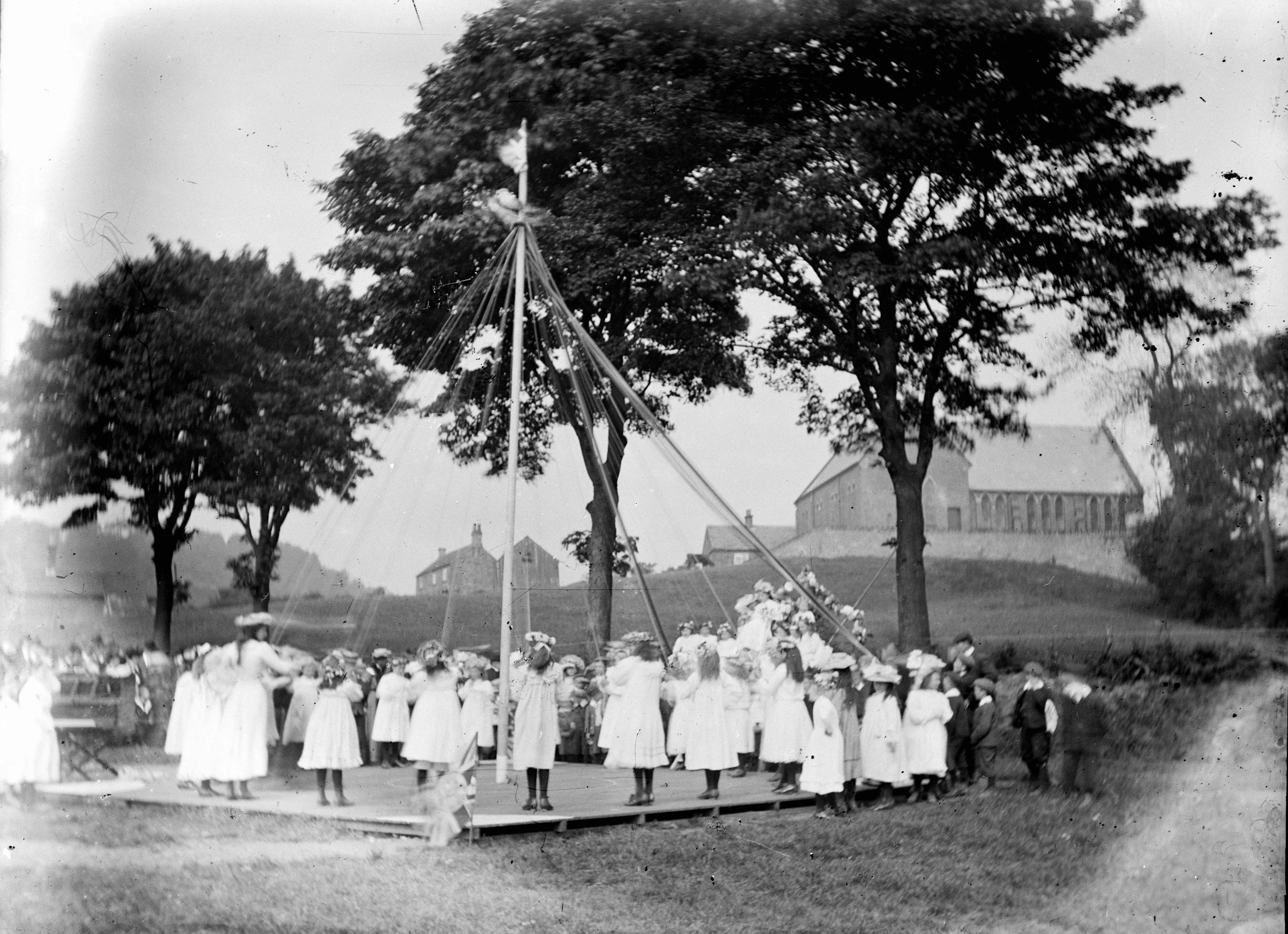
Beltane: The Fire Festival of Desire, Protection, and Power
When the hawthorn blazed white along every hedgerow and the cattle were fat with spring grass, the ancient Celts built their greatest fires and walked between them — into summer, into life, into the half of the year where the light rules. Beltane is not a gentle festival. It is the world declaring itself at full volume, and the ancient invitation to stop observing it and actually enter it.
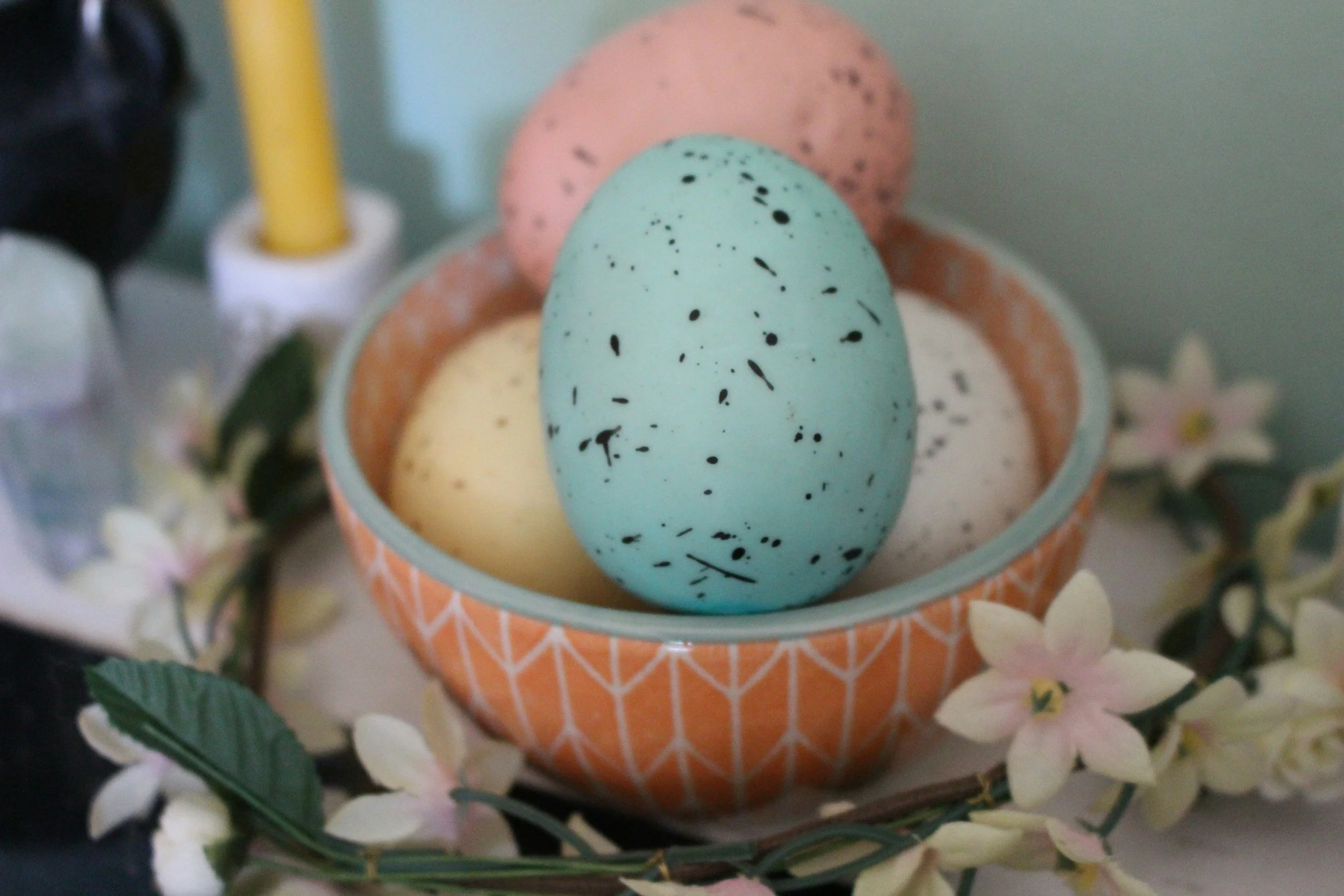
Ostara: Spring Equinox, Fertility Symbols, and the Return of Balance
Twice a year, for one precise and fleeting moment, the world holds itself in perfect balance — day and night equal, light and dark neither winning nor losing. The ancients built monuments to this moment. They decorated eggs, watched the hare run wild in the March fields, and planted seeds into ground they trusted would warm. Ostara is the festival of the world making its great decision: to begin again.
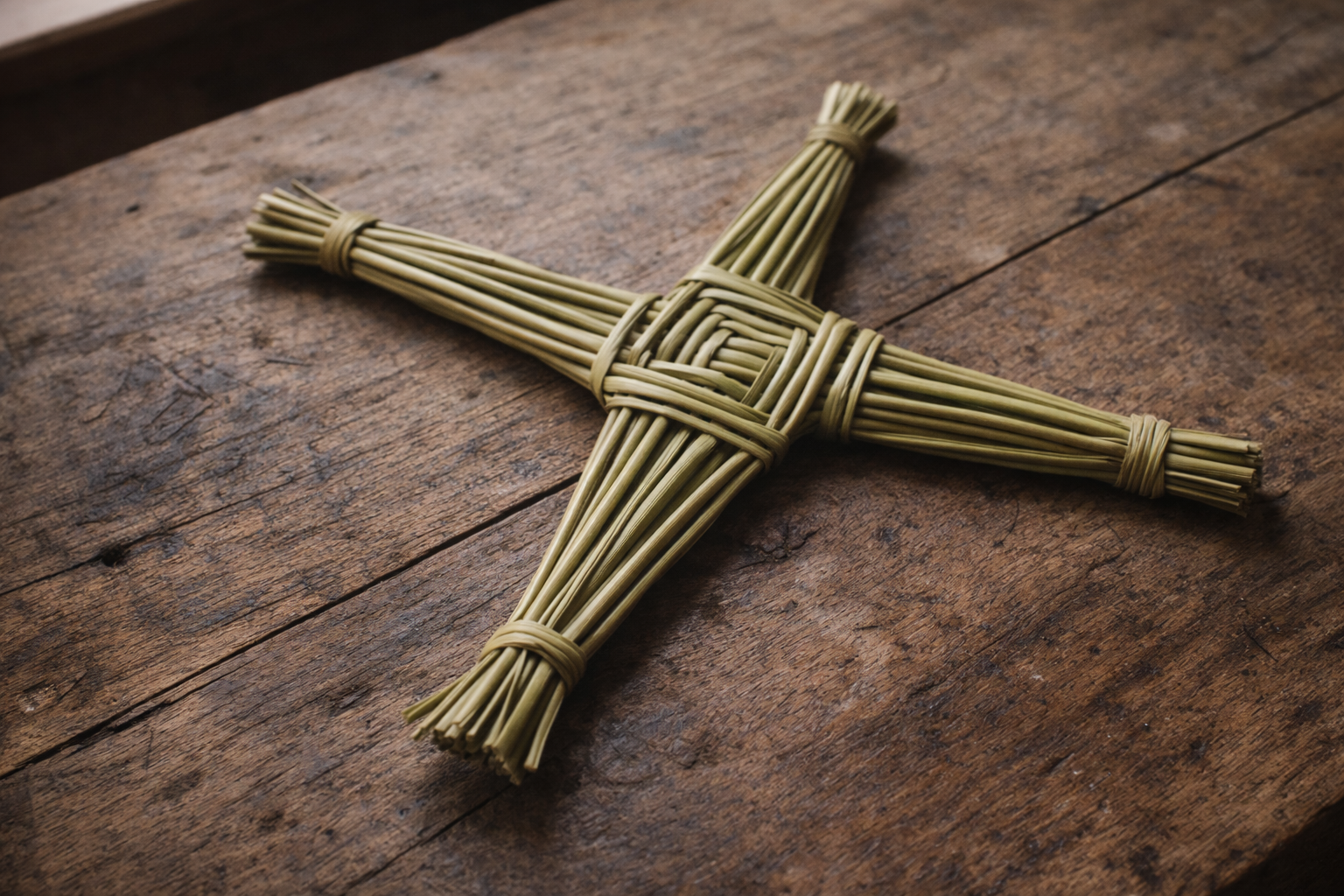
Imbolc: Sacred Flame, Cleansing, and the First Signs of Spring
In the coldest, most colorless weeks of February, something moves beneath the frozen ground. The ancient Celts felt it, named it, and lit candles in every window to call it home. Imbolc is not a festival of grand fires or dramatic darkness — it is something subtler and, in its own way, more astonishing: the first whisper of return, and the courage it takes to believe in spring before spring has arrived.