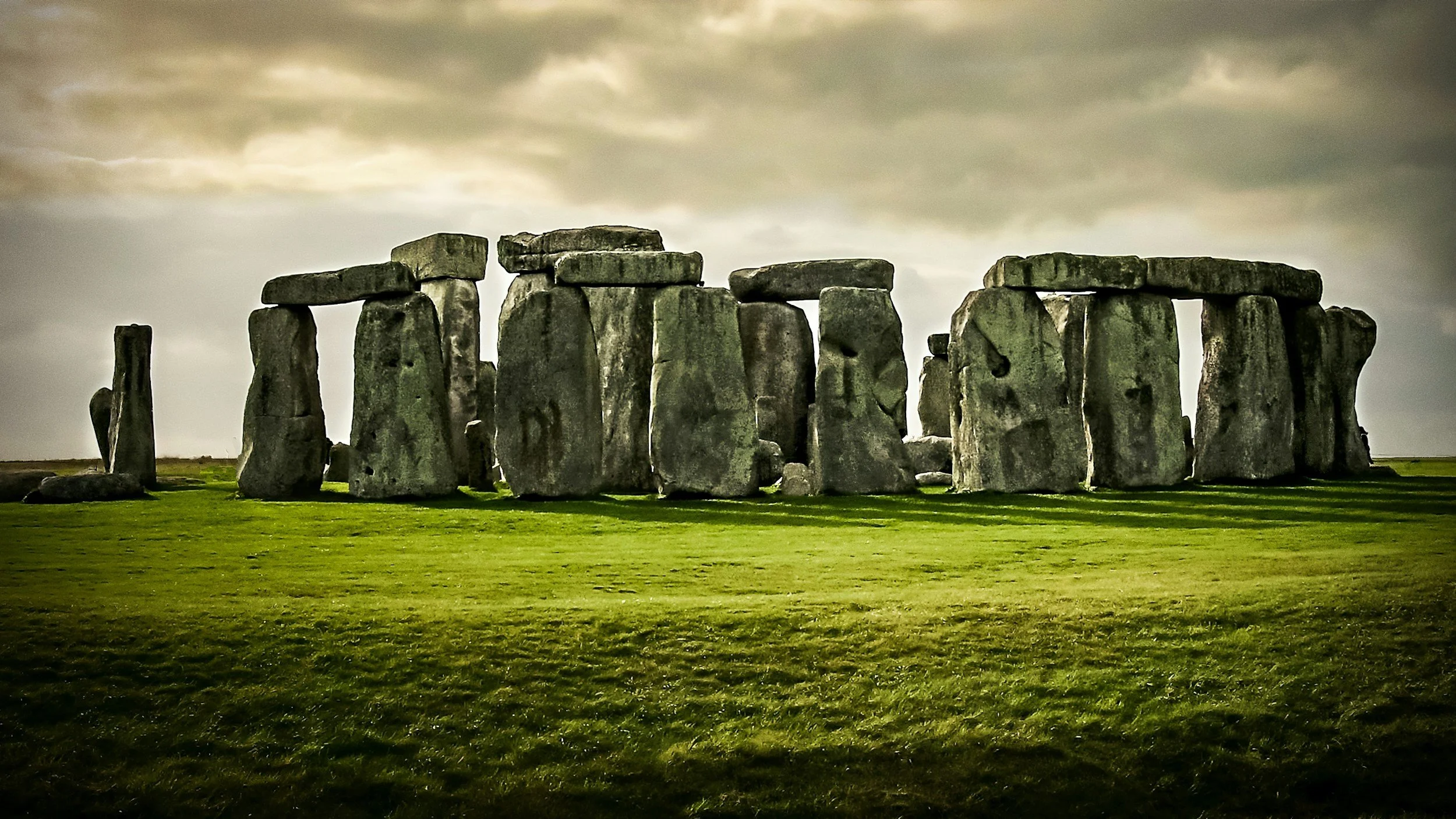
Celtic Pantheon (Druid)
Less a rigid hierarchy and more a shifting landscape of power, the Celtic gods are tied to land, sovereignty, and the Otherworld. They appear in mist, river, and battlefield, often blurring the line between deity, ancestor, and mythic hero. Fragmented through time, they endure through story.
Deities
🜃 The Dagda
Domain: Abundance, fertility, authority, magic
Symbols: Cauldron of plenty, massive club, harp
Key Associations: Leadership of the Tuatha Dé Danann
The Dagda is a father-figure deity and leader among the Tuatha Dé Danann. His club can both kill and restore life, and his cauldron never runs empty, symbolizing abundance and power.
🜃 The Morrígan
Domain: War, fate, sovereignty
Symbols: Crow or raven, battlefield imagery
Key Associations: Prophecy, kingship
The Morrígan is a complex goddess (sometimes a trio) associated with battle and foretelling death. She appears before conflicts to influence or predict outcomes and is closely tied to the land’s sovereignty.
🜃 Lugh
Domain: Skill, craftsmanship, kingship, light
Symbols: Spear, sling, radiant imagery
Key Associations: Many-talented deity (“Samildánach”)
Lugh is a master of many arts—warrior, craftsman, poet, king. He plays a central role in the battle of Mag Tuired and is associated with the festival of Lughnasadh.
🜃 Brigid
Domain: Fire, poetry, healing, smithcraft
Symbols: Flame, well, cross (later Christian syncretism)
Key Associations: Inspiration and continuity
Brigid is associated with sacred fire and creative inspiration. She later becomes intertwined with Saint Brigid in Christian Ireland.
🜃 Cernunnos
Domain: Nature, animals, prosperity (interpretative)
Symbols: Antlers, torc, seated cross-legged posture
Key Associations: Gaulish iconography
Known primarily from continental inscriptions and carvings, Cernunnos appears as a horned figure associated with animals and wealth.
🜃 Danu
Domain: Ancestral mother figure (interpretative)
Symbols: River, fertility
Key Associations: Tuatha Dé Danann
Danu is often regarded as a mother goddess linked to the divine tribe known as the Tuatha Dé Danann, though historical evidence is limited.
🜃 Nuada
Domain: Kingship, leadership
Symbols: Silver arm
Key Associations: Restoration
Nuada loses his arm in battle and is replaced as king until it is restored with a silver prosthetic, symbolizing wholeness and legitimacy.
🜃 Aengus (Óengus)
Domain: Love, youth, poetic inspiration
Symbols: Swans, birds
Key Associations: Dream-vision myth
Aengus is associated with beauty and romance, especially in the story of his dream-lover Caer.
🜃 Manannán mac Lir
Domain: Sea, Otherworld, protection
Symbols: Cloak of invisibility, boat
Key Associations: Liminal travel
Manannán governs the sea and acts as a guide between worlds.
🜃 Epona (Gaulish)
Domain: Horses, fertility, protection
Symbols: Horse imagery
Key Associations: Continental Celtic worship
Epona is a widely attested Gaulish goddess associated with horses and protection, adopted even into Roman worship.
🜃 Rhiannon
Domain: Sovereignty, horses, Otherworld
Symbols: White horse
Key Associations: Trial and endurance
Rhiannon appears in the Mabinogi as a powerful, enigmatic woman tied to kingship and the Otherworld.
🜃 Arawn
Domain: Otherworld rulership
Symbols: Hunting imagery
Key Associations: Annwn
Arawn is the ruler of Annwn (the Welsh Otherworld) and appears in early medieval Welsh literature.
🜃 Cerridwen
Domain: Transformation, inspiration
Symbols: Cauldron
Key Associations: Knowledge
Cerridwen is associated with a magical cauldron of inspiration and transformation.
Creatures
🜃 The Banshee (Bean Sí)
Type: Death-omen spirit
Domain: Foretelling death
Symbols: Wailing cry, long hair, white or grey garments
Key Associations: Ancestral families
The Banshee is a female spirit who keens before the death of a member of certain Irish families. She does not cause death but warns of it.
🜃 The Púca (Pooka)
Type: Shapeshifting spirit
Domain: Mischief, wild places
Symbols: Black horse, goat, glowing eyes
Key Associations: Liminal encounters
The Púca is a trickster spirit capable of taking many forms, often appearing at night. It may bring mischief, warning, or unexpected fortune.
🜃 The Kelpie
Type: Water spirit
Domain: Rivers and lochs
Symbols: Black horse emerging from water
Key Associations: Drowning hazard
The Kelpie lures travelers onto its back before plunging into water. It is most strongly associated with Scottish folklore.
🜃 The Selkie
Type: Shape-shifting seal-being
Domain: Sea and shore
Symbols: Seal skin
Key Associations: Transformation
Selkies can shed their seal skins to become human. Many stories involve stolen skins and reluctant marriages.
🜃 The Dullahan
Type: Headless rider
Domain: Death omen
Symbols: Severed head, black horse
Key Associations: Fatal summons
The Dullahan rides at night and calls out a person’s name, signaling impending death.
🜃 The Sluagh
Type: Host of restless spirits
Domain: The air and night sky
Symbols: Flock-like movement
Key Associations: Unquiet dead
The Sluagh are said to be spirits of the unforgiven dead who travel in groups and may harm the living.
🜃 The Each-Uisge
Type: Water horse
Domain: Freshwater
Symbols: Horse with adhesive skin
Key Associations: Devouring monster
Similar to the Kelpie but more violent, this creature consumes those it captures.
🜃 The Oilliphéist
Type: Serpent or dragon-like monster
Domain: Lakes and rivers
Symbols: Giant serpent
Key Associations: Heroic confrontation
The Oilliphéist appears in Irish tales as a monstrous water creature defeated by heroes.
🜃 The Abhartach
Type: Undead figure (sometimes linked to early vampire lore)
Domain: Burial mound
Symbols: Blood-drinking revenant
Key Associations: Recurring resurrection
In Irish legend, the Abhartach rises repeatedly from the grave until properly subdued.
🜃 The Cat Sìth
Type: Supernatural feline
Domain: Highlands (Scottish folklore)
Symbols: Black cat with white chest spot
Key Associations: Soul-stealing belief
The Cat Sìth was believed to steal souls before burial rites were completed.
🜃 The Fomorians
Type: Monstrous or chaotic race
Domain: Primordial opposition
Symbols: Deformity, sea imagery
Key Associations: Conflict with Tuatha Dé Danann
The Fomorians represent destructive or chaotic forces and serve as adversaries in early Irish myth.
🜃 The Cu Sith
Type: Fairy hound
Domain: Highlands
Symbols: Large green hound
Key Associations: Death omen
A massive supernatural dog whose howl was believed to foretell death.
Recently Written
Druidry – A Revival of Celtic Priesthood and Ancestral Wisdom
Celtic Reconstructionism – Rooted in Lore, Ritual, and Cosmology
10 Powerful Gods and Goddesses to Invoke for Spiritual Growth
Hecate in Celtic Traditions: The Witch-Goddess of the Crossroads
Severus: The Shadowed Guardian of the Dead and the Underworld
Before Halloween was born, there was Samhain—the Celtic night when the veil between worlds thinned and the year itself died to be reborn. Bonfires blazed, ancestors returned, and gods met in the shadows. It wasn’t fear they honored, but the sacred dance between endings and beginnings.