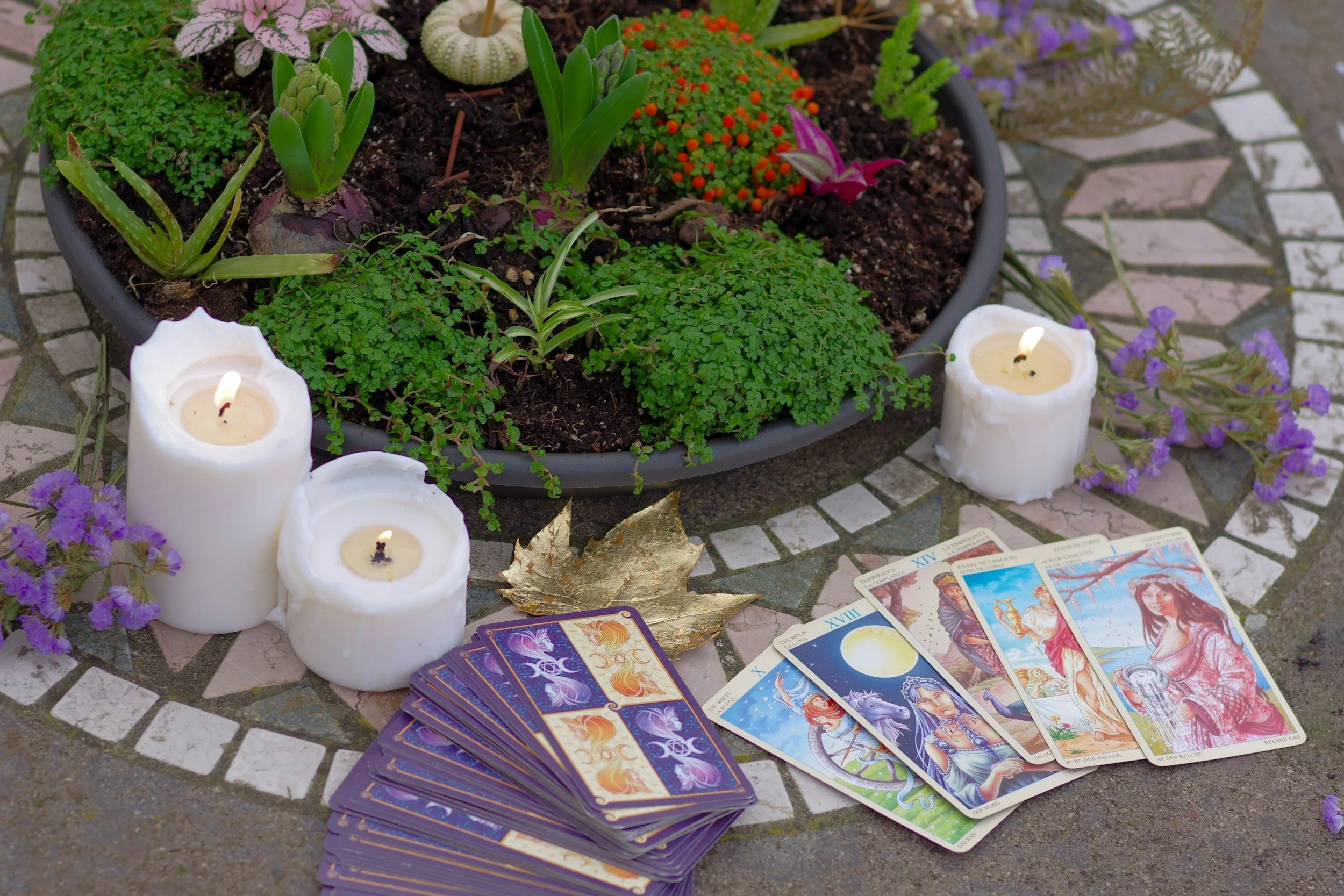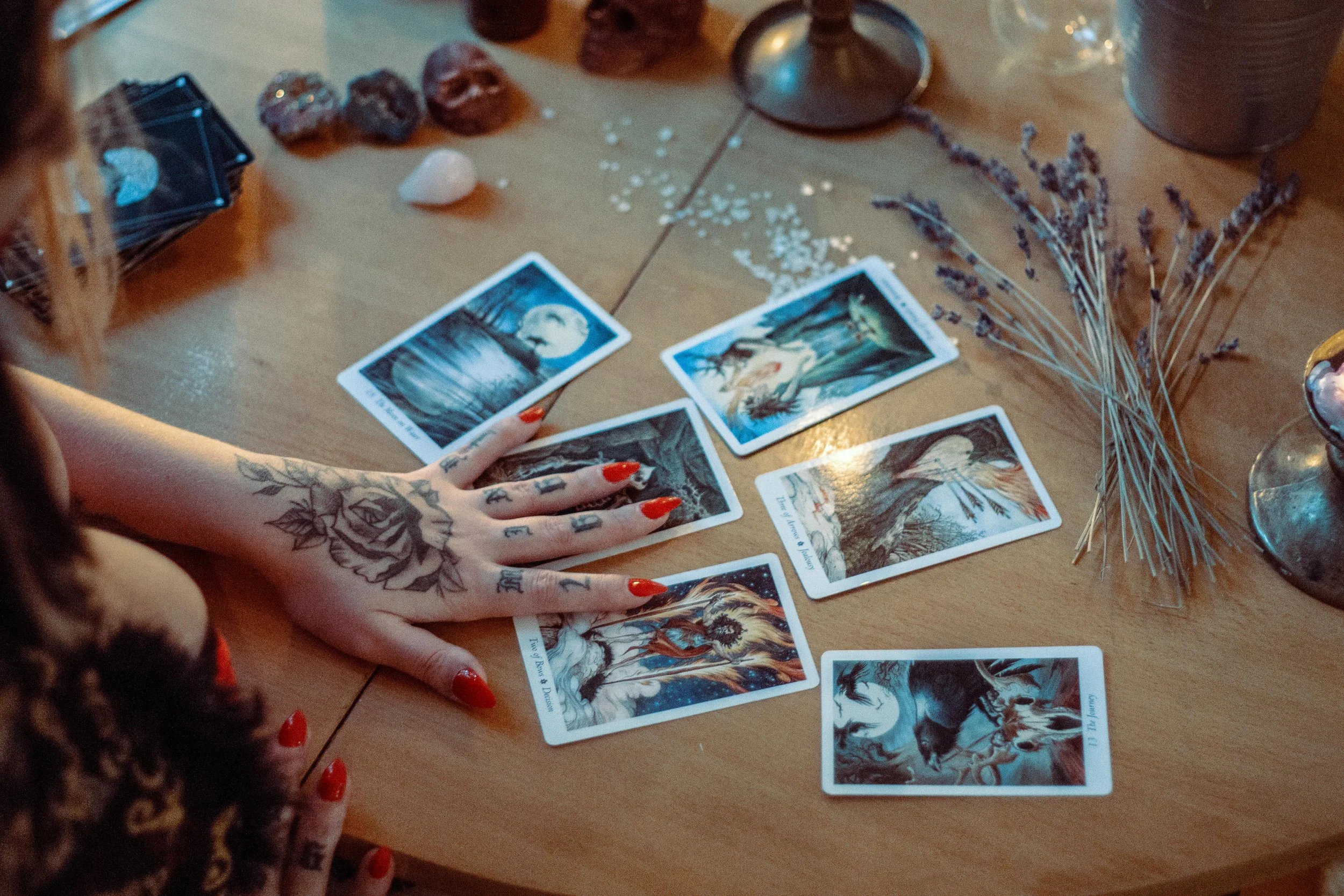
Tarot, Scrying and Palmistry

Not every mirror tells the truth. Some surfaces shimmer with promise β€” a painted card, a silvered bowl of water, the soft map of a palm held open beneath candlelight. Yet each of these tools has unsettled kings, comforted widows, guided pilgrims, and deceived the overconfident. Divination is not fortune-telling in a carnival tent; it is a conversation with pattern. With symbol. With the quiet machinery of intuition that hums beneath language.

These are instruments of perception β€” neither sacred nor sinister on their own. They respond to the discipline, discernment, and psychological honesty of the one who wields them. Study them with curiosity. Practice them with grounding. Interpret them with humility.


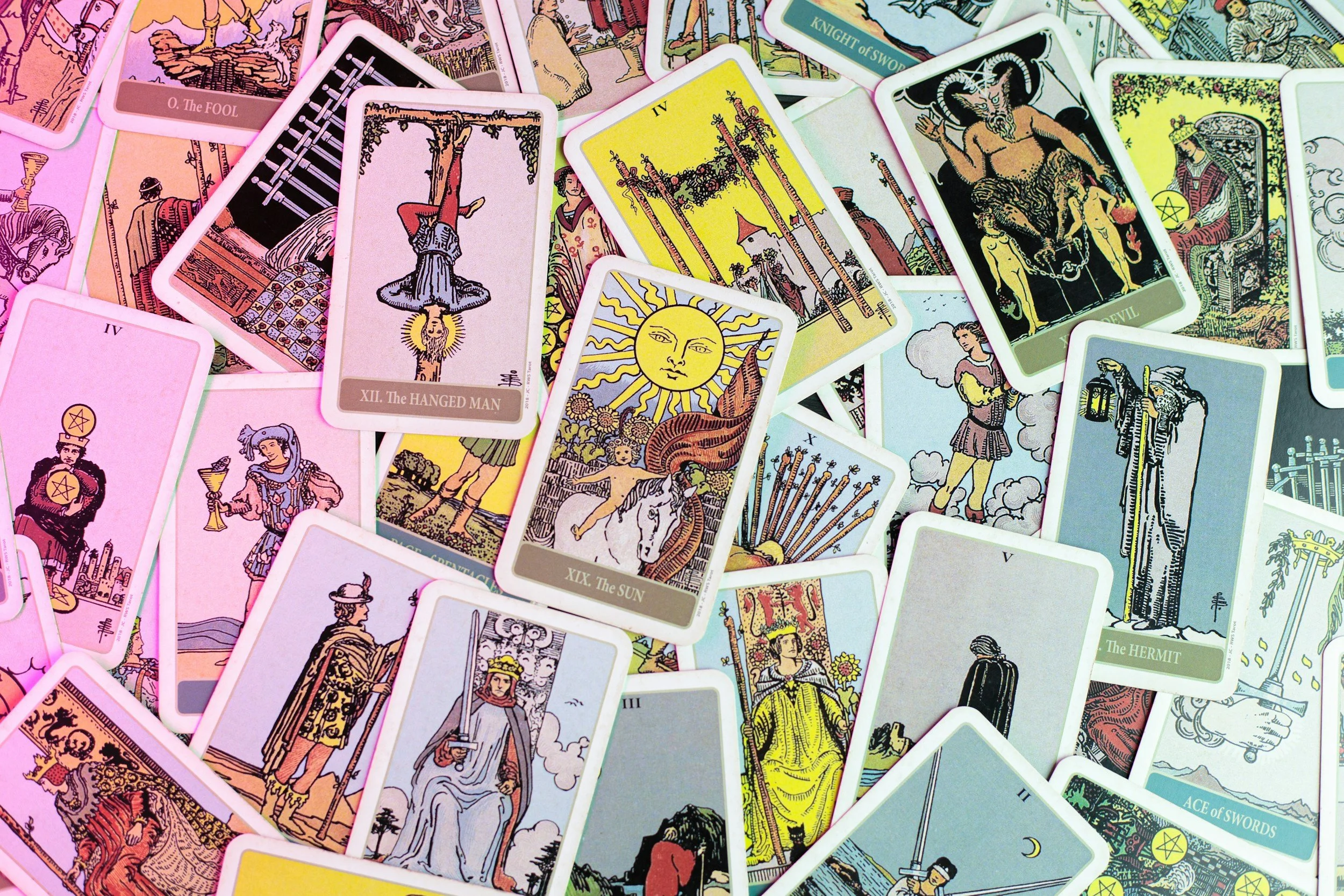
πŸœ‚ The Major Arcana

The great archetypes β€” forces larger than personality, chapters that mark turning points.

0 β€” The Fool
Beginnings, innocence, risk. The leap before certainty.

I β€” The Magician
Will, skill, manifestation. Power directed with intention.

II β€” The High Priestess
Intuition, mystery, hidden knowledge. What is known but unspoken.

III β€” The Empress
Fertility, creation, abundance. The lush force of growth.

IV β€” The Emperor
Structure, authority, stability. Order imposed on chaos.

V β€” The Hierophant
Tradition, teaching, orthodoxy. Wisdom passed through institutions.

VI β€” The Lovers
Union, choice, alignment of values. Heart and consequence entwined.

VII β€” The Chariot
Determination, movement, control. Victory through discipline.

VIII β€” Strength
Inner courage, compassion, restraint. Power softened, not suppressed.

IX β€” The Hermit
Solitude, reflection, guidance from within.

X β€” Wheel of Fortune
Cycles, fate, change beyond control. The turning of circumstance.

XI β€” Justice
Balance, truth, consequence. The scales do not forget.

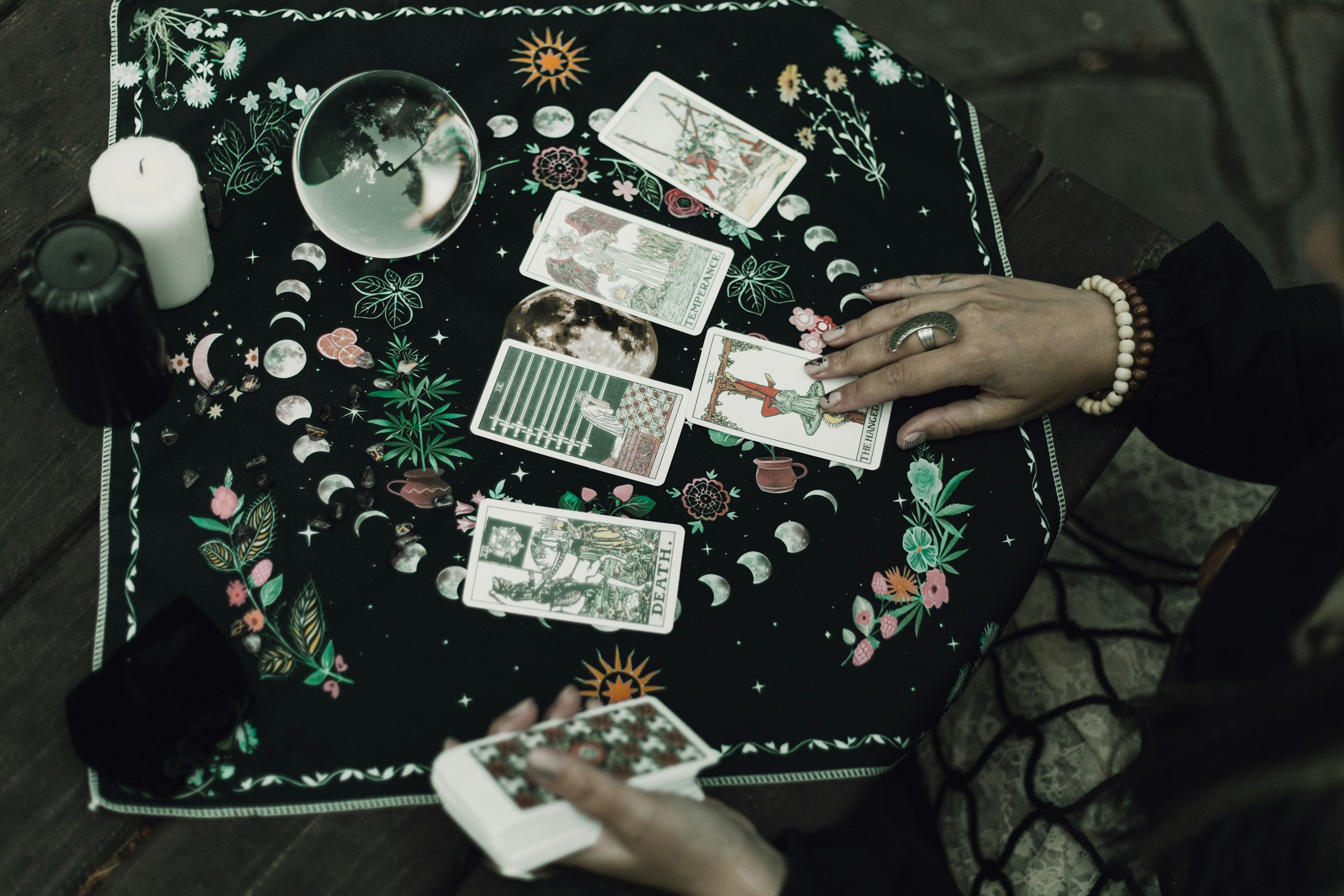
XII β€” The Hanged Man
Suspension, surrender, altered perspective. Insight through pause.

XIII β€” Death
Transformation, endings, rebirth. What must fall away.

XIV β€” Temperance
Moderation, harmony, integration. Opposites blended carefully.

XV β€” The Devil
Attachment, illusion, bondage. The chains we agree to wear.

XVI β€” The Tower
Sudden upheaval, revelation, collapse of false foundations.

XVII β€” The Star
Hope, renewal, spiritual clarity. Light after ruin.

XVIII β€” The Moon
Illusion, dreams, the subconscious. Fear and intuition entwined.

XIX β€” The Sun
Vitality, joy, illumination. Truth in full daylight.

XX β€” Judgement
Awakening, reckoning, resurrection of purpose.

XXI β€” The World
Completion, wholeness, integration. The cycle fulfilled.

🜁 The Minor Arcana

The everyday theater of life β€” relationships, work, emotion, thought.

Wands (Fire β€” Passion, Action, Will)

Ace of Wands β€” Spark of inspiration.
Two of Wands β€” Planning, future direction.
Three of Wands β€” Expansion, progress underway.
Four of Wands β€” Celebration, stability.
Five of Wands β€” Conflict, competition.
Six of Wands β€” Recognition, victory.
Seven of Wands β€” Defense, standing ground.
Eight of Wands β€” Swift movement, messages.
Nine of Wands β€” Persistence, resilience.
Ten of Wands β€” Burden, overwhelm.

Page of Wands β€” Curious explorer of new ideas.
Knight of Wands β€” Bold, impulsive action.
Queen of Wands β€” Charismatic confidence.
King of Wands β€” Visionary leadership.

Cups (Water β€” Emotion, Intuition, Relationships)

Ace of Cups β€” Emotional beginning, love.
Two of Cups β€” Partnership, harmony.
Three of Cups β€” Friendship, celebration.
Four of Cups β€” Apathy, contemplation.
Five of Cups β€” Grief, regret.
Six of Cups β€” Nostalgia, memory.
Seven of Cups β€” Illusion, choices.
Eight of Cups β€” Walking away.
Nine of Cups β€” Satisfaction, wish fulfilled.
Ten of Cups β€” Emotional fulfillment, harmony.

Page of Cups β€” Sensitivity, new feelings.
Knight of Cups β€” Romantic pursuit.
Queen of Cups β€” Empathy, intuition.
King of Cups β€” Emotional mastery.

Swords (Air β€” Thought, Conflict, Truth)

Ace of Swords β€” Clarity, decisive truth.
Two of Swords β€” Avoidance, stalemate.
Three of Swords β€” Heartbreak, sorrow.
Four of Swords β€” Rest, recovery.
Five of Swords β€” Hollow victory, tension.
Six of Swords β€” Transition, moving on.
Seven of Swords β€” Deception, strategy.
Eight of Swords β€” Restriction, mental entrapment.
Nine of Swords β€” Anxiety, fear.
Ten of Swords β€” Painful ending.

Page of Swords β€” Curiosity, watchfulness.
Knight of Swords β€” Swift, forceful action.
Queen of Swords β€” Sharp intellect, honesty.
King of Swords β€” Authority of reason.

Pentacles (Earth β€” Material World, Work, Body)

Ace of Pentacles β€” New opportunity, prosperity.
Two of Pentacles β€” Balance, juggling priorities.
Three of Pentacles β€” Collaboration, skill-building.
Four of Pentacles β€” Control, holding tight.
Five of Pentacles β€” Hardship, isolation.
Six of Pentacles β€” Generosity, exchange.
Seven of Pentacles β€” Patience, evaluation.
Eight of Pentacles β€” Diligence, mastery.
Nine of Pentacles β€” Independence, self-sufficiency.
Ten of Pentacles β€” Legacy, stability.

Page of Pentacles β€” Student of opportunity.
Knight of Pentacles β€” Steady persistence.
Queen of Pentacles β€” Nurturing practicality.
King of Pentacles β€” Financial stability, grounded leadership.

Scrying is the art of letting the surface soften.

You are not forcing visions from stone or smoke. You are quieting the mind until pattern rises of its own accord. The object itself is rarely magical. It is reflective, receptive, liminal. A doorway made from something ordinary.

Below are the most enduring tools of the craft β€” each with its own temperament.

* * * * *

πŸœ„ Mirrors & Dark Surfaces

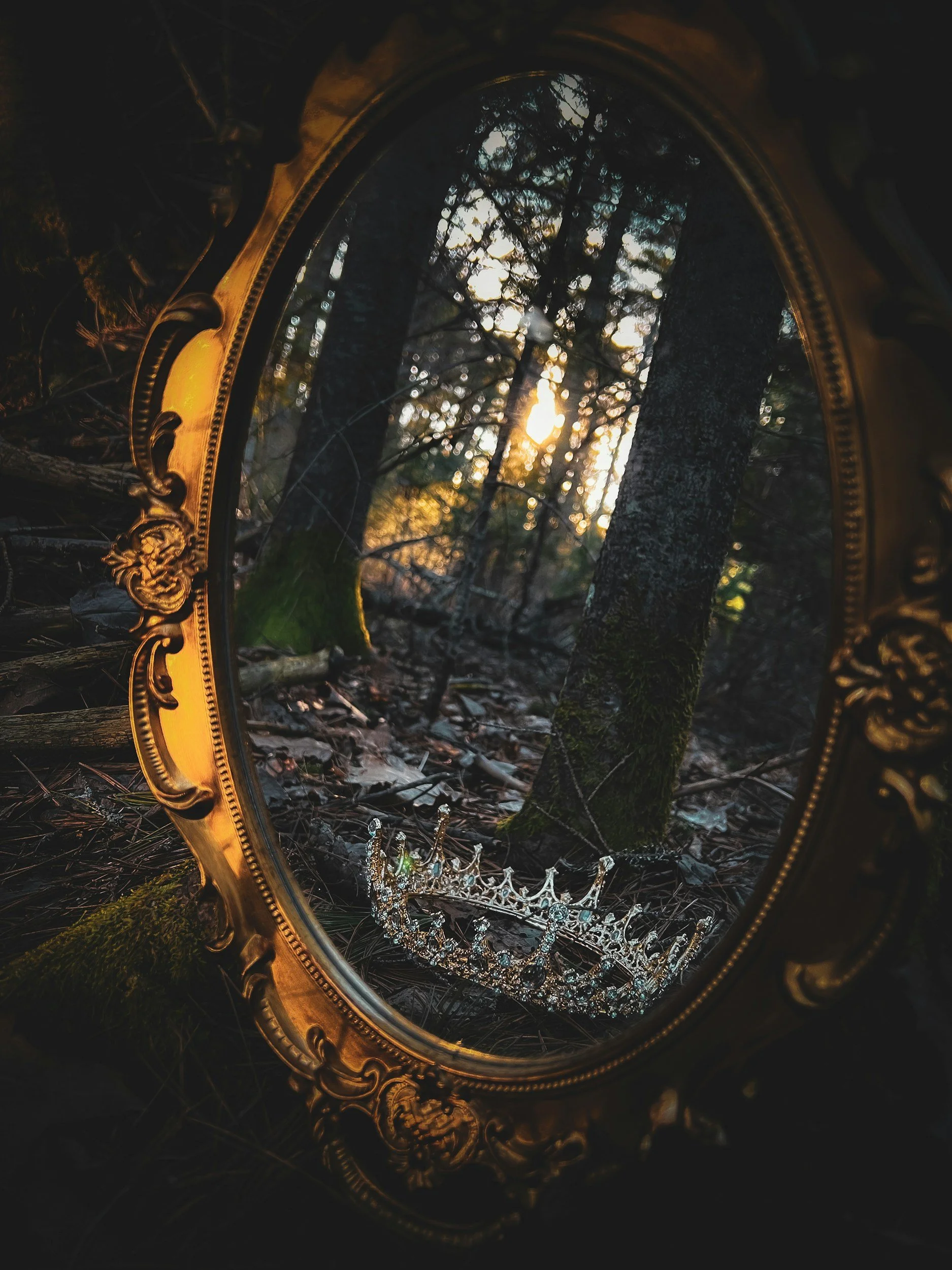
Black Mirror

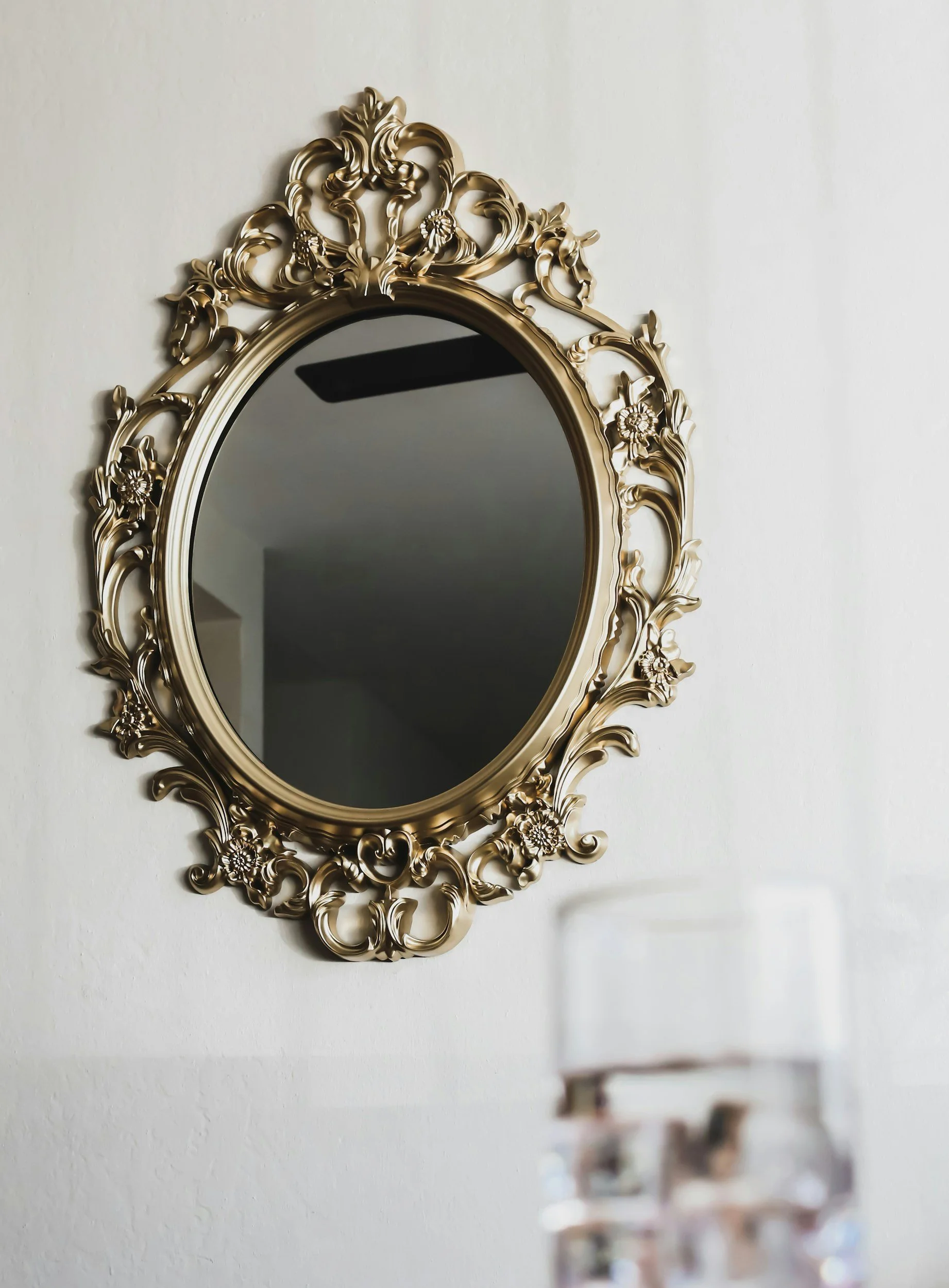
A polished, darkened glass surface used to encourage inward vision. The darkness reduces distraction and invites the mind to project symbols from the subconscious. Historically associated with spirit communication and ceremonial magic, but just as effective for contemplative trance work.

Obsidian Mirror

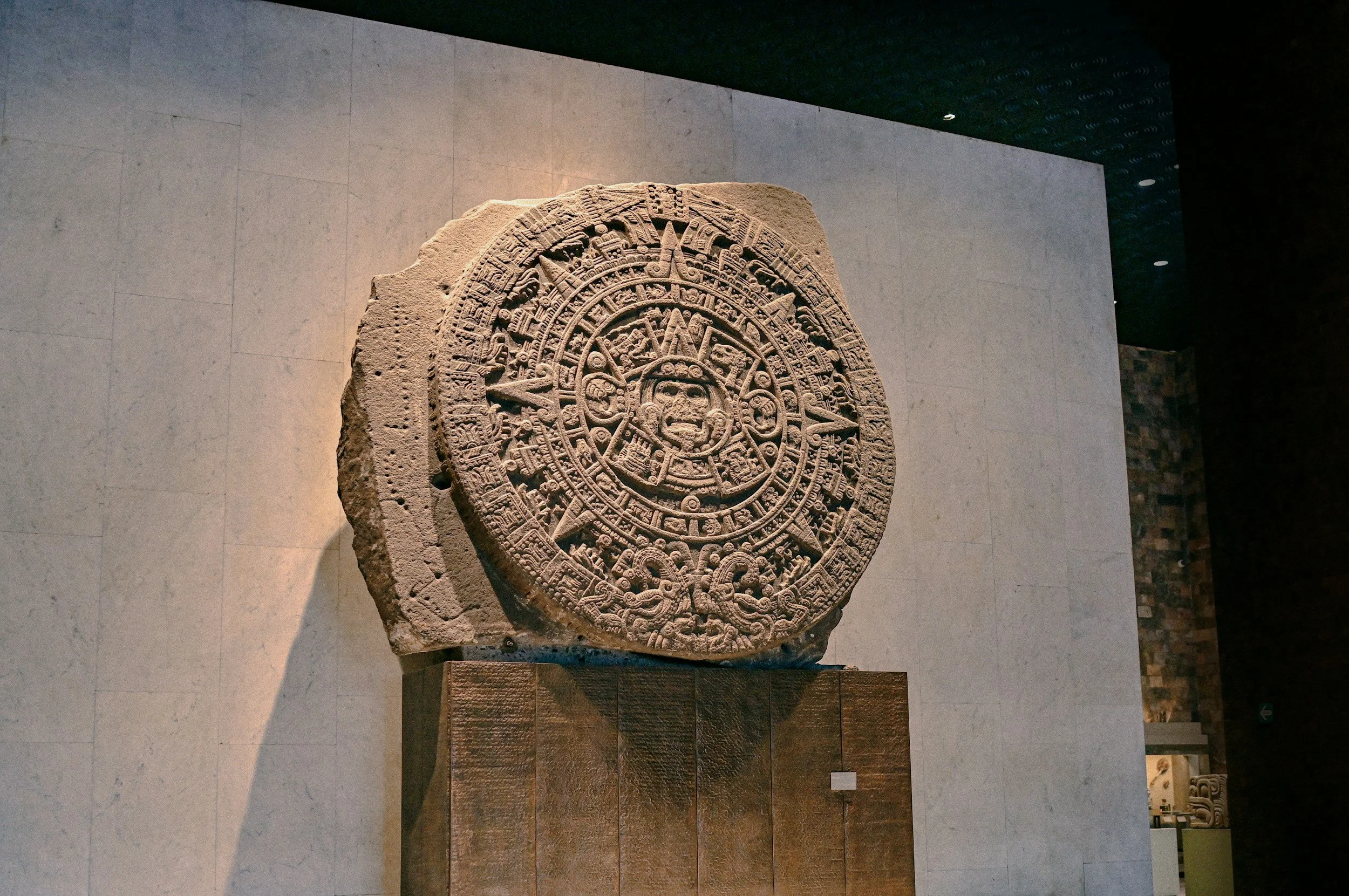
Volcanic glass, naturally black and reflective. Famously used in Mesoamerican ritual contexts, especially within Aztec priestly practice. It carries a more primal, earthy feel than manufactured glass β€” like gazing into cooled lava.

Polished Metal (Bronze or Steel)

One of the oldest forms of mirror divination. Before silvered glass, reflective metal served as a portal for ritual gazing. The image is imperfect, slightly distorted β€” which can encourage symbolic interpretation rather than literal vision.

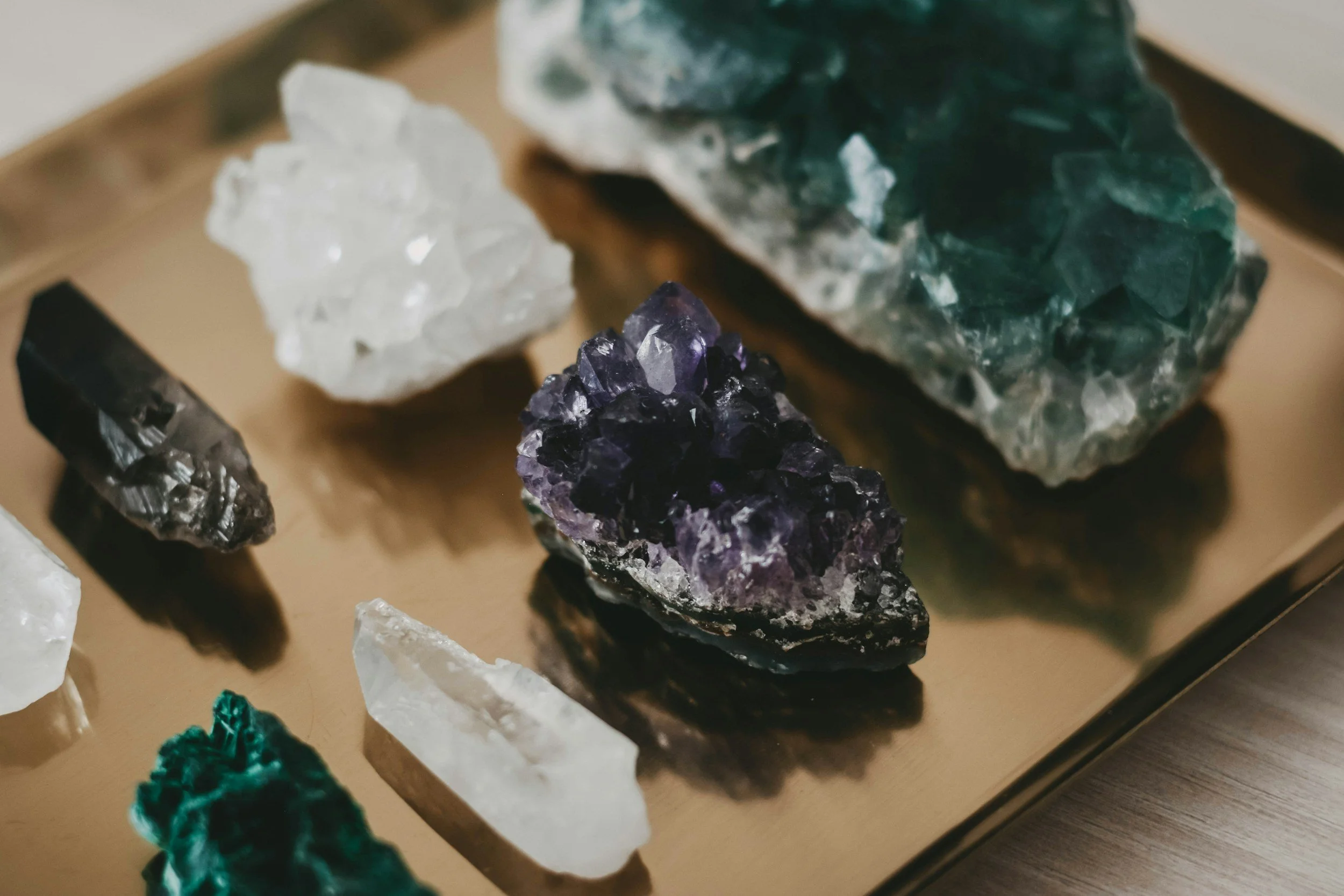
🜁 Crystal & Stone

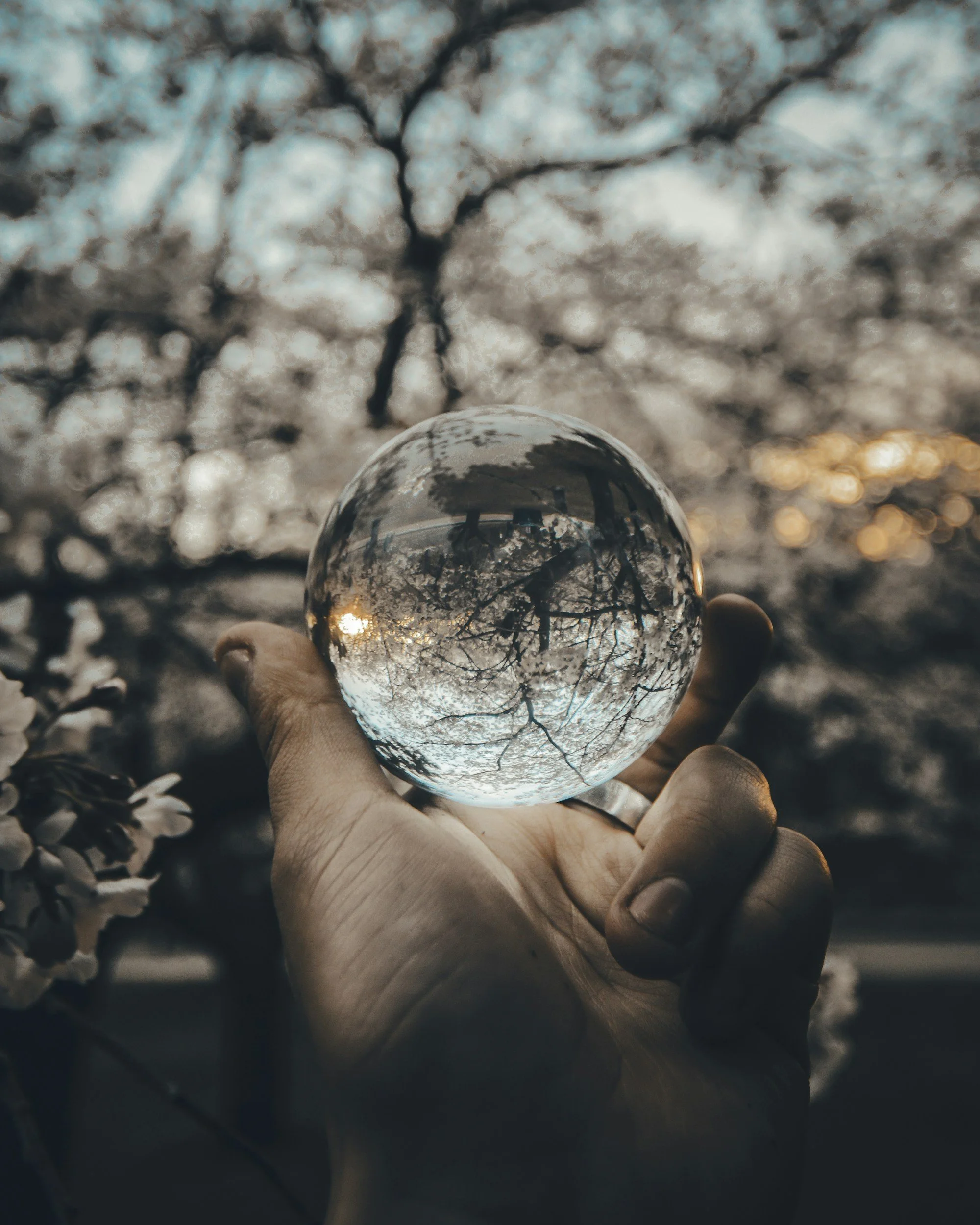
Crystal Ball (Clear Quartz Sphere)

The iconic image of the fortune-teller’s tool. The spherical shape allows light to bend and refract, creating subtle visual shifts that can induce trance. Quartz, in particular, has long been associated with amplification and clarity.

Obsidian or Dark Stone Sphere

Unlike clear quartz, these absorb light rather than refract it. They encourage introspection and shadow work β€” less spectacle, more depth.

πŸœ‚ Flame & Light

Candle Flame

One of the simplest and most accessible methods. The shifting movement of fire creates natural motion for the eye to follow, easing the mind into altered focus. Often used for short, intuitive impressions rather than extended visions.

Fire Embers

Gazing into glowing coals or a hearth fire is among the oldest divinatory practices. The patterns shift unpredictably, encouraging symbolic storytelling from the subconscious.

Liminal Light (Twilight Gazing)

Not an object, but a timing method. The dim blue hour between day and night softens perception and enhances imagination. Many practitioners prefer this threshold time for subtle impressions.

πŸœƒ Water & Liquid Surfaces

Bowl of Still Water

Perhaps the purest method. A dark bowl filled with water reflects light softly and invites inward drift. Used in ancient Greek, Egyptian, and Near Eastern practices.

Ink Scrying

A drop of dark pigment added to water to deepen the reflective surface. The shifting clouds of color can act as moving symbols.

Natural Bodies of Water

Ponds, wells, and quiet lakes have long been used for divination. The setting matters β€” stillness is key. Folklore often associates these waters with spirits and prophetic insight.

🜁 Smoke & Vapor

Smoke Scrying (Incense or Resin)

Watching patterns in rising smoke encourages free association. The shapes are fleeting, which prevents over-analysis.

Breath on Glass

A subtler method β€” exhale onto a mirror and observe the patterns in the fading mist. Often used for brief symbolic impressions.

πŸœ‚ Wax & Dripping Forms

Wax in Water

Melted wax dropped into cold water forms organic shapes. Interpretation comes after the form solidifies, similar to reading tea leaves.

πŸœ„ Organic & Earth Methods

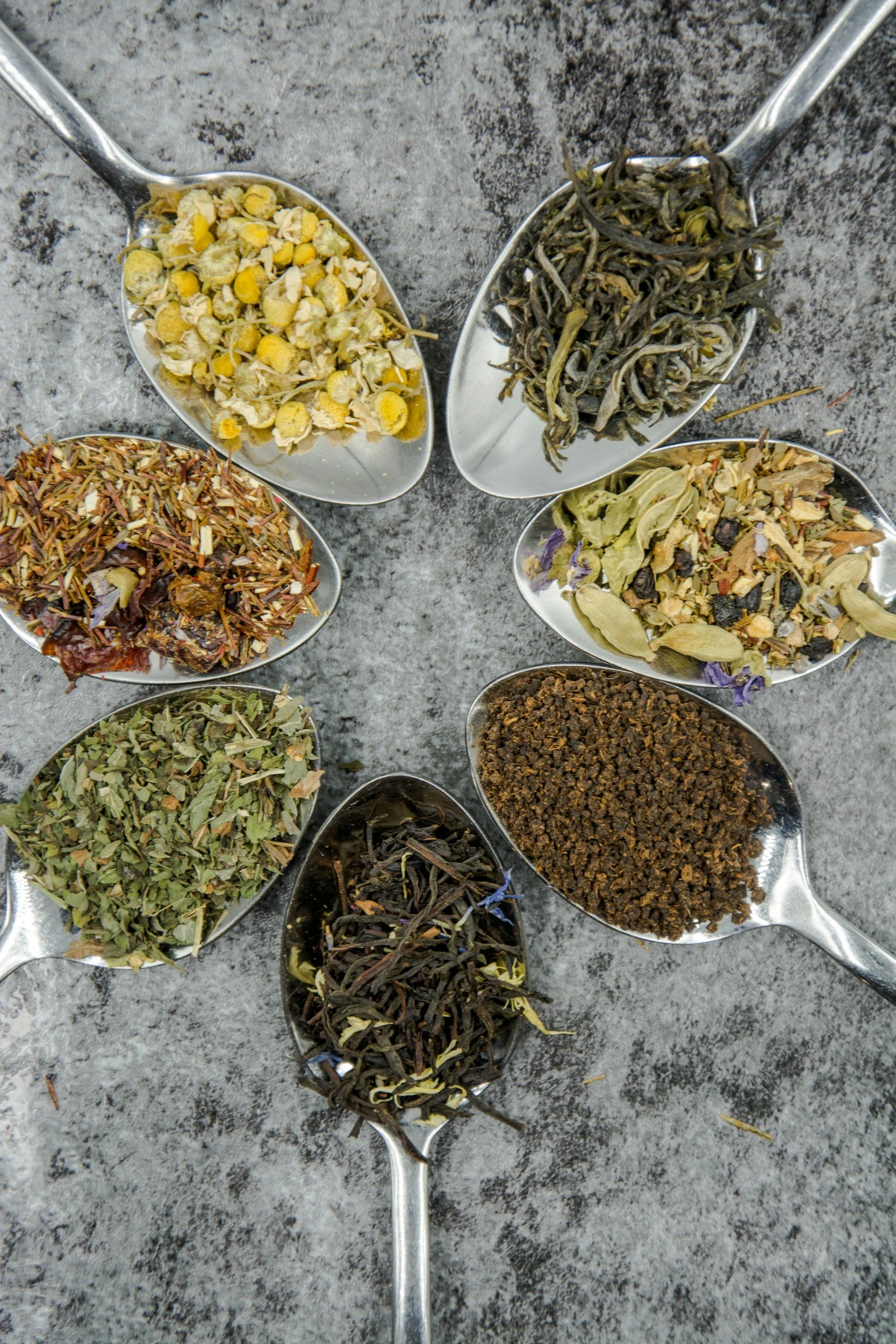
Tea Leaf Reading

Loose-leaf tea remnants interpreted after drinking. Though technically tasseography, it operates on the same principle of symbolic projection onto pattern.

Sand or Soil

Tracing or observing wind-made patterns in sand. Less common today, but historically linked to desert and coastal divination traditions.

🜁 Shadow Work Methods

Mirror-Gazing (Psychomanteum Style)

A dimly lit room, a mirror angled so your reflection blurs. Over time, the face may appear to shift or distort β€” a well-documented psychological effect that many interpret symbolically.

The hand is an old manuscript.

Creased by time. Marked by habit. Warm with pulse and memory. Palmistry does not claim that fate is stamped into flesh like a verdict. Rather, it reads tendencies β€” patterns of temperament, stress, desire, resilience. The hand changes over time. Lines deepen, fade, fork. The map redraws itself as life unfolds.

Below are the core features traditionally studied in palmistry β€” the architecture of the living page.

* * * * *

πŸœ„ The Major Lines

The Life Line

Curving around the base of the thumb, this line is often misunderstood. It does not predict lifespan. Instead, it reflects vitality, physical energy, and major life shifts. Breaks or forks may suggest turning points rather than doom.

The Head Line

Running horizontally across the palm, it speaks to thinking style β€” analytical, intuitive, imaginative, practical. A straight line often suggests logic; a curved one, creativity. Length is less important than quality and clarity.

The Heart Line

Found near the top of the palm, beneath the fingers. It reflects emotional expression, attachment style, and relational tendencies. Deep and clear lines suggest strong emotional presence; fragmented ones may indicate complexity or guardedness.

The Fate Line

Not everyone has one. Running vertically toward the middle finger, it is associated with vocation, direction, and perceived life path. Its absence does not mean lack of purpose β€” only greater autonomy in shaping it.

🜁 The Secondary Lines

The Sun (Apollo) Line

Linked to creativity, recognition, and fulfillment. Often associated with artistic satisfaction rather than fame itself.

The Mercury (Health) Line

Connected to communication, nervous energy, and sometimes physical stress patterns. Not always present.

Marriage / Union Lines

Small horizontal lines beneath the pinky. Traditionally read as relationships of significance β€” not strictly marriage, and certainly not a tally of lovers.

Travel Lines

Fine lines branching from the Life Line. Interpreted as physical journeys or major relocations.

πŸœƒ The Mounts (Raised Areas of the Palm)

These fleshy pads beneath each finger are named after planetary archetypes.

Mount of Venus (Base of Thumb)

Affection, sensuality, vitality. A full mount suggests warmth and passion.

Mount of Jupiter (Below Index Finger)

Ambition, leadership, confidence.

Mount of Saturn (Below Middle Finger)

Responsibility, seriousness, introspection.

Mount of Apollo (Below Ring Finger)

Creativity, appreciation of beauty.

Mount of Mercury (Below Pinky)

Communication, adaptability, wit.

Mount of Mars (Inner & Outer Areas)

Courage, resilience, aggression or defense.

Plain of Mars (Center of Palm)

Conflict management and inner equilibrium.

πŸœ‚ The Hand Types

Traditionally divided into elemental categories:

Earth Hand β€” Square palm, short fingers. Practical, grounded, reliable.
Air Hand β€” Square palm, long fingers. Intellectual, communicative, analytical.
Fire Hand β€” Long palm, short fingers. Energetic, passionate, impulsive.
Water Hand β€” Long palm, long fingers. Sensitive, intuitive, imaginative.

Most hands are blends β€” just as most people are.

🜁 Additional Features

Finger Shape

Tapered, square, pointed β€” each suggests different approaches to creativity and logic.

Finger Length

Relative length can indicate emphasis on authority, creativity, or communication.

Thumb Structure

Represents willpower and reasoning. A strong thumb often signals determination.

Nails

Texture, shape, and markings have been historically interpreted as indicators of temperament and stress patterns.

Crosses, Stars, and Grilles

Unusual markings sometimes read as intensified traits or areas of tension. These interpretations vary widely between traditions.

Submit to the Archive

If you would like to suggest a topic or share a lead worth investigating, submit it to us for review. Click Here