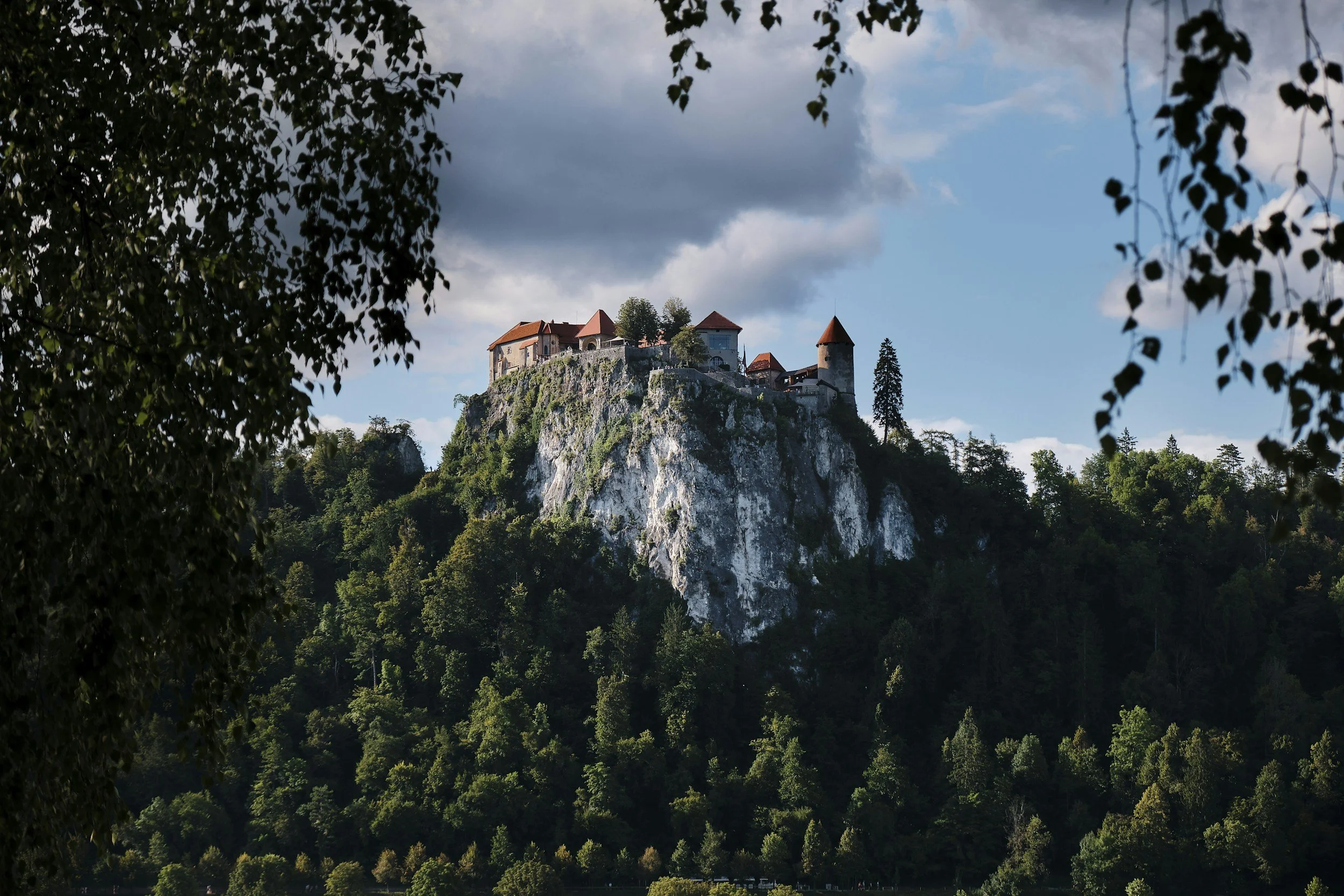
Slavic Pantheon (Rodnovery)
The deities and divine forces of the Slavic spiritual world.
Gods of storm, earth, and the shifting balance between order and the wild
The Slavic pantheon reflects a world deeply connected to nature, where forests, rivers, and skies were seen as inhabited by powerful forces.
These deities often represent opposing elements — sky and earth, order and chaos — existing in a constant state of tension.
Much of what is known comes from fragmented records and later interpretations, giving the tradition a sense of mystery and reconstruction.
This section explores the gods of Slavic tradition and the forces they embody.
Sky, Storm & Sovereignty -
Power comes with thunder—and something always answers it.
Perun — god of thunder, lightning, and war; protector of order and law
Svarog — sky god and divine blacksmith; associated with fire and creation
Dazhbog (Dažbog) — solar deity; giver of wealth and prosperity
Stribog — god of winds, air, and storms
Earth, Underworld & Wild Power -
Everything buried is not gone. It is waiting.
Veles (Volos) — god of the underworld, cattle, wealth, and magic; rival of Perun
Mokosh — earth goddess; fertility, women’s work, and fate
Morana (Marzanna) — goddess of winter, death, and seasonal decay
Zemyna / Mat Zemlya — earth mother figure (regional variations)
Fertility, Love & Life Cycles -
Spring is not gentle. It is a return.
Lada — goddess of love, beauty, and harmony (debated but widely referenced)
Jarilo (Yarilo) — god of spring, vegetation, and rebirth
Kupala — associated with water, fertility, and midsummer rites
Kostroma — seasonal figure tied to fertility and ritual cycles
Sun, Moon & Cosmic Order -
Time is kept not by clocks—but by fire and shadow.
Dazhbog — (also appears here) solar life-giver and cultural hero
Khors — solar or lunar deity (interpretations vary)
Svarog — (again) cosmic order through fire and sky
Fire, Craft & Civilization -
To make something is to take a piece of the divine and risk burning your hands.
Svarog — divine smith; fire, forging, and cosmic order
Svarozhich — fire deity; sometimes seen as Svarog’s son
Radogost — god of hospitality, fire, and possibly war (regional)
War, Fate & Protection -
Battle was not chaos—it was negotiated with the unseen.
Perun — (again) war and protection through divine authority
Rod — primordial deity of fate, ancestry, and destiny
Triglav — three-headed god representing sky, earth, and underworld
Death, Night & the Otherworld -
Death was not an end. It was a relocation.
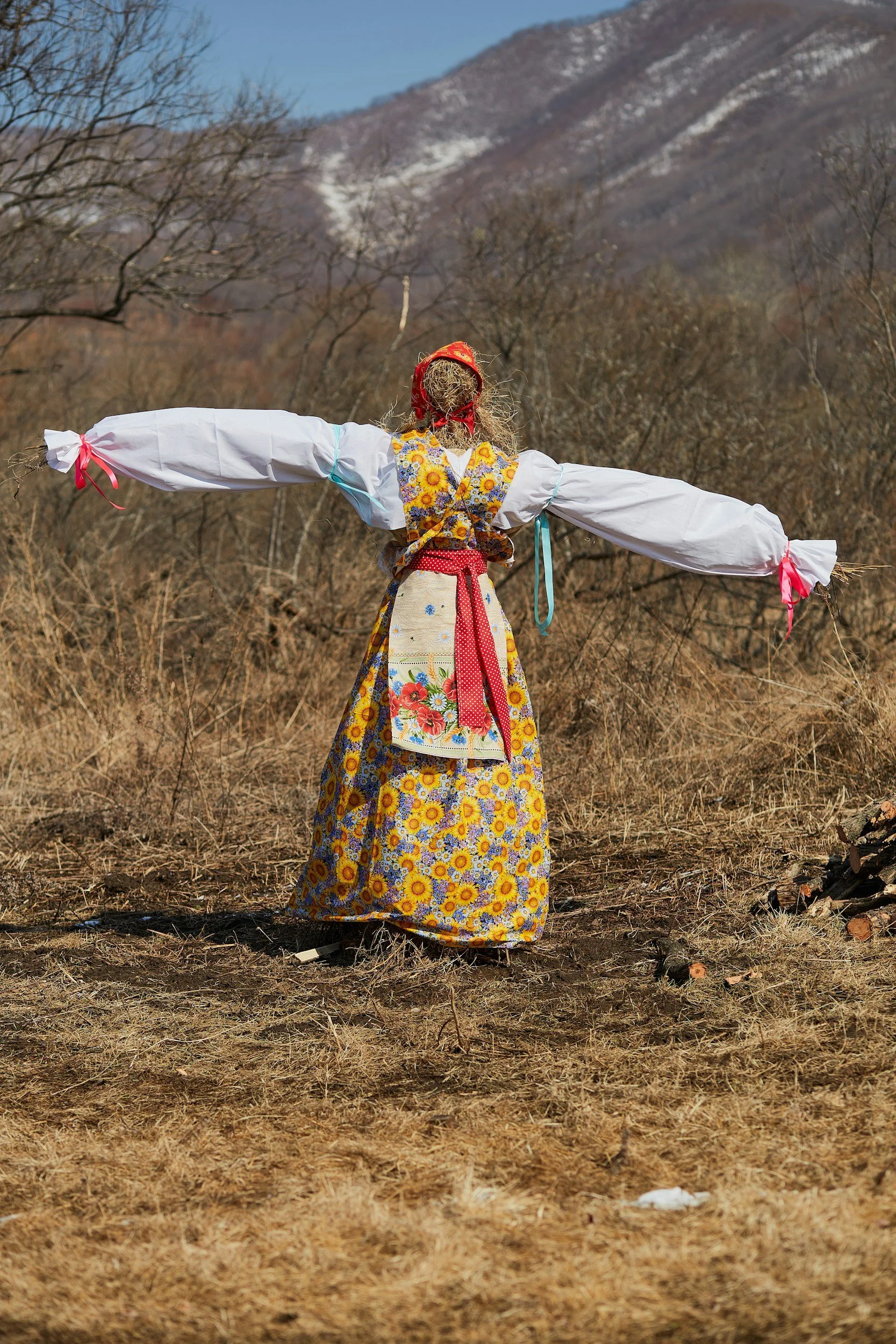
Morana (Marzanna) — death, winter, and ritual destruction (burning/drowning effigies)
Veles — (again) ruler of the underworld and keeper of souls
Chernobog — dark or ill-fated deity (possibly symbolic rather than literal)
Belobog — counterpart to Chernobog; light, fortune, balance
Household, Hearth & Hidden Presences -
Not all gods live in the sky. Some live under your floorboards.
Domovoi — household spirit; protector (or troublemaker) of the home
Rozhanitsy — fate goddesses tied to birth and destiny
Polevik — field spirit; governs farmland and labor
Leshy (borderline deity/spirit) — forest master; sometimes elevated to god-like status
Explore Other Pantheons


Submit to the Archive
If you would like to suggest a topic or share a lead worth investigating, submit it to us for review. Click Here
Enter the world of Myth & Ancient Legends—where gods rule uneasy realms, creatures embody fear and wonder, and ancient civilizations blur the line between history and story. Explore global mythologies, pantheons, legendary beasts, and the shared patterns that echo across cultures.