
Siberian Shamanism
Trance, drum, spirit-journey, and the mediation between worlds define these northern traditions. The shaman serves as healer, intermediary, and traveler through layered realities shaped by sky, earth, and underworld.
Introduction
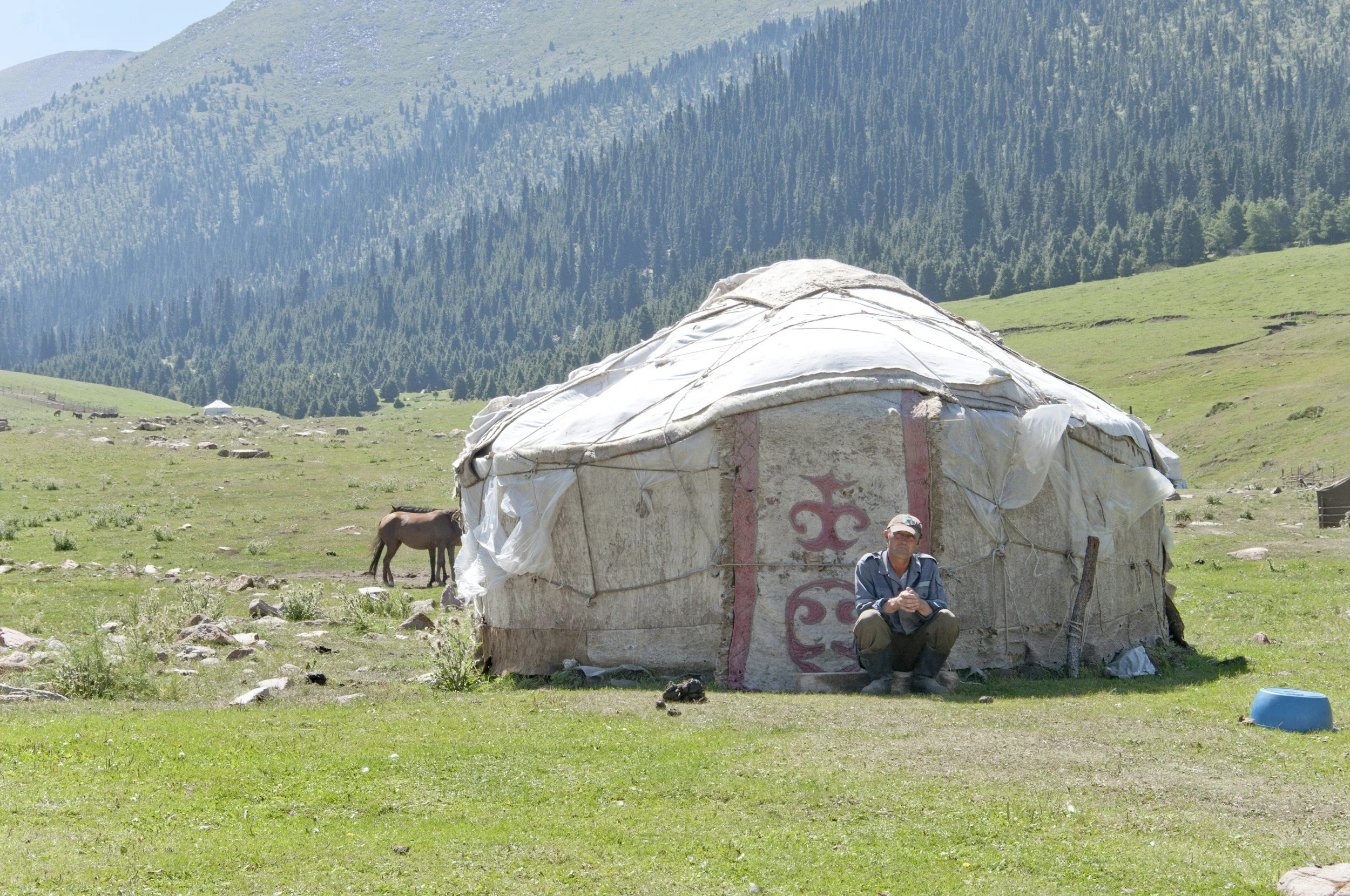
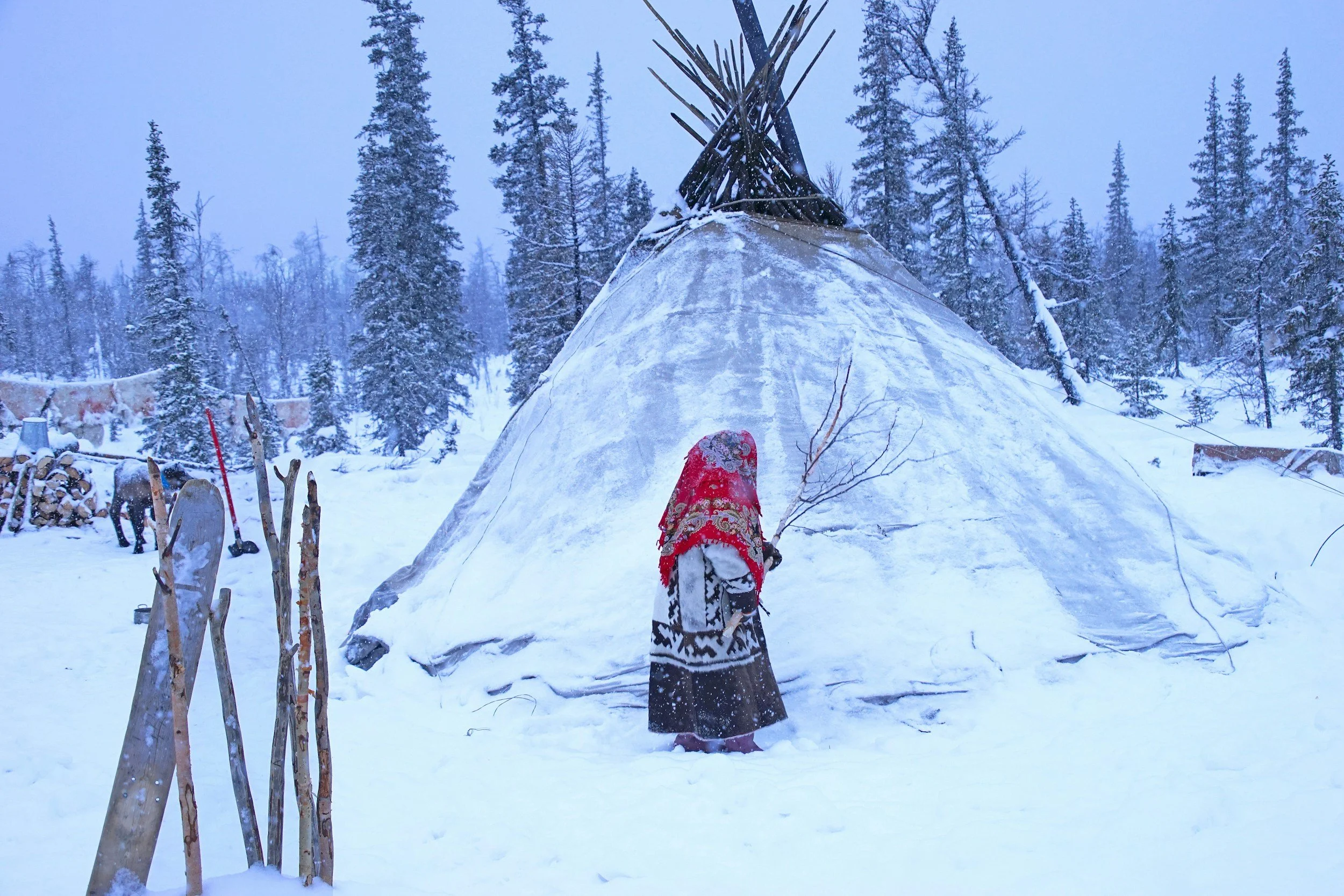
Siberian Shamanism refers to a range of Indigenous spiritual traditions practiced among the peoples of northern and central Asia, including the Evenki, Yakut (Sakha), Buryat, and others. While each culture maintains distinct beliefs and rituals, many share the figure of the shaman as mediator between worlds. Through drumming, chanting, and trance states, the shaman journeys to upper, middle, or lower realms to seek guidance, heal illness, retrieve lost souls, or negotiate with spirits. The cosmology is often layered and animistic, recognizing spirits within animals, landscapes, ancestors, and natural forces. Ritual tools—such as the drum, costume, and symbolic regalia—serve not as decoration but as instruments of passage. These traditions are living and culturally specific, rooted in relationship with land and lineage rather than abstract doctrine.
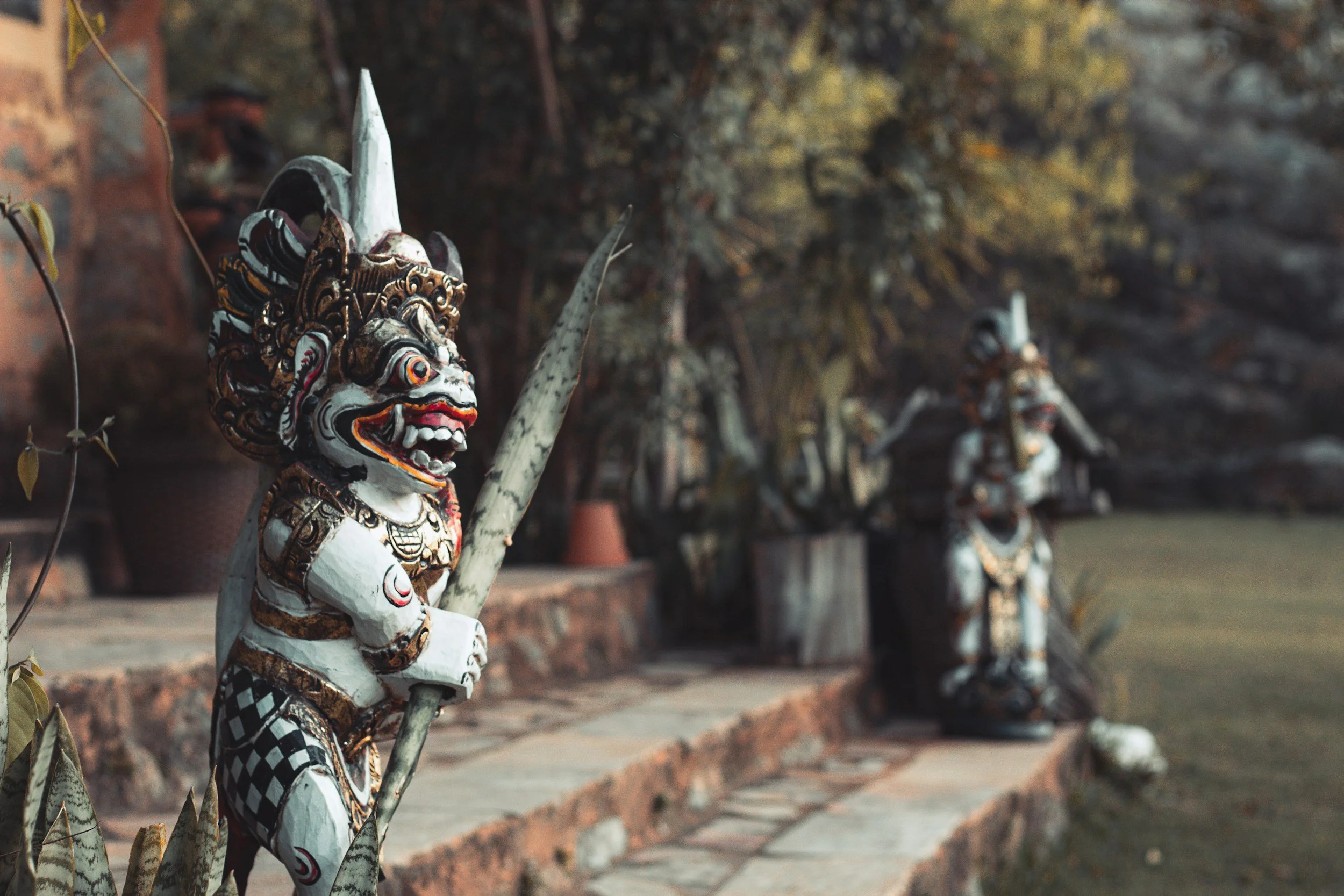
Bön, Tibet’s pre-Buddhist shamanic tradition, is a world where sky and earth breathe as one, and rituals weave survival with spirit. From ancient shamans to modern monasteries, discover the roots, rituals, and resilience of a religion that shaped Tibetan culture long before Buddhism’s arrival.