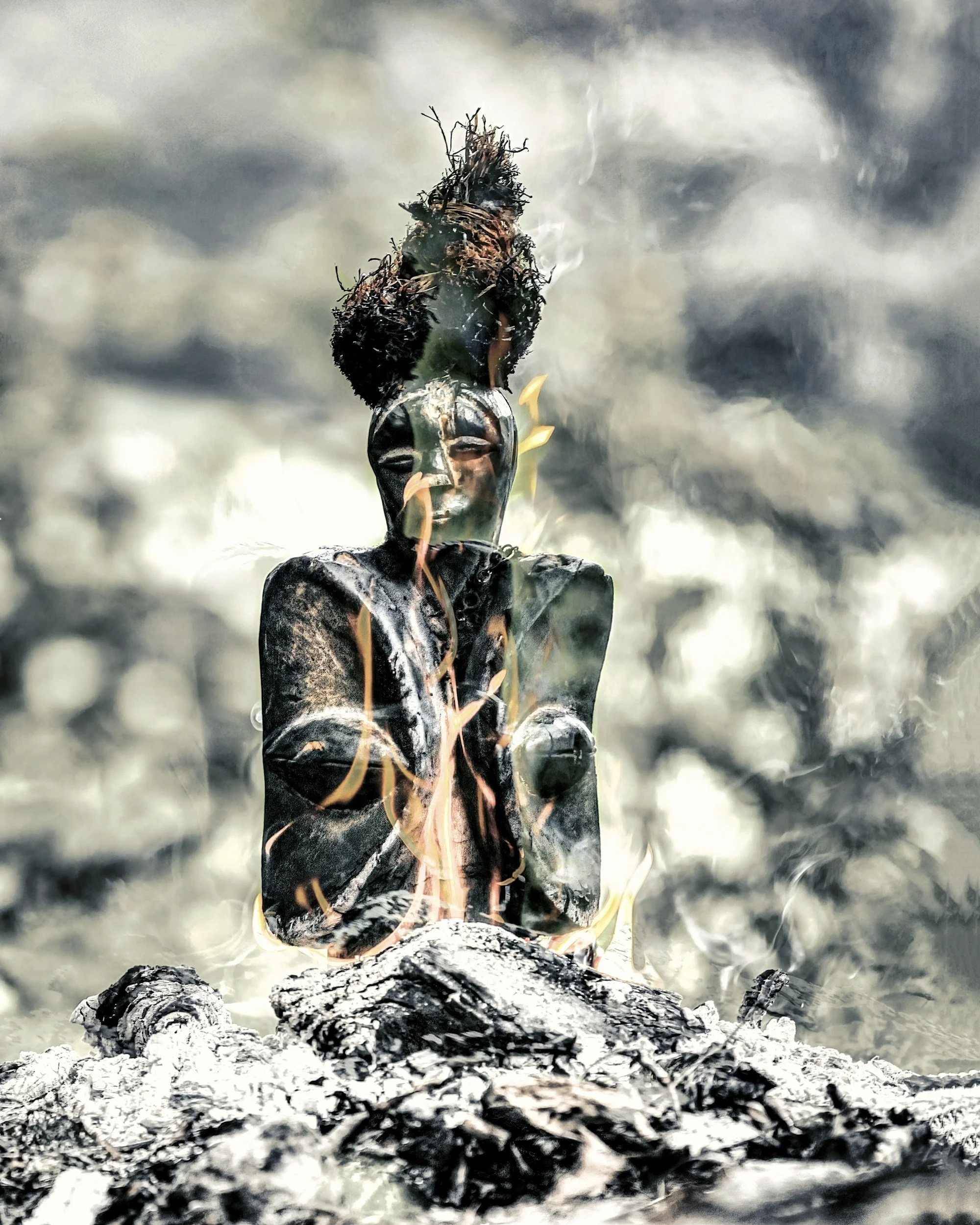
Santería (Lucumí) Tradition
Emerging from Yoruba foundations and shaped in the Caribbean under colonial pressure, Santería weaves Catholic imagery with Orisha devotion. Ritual, music, initiation, and ancestral continuity form its living structure.
Introduction
Santería (Lucumí) is a living Afro-Caribbean religious tradition that developed in Cuba through the preservation of Yoruba spiritual systems under Spanish colonial rule. Enslaved Yoruba people maintained devotion to the Orishas while outwardly aligning them with Catholic saints—a strategy of survival that shaped the tradition’s syncretic form. At its heart, Santería centers on ritual, initiation, divination (often through diloggún or Ifá), drumming, offerings, and the cultivation of a personal relationship with one’s guardian Orisha. Community, ancestry, and spiritual lineage are essential; knowledge is transmitted through initiation houses rather than casual study. While often misunderstood or sensationalized, Lucumí practice is structured, ethical, and relational, emphasizing balance, destiny, and alignment between human life and divine force. It remains vibrantly practiced in Cuba and throughout the diaspora, particularly in the United States and Latin America.
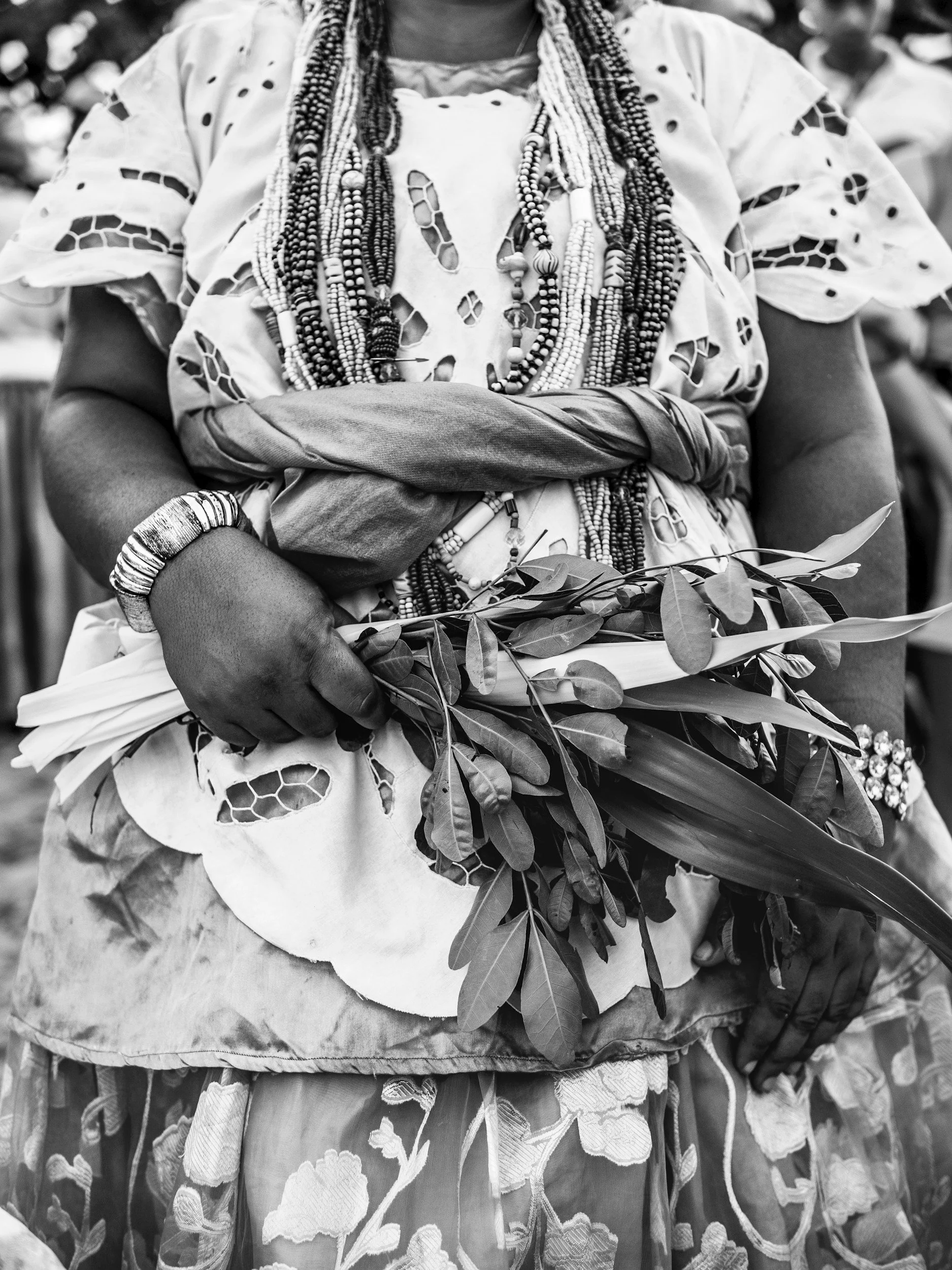
Santería, or Lucumí, is Cuba’s Afro-Caribbean religion that fuses Yoruba orisha worship with Catholic saints. Born in secrecy during slavery, it survives through drumming rituals, possession, offerings, and divination. Discover how this syncretic faith carries ancestral memory, blending Africa and Cuba into a living tradition of survival and spiritual power.