Norse Pantheon (Ásatrú)
A world shaped by frost, fire, and inevitability. The Norse gods move beneath the shadow of Ragnarök, knowing even divinity is not immortal. Warriors, tricksters, seers, and world-builders stand in a cosmos bound by fate, where honor matters and endings are written in advance.
Deities
🜂 Odin
Domain: Wisdom, poetry, magic (seiðr), war, death
Realm: Asgard
Symbols: Spear (Gungnir), ravens (Huginn & Muninn), wolves, the gallows, the one-eyed figure
Key Associations: Runes, ecstatic knowledge, sacrifice
Odin is the Allfather and ruler of the Aesir. He sacrificed one eye for wisdom and hung himself upon the World Tree to gain the runes. A god of war and inspiration, he gathers fallen warriors to Valhalla in preparation for Ragnarök.
🜂 Frigg
Domain: Foresight, motherhood, marriage, domestic authority
Realm: Asgard
Symbols: Spinning wheel, keys, falcon cloak (in some traditions)
Key Associations: Prophecy, queenship
Frigg is queen of the Aesir and wife of Odin. Known for her foresight, she is deeply associated with protection of family and household. She plays a central role in the tragedy of Baldr.
🜂 Thor
Domain: Thunder, storms, protection, strength
Realm: Asgard
Symbols: Mjölnir (hammer), goats, lightning
Key Associations: Giants, protection of Midgard
Thor is the defender of gods and humanity. Wielding Mjölnir, he battles giants and chaotic forces. He represents strength, reliability, and the protection of sacred boundaries.
🜂 Loki
Domain: Trickery, transformation, chaos
Realm: Moves between realms
Symbols: Fire (modern association), serpents, shapeshifting
Key Associations: Boundary-breaking, cunning
Loki is a complex trickster figure who aids and undermines the gods. A shapeshifter and instigator, he ultimately becomes an adversary at Ragnarök.
🜂 Freyja
Domain: Love, fertility, beauty, seiðr magic, battle-death
Realm: Fólkvangr
Symbols: Cats, falcon cloak, necklace (Brísingamen)
Key Associations: Magic, sovereignty
Freyja is a powerful goddess of both love and war. She receives half of the battle-slain and is strongly associated with magical practice.
🜂 Freyr
Domain: Fertility, prosperity, peace, sacred kingship
Realm: Alfheim
Symbols: Boar (Gullinbursti), ship (Skíðblaðnir)
Key Associations: Harvest, abundance
Freyr is a Vanir god linked to prosperity and agricultural fertility. His myth involving the giantess Gerðr reflects themes of union and land sovereignty.
🜂 Tyr
Domain: Law, oaths, justice, sacrifice
Symbols: The missing hand
Key Associations: Honor, binding agreements
Tyr sacrificed his hand to bind the wolf Fenrir, demonstrating courage and commitment to order over personal safety.
🜂 Heimdall
Domain: Guardianship, vigilance
Realm: Bifröst (rainbow bridge)
Symbols: Gjallarhorn, keen sight and hearing
Key Associations: Watchfulness
Heimdall guards the bridge between worlds and will sound the horn that signals Ragnarök.
🜂 Baldr
Domain: Light, purity, beauty
Symbols: Radiance, mistletoe (in myth context)
Key Associations: Tragic innocence
Baldr’s death, caused through Loki’s manipulation, marks the beginning of the gods’ decline toward Ragnarök.
🜂 Hodr
Domain: Often minimal; associated with darkness/blindness (interpretative)
Key Associations: Instrument in Baldr’s death
Hodr, blind brother of Baldr, unknowingly kills him after being deceived by Loki.
🜂 Njord
Domain: Sea, wind, wealth, maritime trade
Symbols: Ships, coastal imagery
Key Associations: Prosperity
Njord is a Vanir god associated with seafaring success and wealth.
🜂 Skadi
Domain: Winter, mountains, hunting
Symbols: Skis, bow
Key Associations: Independence
Skadi is a giantess who becomes associated with the gods and embodies winter wilderness.
🜂 Hel
Domain: The underworld realm (Helheim)
Symbols: Half-living, half-dead imagery
Key Associations: Death by illness or age
Hel rules over those who do not die in battle. Her realm is distinct from Valhalla.
🜂 Idunn
Domain: Youth, renewal
Symbols: Apples
Key Associations: Preservation
Idunn guards the apples that maintain the gods’ youth and vitality.
🜂 Bragi
Domain: Poetry, eloquence
Symbols: Harp or poetic recitation (later associations)
Key Associations: Skaldic tradition
Bragi is the god of poetry and refined speech.
🜂 Sif
Domain: Fertility, agriculture (interpretive link to grain)
Symbols: Golden hair
Key Associations: Marriage to Thor
Sif’s golden hair, cut and restored by dwarves, is often symbolically linked to fields of grain.
🜂 Ullr
Domain: Archery, skiing, winter skill
Symbols: Bow, shield
Key Associations: Survival
Ullr is associated with winter prowess and was likely once a more prominent deity.
🜂 Vidar
Domain: Vengeance, silent strength
Symbols: Thick shoe
Key Associations: Survival of Ragnarök
Vidar avenges Odin during Ragnarök and survives into the renewed world.
🜂 Vali
Domain: Retribution
Key Associations: Avenger of Baldr
Vali is born specifically to avenge Baldr and fulfills that purpose swiftly.
Creatures
🜂 Fenrir
Type: Monstrous wolf
Parentage: Son of Loki and the giantess Angrboða
Symbols: Chains (Gleipnir), broken bonds
Key Associations: Fate, destruction, Ragnarök
Fenrir is the massive wolf destined to kill Odin during Ragnarök. The gods bound him with a magical ribbon after he proved too powerful to restrain by force
🜂 Jörmungandr
Type: World Serpent
Parentage: Son of Loki and Angrboða
Symbols: Serpent encircling the world
Key Associations: Cosmic boundary, ocean, Ragnarök
Jörmungandr lies in the sea surrounding Midgard, biting its own tail. He is fated to battle Thor at Ragnarök, where both will die.
🜂 Garmr
Type: Underworld hound
Realm: Hel’s domain
Symbols: Blood, chains
Key Associations: Ragnarök
Garmr guards the gates of Hel. During Ragnarök, he breaks free and fights the god Tyr.
🜂 Níðhöggr
Type: Serpent/dragon
Realm: Beneath Yggdrasil
Symbols: Gnawing at roots
Key Associations: Decay, destruction
Níðhöggr gnaws at the roots of the World Tree, contributing to cosmic instability.
🜂 Sleipnir
Type: Eight-legged horse
Parentage: Child of Loki (in mare form) and the stallion Svaðilfari
Symbols: Eight legs, speed
Key Associations: Travel between realms
Sleipnir is Odin’s mount, capable of traveling between worlds.
🜂 Gullinbursti
Type: Golden-bristled boar
Owner: Freyr
Symbols: Radiance, fertility
Key Associations: Prosperity
Forged by dwarves, Gullinbursti shines in darkness and symbolizes abundance.
🜂 Tanngrisnir & Tanngnjóstr
Type: Goats
Owner: Thor
Symbols: Thunder chariot
Key Associations: Renewal
Thor’s goats pull his chariot and can be resurrected after being eaten, provided their bones remain unbroken.
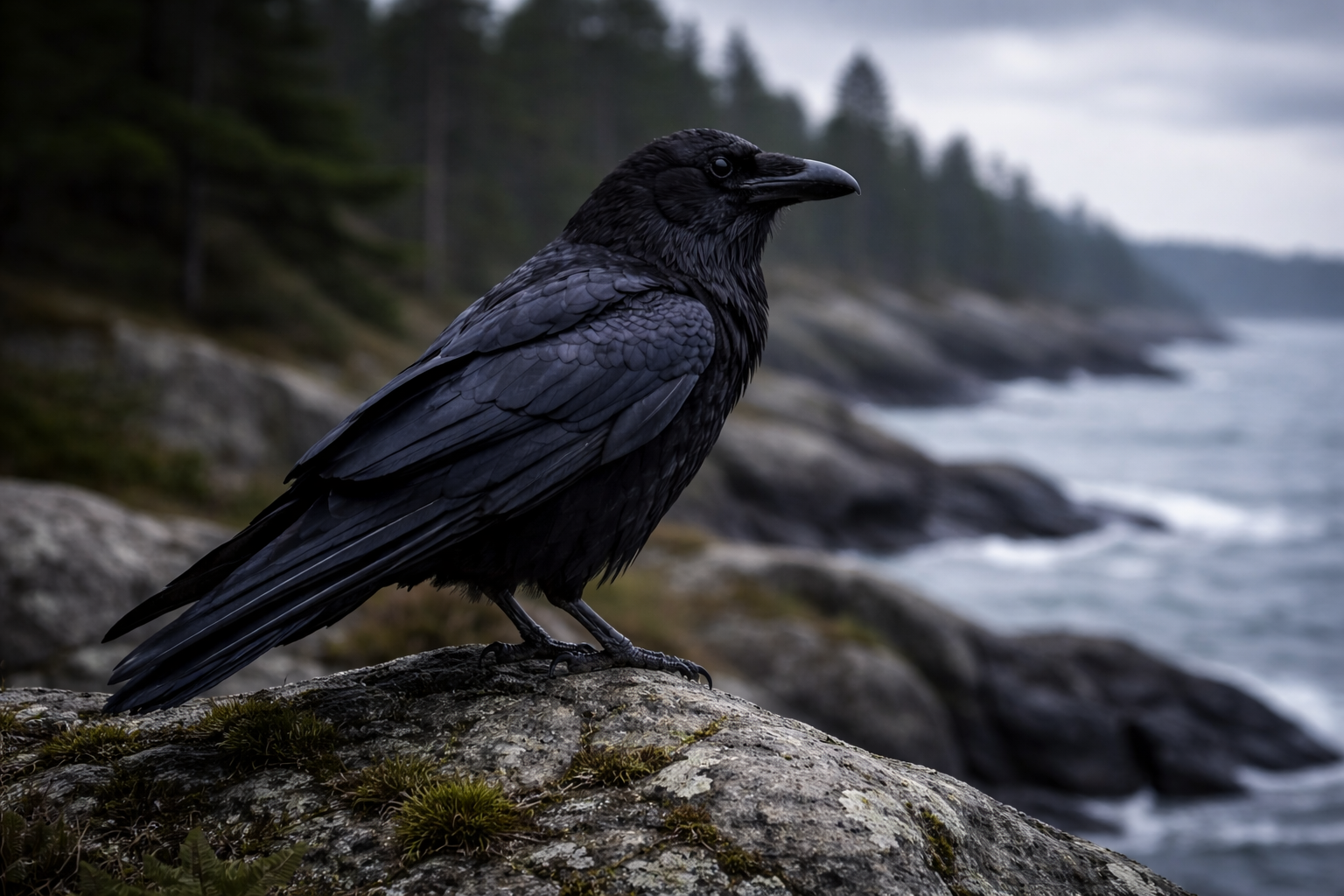
🜂 Huginn & Muninn
Type: Ravens
Owner: Odin
Symbols: Thought and Memory
Key Associations: Knowledge gathering
These two ravens fly across the world daily and report back to Odin.
🜂 Sköll & Hati
Type: Wolves
Symbols: Solar and lunar pursuit
Key Associations: Cosmic chase
These wolves chase the sun and moon and are destined to devour them at Ragnarök.
🜂 Elves (Álfar)
Type: Supernatural beings
Realm: Alfheim (light elves)
Key Associations: Fertility, beauty, ancestral spirits (interpretative)
Elves appear as luminous or mysterious beings connected to nature and possibly ancestor veneration.
🜂 Dwarves (Dvergar)
Type: Crafting beings
Realm: Underground
Key Associations: Smithing, magical objects
Dwarves forged many of the gods’ treasures, including Mjölnir and Odin’s spear.
🜂 Frost Giants (Jötnar)
Type: Primordial beings
Symbols: Chaos, wilderness
Key Associations: Opposition to gods
The giants represent primal forces and are not purely evil but often stand in tension with the gods.
🜂 Fafnir
Type: Dragon
Origin: Transformed dwarf
Symbols: Hoarded gold
Key Associations: Greed
Fafnir becomes a dragon to guard cursed treasure and is slain by the hero Sigurd.
🜂 Kraken
Type: Sea monster
Association: Norse maritime legend (later tradition)
The Kraken is a legendary sea beast tied to Scandinavian folklore rather than early mythic texts.
Heathenry, also called Ásatrú, Forn Sed, and Theodism, revives the Norse and Germanic pagan traditions of Odin, Freyja, and the ancestors. Rooted in sagas, rituals, and values of kinship and honor, it honors gods, spirits, and fate. Discover how this faith survived centuries of suppression to rise again as a living tradition of oath, offering, and community.