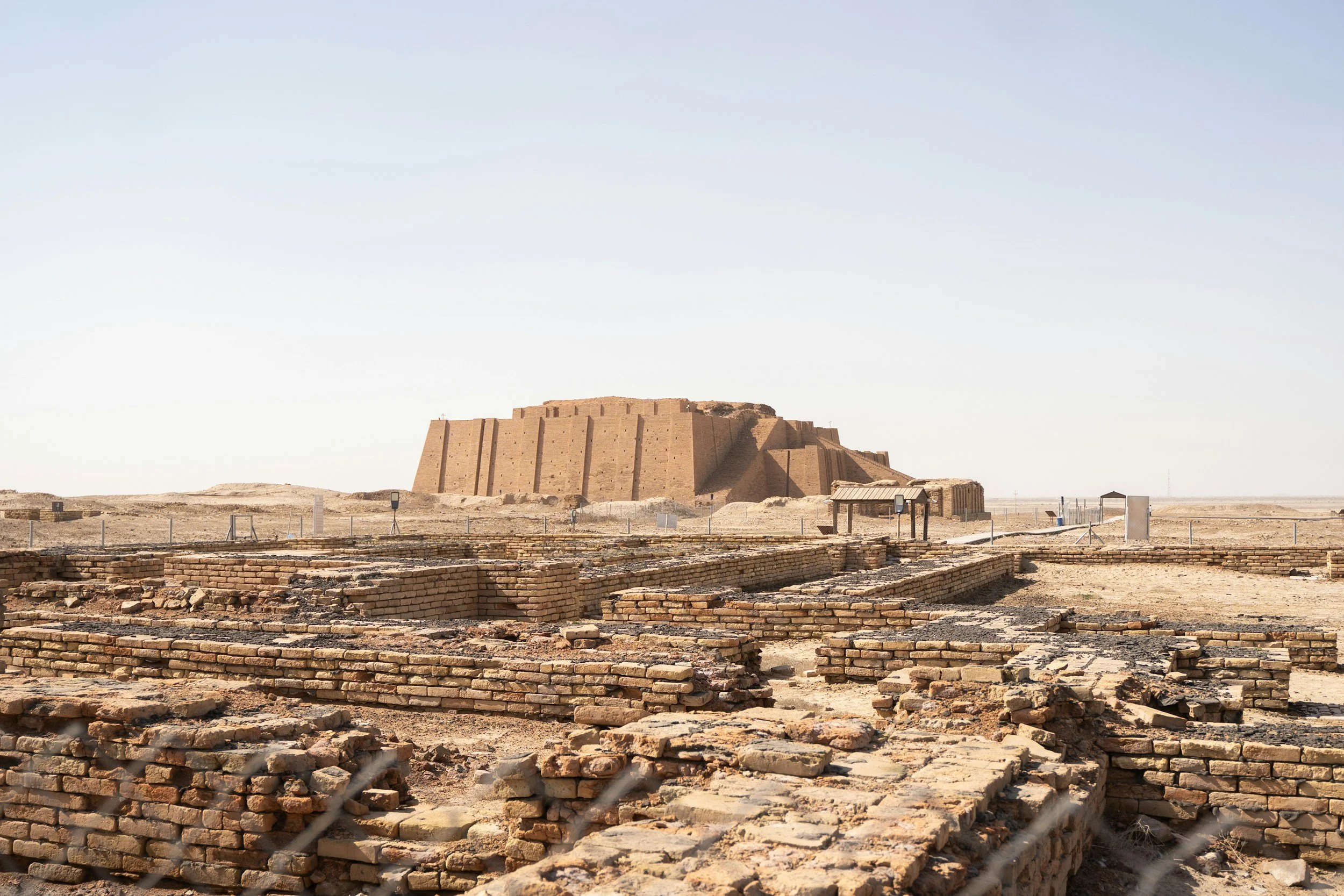
Mesopotamian Pantheon
The divine rulers of the Sumerian, Akkadian, Babylonian, and Assyrian worlds.
Gods of creation, chaos, and the earliest cities of human civilization
The Mesopotamian pantheon emerges from some of the earliest recorded cultures in human history.
These deities were closely tied to natural forces, city-states, and the unpredictable environment in which early civilizations developed.
Their stories often reflect tension between order and chaos, as well as humanity’s place within a world shaped by divine will.
This section explores the gods of Mesopotamia and the myths that defined them.
Primordial & Cosmic Forces -
The first breath before creation had a name—and then another.
Apsu — primeval freshwater abyss; source of life beneath the earth
Tiamat — saltwater chaos; mother of monsters and the cosmos
Anshar — “whole heaven”; ancestral sky principle
Kishar — “whole earth”; counterpart to Anshar
Lahmu — protective, bearded guardian figure; early cosmic being
Lahamu — female counterpart to Lahmu; primordial presence
Sun, Moon & Time -
The sky was a clock—and the gods were its ticking hands.
Utu (Shamash) — sun god; justice, truth, and divine law
Nanna (Sin) — moon god; cycles, timekeeping, wisdom
Aya (Sherida) — goddess of dawn; consort of Shamash
Sky, Air & Sovereignty -
Kingship was never just political—it was written in the sky.
Anu — supreme sky god; distant but absolute authority
Enlil — god of wind, air, and command; giver of kingship
Antu — consort of Anu; celestial queen
Ellil (Ninlil) — consort of Enlil; associated with air and fate
Marduk — storm god turned king of the gods; patron of Babylon
Ashur — national god of Assyria; embodiment of imperial power
Love, War & Power -
In Mesopotamia, love and war were rarely separate conversations.
Inanna (Ishtar) — goddess of love, war, sex, and political power
Dumuzid (Tammuz) — shepherd god; fertility and seasonal death/rebirth
Nanaya — goddess of sensuality and desire
Zababa — war god of Kish
Water, Wisdom & Creation -
Knowledge in Mesopotamia flowed like a river—deep, dangerous, and necessary.
Enki (Ea) — god of freshwater, wisdom, magic, and creation
Nammu — primeval sea; mother of gods
Nanshe — goddess of social justice, divination, and waterways
Enbilulu — god of irrigation and canal systems
War, Storms & Destruction -
The gods did not whisper—they marched, thundered, and conquered.
Ninurta — warrior god; agriculture and storm power
Adad (Ishkur) — storm and rain god; both life-giver and destroyer
Erra (Nergal-aspect) — god of war, plague, and chaos
Earth, Fertility & Motherhood -
Where life insists on returning, no matter how many times it is buried.
Ki (Ninhursag) — earth mother; goddess of mountains and creation
Ninhursag — great mother goddess; birth and fertility
Ninmah — “exalted lady”; creator goddess tied to human formation
Aruru — creator deity; midwife of humanity
Geshtinanna — goddess of agriculture, dreams, and interpretation
Death, Underworld & Judgment -
The underworld was not punishment—it was inevitability.
Ereshkigal — queen of the underworld
Nergal — god of plague, war, and the underworld
Namtar — fate-bringer; herald of death
Gugalanna — “Bull of Heaven”; underworld-associated figure
Knowledge, Writing & Craft -
Civilization itself was a divine invention—and carefully guarded.
Nabu — god of writing, literacy, and wisdom
Nisaba (Nidaba) — goddess of grain, writing, and accounting
Kulla — god of brickmaking; patron of builders
City & Patron Deities -
Every city had its god—and every god had a city to defend.
Ningirsu — patron god of Lagash; warrior and agricultural deity
Bau (Baba) — healing goddess; associated with Lagash
Shara — god of Umma; warrior figure
Trickster, Chaos & Liminal Forces -
Some forces were never meant to be controlled—only survived.
Pazuzu — demon-god of wind; both feared and invoked for protection
Humbaba (Huwawa) — monstrous guardian of the Cedar Forest
Asag — chaos demon; associated with disease and destruction
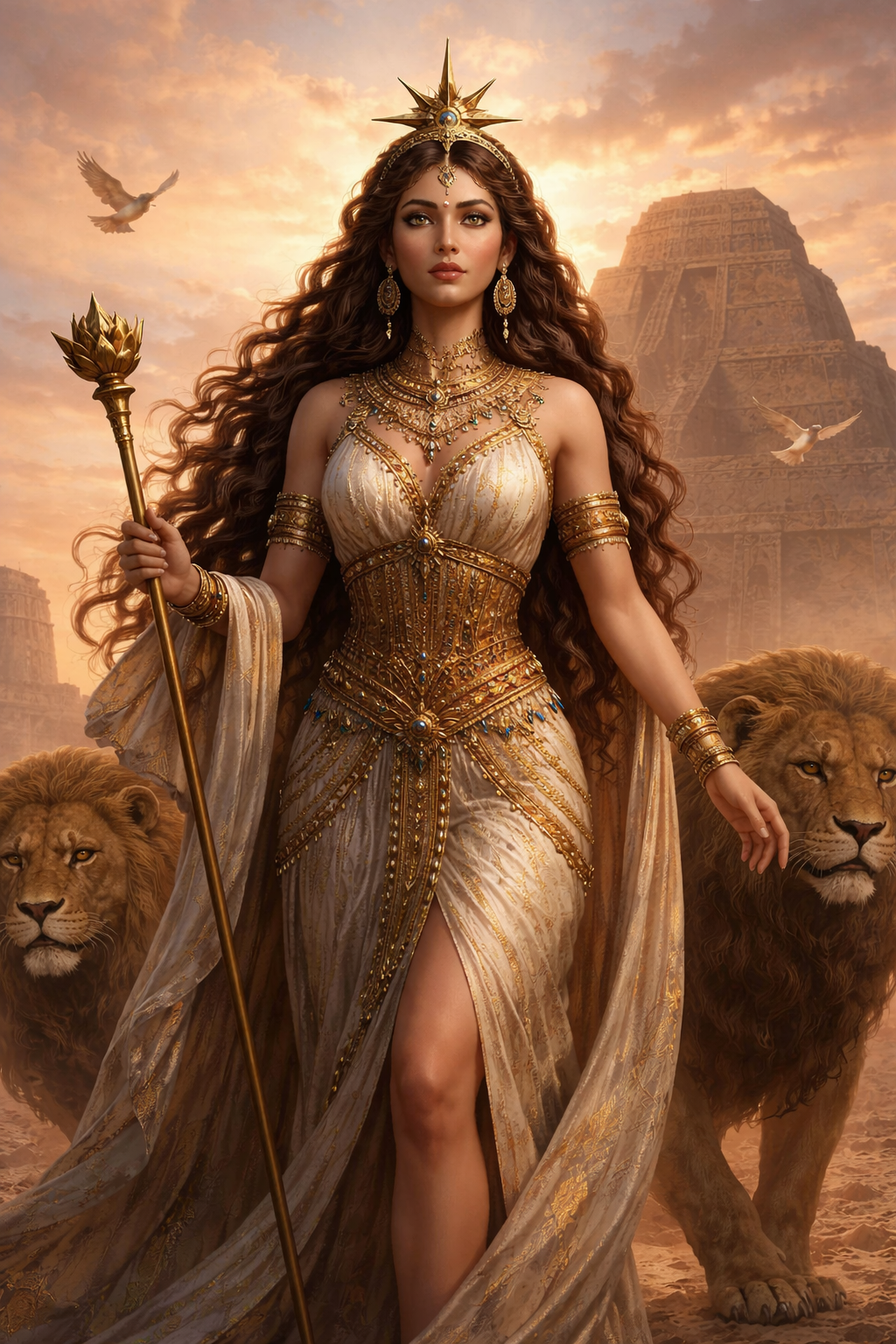
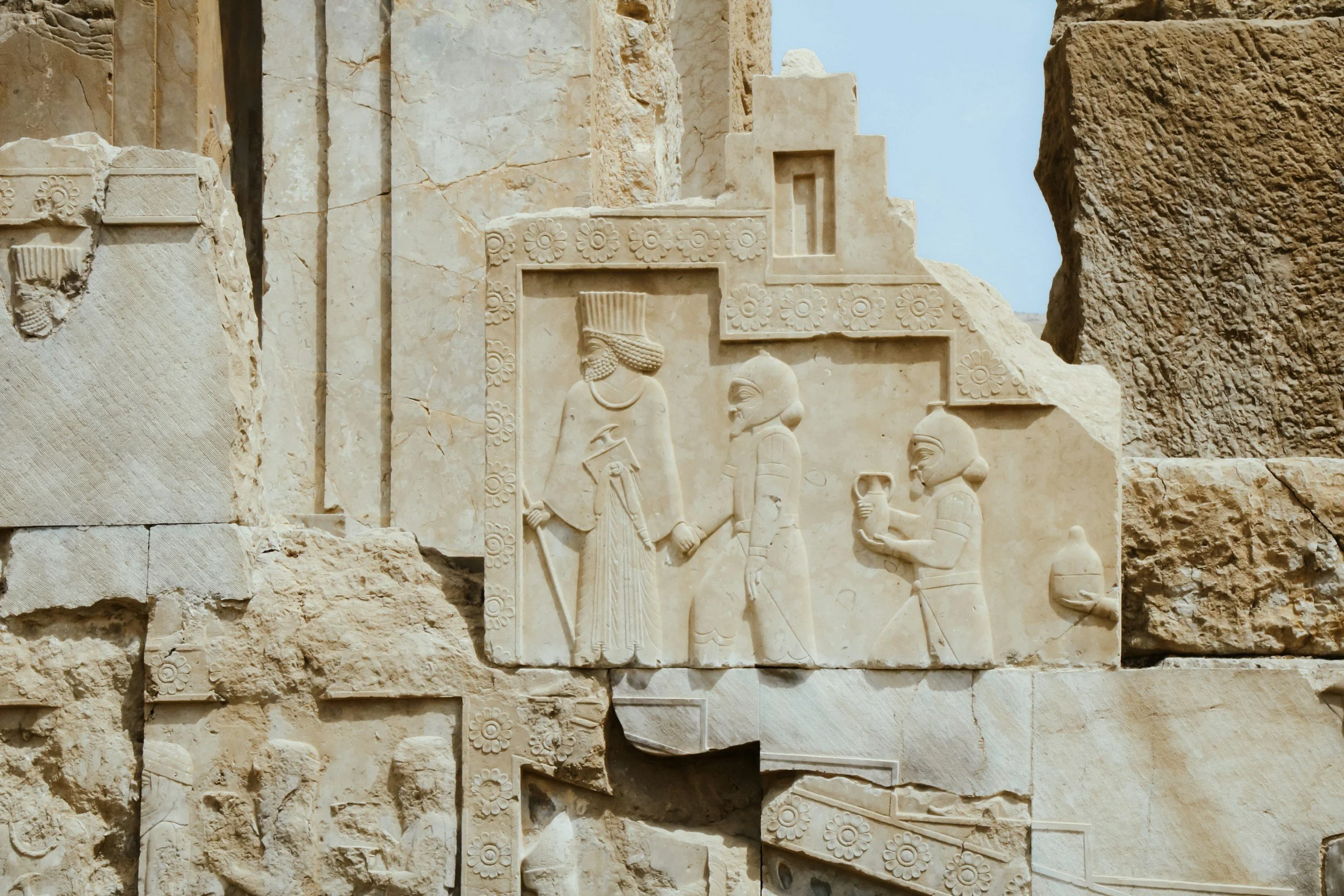
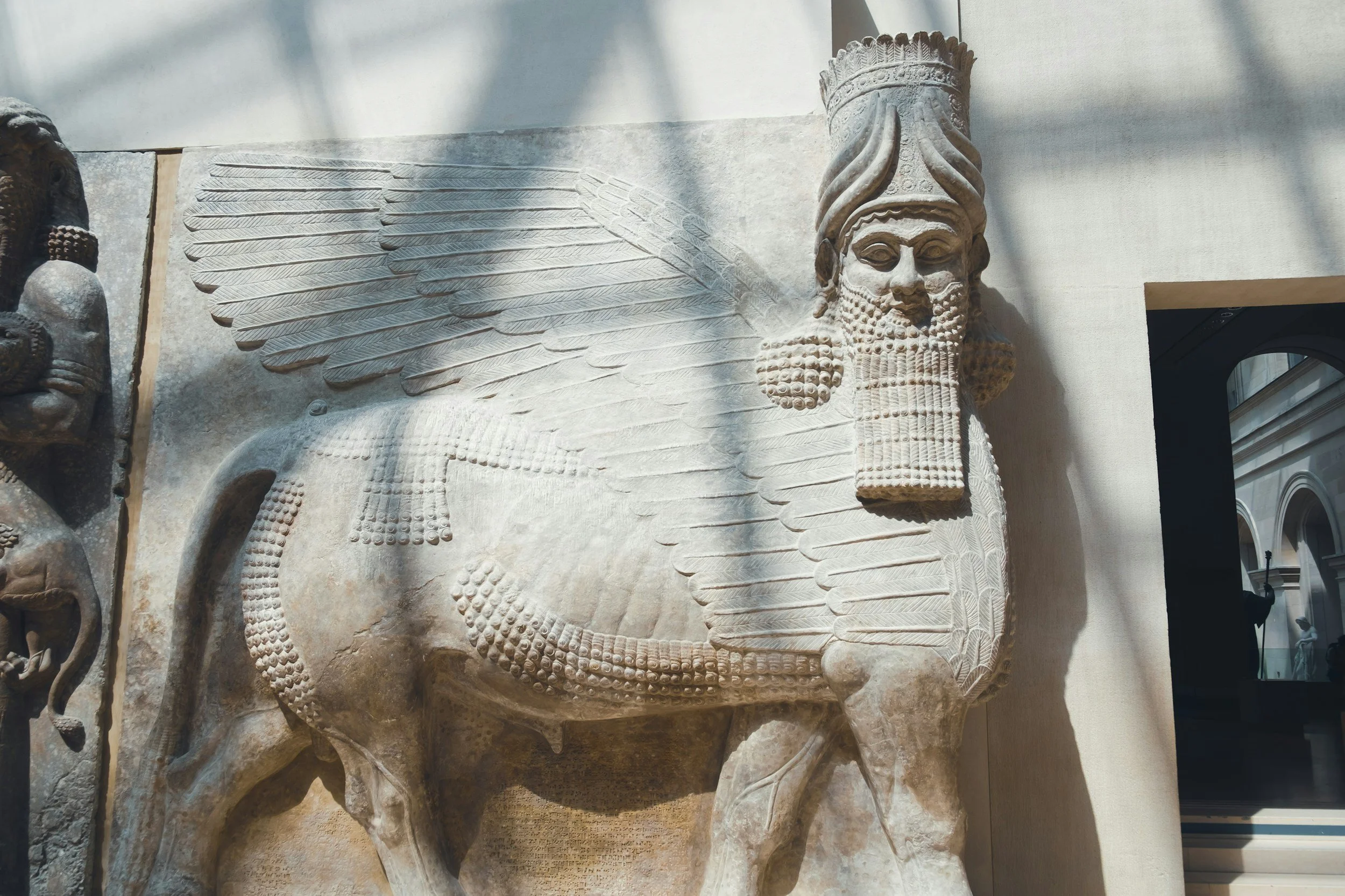
Explore Other Pantheons


Submit to the Archive
If you would like to suggest a topic or share a lead worth investigating, submit it to us for review. Click Here
Enter the world of Myth & Ancient Legends—where gods rule uneasy realms, creatures embody fear and wonder, and ancient civilizations blur the line between history and story. Explore global mythologies, pantheons, legendary beasts, and the shared patterns that echo across cultures.