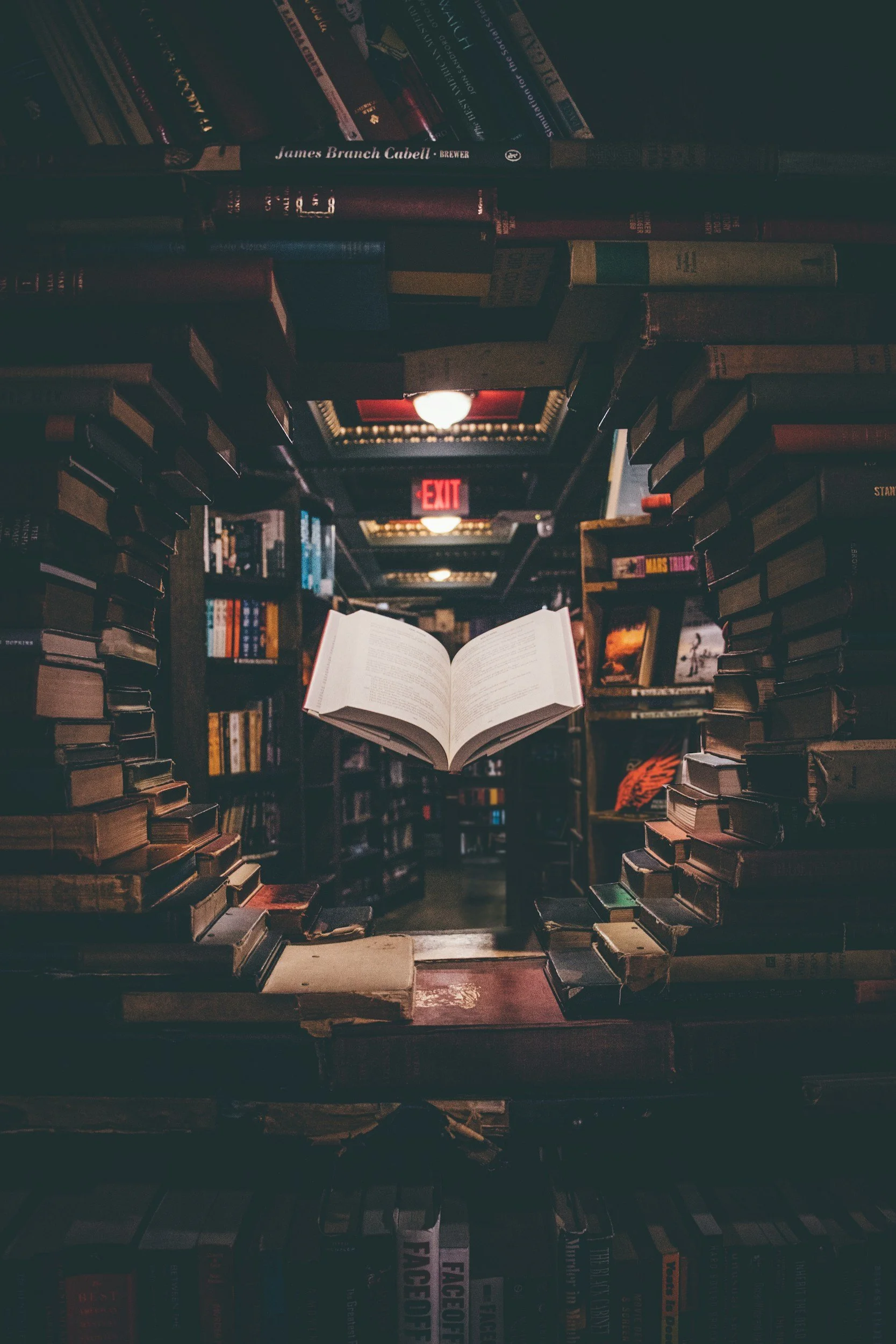
Literature
Written works, narrative depth, and the origins of many modern fears.
Many of the most enduring horror and thriller concepts begin in writing.
Literature allows for deeper exploration of thought, atmosphere, and internal experience, often shaping the foundation for stories that later expand into other mediums.
From classic works to contemporary novels, written storytelling continues to define how fear is imagined and understood.
This section explores horror and dark themes as they appear in literature.
Continue Through the Archive
Submit to the Archive
If you would like to suggest a topic or share a lead worth investigating, submit it to us for review. Click Here
Step into Horror & Dark Media—where paranormal chills, modern fears, and psychological thrillers unfold across film, literature, and sound. Explore how horror reflects real anxieties, challenges boundaries, and lingers long after the story ends.