Ostara: The Spring Equinox and the Return of Balance
Twice each year the world pauses at a strange and perfect threshold.
On the spring equinox, the sun rises due east, sets due west, and for a fleeting moment the scales of day and night balance in quiet symmetry. Darkness loosens its grip. Light stretches its fingers. Winter exhales.
This turning point is known in modern pagan traditions as Ostara, a celebration of renewal, fertility, and the slow awakening of the earth after its long winter sleep.
While snow may still linger in some places and early blossoms cautiously test the air, the message of the equinox is clear: the season of growth has begun.
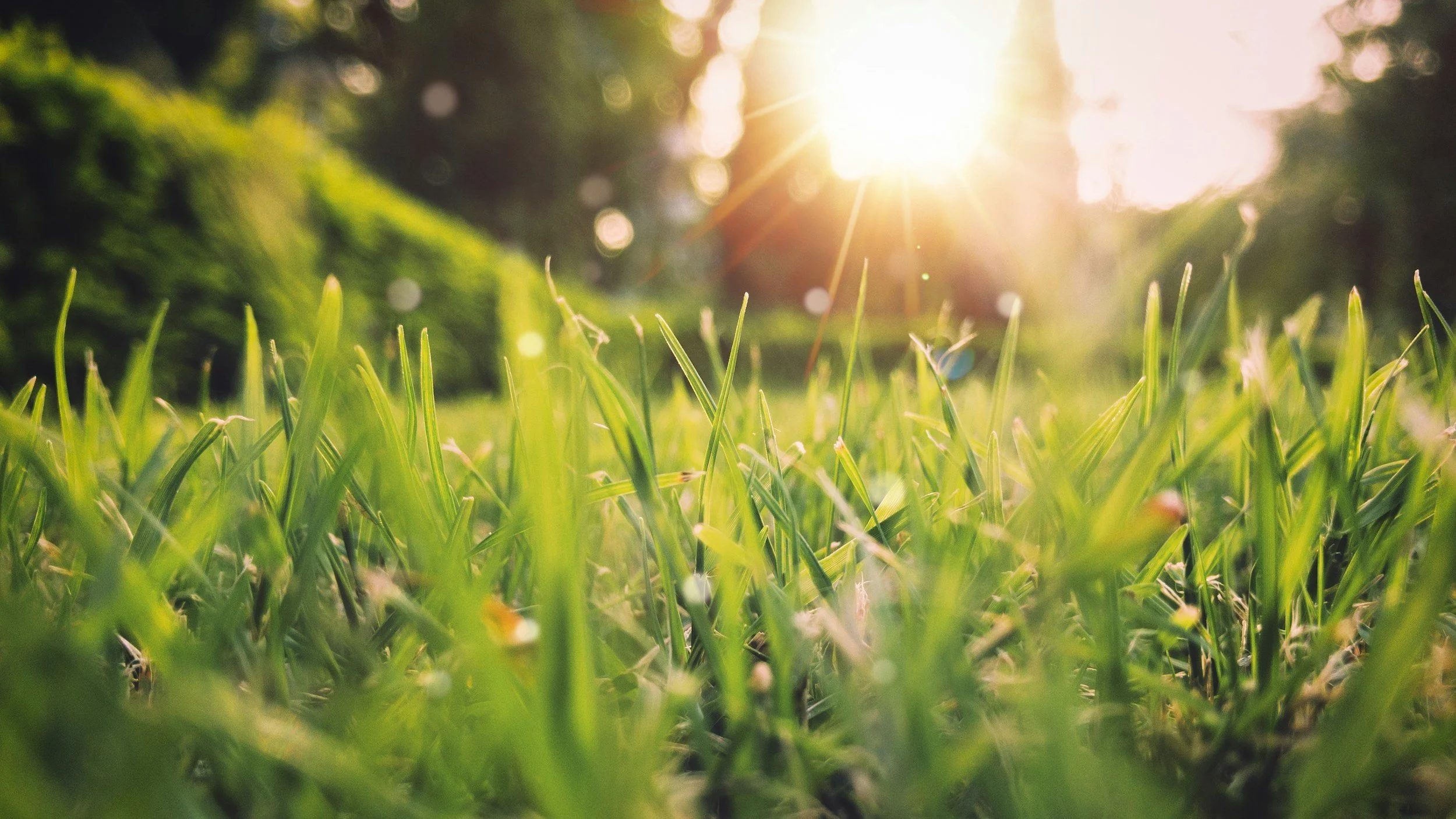
What Is the Spring Equinox?
Astronomically, the spring equinox occurs when the sun crosses the celestial equator. At this moment, the Earth's tilt aligns in such a way that day and night are nearly equal in length across the planet.
The word equinox comes from the Latin:
aequus – equal
nox – night
Equal light. Equal dark.
From this point forward in the Northern Hemisphere, daylight begins to dominate. The sun climbs higher in the sky each day, warming the soil and stirring dormant life.
Farmers have relied on this seasonal signal for thousands of years. It marks the beginning of planting season, the return of migratory animals, and the renewal of ecosystems that seemed frozen in silence only weeks before.
The Pagan Festival of Ostara
In contemporary pagan traditions, particularly within Wicca and modern witchcraft, the spring equinox is celebrated as Ostara, one of the eight seasonal festivals of the Wheel of the Year.
Ostara stands opposite the autumn equinox and sits between Imbolc and Beltane on the seasonal calendar.
Its themes include:
Renewal and rebirth
Fertility and growth
Balance between light and darkness
New beginnings and fresh intentions
At Ostara, the world is neither ruled by night nor fully claimed by the sun. It is a moment of equilibrium — a reminder that balance itself is a form of power.
Ancient Roots of Spring Celebrations
Long before the word Ostara entered modern pagan vocabulary, cultures across the world celebrated the arrival of spring.
Human societies have always paid attention to the moment when winter loosens its grip.
Some notable spring traditions include:
Persian Nowruz
A celebration of the Persian New Year that dates back over 3,000 years. Families clean their homes, prepare symbolic tables, and welcome the rebirth of nature.
Ancient Roman Festivals
The Romans celebrated seasonal renewal through festivals dedicated to fertility and agriculture, honoring deities tied to the growth of crops and the returning warmth.
Germanic and Northern European Traditions
Many historians believe early spring festivals honored fertility spirits, agricultural cycles, and possibly a goddess associated with dawn or renewal.
Though details are scarce, these traditions remind us that celebrating the return of life after winter is one of humanity’s oldest instincts.
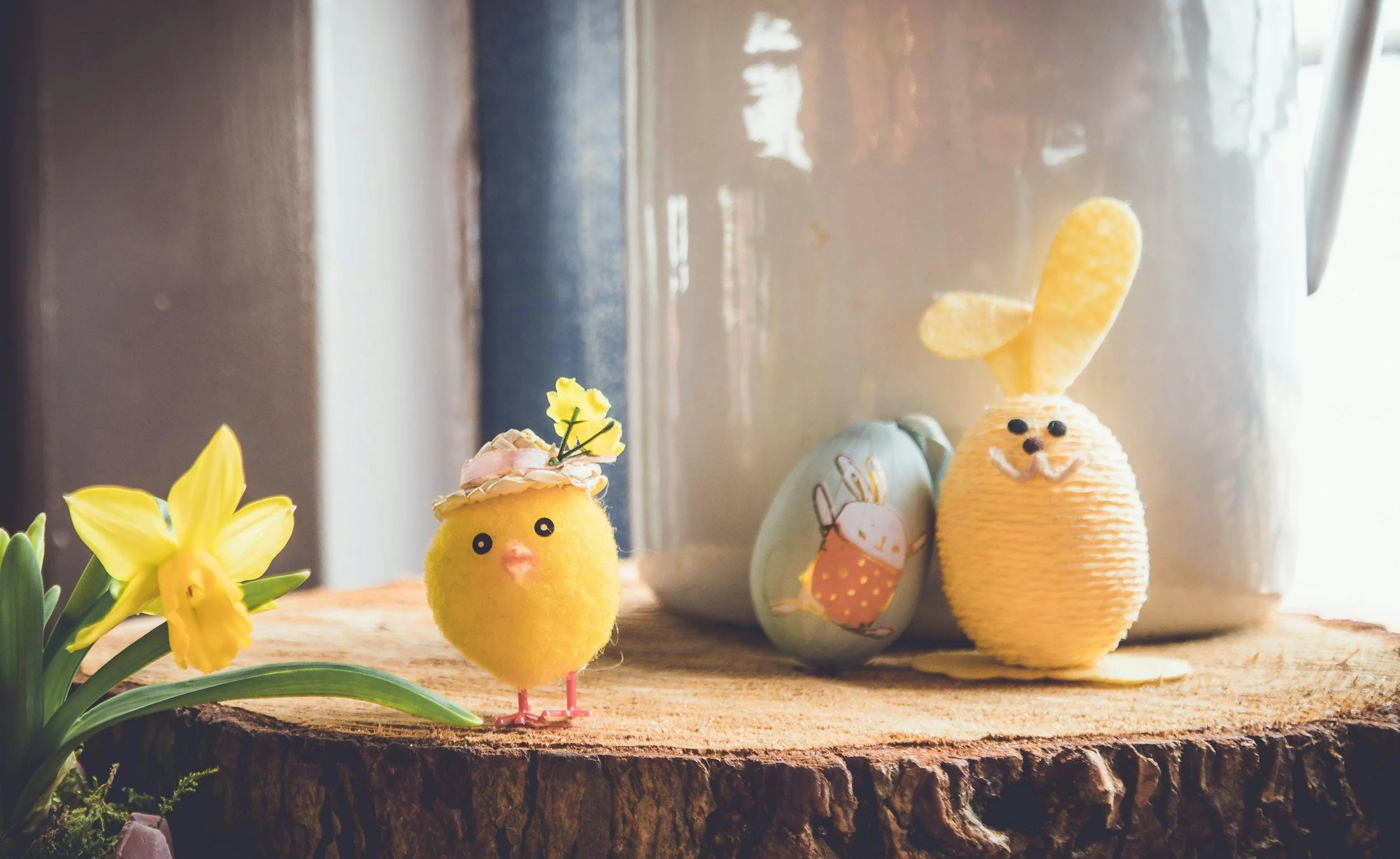
Symbols of Ostara
Spring brings a small parade of familiar symbols, many of which have quietly traveled from ancient seasonal traditions into modern holiday customs.
Eggs
Eggs represent potential and creation. In mythologies around the world, the cosmic egg appears as a symbol of the universe itself—life waiting to hatch.
Decorating eggs in spring is an ancient practice that predates modern Easter traditions.
Hares and Rabbits
Rabbits and hares are strongly associated with fertility because of their famously enthusiastic breeding habits.
In European folklore, hares were also believed to have mystical connections to the moon and to shapeshifting witches.
The now-famous “Easter Bunny” may have evolved from these earlier fertility symbols.
Flowers
Spring blossoms represent the earth awakening from winter dormancy.
Common flowers associated with Ostara include:
Daffodils
Tulips
Primroses
Crocus
Cherry blossoms
These early bloomers often push through frost-covered soil, making them powerful symbols of resilience and renewal.
The Spiritual Meaning of Balance
While Ostara celebrates the return of warmth and growth, its deeper symbolism lies in balance.
For one brief moment each year, light and darkness stand equal.
In magical and spiritual practice, this balance invites reflection:
What parts of life need harmony?
What old patterns should be released?
What seeds are ready to be planted for the coming months?
Just as the earth begins its cycle of growth, Ostara offers a chance to begin again.
Intentions planted during this season—whether through ritual, journaling, or simple quiet reflection—are often said to grow alongside the returning sun.
Celebrating Ostara Today
Modern celebrations of Ostara often blend ancient symbolism with personal spiritual practices.
Common traditions include:
Decorating eggs
Planting seeds or starting gardens
Creating spring altars with flowers and greenery
Spending time outdoors in nature
Performing rituals focused on renewal and intention-setting
Cleaning and energetically refreshing the home
Even small acts—opening windows to let fresh air in, walking through blooming parks, or planting herbs in a kitchen pot—can become quiet rituals of seasonal alignment.
The World Awakens
Ostara is not a sudden transformation.
Winter rarely disappears overnight. Frost may still linger in the morning. The air may still bite.
But beneath the soil, seeds are stirring. Roots are stretching. Life is quietly gathering strength.
The equinox reminds us that change rarely arrives with thunder. More often, it slips in quietly—one longer day at a time.
The balance has shifted.
The sun is winning.
And the earth is waking up.