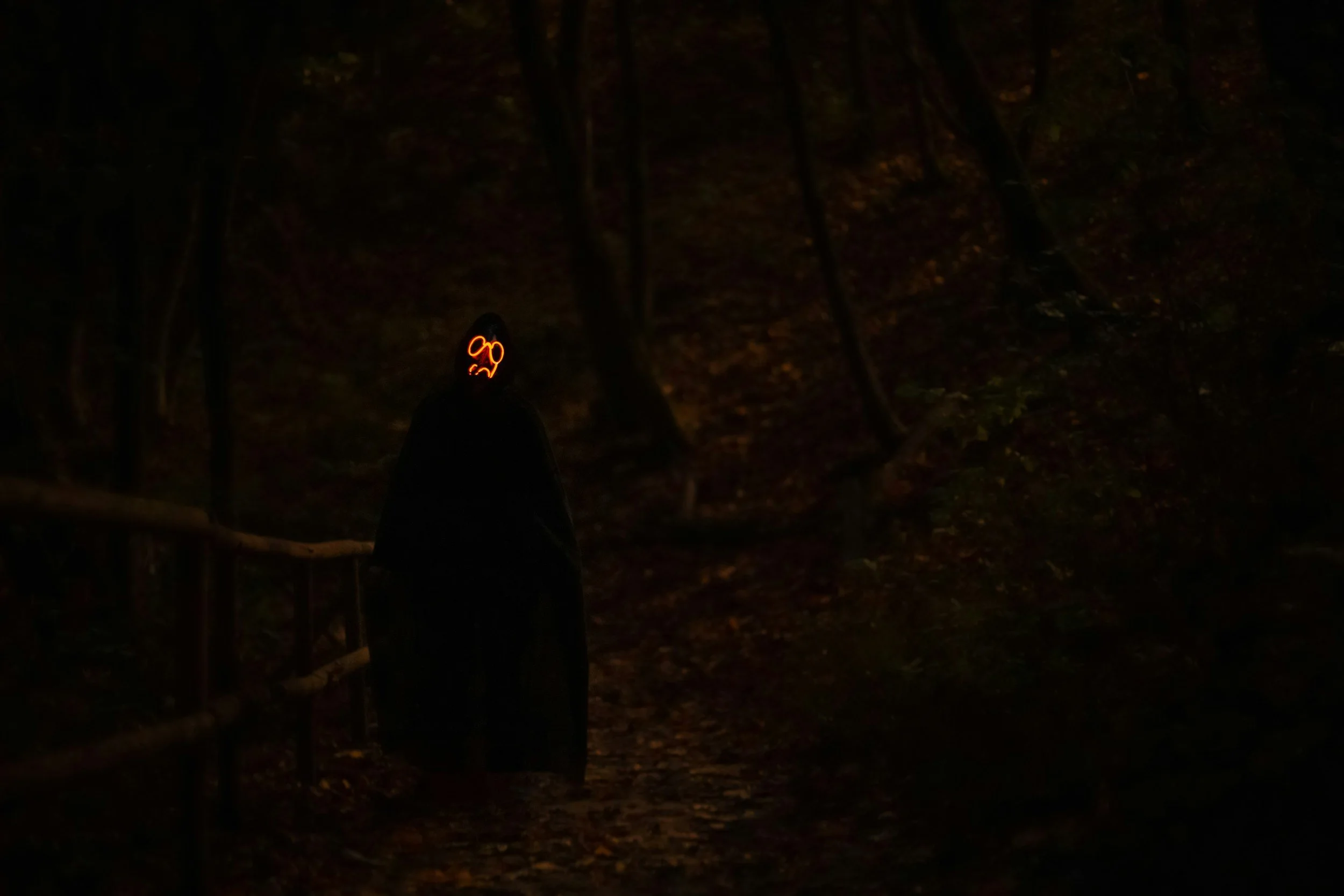
Folkloric Beings
Folklore beings are the spirits, creatures, and uncanny figures born from oral tradition rather than formal scripture. They emerge from villages, hearth fires, forest paths, and riverbanks — shaped by local fears, moral codes, seasonal rhythms, and ancestral memory. Some protect. Some mislead. Some punish. All carry cultural meaning. These beings are not distant gods; they are intimate presences, woven into daily life and landscape.
Introduction
Before there were encyclopedias, there were whispers.
A grandmother warning children not to stray too close to the woods.
A fisherman leaving bread by the riverbank.
A village insisting that the crossroads must never be crossed alone after dusk.
Folklore beings are not the polished deities of temples nor the cinematic monsters of modern screens. They are smaller, stranger, closer. They live in thresholds — hedgerows, wells, abandoned mills, old staircases, marshland fog. They are born from repetition. From “this happened to someone’s cousin once.” From “we’ve always done it this way.”
They often reflect the moral architecture of a community. Tricksters test cleverness. Water spirits warn of drowning and desire. Night wanderers embody social anxieties — about strangers, about women, about outsiders, about broken promises. In agrarian cultures, many of these beings are deeply tied to land and season. They enforce boundaries between human and wild, domestic and untamed.
What makes folklore beings powerful is not spectacle — it is proximity. They are woven into chores, superstitions, lullabies, harvest rites. They do not require belief to exist within culture; they require repetition.
And perhaps that is the quiet truth of them:
Folklore beings are less about whether they are “real”
and more about what a community needed to make real.
On this page, you’ll find them categorized not as fantasy creatures, but as cultural artifacts — each one a small mirror reflecting the fears, ethics, humor, and survival strategies of the people who told their stories.
Because long before horror became a genre, it was advice.
And long before monsters entertained us, they instructed us.
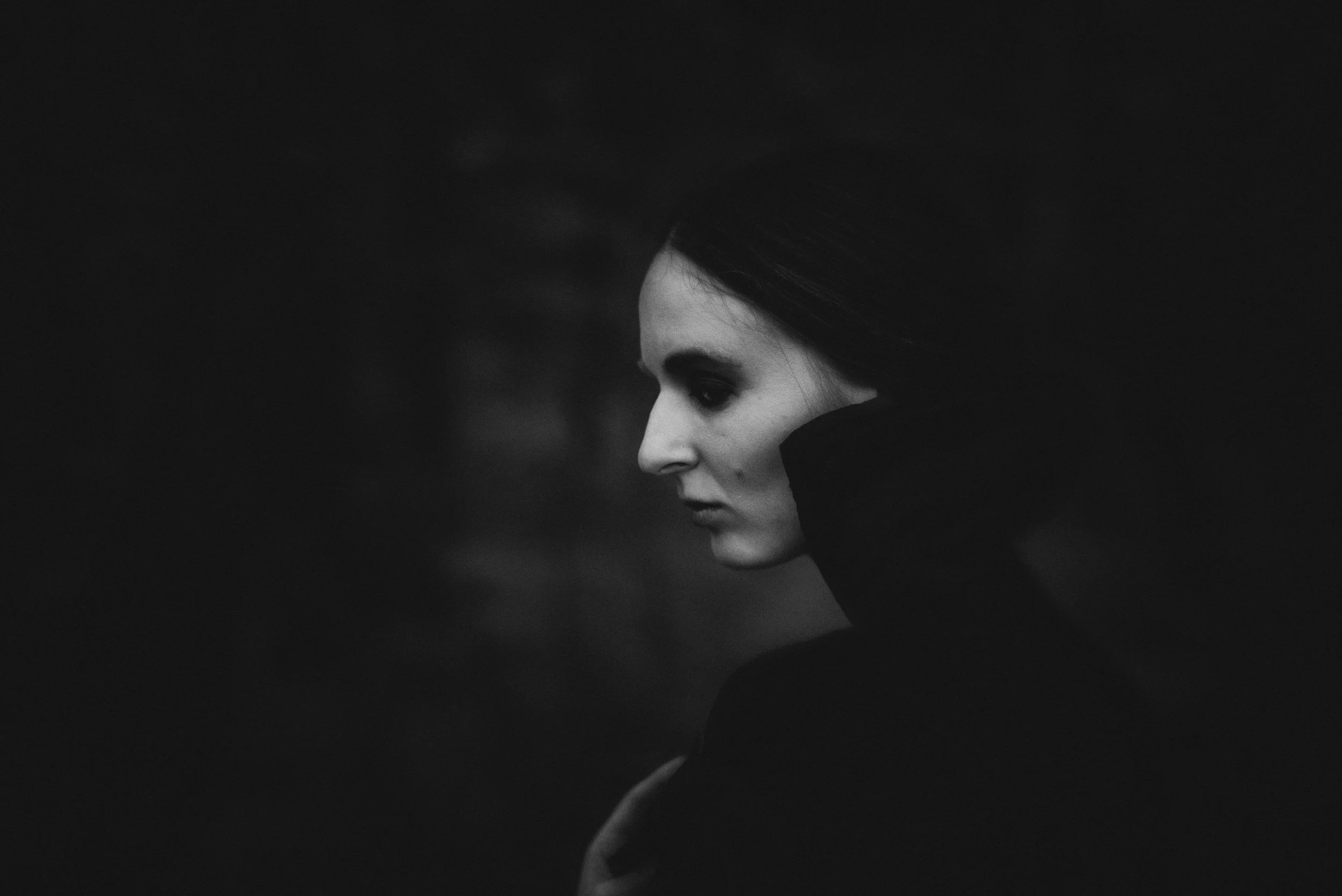
Whispered in the shadows of Balkan villages, the Shtriga is a life-draining witch who preys on the vulnerable. From cursed origins to protective rituals and modern horror adaptations, explore the chilling legend that blurs folklore, fear, and the darkness that hides closest to home.