Film & Television
Horror in film and television transforms fear into image and sound—using light, silence, pacing, and performance to make dread immediate and unavoidable.
Introduction
Film and television do not ask you to imagine the monster.
They show it to you.
Horror on screen is uniquely sensory. It manipulates atmosphere through lighting, camera movement, framing, and silence as much as through narrative. A shadow crossing a hallway. A door that remains slightly ajar. A score that swells too early—or not at all.
Where literature invites imagination, cinema controls perception. You see what the camera allows. You hear what the director chooses. The timing of a cut can be as terrifying as any apparition.
Television adds another dimension: longevity. Episodic horror allows dread to unfold slowly, embedding itself across seasons. Viewers live with haunted houses, cursed towns, and unraveling minds over time, developing intimacy with the fear.
Film horror often excels at immediacy—shock, spectacle, visual invention. Television horror excels at atmosphere and sustained unease.
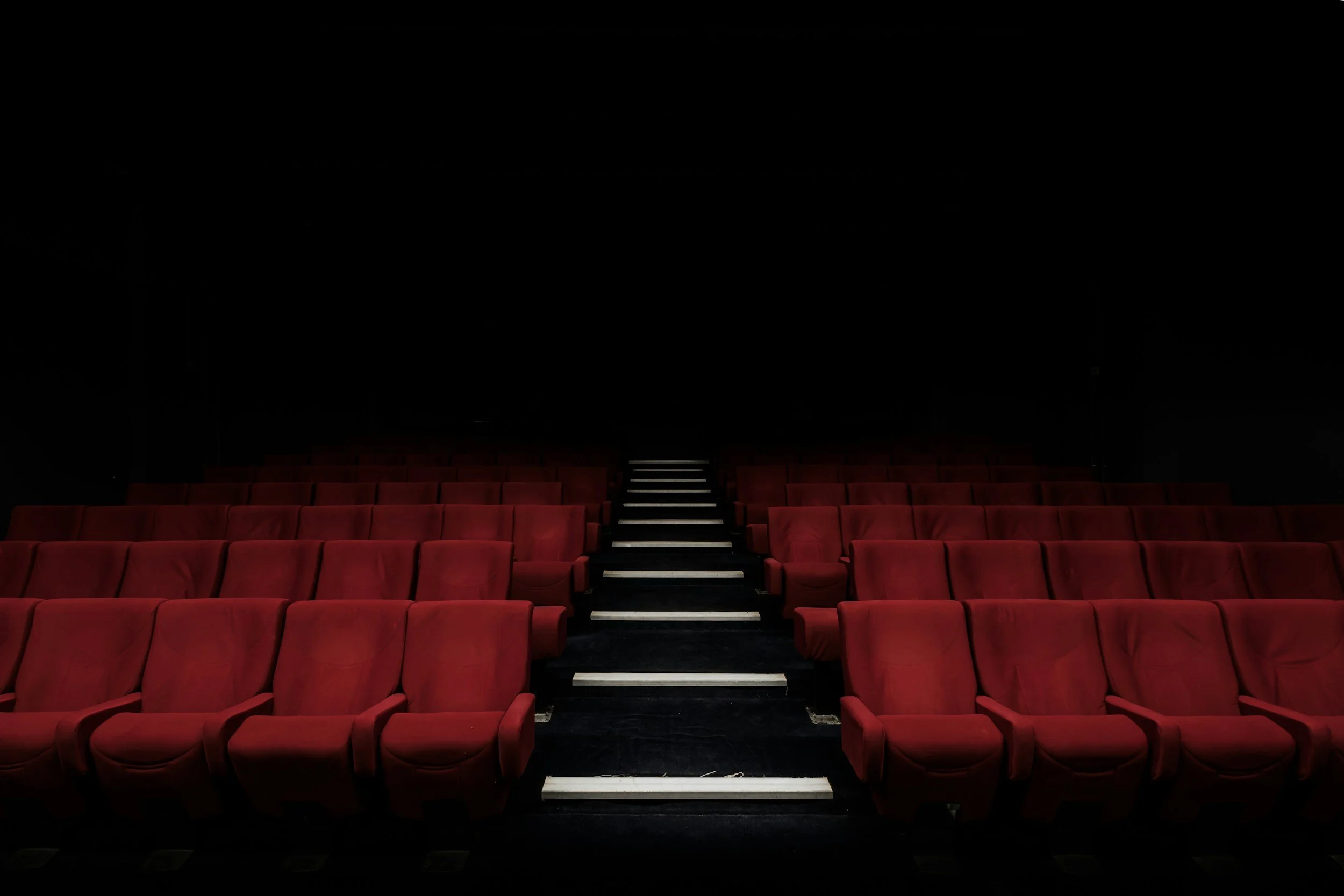
Together, they form one of the most culturally influential horror mediums of the modern era—where collective fears are projected onto a screen and shared in darkened rooms.
You do not face the terror alone.
You face it together.




Lorem ipsum dolor sit amet, consectetur adipiscing elit. Vestibulum id ligula porta felis euismod semper.