CINNABAR
(Alternate Names: Vermilion, Mercury Sulfide)
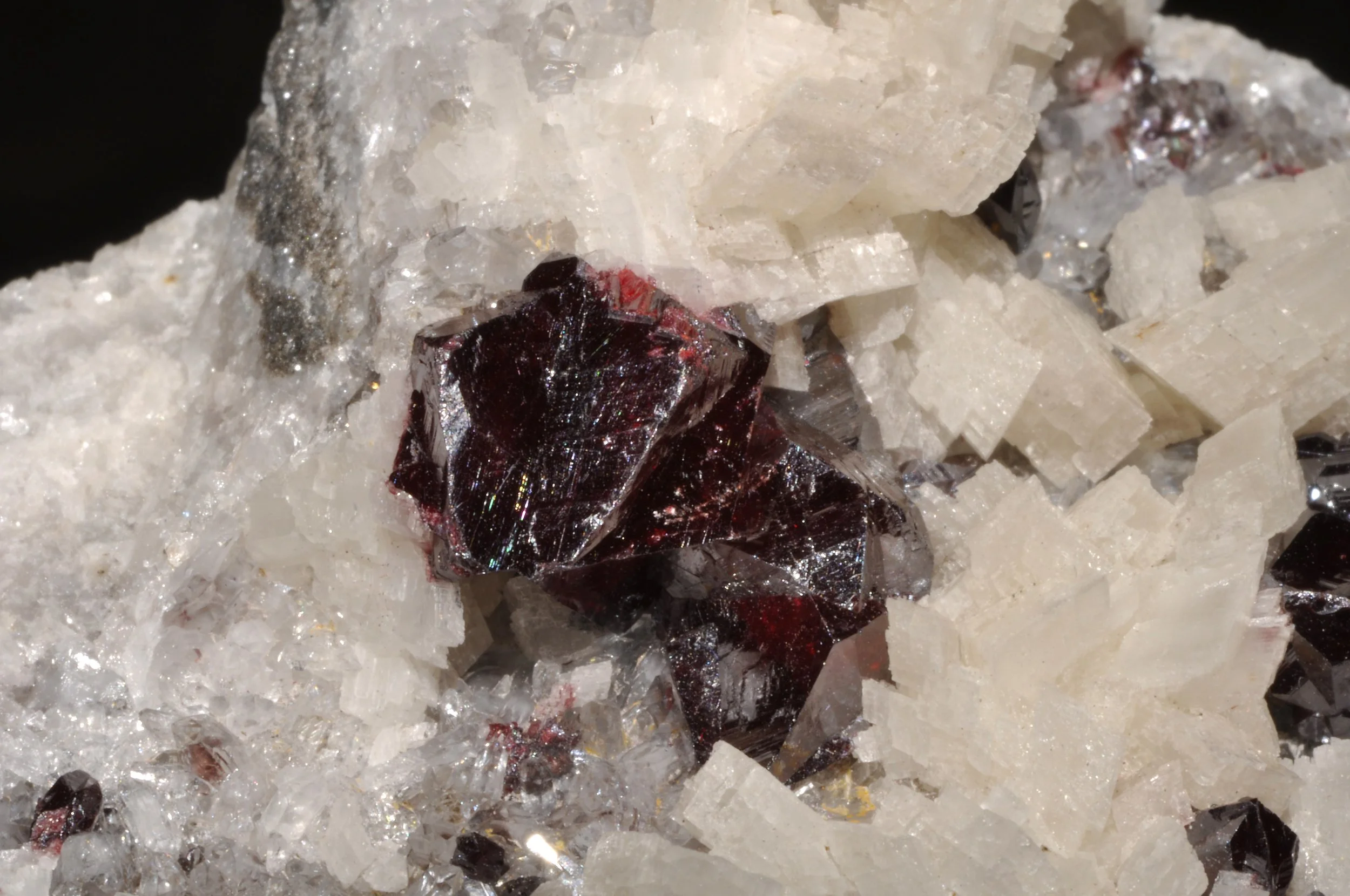
Appearance
Cinnabar is unmistakable—brilliant scarlet to deep crimson, often appearing granular, massive, or dusted across rock matrix rather than forming clean crystals. Its color is intense, almost unreal, with a matte to slightly silky sheen. Historically ground into vermilion pigment, it looks like liquid fire captured in stone.
This is not a stone that whispers. It signals.
Quick Reference Summary
Planet: Mercury (secondary: Sun)
Element: Fire
Chakra: Solar Plexus (secondary: Root)
Uses: Symbolic manifestation, transformation, prosperity lore, alchemical work
Safety: Highly toxic — energetic/symbolic use only
Best For: Alchemical study, altar symbolism, prosperity lore, transformation rites conducted without physical handling
Planetary Correspondence
Mercury governs alchemy, transmutation, thresholds, and the exchange between states of being.
A Solar influence adds vitality, power, and authority.
Cinnabar represents potential power, not a tool to wield directly—an emblem of what transformation costs.
Elemental Association
Fire — transformation, activation, irreversible change.
This is not creative fire. It is alchemical fire—dangerous, sacred, and bound by rules.
Chakra / Energy Center
Solar Plexus Chakra — willpower, ambition, manifestation.
A Root influence ties prosperity and survival themes to material reality.
Used symbolically, never placed on the body.
Myth & Lore
Cinnabar occupies a central role in ancient alchemical traditions, particularly in China, where it was associated with immortality, prosperity, and divine transformation. Paradoxically, it was both revered and feared—used in sacred rites despite its lethal nature.
Emperors sought eternal life through cinnabar elixirs, a pursuit that often led to poisoning instead of transcendence. This dual legacy cemented cinnabar as a symbol of dangerous enlightenment: power gained without wisdom carries a price.
In Western alchemy, cinnabar symbolized the red stage (rubedo)—the culmination of transformation.
Magical Properties
Core Uses
– Symbolizes transformation through sacrifice
– Represents potent manifestation energy
– Anchors prosperity and ambition lore
– Serves as an alchemical teaching stone
– Acts as a warning marker of power limits
Witchcraft Applications
– Alchemical study and ritual symbolism
– Prosperity altars (sealed/display-only)
– Transformation rites emphasizing restraint
– Shadow work focused on ambition and desire
– Historical magic reconstruction (non-contact)
Best Uses in Spellwork
– Symbolic placement on altars
– Visualization-based manifestation rituals
– Alchemical meditations (stone not touched)
– Teaching tools for transformation ethics
– Historical or scholarly ritual frameworks
Pairing Companions
– Gold symbolism or pyrite (prosperity themes)
– Obsidian (containment and boundaries)
– Smoky Quartz (grounding ambition)
– Hematite (material reality check)
– Clear Quartz (used near, not with contact)
Magical Correspondences
Zodiac: Leo, Scorpio
Deities (optional): Hermes Trismegistus, Hades, Hephaestus
Sabbats: Samhain, Midsummer
Intentions: transformation, manifestation, prosperity lore, alchemical insight
Ritual Tip
Never touch Cinnabar directly during ritual. Place it sealed beneath glass or within a closed vessel. Let it serve as a reminder, not a conduit. The lesson of cinnabar is not how to gain power—but when not to reach for it.
Shadow Side (Warnings / Common Myths)
Toxicity:
– Contains mercury sulfide
– Do not touch, ingest, grind, heat, or use in elixirsWater/heat/sunlight safety:
– Not water-safe
– Heat releases toxic mercury vapor
– Sunlight irrelevant; risk is physical, not energeticCleansing cautions:
– No physical cleansing methods
– Energetic cleansing only, from a distanceKnown myths:
– “Safe if sealed in water” (false)
– “Wearable for manifestation” (dangerous and incorrect)
Care & Charging Methods
🌿 Safe
– Energetic intention only
– Moonlight at a distance
– Sound cleansing directed toward, not over
– Placement near grounding stones (without contact)
⚠️ Caution
– Always store sealed
– Wash hands after proximity handling
– Keep away from pets and children
❌ Do Not
– Touch with bare hands
– Water immersion
– Salt cleansing
– Heat exposure
– Cutting, grinding, or drilling
– Elixirs of any kind
How to Tell Real from Fake
Real Cinnabar:
– Deep red to crimson color
– Often granular or massive, not glassy
– Sold with safety warnings by reputable dealers
Common imitations:
– Dyed quartz or calcite
– Red resin or glass marketed as cinnabar
If it’s marketed as “safe to wear,” it is either fake—or irresponsibly sold.
Affirmation
“I respect power, and I choose wisdom over harm.”
Turn to Cinnabar as a lesson, not a tool. True transformation demands restraint as much as desire.