Censorship & Controversies
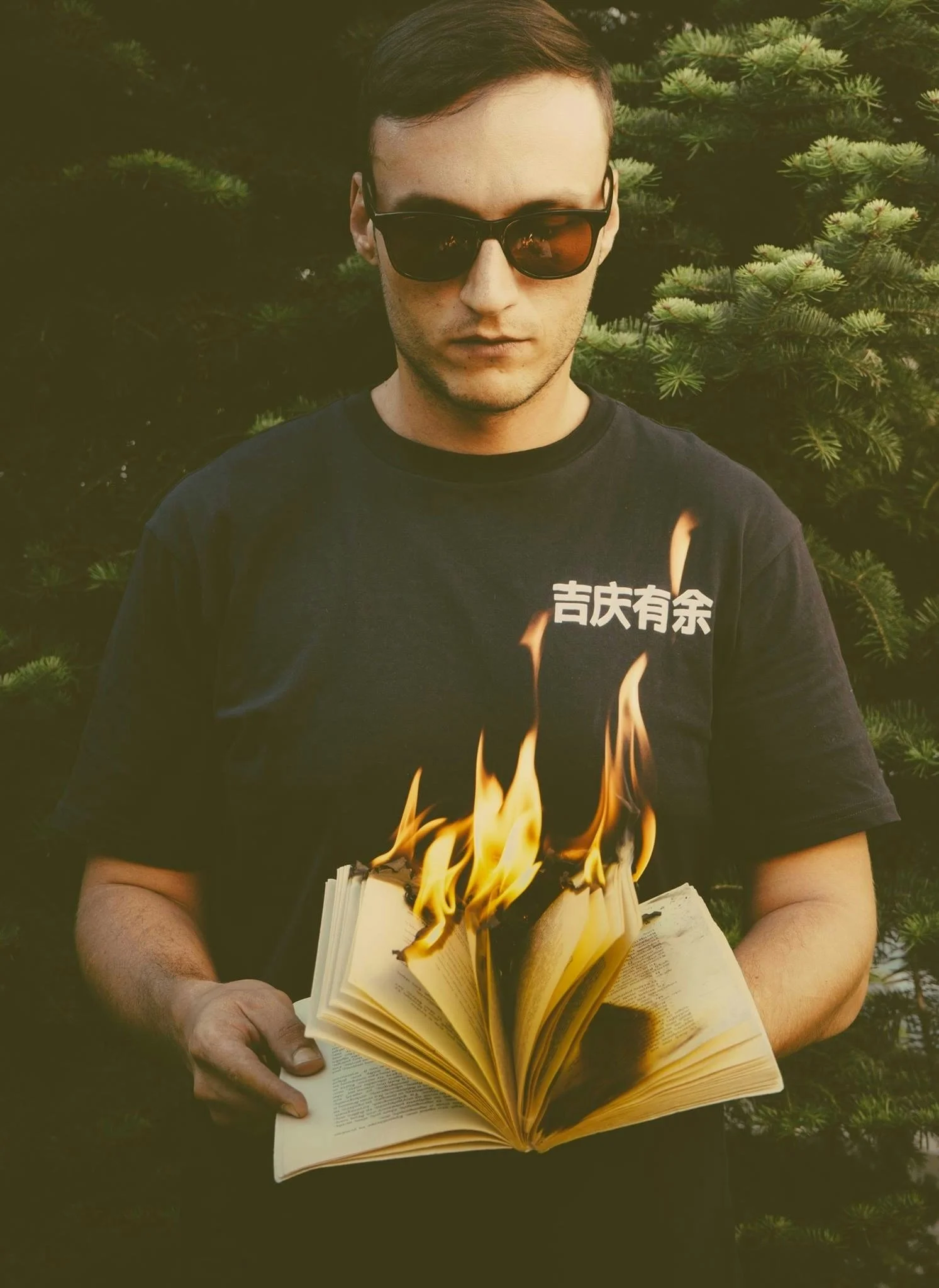
Censorship and controversy in horror refer to the suppression, banning, alteration, or public condemnation of horror stories, films, and media due to fears about their moral, psychological, religious, or social influence.
Horror has always attracted suspicion.
It is the genre that refuses to behave. It does not reassure. It does not promise safety. Instead, it lingers in the spaces polite society prefers to keep closed—death, possession, madness, the fragility of the human body, and the possibility that the world is not as stable as it appears.
Because of this, horror has repeatedly been treated not simply as entertainment, but as a threat.
In the 18th and 19th centuries, Gothic novels were condemned for corrupting young readers, particularly women, who were believed to be uniquely vulnerable to imaginative influence. Stories of ghosts and monsters were accused of encouraging hysteria, moral weakness, and improper curiosity.
The pattern continued as new media emerged.
Early horror films in the 1920s and 1930s faced regional bans and heavy editing. By the mid-20th century, entire regulatory systems had formed to control what horror could depict. In the United States, the Comics Code Authority imposed strict limitations on horror comics, forbidding images of vampires, werewolves, and excessive terror. In Britain, the Video Nasty panic of the 1980s led to dozens of horror films being seized, banned, or prosecuted under obscenity laws.
Often, the concern was not simply violence.
It was what horror implied.
That authority could fail.
That evil could persist.
That the familiar could become dangerous.
Religious institutions objected to depictions of possession and blasphemy. Governments objected to themes that challenged social order. Parents objected to material they believed might influence the behavior of their children.
And yet, censorship rarely erased horror.
It preserved it.
Banned works gained reputation. Restricted films became more sought after. Stories labeled dangerous acquired a gravity that ordinary fiction did not possess.
To forbid a horror story is to give it teeth.
Because horror does not rely on permission.
It survives through retelling. Through rumor. Through private viewing. Through whispered recommendation.
It adapts.
In many cases, the controversy surrounding a work becomes inseparable from the work itself. The censorship becomes part of its mythology. The act of suppression becomes another chapter in its history.
This is the paradox at the center of horror.
Attempts to silence it often ensure that it will be remembered.
Not in spite of the fear it causes.
But because of it.
18th & 19th Century Foundations
1796: The Monk by Matthew Lewis condemned — criticized for blasphemy, sexual content, and corrupting readers.
1818: Frankenstein banned in some regions — viewed as offensive to religion and dangerous for challenging creation.
1820s: Gothic novels restricted in schools — feared to encourage hysteria and moral decay, especially in women.
1897: Dracula faced religious criticism — accused of promoting occult and anti-Christian themes.
Early Film Era
1910: Frankenstein (Edison film) censored — considered disturbing and morally questionable.
1922: Nosferatu ordered destroyed — lawsuit from Bram Stoker’s estate; prints confiscated.
1931: Frankenstein banned in Kansas — considered blasphemous and immoral.
1932: Freaks banned in multiple countries — deemed grotesque and offensive.
1934: Hays Code enforced — strict censorship rules imposed on horror films.
1940s–1950s: Moral Panic and Comics
1943: Cat People censored internationally — viewed as sexually suggestive.
1954: Comics Code Authority established — banned horror comic imagery (vampires, zombies, excessive terror).
1955: EC Comics horror titles cancelled — accused of corrupting youth.
1960s: Violence and Psychological Horror
1960: Psycho banned or restricted — shocking violence and sexual themes.
1963: Blood Feast banned in multiple countries — extreme gore.
1968: Night of the Living Dead condemned — graphic violence and bleak ending.
1970s: Religious and Social Panic
1971: The Devils banned in several countries — religious blasphemy and sexual violence.
1972: Last House on the Left banned — extreme violence.
1973: The Exorcist banned or restricted globally — religious outrage and fear of psychological harm.
1974: Texas Chain Saw Massacre banned worldwide — excessive brutality.
1978: Halloween restricted in some countries — violence and youth vulnerability.
1980s: The Video Nasty Panic
1980: Cannibal Holocaust banned — graphic violence and animal cruelty.
1981: The Evil Dead banned in UK — included on “Video Nasties” list.
1982: UK Video Nasty List created — government seizure of horror films.
1984: A Nightmare on Elm Street restricted — violent content.
1985: Return of the Living Dead censored — gore and nihilism.
1990s: Violence and Youth Influence
1991: Silence of the Lambs protested — violence against women concerns.
1996: Scream criticized — blamed for inspiring copycat crimes.
1999: The Blair Witch Project controversy — marketed as real deaths.
2000s: Extreme Horror Backlash
2000: Battle Royale banned in several countries — youth violence.
2002: The Ring criticized — psychological trauma concerns.
2005: Hostel condemned — torture themes.
2007: Saw series banned in some countries — graphic torture.
2008: Martyrs banned or restricted — extreme brutality.
2010s: Internet Horror and Moral Panic
2012: Slender Man controversy begins — blamed for psychological harm.
2014: Slender Man stabbing incident — media blamed horror fiction.
2015: The Human Centipede banned in several regions — extreme content.
2017: IT controversy — fear of clown panic resurgence.
2020s: Modern Controversy
2020: The Hunt delayed and censored — political violence concerns.
2022: Terrifier 2 controversy — reports of audience fainting and extreme violence.
2023: TikTok horror challenges restricted — concern over youth safety.
Literary Censorship Events
1929: Dracula banned in some schools — occult influence concerns.
1971: The Exorcist novel banned in libraries — religious objections.
1980s: Stephen King books frequently banned — violence and disturbing content.
1990s–2000s: Goosebumps challenged in schools — frightening children.
Submit to the Archive
If you would like to suggest a topic or share a lead worth investigating, submit it to us for review. Click Here