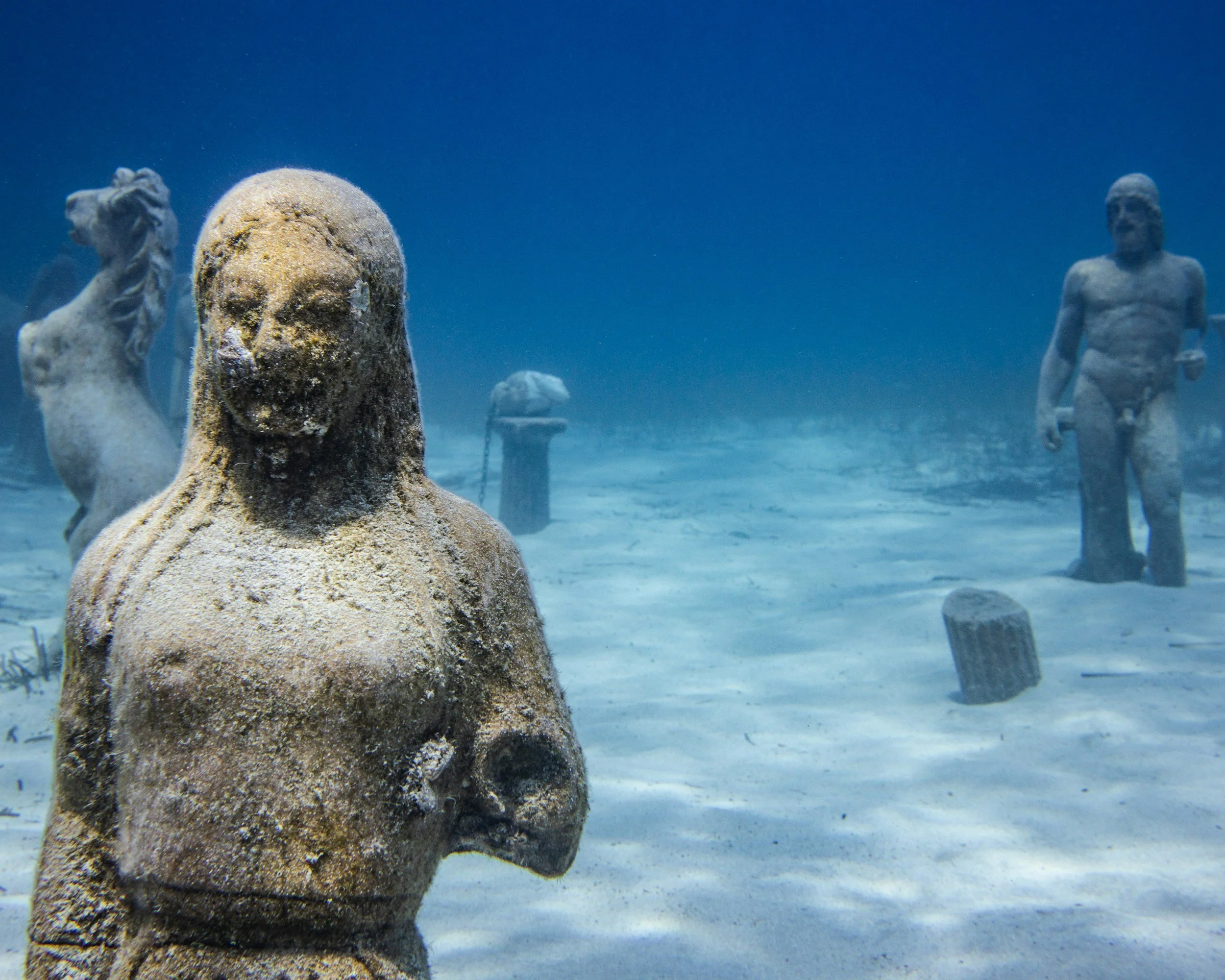
Atlantis
A lost civilization described by Plato, later transformed into esoteric legend. Whether allegory or imagined history, Atlantis persists as a symbol of advanced knowledge, hubris, and catastrophic downfall.
Introduction
Atlantis is a legendary island first described by the Greek philosopher Plato in his dialogues Timaeus and Critias. According to the account, Atlantis was a powerful and advanced maritime civilization that existed beyond the “Pillars of Heracles” (often associated with the Strait of Gibraltar). In Plato’s narrative, the Atlanteans grew wealthy and technologically impressive but eventually became morally corrupt. As punishment, their island was swallowed by the sea in a single day and night of catastrophe. In its earliest form, the story functions as philosophical allegory—a warning about hubris, imperial ambition, and decline.
Over time, however, Atlantis escaped its original context. During the 19th and 20th centuries, writers, occultists, and speculative historians reimagined it as a lost prehistoric super-civilization, sometimes attributing to it advanced science, esoteric wisdom, or psychic power. These reinterpretations moved Atlantis from philosophical parable into the realm of alternative history and mystical lore.
Today, Atlantis occupies a unique space between myth, metaphor, and modern legend. It represents the enduring human fascination with vanished greatness—an imagined golden age destroyed by its own excess. Whether read as allegory, cautionary tale, or speculative mystery, Atlantis persists not because of archaeological proof, but because it speaks to recurring cultural fears: collapse, forgotten knowledge, and the fragility of civilization itself.
Graham Hancock’s Ancient Apocalypse lingers like a phantom in the streaming void. From Ice Age cataclysms to Atlantis reborn, the series grips millions with whispers of forbidden history. But what lies beneath the ruins—truth or tantalizing myth? We unravel the evidence, the allure, and why Netflix can’t quit this story.