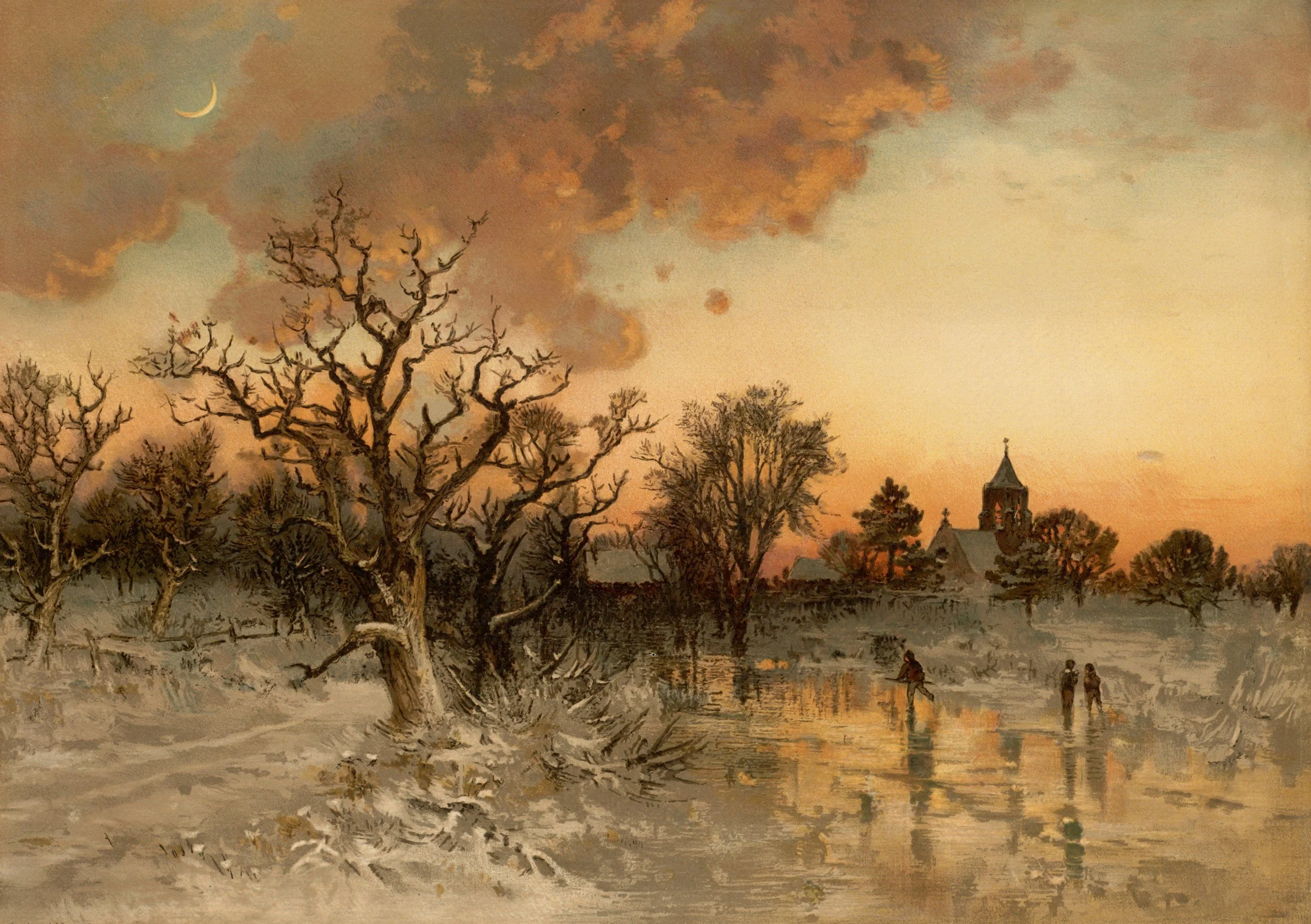
19th Century
Legends, cautionary tales, and recorded folklore circulating between 1800 and 1899, shaped by industrialization, urban growth, and the transition from oral storytelling to printed preservation.
Introduction
The 19th century is where folklore first began to realize it might not survive.
Cities grew faster than memory. Rural traditions fractured under industrial expansion. Communities that had shared stories face-to-face were suddenly separated by distance, labor, and the machinery of modern life.
In response, something changed.
Stories that had lived only in the voice were captured in ink.
Collectors, scholars, and ordinary people began writing down tales that had once existed only in whispers and repetition. Some of these stories were ancient—fairy tales, regional warnings, and inherited fears. Others were new, shaped by modern anxieties: trains, factories, anonymous cities, and strangers without histories.
This century did not create fear.
It archived it.
And in doing so, ensured that stories which might have vanished alongside their tellers would instead survive—fixed in language, waiting for future generations to find them again.


Step into the shadows and explore the world's most haunted locations. From Paris’s Catacombs to Mexico’s Island of the Dolls, uncover chilling histories, ghostly whispers, and eerie experiences that blur the line between the living and the dead. Dare to wander where history refuses to rest.