Greek Gods, Monsters, and the Unavoidable Weight of Fate
A Living Archive of Gods, Spirits, and Meaning-Bearers
Greek myth does not pretend the universe is fair.
It presents a world ruled by powerful, immortal beings who are brilliant, petty, passionate, and deeply involved in human affairs—often to disastrous effect. Gods interfere, monsters emerge from divine punishment or desire, and mortals are caught in the consequences of vows made generations before they were born. Order exists, but it is fragile, negotiated, and frequently broken.
This archive gathers the gods, spirits, monsters, heroes, and liminal figures of Greek tradition as they function within that volatile system. Here, divinity is not distant. The gods love, rage, scheme, and take sides. Monsters are not accidents; they are answers to transgression, imbalance, or prophecy. Heroes rise not because they are pure, but because they are capable—and often because they are doomed.
Greek mythology is not a single, unified canon. It is a chorus of regional traditions, competing versions, and stories reshaped by poets, playwrights, and philosophers. This archive embraces that instability. Contradiction is not corrected here; it is preserved as evidence of a culture that argued with itself about power, justice, and the nature of the divine.
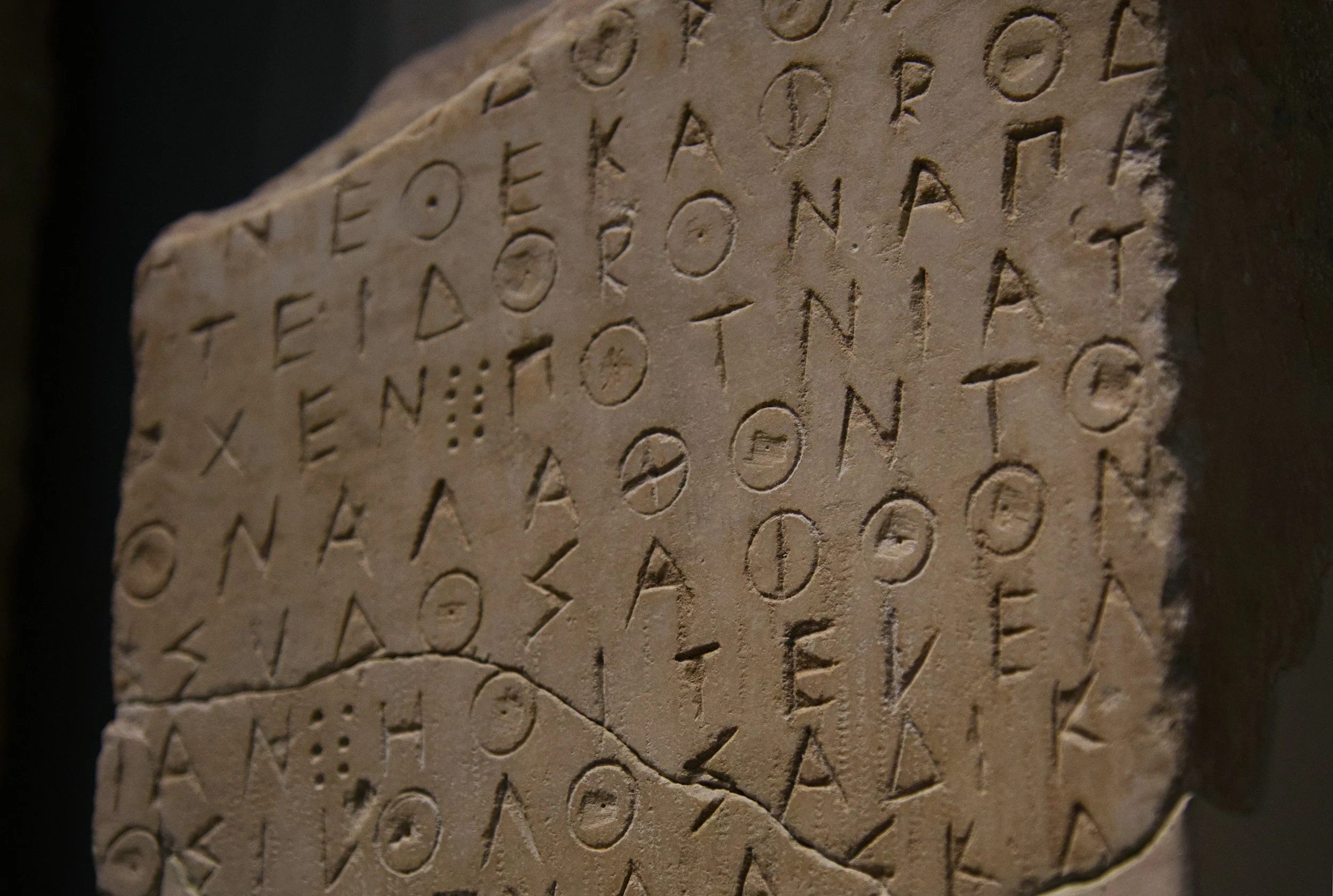
The Archive
(Each entry links to a full informational article exploring origins, symbolism, and cultural role.)
🜂 Olympian Gods & Divine Authority
Rule, Rivalry, and the Politics of Immortality
Aphrodite — Goddess of love, desire, and attraction, wielding power that destabilizes gods and mortals alike. Aphrodite governs compulsion rather than romance, reminding the cosmos that beauty is never neutral.
Apollo — God of prophecy, music, healing, and plague, embodying order sharpened into cruelty when crossed. Apollo represents divine clarity that often arrives without mercy.
Ares — God of bloodshed and chaotic violence, feared more than respected by gods and mortals alike. Ares represents war as destruction rather than strategy or honor.
Artemis — Goddess of the hunt, wilderness, and liminal girlhood, fiercely protective and ruthlessly vengeful. Artemis governs boundaries that must not be crossed.
Athena — Goddess of wisdom, strategy, and civilization, born fully armed from Zeus’s head. Athena represents controlled intellect, political power, and calculated justice.
Demeter — Goddess of agriculture and the fertility of the earth, whose grief brings famine. Demeter’s power reveals that survival itself is leverage.
Dionysus — God of wine, madness, ecstasy, and divine disruption, both insider and outsider on Olympus. Dionysus dissolves social order to reveal what lies beneath it.
Hera — Queen of the gods and goddess of marriage, sovereignty, and lawful authority. Hera enforces divine order through loyalty tests and relentless punishment.
Hermes — Messenger of the gods, patron of thieves, travelers, and trickery. Hermes governs movement between worlds and rules by speed, wit, and adaptability.
Hestia — Goddess of the hearth and domestic stability, embodying sacred stillness amid Olympian chaos. Hestia’s power lies in continuity rather than dominance.
Poseidon — God of the sea, earthquakes, and untamed forces, volatile and easily provoked. Poseidon rules what cannot be contained or reasoned with.
Zeus — King of the Olympian gods, wielder of thunder and divine law. Zeus governs through authority, favoritism, and fear, maintaining order he himself often disrupts.
🜁 Chthonic Gods & Underworld Powers
Death, Oaths, Punishment, and the Weight Beneath
Aeacus — One of the three judges of the dead, tasked with judging the souls of Europe. Aeacus represents inherited guilt and the long memory of bloodlines.
Charon — The ferryman of the dead who carries souls across the rivers of the underworld. Charon enforces the boundary between life and death with indifference rather than cruelty.
The Erinyes — Ancient goddesses of vengeance who pursue crimes of blood, oath-breaking, and familial betrayal. The Erinyes exist to ensure that no transgression escapes consequence.
Hades — Ruler of the underworld and keeper of the dead, governing with impartial authority rather than malice. Hades embodies inevitability, possession, and the finality of death.
Hecate — Goddess of crossroads, ghosts, magic, and liminal spaces, standing at the edges of worlds. Hecate governs transitions, thresholds, and the dangerous knowledge that comes with them.
Hypnos — Personification of sleep, brother of death, whose touch suspends consciousness. Hypnos represents surrender, vulnerability, and the thin veil between rest and oblivion.
Minos — A king turned judge of the dead, presiding over final judgments in the underworld. Minos reflects the belief that earthly power follows the soul beyond death.
Nemesis — Goddess of righteous vengeance who punishes hubris and imbalance. Nemesis ensures that excess—whether pride, fortune, or power—is eventually corrected.
Persephone — Queen of the underworld and goddess of seasonal renewal, existing between life and death. Persephone embodies transformation through descent rather than innocence lost.
Rhadamanthus — Judge of the dead associated with fairness and moral clarity. Rhadamanthus represents law applied without sentiment.
Styx — Goddess and personification of the underworld river upon which the gods swear unbreakable oaths. Styx represents binding truth that even immortals fear to violate.
Thanatos — Personification of nonviolent death, calm and unavoidable. Thanatos embodies death as completion rather than punishment.
🜃 Spirits, Daimones & Lesser Divine Beings
Messengers, Personifications, and Invisible Forces
Ate — Spirit of ruin, delusion, and reckless folly who clouds judgment before disaster strikes. Ate represents the moment reason fails just long enough for catastrophe to become inevitable.
Deimos — Personification of terror and dread, often accompanying Ares into battle. Deimos embodies fear as a weapon rather than a weakness.
Eirene — Spirit of peace and orderly prosperity, emerging only after justice is restored. Eirene represents stability as a fragile, earned condition.
Eris — Goddess of strife and discord whose smallest interventions cause disproportionate destruction. Eris reveals how conflict often begins quietly and escalates beyond control.
Eros — Primordial force of desire and attraction, older and more dangerous than romance. Eros governs compulsion, creation, and loss of self through longing.
Harmonia — Spirit of balance and concord whose gifts often carry hidden curses. Harmonia reflects order achieved through fragile agreement rather than permanence.
Iris — Divine messenger who travels along rainbows between worlds. Iris embodies communication as movement—swift, colorful, and transient.
Kratos — Personification of strength and brute power, enforcing Zeus’s authority. Kratos represents rule maintained through force rather than consent.
Moirai — The three Fates who spin, measure, and cut the thread of life. The Moirai govern destiny itself, beyond the reach of gods or mortals.
Nike — Personification of victory, appearing where success is secured rather than earned. Nike represents outcome divorced from morality.
Phobos — Spirit of panic and rout, twin to Deimos. Phobos embodies fear that spreads faster than reason.
Thanatos — Gentle personification of death distinct from violence or punishment. Thanatos represents the quiet end that arrives without negotiation.
Tyche — Goddess of chance, fortune, and randomness. Tyche governs what happens when planning fails and outcomes feel unfair.
🜄 Monsters, Beasts & Divine Punishments
What Happens When Boundaries Are Broken
Cerberus — The three-headed hound guarding the gates of the underworld, preventing the dead from escaping and the living from entering uninvited. Cerberus enforces the finality of death through brute vigilance.
Charybdis — A monstrous whirlpool that swallows ships whole, born from divine punishment. Charybdis represents unavoidable destruction caused by forces far larger than human choice.
Chimera — A fire-breathing creature composed of lion, goat, and serpent, unleashed as a terror upon the land. The Chimera embodies chaos created through unnatural union.
Cyclopes — A race of powerful giants associated with raw strength and craftsmanship. The Cyclopes represent force without restraint, capable of creation or devastation depending on who commands them.
Echidna — A half-woman, half-serpent figure who births many of Greece’s greatest monsters. Echidna embodies generative chaos—punishment that multiplies rather than resolves.
Gorgons — Three sisters whose gaze turns the living to stone, the most famous being Medusa. The Gorgons represent punishment made permanent—warning frozen into form.
Harpies — Winged spirits who steal food and spread filth, often used as agents of divine retribution. Harpies punish through deprivation rather than violence.
Hydra — A regenerative serpent whose heads multiply when cut, guarding cursed ground. The Hydra represents problems that worsen when confronted without strategy or restraint.
Ladon — A serpentine dragon set to guard the golden apples of the Hesperides. Ladon embodies punishment as eternal vigilance rather than attack.
Minotaur — A bull-headed creature born of divine curse and human transgression, imprisoned within the Labyrinth. The Minotaur represents shame hidden rather than resolved.
Scylla — A once-nymph transformed into a many-headed predator haunting narrow straits. Scylla embodies punishment that offers no moral escape—only loss.
Sphinx — A monstrous being who kills those unable to answer her riddle. The Sphinx represents punishment through intellect—failure of understanding made fatal.
Typhon — A colossal storm-giant and final challenger of Zeus’s rule. Typhon embodies cosmic rebellion and the near-collapse of divine order itself.
🜂 Heroes, Demigods & Doomed Bloodlines
Glory, Hubris, and the Cost of Being Remembered
Achilles — The greatest warrior of the Trojan War, nearly invincible and catastrophically prideful. Achilles embodies glory purchased with an early death and a name that outlives mercy.
Atalanta — A fierce huntress who outruns and outwits most men, resisting marriage and domestic fate. Her story exposes how female excellence is often punished through trickery rather than defeat.
Bellerophon — A monster-slayer who defeats the Chimera, only to fall through arrogance when he attempts to reach Olympus. Bellerophon represents success undone by the belief that achievement grants divinity.
Heracles — A demigod of immense strength condemned to labor through madness, violence, and penance. Heracles embodies heroism as endurance rather than virtue.
Jason — Leader of the Argonauts and seeker of the Golden Fleece, remembered as much for betrayal as bravery. Jason’s legacy shows how ambition corrodes loyalty.
Medea — A powerful foreign sorceress whose love and vengeance reshape multiple myths. Medea exposes the cost of betrayal when intelligence and rage are denied justice.
Odysseus — A cunning survivor whose cleverness prolongs his suffering as much as it saves him. Odysseus represents intelligence as both weapon and curse.
Oedipus — A king doomed by prophecy to commit patricide and incest despite every attempt to avoid fate. Oedipus embodies the horror of knowledge arriving too late.
Orpheus — A poet whose music bends gods, beasts, and the dead, yet cannot overcome doubt. Orpheus shows that devotion without trust is still a failure.
Perseus — Slayer of Medusa and favored by the gods, achieving greatness through divine assistance and borrowed tools. Perseus represents heroism made possible by patronage rather than suffering alone.
Theseus — A civilizing hero and monster-slayer whose reign collapses under broken promises and abandonment. Theseus illustrates how heroism curdles when responsibility is neglected.
🜁 Oracles, Seers & Voices of Fate
Prophecy, Madness, and Unwelcome Knowledge
Cassandra — A prophetess cursed to speak true prophecies that no one will believe. Cassandra embodies the cruelty of knowledge without authority.
Calchas — A diviner of the Trojan War whose prophecies guide military decisions. Calchas represents knowledge in service of power, regardless of cost.
Delphic Oracle — The prophetic voice of Apollo, delivering truths that are precise, ambiguous, and devastating. The Delphic Oracle reveals fate without ever explaining how to escape it.
Helenus — A Trojan prince gifted with prophecy, later forced to aid the Greeks. Helenus reflects the political usefulness—and vulnerability—of foresight.
Manto — A Theban seer and daughter of Tiresias, carrying prophetic inheritance across generations. Manto represents knowledge as lineage rather than choice.
Melampus — A healer-prophet who understands animal speech and cures madness. Melampus embodies prophecy as something learned through suffering and exile.
Sibyls — Wandering prophetesses who speak divine truths under possession rather than control. The Sibyls represent prophecy as endurance rather than power.
Teiresias — A blind prophet who experiences life as both man and woman, gaining insight through transformation. Teiresias embodies wisdom purchased through loss and dislocation.
To enter Greek myth is to enter a world where choice matters, but not always in the ways one expects.
These stories endure because they acknowledge uncomfortable truths: that cleverness can be punished, obedience can still lead to ruin, and the gods do not owe mortals clarity or mercy. Fate looms, but it is rarely simple. Sometimes it can be delayed. Sometimes it can be misunderstood. Sometimes it cannot be avoided at all.
As you move through this archive, you will find gods who blur into monsters, heroes who resemble villains, and creatures whose existence raises more questions than answers. This is not a flaw—it is the inheritance Greek myth leaves behind. A tradition unafraid to show power as complicated, morality as situational, and the universe as something that must be navigated, not trusted.
If you wish to step beyond structure and into story—into retellings, folklore fragments, speculative encounters, and quieter narratives that live between the epics—the Folklore Archive awaits. That is where these figures stop being cataloged and start speaking again.
The fates have already woven the thread.
The only question is how closely you’re willing to look.