Necromancy & Death Work
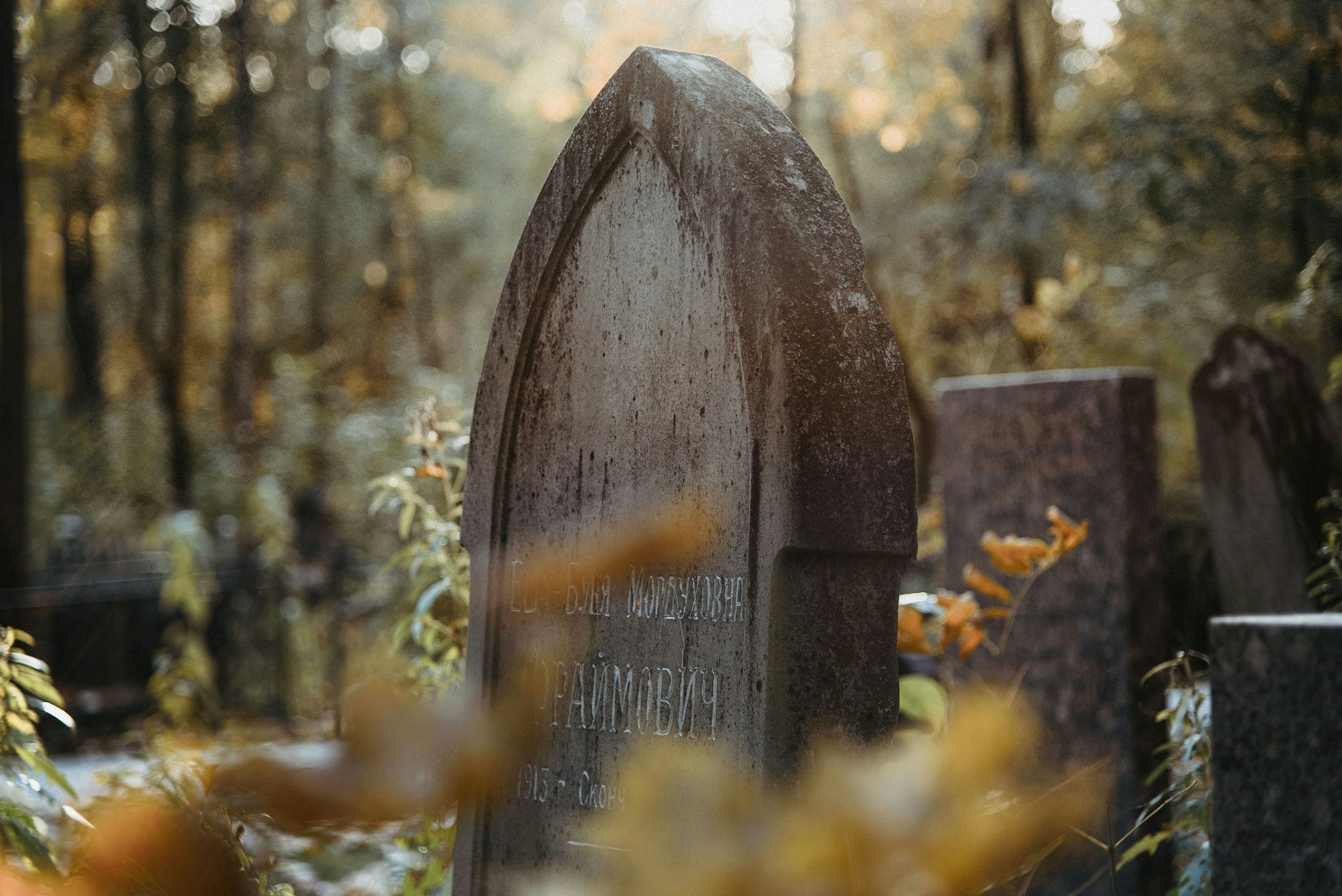
To speak of death is not to invite it — it’s to honor what it teaches. The Archive of Necromancy and Death Work is not a macabre indulgence, but a careful excavation of how cultures across time have communed with their dead. From Egyptian rituals of preservation to modern-day ancestral altars, from medieval necromantic grimoires to grief-centered spiritual practices, this section explores how the boundary between life and death has always been porous.
Here you’ll find texts and traditions detailing respectful ways of communication — from bone readings and cemetery rites to meditative pathworkings meant to connect, not command. Necromancy, at its heart, was never about raising corpses, but raising memory.
This archive seeks to reframe death work not as something grim, but sacred — a discipline of closure, legacy, and listening. The dead are not gone; they have simply changed their address.
🕯️ HISTORICAL ROOTS & RITUAL FOUNDATIONS
Necromanteion of Ephyra (Greece)
An ancient oracle of the dead where petitioners sought wisdom from spirits through ritual descent and sacred smoke.
The Orphic Mysteries
Initiatory rites teaching that death is a release — ritual communion with Persephone and Dionysus to free the soul from the cycle.
The Egyptian Opening of the Mouth
A funerary ceremony restoring speech and consciousness to the deceased — ensuring their safe passage to the afterlife.
The Roman Parentalia
A festival of offerings to ancestors — families picnicking among the tombs, sharing food and memory alike.
The Medieval Necromancer’s Circle
A misunderstood Christian-era practice using prayer, geometry, and angelic invocations — more about revelation than resurrection.
⚰️ CULTURAL PRACTICES OF COMMUNION
Shamanic Psychopomps
Guides between worlds — from Mongolian shamans to Celtic druids — who escort souls and mediate between life and beyond.
African Ancestral Veneration
Communion through libation, drumming, and invocation — the living and the dead maintaining mutual care and conversation.
Día de los Muertos (Mexico)
A celebration of love’s endurance — altars adorned with marigolds, food, and memory inviting the spirits home.
Celtic Samhain Rites
Seasonal observances welcoming ancestors to the hearth — firelight as beacon and boundary between worlds.
Buddhist Death Contemplations (Maranasati)
Meditations on impermanence — acknowledging decay not as horror, but as teacher of compassion and clarity.
💀 DIVINATION & SYMBOLIC DEATH MAGIC
Bone Casting (Osteomancy)
A traditional form of divination using bones, shells, and curios — interpreting how death speaks through pattern.
Skull Candles & Flame Readings
Symbolic rituals of illumination — inviting ancestral messages through candlework and careful observation.
Cemetery Pathworkings
Meditations performed respectfully at burial grounds — communing with lineage energy and the cycle of life.
Necromantic Mirror Scrying
Black mirrors used not for vanity, but for vision — a gateway between the living gaze and the realm beyond.
The Voice of the Bone
A ritual form of ancestral invocation using song, chant, and rhythm to awaken spiritual memory encoded in form.
🌑 MODERN DEATH WORK & HEALING
Death Doula Practice
Modern companions of transition — guiding souls and families through dying as a sacred process, not a medical failure.
Shadow & Grief Integration
Journaling, ritual, and therapy combined to honor mourning as metamorphosis — not something to “move past,” but move with.
The Ancestor Altar Renewal
Seasonal tending of the shrine — cleaning, refreshing offerings, and journaling new insights from recurring dreams or omens.
The Ethics of Necromancy
Boundaries, consent, and spiritual hygiene — reminding practitioners that communication must be mutual, never coercive.
The Necromancer’s Blessing
A poetic rite of gratitude for the wisdom of the departed — closing each working with words of peace: “Go in light, and leave me wiser.”
To study death is to study love in its purest form — the kind that refuses to be erased. The necromancer, the medium, and the mourner are all kin, united by their willingness to face what others flee.
When you light a candle for the departed, you’re not conjuring the grave; you’re illuminating connection. The dead do not need fear or spectacle — only acknowledgment. They remain our oldest teachers.
Do you honor your ancestors or practice safe death-work rituals? Share your approach below to guide others walking the same path.
To help sustain this sacred exploration, offer your support through Ko-fi, or gain access to detailed death-work essays and meditations on Patreon.
For deeper reflections on mortality, rebirth, and ancestral magic, journey to the Blog Archive.
Light the candle. The veil listens.