Toxic Botanicals — Side Notes
Not all plants are allies, and pretending otherwise has always been dangerous. Toxic botanicals and cautionary plants have earned their reputations through injury, misuse, and hard-won knowledge passed down quietly—often after someone learned the lesson the difficult way. These are the plants that demand respect long before curiosity.
The Side Notes in this section exist to slow people down. They address the plants that appear alluring, powerful, or deceptively familiar, and examine how folklore, medicine, magic, and modern misinformation collide around them. You’ll find practical warnings, cultural context, historical uses, and contemporary misconceptions—without sensationalism and without minimizing real risk.
This is where curiosity must be paired with responsibility. Not to frighten, but to inform.
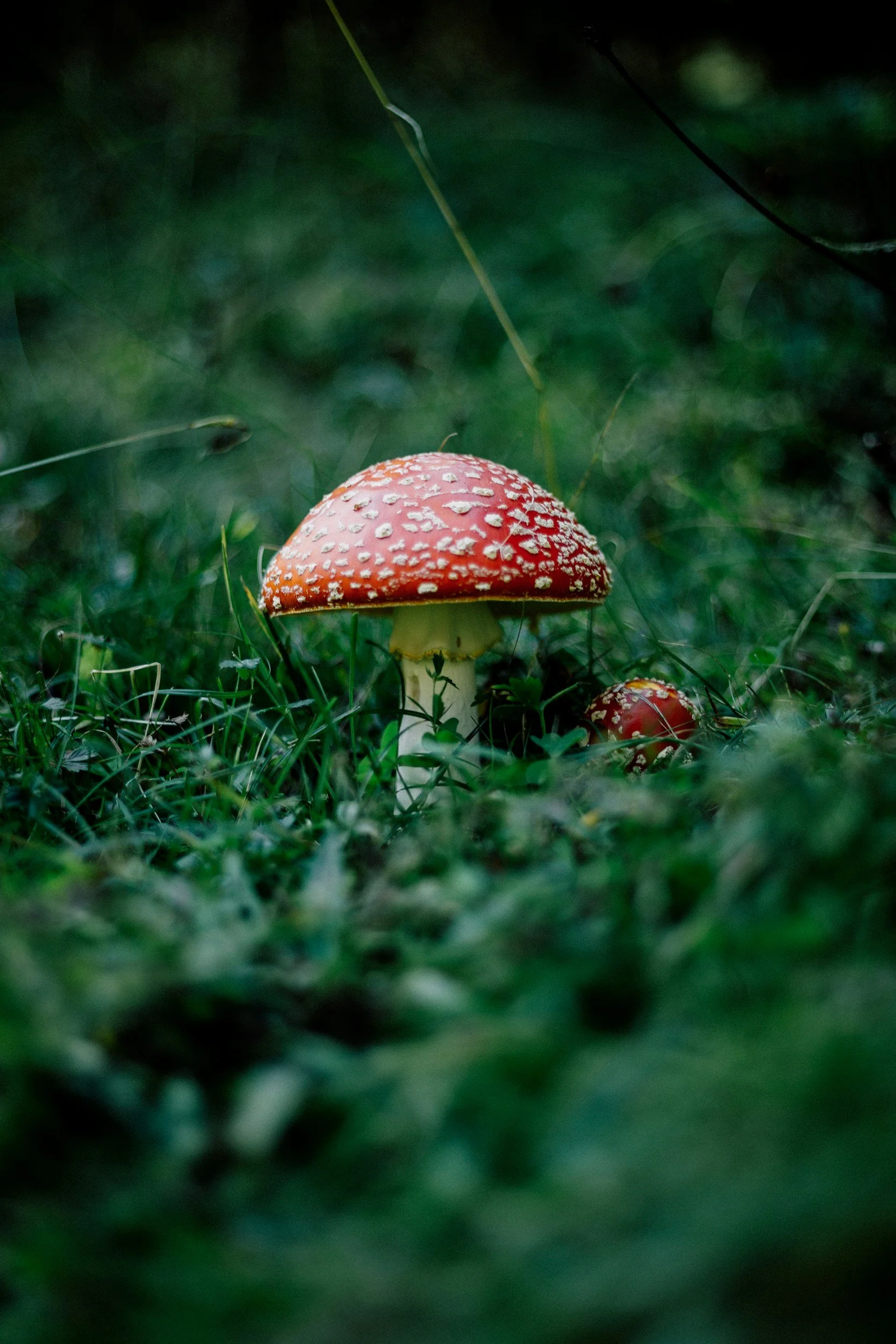
Featured Side Notes
You can also find these articles—and many more—within the main Grimoire Blog.
ITEMS
Toxic plants are not villains—they are boundaries. They remind us that “natural” does not mean safe, and that knowledge has always been a survival skill. The Side Notes treat these botanicals with clarity rather than fear, acknowledging both their historical roles and their modern hazards.
Some entries here will end in a firm do not. Others may invite careful study from a distance. Both outcomes are intentional. These notes aren’t about prohibition—they’re about discernment.
Read closely. Handle rarely. And remember: respect is not the same as avoidance—it’s knowing when not to touch at all.
* * *
✦ Comment below—we love hearing how others walk these paths
✦ Follow us on Instagram for new articles and archive updates
✦ Support the work on Ko-fi to keep the lamps lit
✦ Visit Patreon for exclusive content and deeper dives